A CCTV drain survey is most useful when the engineer can inspect the full length of the pipework, identify the cause of any fault and record clear footage. Knowing how to prepare for drain survey work can prevent avoidable delays, help keep the appointment focused and give you a better basis for any repair, insurance claim or property decision.
You do not need to understand drainage systems or start lifting covers yourself. The practical job is to make the relevant areas safe and accessible, share what you know about the problem, and check whether a blockage needs clearing before the camera goes in.
What a drain survey involves
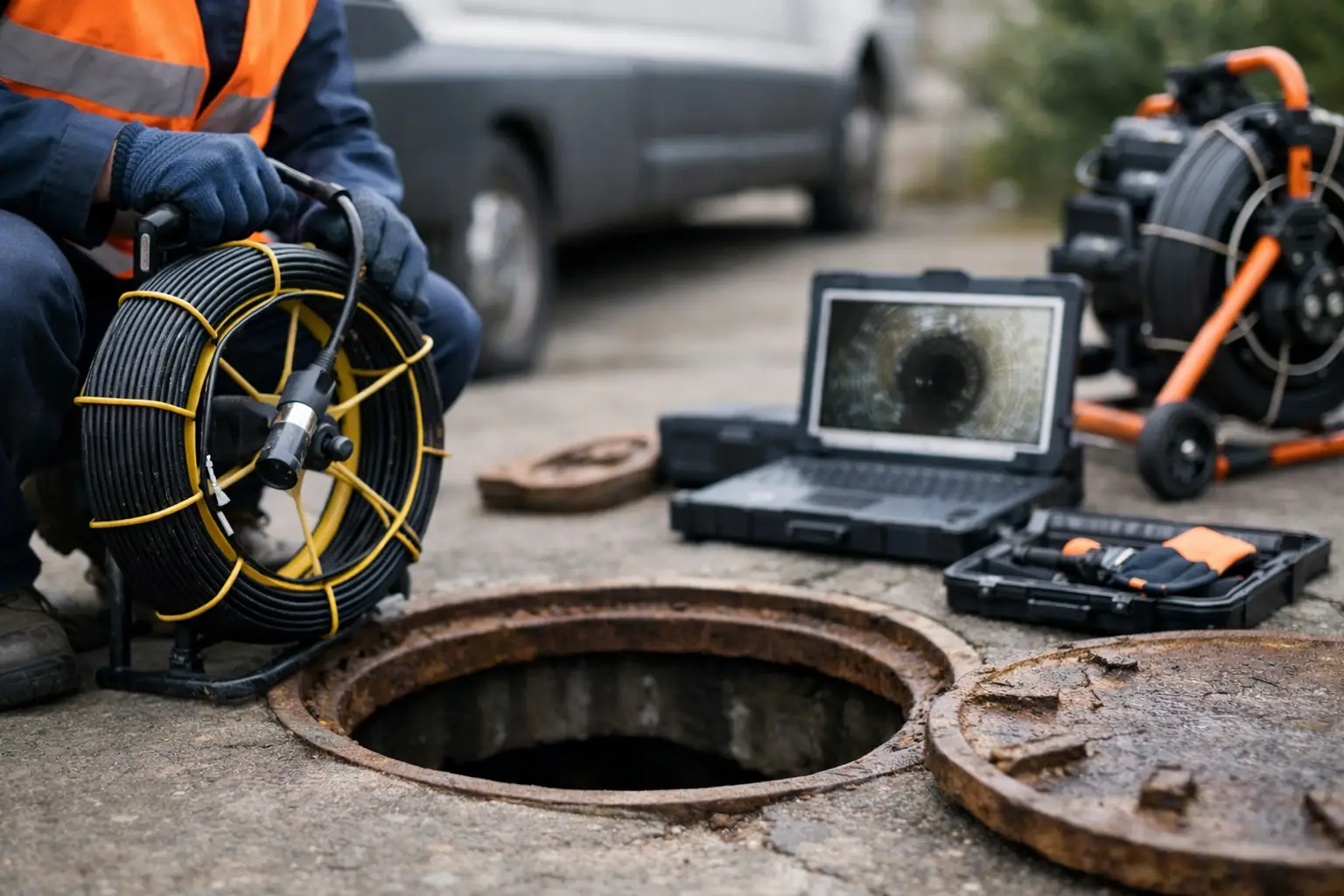
A CCTV drain survey uses a specialist camera pushed through the drainage system from an access point, usually an inspection chamber or manhole. The live footage lets the engineer assess the pipe condition and locate issues such as cracks, displaced joints, root ingress, scale build-up, collapsed sections or poorly connected pipework.
For a homebuyer, the aim may be to uncover hidden defects before exchange. For a landlord or business, it may be to establish why drains repeatedly back up. If you are planning an extension, the survey can confirm the route and condition of existing drainage before work begins.
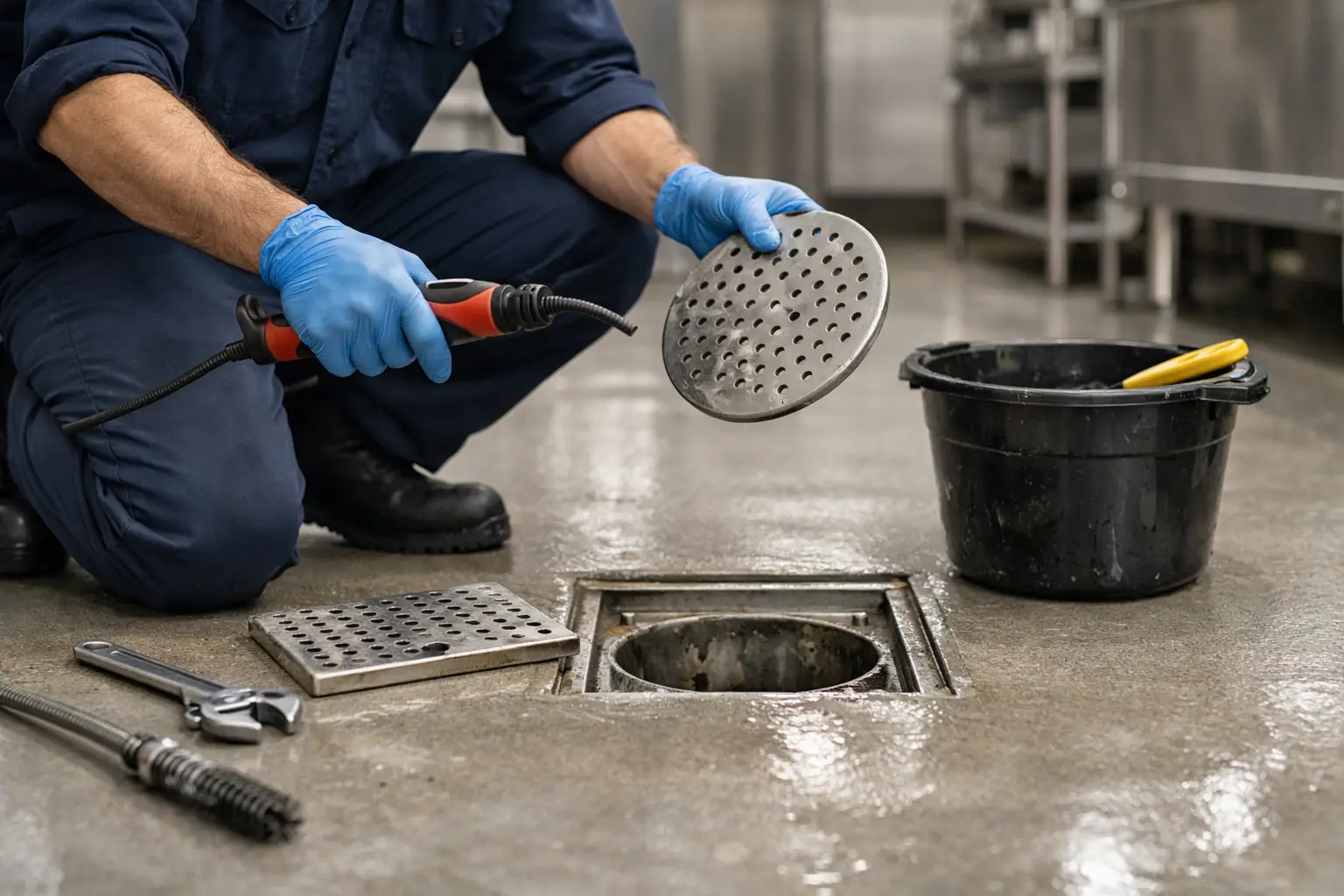
The camera needs a clear route. If the line is heavily blocked, full of silt or holding standing water, the first step may be high-pressure water jetting rather than inspection. That is not an unnecessary extra – it is what allows the survey to show the pipe wall rather than a screen full of debris.
How to prepare for a drain survey before the engineer arrives
Start by identifying where the drain covers and inspection chambers are. They are often found in driveways, patios, side passages, gardens, garages or shared access areas. If you are unsure, do not worry. Tell the engineer where toilets, sinks, gullies and external downpipes are located, along with any areas where water collects or smells occur.
Clear reasonable access to visible covers. Move cars from the driveway, bring bins in if they are blocking a side path, and put away garden furniture, pots or equipment sitting on top of access points. For commercial premises, arrange access to locked yards, plant areas, service corridors or delivery bays before the appointment. A camera survey is usually straightforward, but time can be lost if the engineer cannot get to the drain entry point.
Keep children and pets away from the work area. Drain covers can be heavy and, once opened, the chamber must remain clear and safely managed. There is no need to remove a cover yourself. Old, damaged or seized covers can break, and opening them without the right tools can cause injury.
If the issue is inside the property – for example, a toilet that is slow to empty or a kitchen sink backing up – clear the cupboard below the affected fitting and remove personal items from nearby floors. The team may need to run water through selected appliances to trace the route or confirm that the line is flowing after inspection.
Do not use chemical drain cleaners beforehand
Avoid pouring caustic drain cleaner, bleach or other chemicals into the system before a booked visit. These products rarely solve a structural drainage fault, can damage certain pipe materials and create a safety risk for anyone opening the drain. Let the engineer know if chemicals have already been used, even if it was several days ago.
Also avoid repeatedly forcing water down a blocked drain. If wastewater is rising through a gully, toilet or floor drain, further use can make the internal mess worse. Limit water use where practical until the cause has been assessed.
Give a clear history of the problem
The most valuable preparation is often information rather than physical work. A drain survey gives visual evidence, but the pattern of the fault helps the engineer investigate the right line and interpret what the footage means.
Be ready to explain when the problem started, which fixtures are affected and whether it is constant or only happens after heavy rain. Mention if the property has had previous blockages, recent building work, tree removal, an extension, a new patio or changes to the driveway. These details can point towards likely causes, including crushed pipes under new hardstanding, roots at old joints or rainwater entering a foul drain.
It also helps to say what has already been tried. For example, if rodding has cleared the drain twice but the blockage returns every few months, that may suggest roots, a defect or a poor connection rather than a simple build-up of wipes or grease.
If you have photographs of flooding, copies of earlier drainage reports, repair invoices, building plans or correspondence with a water company, keep them available. You do not need a large file of paperwork, but relevant records can help establish whether a defect is private pipework, shared drainage or potentially the responsibility of the sewerage undertaker.
Check access and permissions on shared or managed sites
Many drainage lines run beyond the boundary of the building. A terrace, converted house, retail unit or industrial site may have shared chambers and pipework. If the suspected access point is on a neighbour’s land, in a communal area or behind a locked gate, arrange permission where possible before the survey.
For landlords, managing agents and facilities teams, nominate somebody who can make decisions on site and provide access to all relevant areas. If a tenant reports a problem but the survey requires entry to an adjoining unit, a visit may only provide a partial answer without that access.
There are limits to what can be inspected from one chamber. An experienced engineer can often trace the direction of the line, but a complete survey may need more than one access point. This is particularly true on larger commercial properties or older buildings where drainage has been altered over time.
Ask what you will receive after the survey
Before the appointment, confirm whether you need a visual inspection for diagnosis or a formal written report. The right level depends on why you are commissioning the work.
A homeowner with a recurring blockage may mainly need clear footage, a diagnosis and a fixed recommendation for repair. A buyer, insurer, solicitor or property manager may require a report showing the drain layout, pipe condition, defect locations, images and repair priorities. Raise this before the work starts so the survey is carried out to the appropriate standard and the findings are recorded properly.
It is also sensible to ask whether drain clearance is included, required beforehand or charged separately. Transparent pricing matters here. A survey cannot reliably assess a pipe that is obstructed, but you should understand the likely process before the engineer attends – not be faced with unexplained work once the cover is open.
Prepare for the findings, not just the visit
A drain survey may confirm that the problem is minor, such as a local build-up of fat, scale or debris. It may also reveal defects that need planned repair, including open joints, root ingress, fractures or a collapsed section. The camera evidence should show what is wrong and where it is, rather than leaving you with a vague recommendation to replace everything.
Not every defect means excavation. Some damaged pipes can be repaired using no-dig methods such as CIPP relining, which creates a new lining within the existing pipe. That can reduce disruption to gardens, driveways and floors, although it depends on the type, location and extent of the damage. A badly collapsed line or an incorrectly laid section may still need excavation and replacement.
Ask for the recommended next step, why it is necessary, how urgent it is and whether there are options. A sound diagnosis-led company should separate immediate risks, such as active sewage backing up, from defects that can be planned and budgeted for.
On the day of your drain survey
Make sure someone can provide access at the agreed time, particularly if covers are within a locked garage, side gate or business compound. Keep parking spaces clear where possible, as drainage teams may need room for jetting and CCTV equipment. If you need to leave before the work is complete, agree how the findings will be communicated and who can approve any additional work.
The best preparation is simple: clear the route, share the history, avoid chemical quick fixes and make sure the team can inspect every relevant access point. That gives the survey the best chance of delivering what you actually need – a clear answer and a practical route to a lasting repair.