A blocked toilet during a busy service, foul smells in a shared corridor or wastewater backing up near a loading area can quickly become more than an inconvenience. Knowing how to maintain commercial drains gives facilities managers and business owners a better chance of avoiding lost trading time, unhappy customers and expensive emergency work.
Commercial drainage usually works harder than a domestic system. Cafes and takeaways deal with fats, oils and food waste. Offices have busy washrooms. Industrial units may have surface water drains collecting silt, leaves and debris. The right maintenance plan depends on the building and how it is used, but it should always focus on prevention, early diagnosis and proper cleaning rather than quick fixes.
How to Maintain Commercial Drains with a Routine Plan
The most effective approach is a planned maintenance schedule, not waiting until water stops draining. A regular programme allows you to remove developing blockages before they restrict the pipe, identify defects early and keep a clear record of work completed.
For many offices, shops and smaller commercial premises, a visual check each month and professional cleaning or inspection once or twice a year is a sensible starting point. High-use sites need more attention. A restaurant kitchen, care home, school, pub or food production unit may need grease management and drain cleaning every few months, or more often where usage is heavy.
Your schedule should cover internal waste pipes, toilets and sinks, external gullies, surface water channels, manholes and any grease traps or interceptors. Do not overlook areas behind buildings, car parks and delivery yards. These are often where leaves, mud, packaging and silt build up unnoticed.
Keep a simple site log that records inspections, cleaning dates, reported smells, slow-draining fixtures and any previous blockages. Patterns matter. If the same toilet, gully or kitchen sink repeatedly causes trouble, there may be a deeper issue such as a damaged pipe, poor pipe gradient, root ingress or a wrongly connected drain.
Stop the Most Common Causes of Blockages
Drainage maintenance starts with what goes into the system. Staff awareness is one of the lowest-cost ways to reduce avoidable call-outs, particularly in shared kitchens and washrooms.
Kitchen staff should keep fats, oils and grease out of sinks. Even when liquid, grease cools and sticks to pipe walls, catching food particles until the flow is restricted. Allow cooking oil to cool in a suitable container for disposal, scrape plates into food waste bins and fit sink strainers that are emptied regularly. A grease trap can be useful where required, but it only works if it is sized correctly and emptied as part of the maintenance routine.
In washrooms, make it clear that toilets are for toilet paper and human waste only. Wipes marked as flushable, sanitary products, paper towels, cotton buds and cleaning cloths can all create serious obstructions. Providing properly placed bins and checking that cleaners understand the policy makes a real difference.
Outside, do not use gullies as general wash-down points or places to sweep debris. Sand, grit, cigarette ends, leaves and litter settle in traps and pipework. In yards where vehicles operate, consider whether silt traps or drainage interceptors need more frequent attention, especially after building work or periods of bad weather.
Check the Warning Signs Before They Become an Emergency
Commercial drains rarely fail without warning. Acting on the first signs can prevent a small obstruction becoming an overflow inside the premises.
Look out for slow-draining sinks, toilets that need repeated flushing, gurgling sounds, water pooling around gullies and unpleasant odours. Damp patches, cracking ground around external drains or unusually green areas of grass may also suggest leaking underground pipework.
A smell is not always caused by a blockage. In an infrequently used washroom or plant room, a dry trap may be allowing drain odours into the building. Running water through rarely used sinks, floor drains and toilets can restore the water seal. If the smell returns quickly, however, it is worth arranging a professional assessment rather than masking it with air freshener.
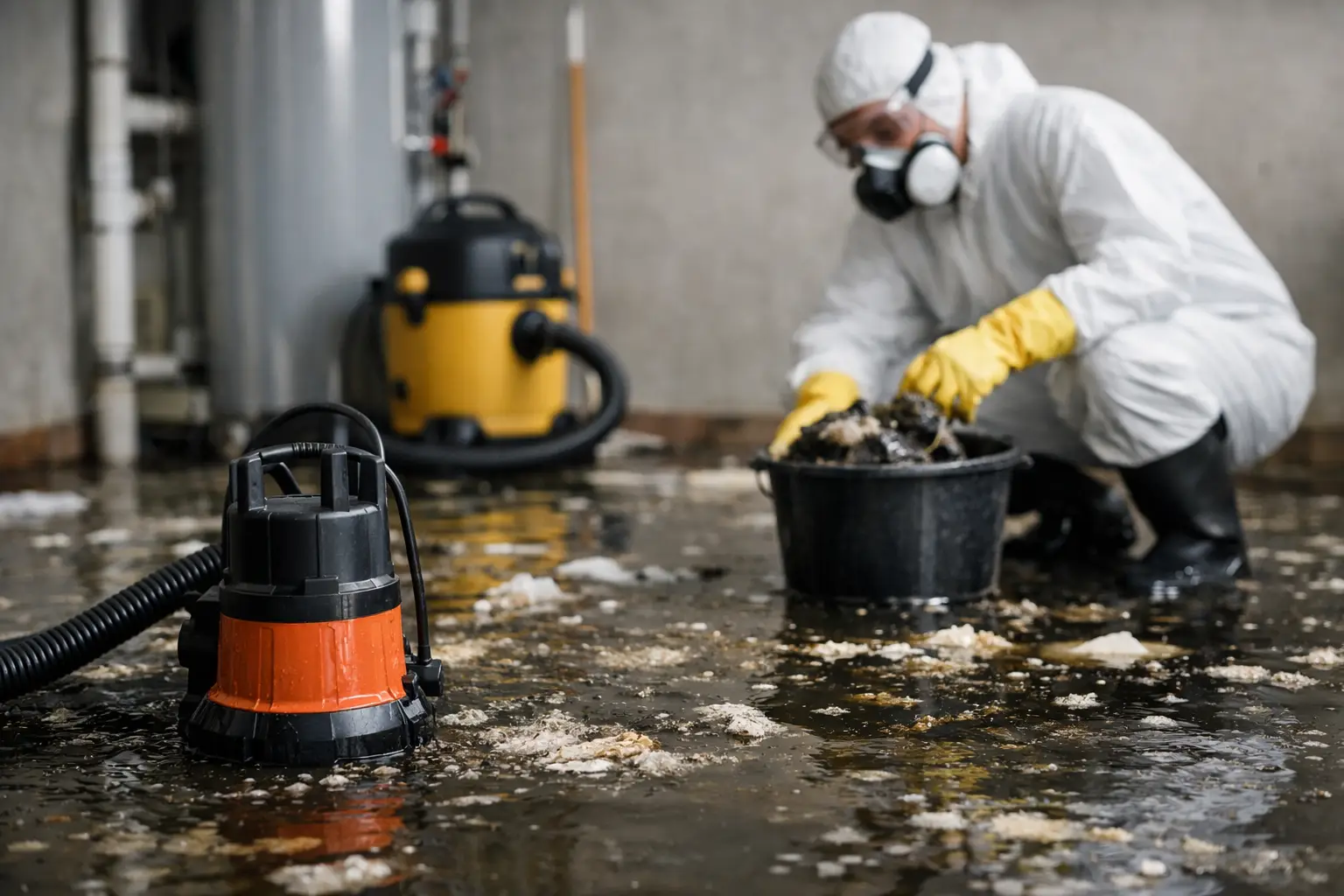
Multiple fixtures draining slowly at the same time is a more urgent sign. It can indicate a restriction further down the shared drainage run, where plunging one sink or toilet will not solve the real problem. Stop using affected facilities where possible and get the line checked before sewage backs up.
Use Professional Cleaning for the Right Job
Chemical drain cleaners are rarely a sensible answer for commercial premises. They can be hazardous for staff, damage certain pipe materials and often only burn a narrow route through a blockage. They do not remove heavy grease deposits, silt or roots, and they can make later work more difficult and unpleasant.
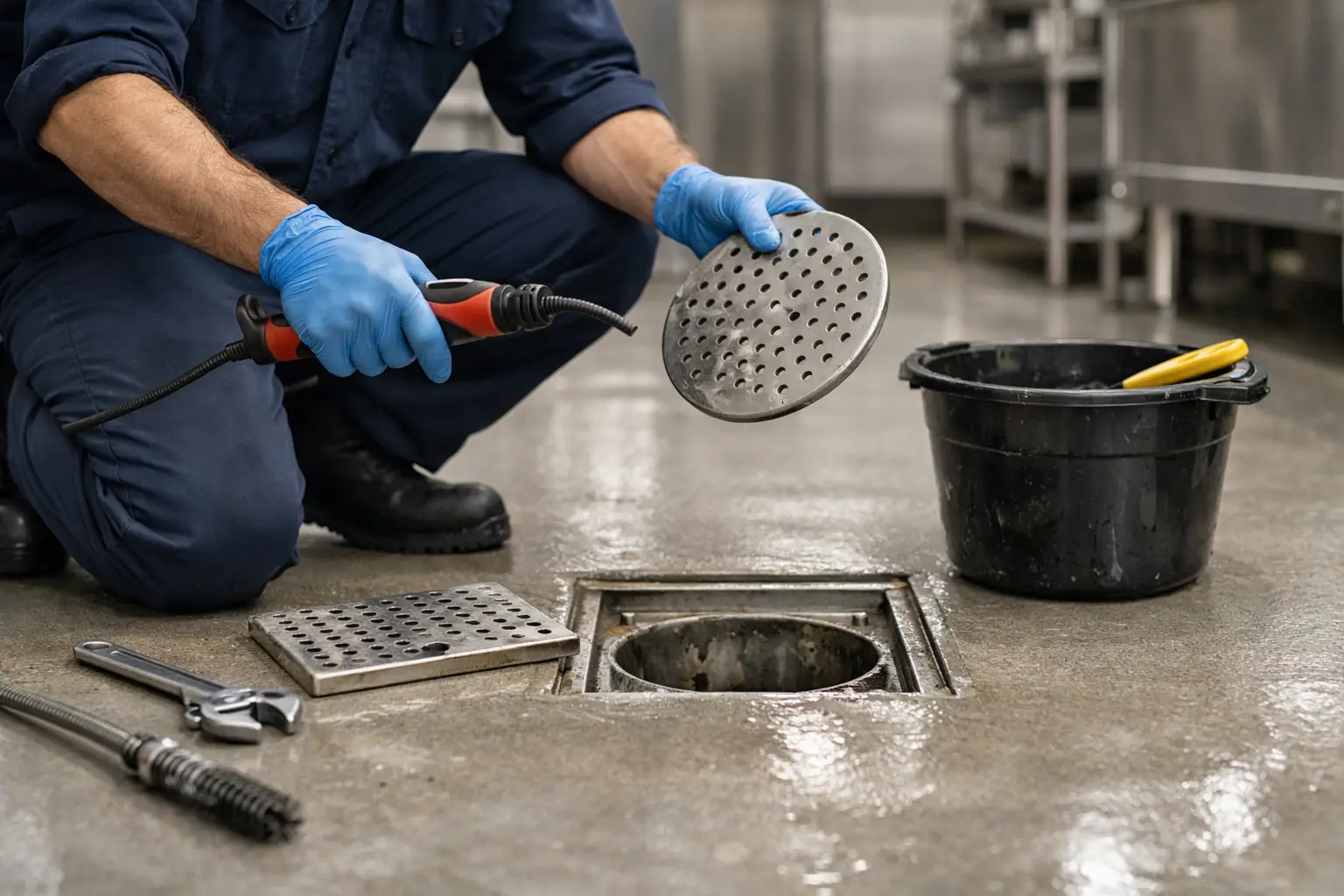
Professional high-pressure water jetting is generally the proper method for clearing and cleaning commercial drain runs. The jetting head breaks up deposits and flushes material through the system, rather than simply pushing the blockage further along. The pressure and nozzle used should suit the pipe condition and the type of debris present. Older or damaged drainage needs a careful, diagnosis-led approach.
For grease-heavy systems, planned jetting should be paired with good kitchen controls and regular grease trap servicing. For outdoor drains, cleaning may involve removing silt from gullies and catch pits before jetting the downstream pipework. The aim is not just to get water moving on the day, but to leave the system clean enough to reduce the chance of an immediate repeat blockage.
Arrange CCTV Surveys When Problems Keep Returning
A recurring blockage should never be treated as normal. Repeated call-outs can cost more than finding and repairing the underlying fault.
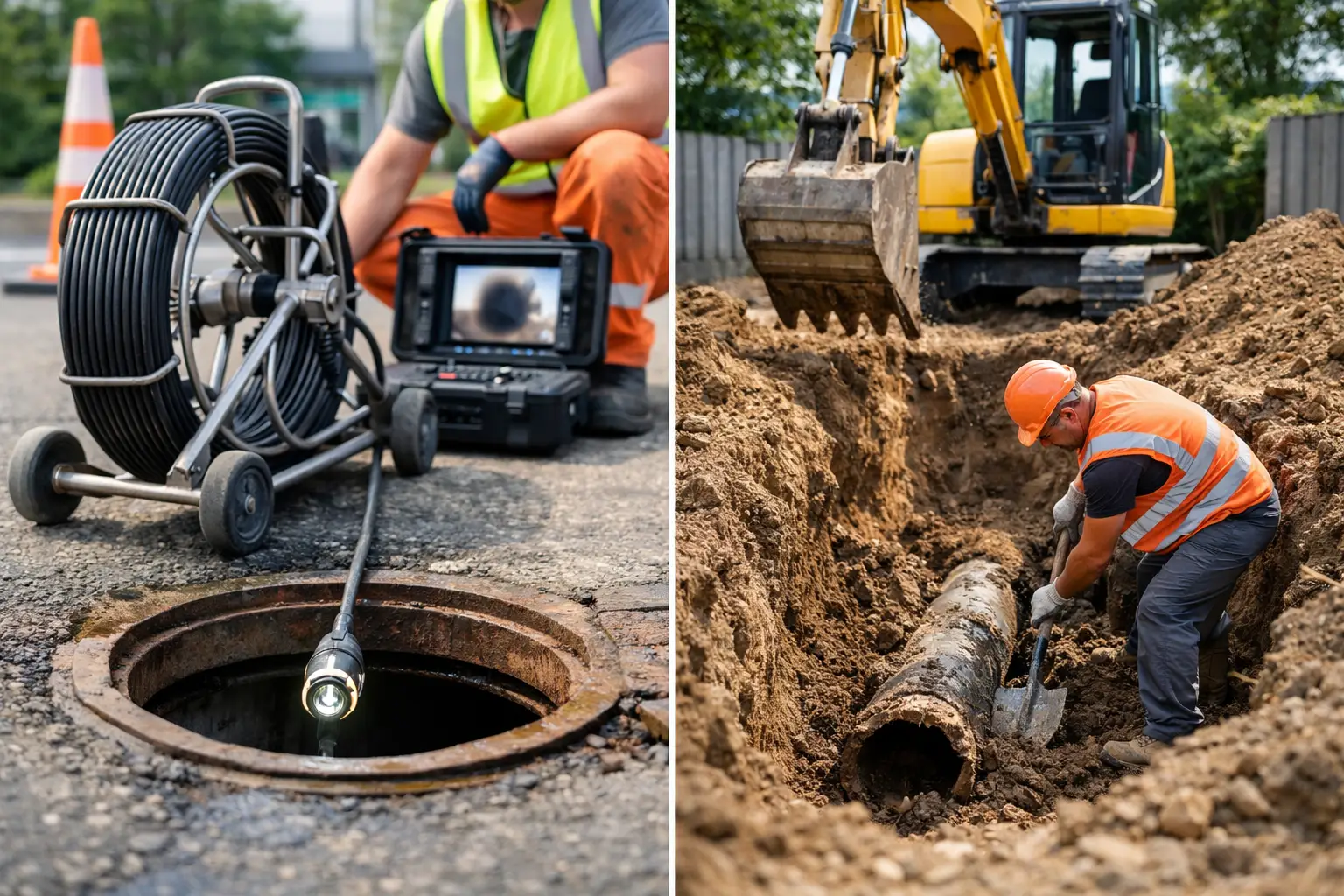
A CCTV drain survey allows a drainage engineer to inspect the inside of underground pipes and identify the real cause. It can reveal root ingress, cracked or displaced joints, collapsed sections, scale build-up, poor installation, intruding debris or a pipe that is holding water because of an incorrect fall.
This evidence is particularly useful for landlords, managing agents and businesses responsible for older premises. It provides a clear picture of what is happening below ground, helps plan the right repair and can support discussions with insurers or neighbouring property owners where responsibility is unclear.
Not every defect means extensive excavation. Where the pipe is structurally suitable, no-dig CIPP relining can create a new lining within the existing drain. That can reduce disruption to flooring, landscaped areas or trading space. A full assessment is still essential, as severely collapsed pipes or badly misaligned sections may require excavation and replacement.
Protect External Drains Through the Seasons
The West Midlands weather puts external drainage under pressure. Heavy rain can expose poor surface water flow, while autumn leaves can block gullies and downpipe connections in a matter of days.
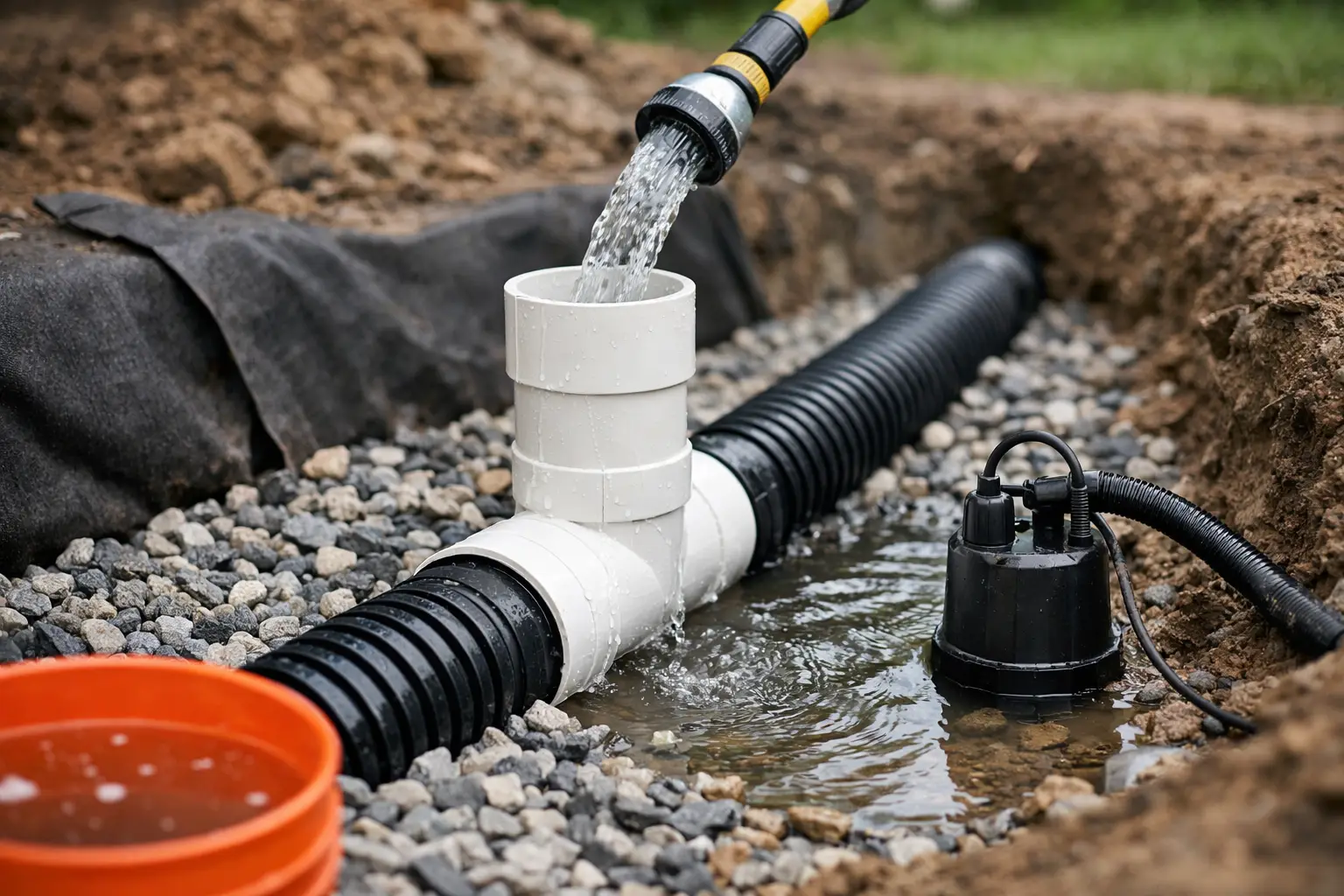
Before autumn and winter, clear leaves from grates, gutters and channels around the building. Check that gully covers are secure and undamaged, and make sure water is flowing away from entrances, loading bays and low points in the car park. After severe rain, inspect areas where water has pooled and arrange cleaning if it does not clear as expected.
During dry spells, keep an eye on little-used drains and traps. In colder weather, deal with leaks promptly, as standing water and saturated ground can worsen existing faults. If your site has a large yard, public car park or substantial roof drainage, a planned inspection before the wet season is often cheaper than reacting to flooding during it.
Give Staff a Clear Reporting Route
Drainage issues are often reported late because staff assume someone else has dealt with them. Give employees a simple route for raising concerns and make clear what needs reporting: odours, slow fixtures, overflowing gullies, unusual sounds, visible damage and repeat toilet blockages.
Facilities teams should also know where manholes, isolation points and grease management equipment are located. Keep these areas accessible. Storing stock, bins or equipment over access covers delays investigation when time matters.
For businesses across Wolverhampton and the wider West Midlands, West Midlands Drainage can support planned maintenance as well as urgent drain unblocking, using CCTV inspection where recurring faults need a proper answer. The value of professional support is not just faster clearance – it is having someone identify whether the problem is grease, scale, roots, damage or poor drainage design before recommending work.
A well-maintained commercial drainage system is largely invisible, which is exactly how it should be. Set a realistic maintenance frequency, keep unsuitable waste out of the pipes and act when the first warning signs appear. That approach protects your premises, your staff and your ability to keep trading when it matters most.