A damaged sewer pipe does not always mean a garden dug up, a driveway broken out or a business forced to close part of its site. CIPP sewer lining is a no-dig repair method that creates a new pipe inside the damaged one, often avoiding the disruption and cost of excavation. It is not a shortcut or a temporary patch. When the pipe is suitable, it is a durable repair based on a proper inspection and careful installation.
For homeowners, landlords and commercial property managers, the key is knowing whether relining is the right answer to the problem. That starts with finding the actual cause of repeated blockages, leaks or collapsed ground – not simply clearing the drain and hoping it stays clear.
What is CIPP sewer lining?
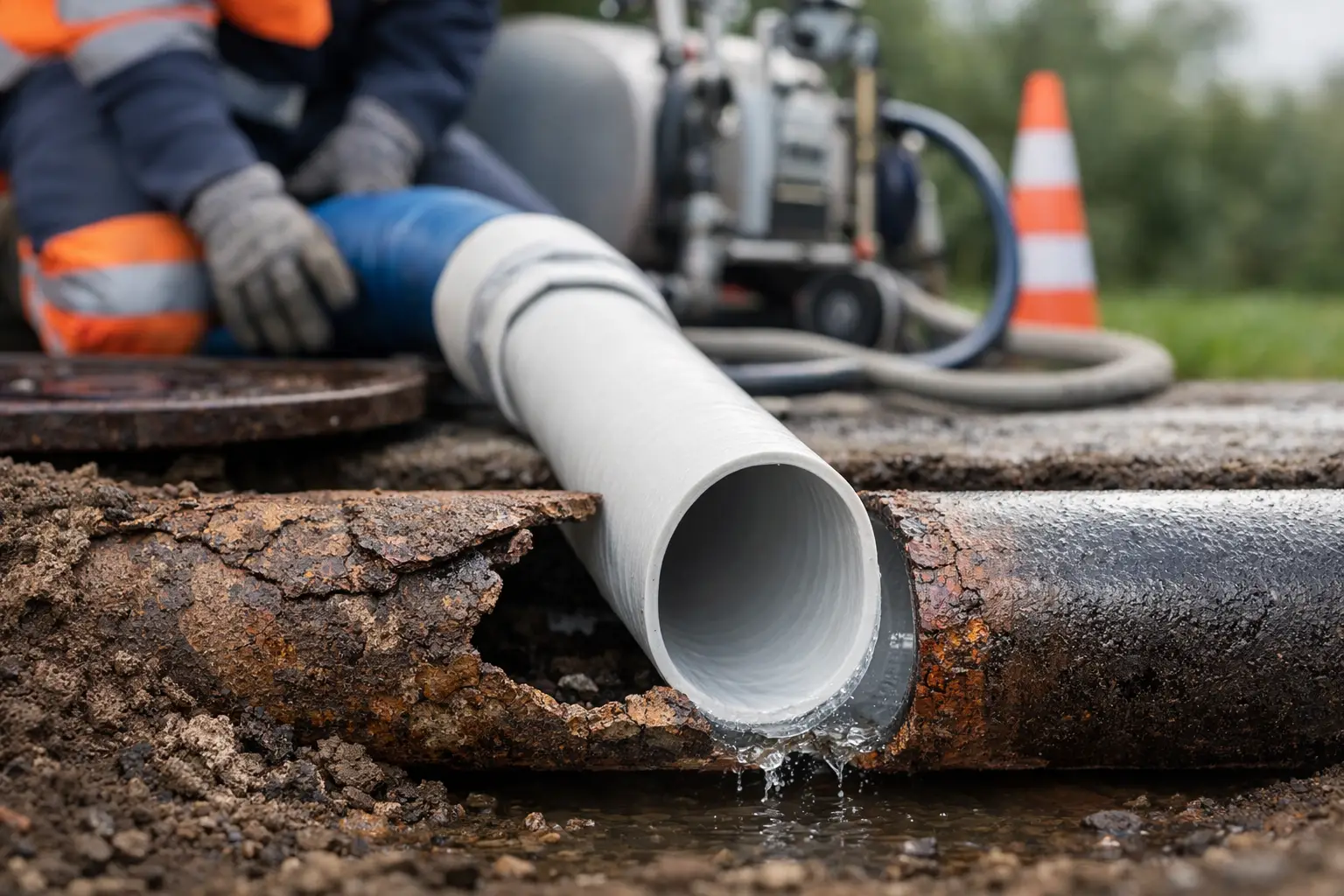
CIPP stands for cured-in-place pipe. A flexible liner is saturated with a specialist resin, inserted into the existing drain or sewer pipe, and positioned over the damaged section. It is then inflated or formed against the inside of the pipe while the resin cures. Once hardened, the liner becomes a smooth, structural pipe within the original pipe.
The result is a continuous internal sleeve that can seal cracks, small gaps, defective joints and root-damaged sections. Branch connections can be reopened after curing where required, allowing waste water to continue flowing through the system as it should.
This approach is commonly used on underground drainage where access is difficult. That could mean pipework beneath a patio, extension, driveway, landscaped garden, warehouse floor or public access area. Rather than excavating along the whole run, engineers can usually work through existing manholes or access points.
Why damaged sewer pipes need more than a quick unblock
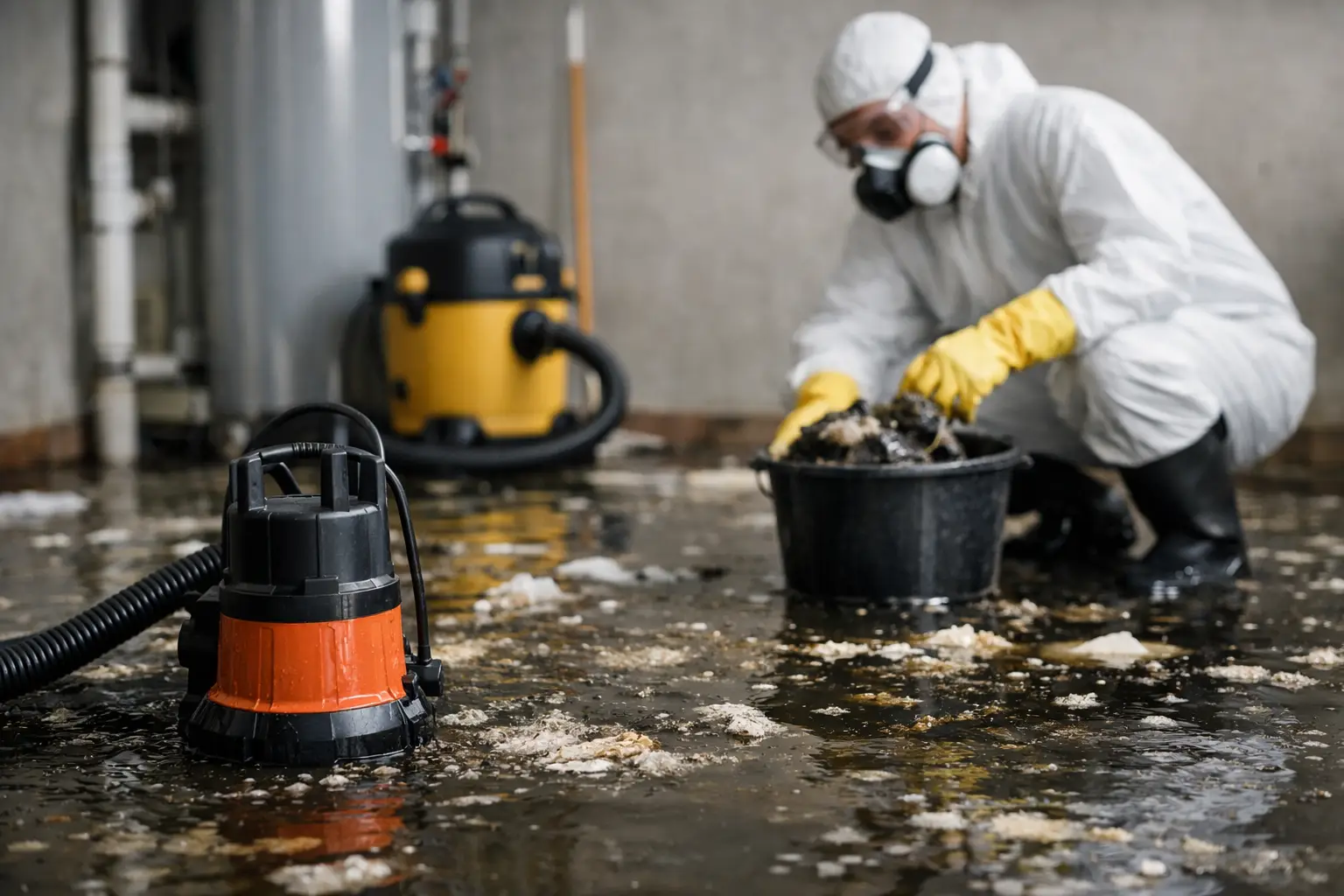
A drain that blocks once may simply contain a build-up of wipes, grease, scale or debris. A drain that blocks repeatedly is different. It may be telling you that the pipe has cracked, shifted, been penetrated by roots or lost part of its internal wall.
High-pressure water jetting can remove an obstruction and restore flow, but it cannot repair a broken joint or a fractured pipe. If roots are entering through a damaged connection, they will grow back unless the entry point is sealed. This is why diagnosis matters before any repair is recommended.
A CCTV drain survey gives a clear view inside the pipe. It can show the location and extent of cracking, root ingress, displaced joints, open connections, scale build-up and other defects. It also confirms the pipe diameter, route and access available for repair.
That evidence lets you make an informed decision. If the pipe only needs cleaning, there is no reason to pay for relining. If a specific section is damaged but still broadly in shape, CIPP may be the sensible long-term option. If the pipe has fully collapsed, has severe deformation or has lost its line and level, excavation may still be necessary.
How the CIPP sewer lining process works
No two drainage systems are identical, but a professional relining job follows a clear sequence. The work should be planned around the condition of the pipe, the nature of the defect and how the property uses its drainage.
1. Inspecting and measuring the pipe
The first step is a CCTV survey. Engineers identify the damaged section, measure its length and check whether the pipe can accept a liner. They will also look for issues that could prevent a successful installation, such as a major collapse, standing water caused by poor falls or heavy deposits that cannot be removed.
For commercial premises, the inspection also helps plan the work around trading hours, tenant access and hygiene requirements. A repair that reduces disruption is valuable, but only if it still deals with the fault properly.
2. Cleaning and preparing the drain
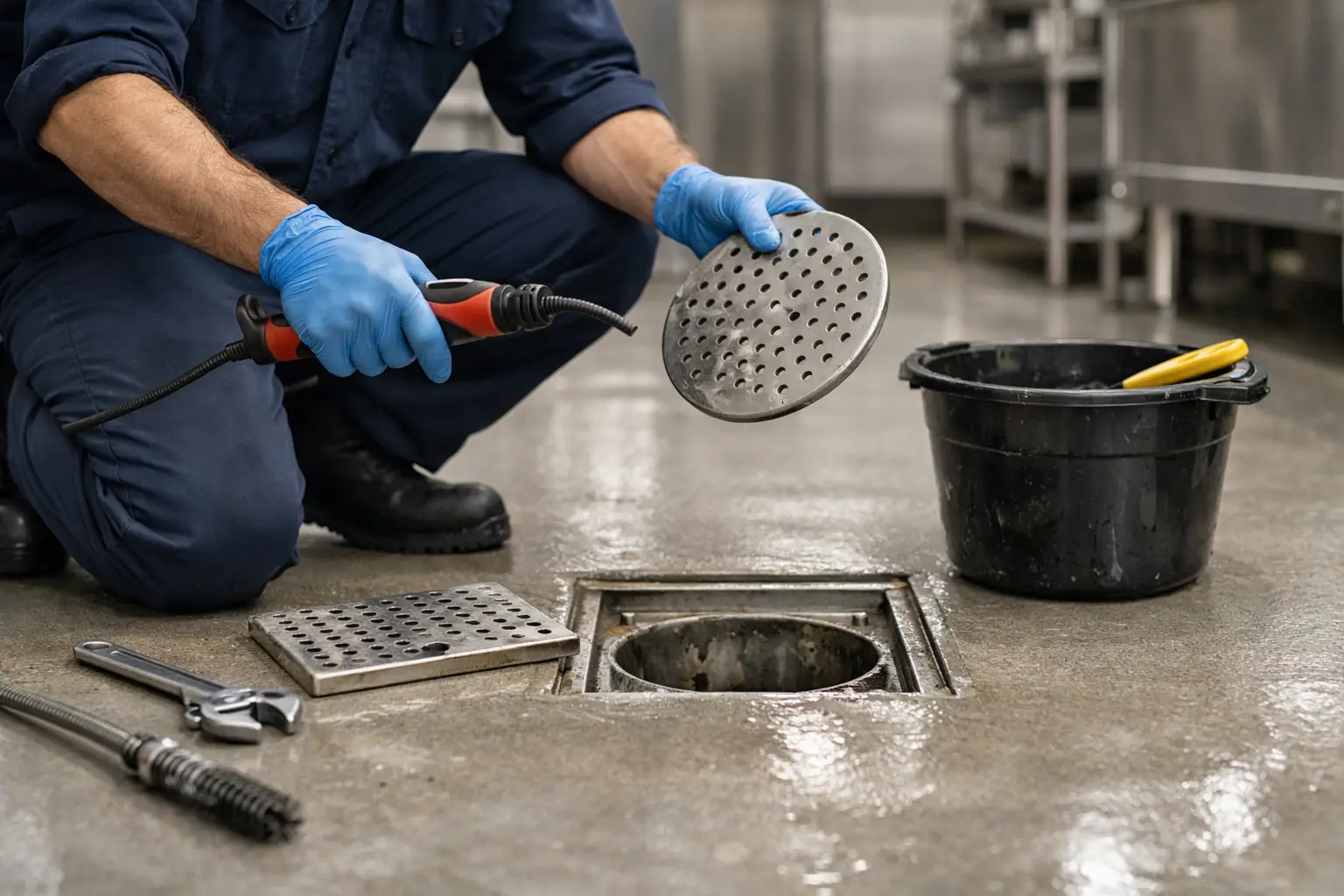
The pipe must be thoroughly cleaned before lining. High-pressure water jetting removes grease, loose scale, silt and root material so the liner can sit against the pipe wall. If preparation is rushed, the finished liner may not perform as intended.
Root cutting may be needed where roots have entered through joints or cracks. The aim is not just to clear a passage through the roots but to remove enough material for the pipe to be assessed and lined accurately.
3. Installing the resin liner
A liner is prepared to the required diameter and length, saturated with resin and introduced through an access point. Depending on the repair, it may cover a localised defective section or a longer run of pipe.
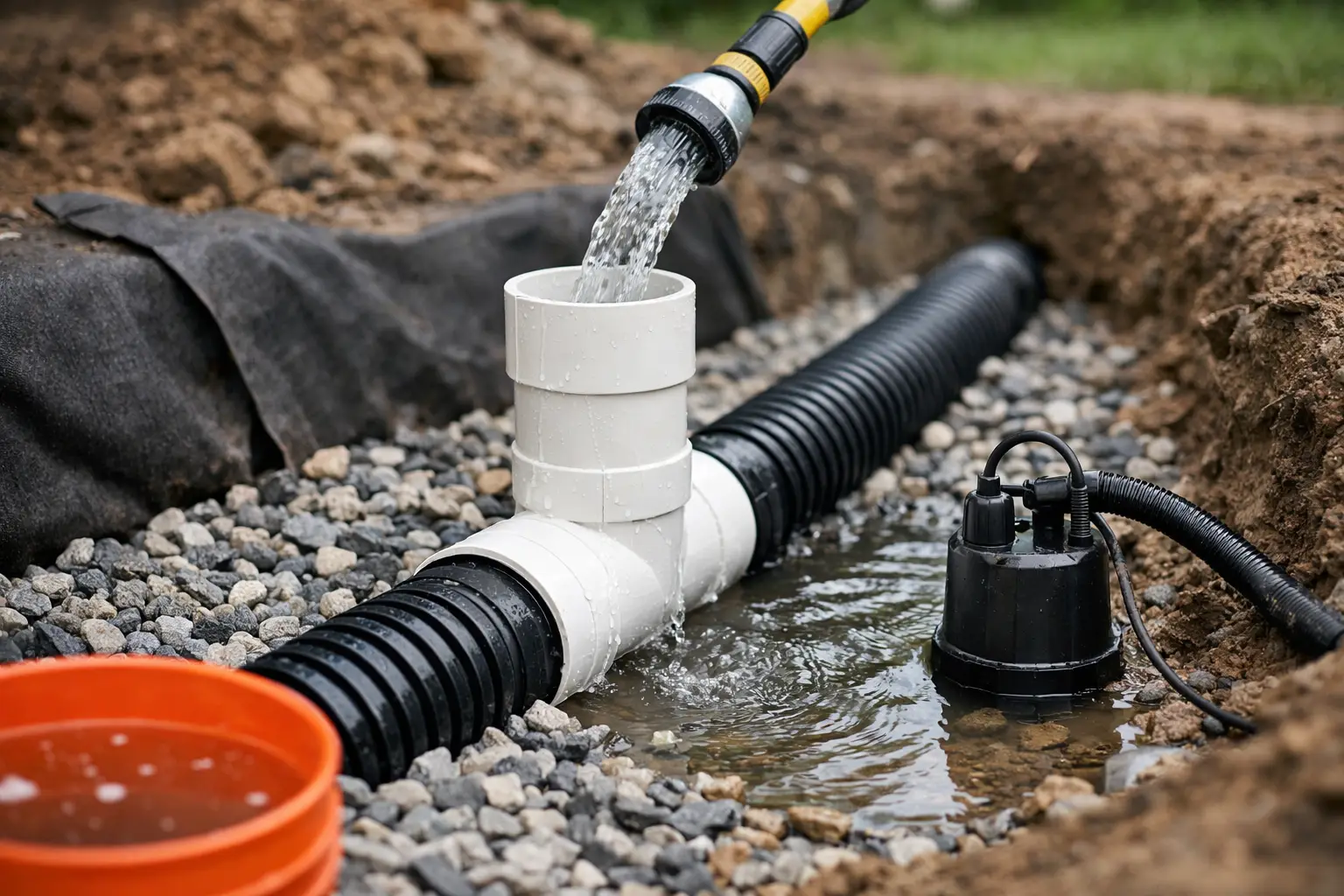
The liner is expanded inside the drain so it moulds to the original pipe. The resin is then cured using the appropriate method and allowed to harden. This creates the new internal pipe wall without the need to dig down to every damaged joint.
4. Reopening connections and checking the repair
If the lined section passes branch connections, these are reinstated using specialist cutting equipment. A final CCTV inspection checks that the liner is correctly positioned, properly cured and free from obstructions.
This final check matters. You should be able to see what has been repaired and understand the condition of the remaining pipework. Good drainage work is not about disappearing after the water starts flowing again. It is about leaving you with a repair that has been verified.
When no-dig relining is a good option
CIPP lining is particularly useful where excavation would cause significant disruption. A cracked pipe beneath a block-paved drive, for example, may be repairable from a manhole without lifting and relaying the surface. The same applies to drainage beneath a kitchen extension or a commercial floor where digging would involve reinstatement costs and operational downtime.
It can also be a strong option for root ingress. Once the roots are removed and the affected section is lined, the new sleeve seals the weak points that allowed them in. This helps prevent the cycle of roots, blockages and emergency call-outs.
Relining is often suitable for clay, cast iron, plastic and other common drainage materials, provided the pipe is structurally appropriate. It can improve flow as well, because the cured inner surface is smooth and has no open joints for debris to catch on.
There is a trade-off. The liner slightly reduces the internal diameter of the pipe. In most domestic drainage systems this reduction is small and does not cause a practical problem, but pipe capacity should always be considered, particularly on larger commercial systems. The survey should establish whether lining is suitable rather than treating it as the answer in every case.
When excavation may be the better repair
No-dig does not mean no judgement. There are situations where digging out and replacing the pipe is the more honest recommendation.
A pipe that has collapsed completely may not provide a stable shape for a liner. Severe dips can allow waste and water to sit in the line, even if the pipe wall is repaired. Major displacement, extensive missing sections or a pipe laid with the wrong fall may also need excavation so the drainage route can be rebuilt correctly.
Access can affect the decision too. If there are no usable access chambers and the repair area cannot be reached safely, a small excavation may be needed to create access. In some cases, a targeted excavation combined with lining elsewhere provides the best balance of cost, disruption and reliability.
The right contractor will explain these limits plainly. Be wary of anyone promising relining before they have inspected the pipe with CCTV. A fixed price may sound attractive, but it is not good value if the repair does not address the root cause.
What affects the cost of CIPP relining?
The cost depends on more than the length of pipe. Diameter, depth, access, the amount of cleaning required, the number of branch connections and the condition of the drain all influence the work involved. A straightforward liner installed through an accessible manhole is very different from a repair beneath a busy commercial property with several live connections.
It is also worth comparing the full cost, not just the initial repair figure. Excavation may involve breaking out concrete, lifting paving, removing spoil, replacing the pipe and reinstating the surface afterwards. In the right situation, relining avoids much of that work. In the wrong situation, it can be money spent on a pipe that still has an underlying structural problem.
Ask for a clear explanation of the survey findings, the proposed repair area and what checks will be carried out once the work is complete. Transparent pricing should mean you understand what you are paying for before work starts, not after an emergency visit has turned into a larger job.
Choosing a drainage contractor for relining
CIPP work needs specialist equipment, trained operatives and accurate surveying. It is not a job for guesswork. Look for a drainage company that starts with CCTV evidence, can clean the line properly before repair and provides confirmation of the completed work.
For properties across Wolverhampton and the wider West Midlands, West Midlands Drainage takes a diagnosis-led approach: inspect the fault, explain the practical options and carry out the repair that fits the actual condition of the pipe. That may be relining, targeted excavation or simply a thorough clean if the pipe is sound.
If you are dealing with recurring blockages, bad smells, slow drainage or a suspected damaged sewer, do not wait for the next backup to force the issue. A CCTV survey can turn an uncertain problem into a clear repair plan, helping you protect the property without paying for work you do not need.