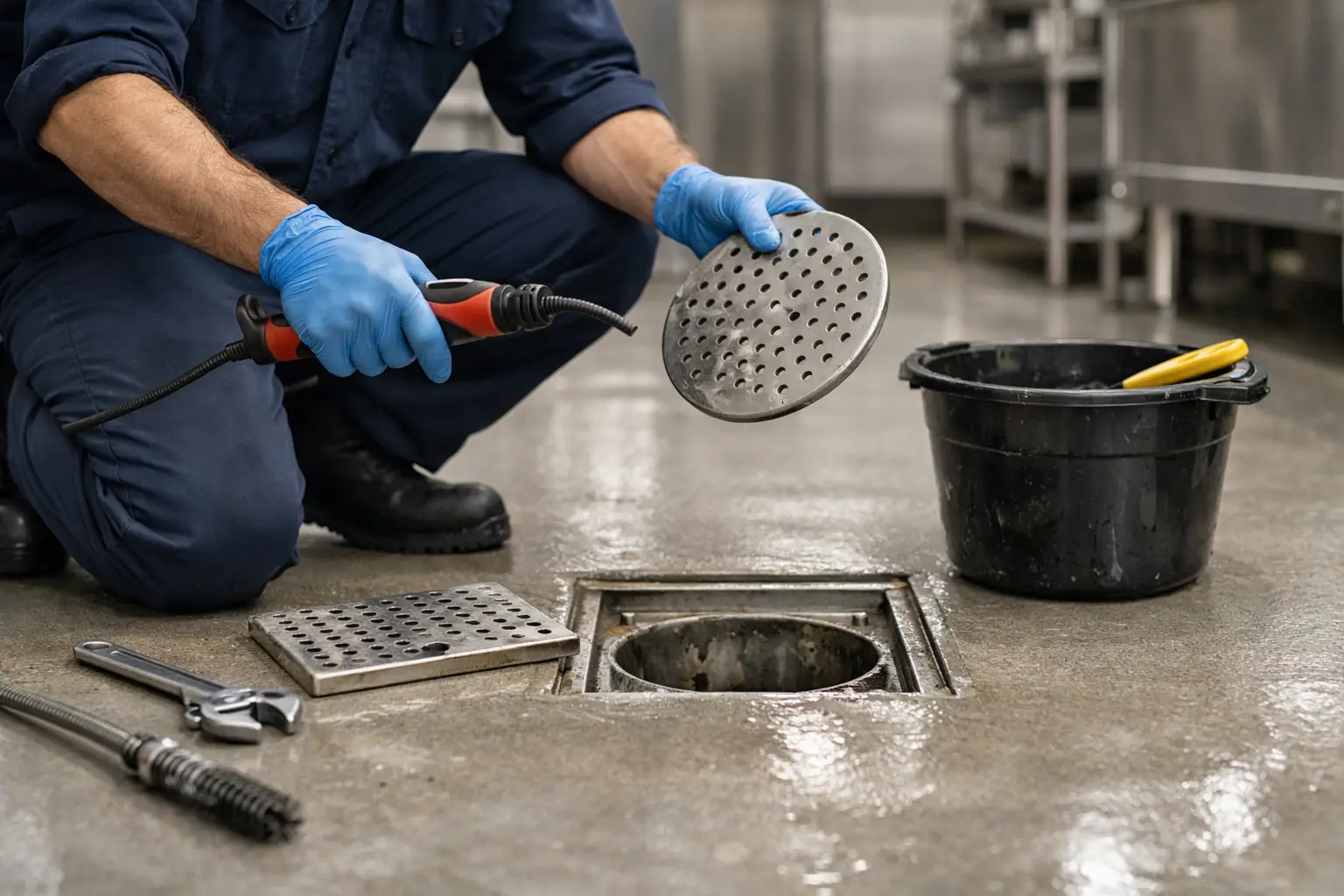
A drain that backs up on a Sunday morning does not need jargon. It needs clearing safely, quickly and in a way that does not leave the same blockage waiting a few metres down the pipe. When weighing up water jetting vs drain snaking, the right choice depends on what is causing the restriction, the condition of the pipe and whether this is a one-off nuisance or a recurring problem.
Drain snaking can be useful for a simple, localised obstruction. High-pressure water jetting is usually the more thorough option for external drains, stubborn build-up and commercial pipework. Neither method is a cure for collapsed pipes, displaced joints or root damage. That is where proper diagnosis matters.
Water jetting vs drain snaking: the key difference
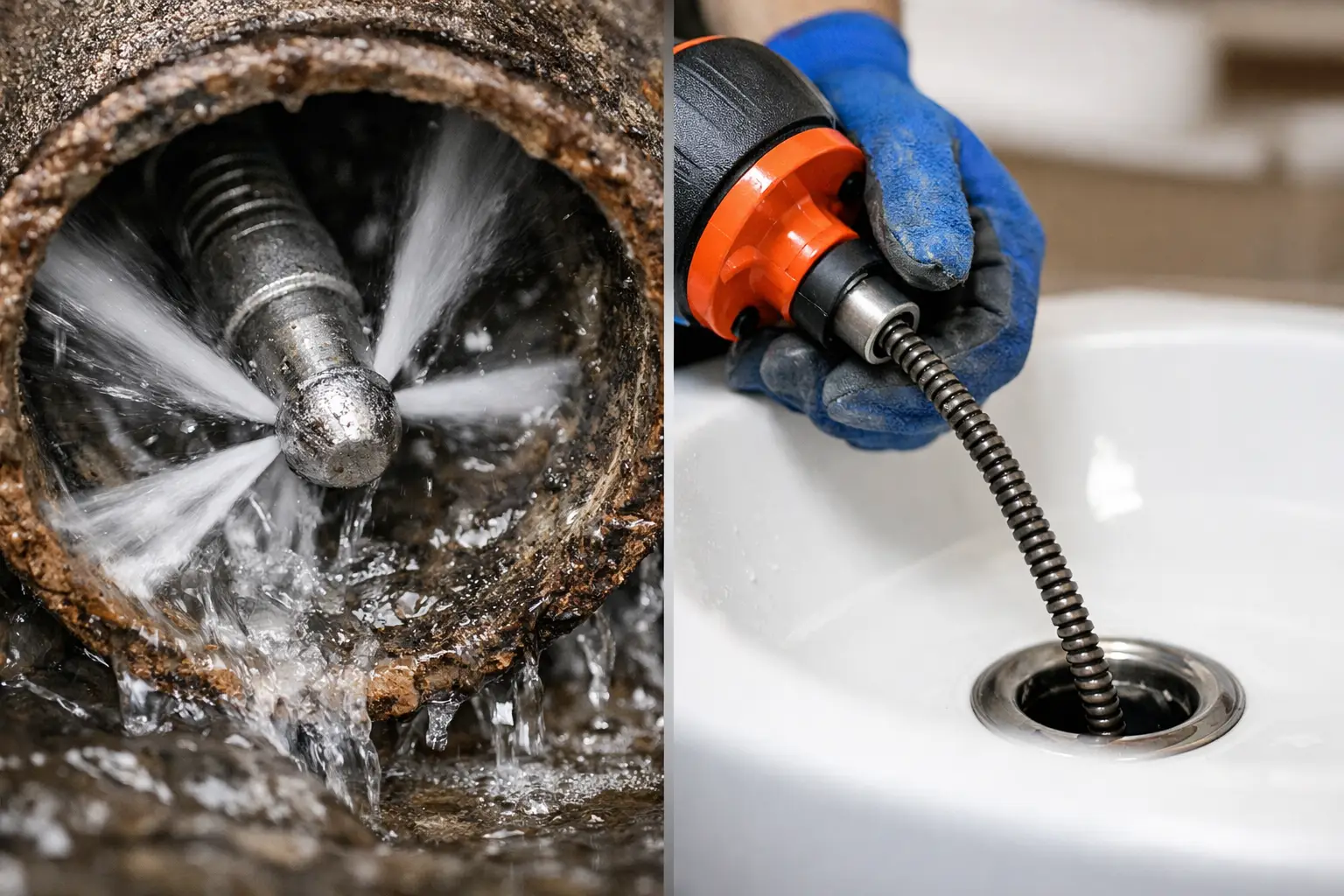
Drain snaking uses a flexible cable or spring, often with a cutting or retrieval head on the end. The operator feeds it through the pipe to break through, pull out or loosen an obstruction. You may also hear it called mechanical rodding or augering, although traditional drain rods are a different tool and are normally used from an access point rather than being powered through the line.
Water jetting uses a specialist hose and nozzle that sends high-pressure water through the drain. Rear-facing jets pull the hose through the pipe while flushing loosened material back towards the chamber. Different nozzle types can deal with grease, silt, scale and root ingress, depending on the pipe and blockage.
The practical difference is simple: a snake creates a path through a blockage, while jetting is designed to clean much more of the pipe wall. If a cable punches a hole through fat, wipes or compacted debris, wastewater may start flowing again. But residue can remain, catch the next load of waste and cause another backup sooner than expected.
When drain snaking is the sensible option
Drain snaking has a place, particularly where access is limited or the blockage is likely to be close to a fitting. A trapped item, a small local obstruction or a blockage in certain internal waste pipes may respond well to the controlled action of a cable.
It can also help identify the feel of an obstruction. An experienced drainage engineer may be able to tell whether the cable has reached soft debris, a hard obstruction or an issue that does not behave like a normal blockage. That said, force is not a substitute for evidence. Driving a cable repeatedly into a damaged or badly offset pipe can make a difficult situation worse.
Snaking is generally less effective when the problem is a long section of grease, scale, silt or fibrous material. It may restore flow without removing enough of the cause. For landlords and commercial premises dealing with repeated blockages, that can mean another call-out, more disruption and higher overall cost.
When high-pressure water jetting is the better answer
Water jetting is often the first choice for blocked external drains, shared runs, gullies and larger-diameter pipework. It is particularly effective where material has built up along the pipe rather than formed one neat plug.
Common examples include cooking fat and food debris from kitchens, soap residue, wet wipes, leaves washed into gullies, silt after heavy rain and scale in older pipework. In commercial settings, regular jetting can form part of planned maintenance, helping kitchens, workshops and managed sites avoid inconvenient closures or sewage backups.
A professional jetting unit gives the operator control over water pressure, flow and nozzle selection. More pressure is not automatically better. Older clay drains, cracked pipework and poorly connected sections need careful handling. The job is to clear the line effectively without causing damage or masking an underlying defect.
Jetting can also tackle fine root growth entering a drain through joints or cracks. It may clear the immediate obstruction, but it cannot seal the entry point. If roots are present, a CCTV drain survey should follow once the pipe is clear enough to inspect. The survey shows whether the long-term answer is root cutting, local excavation or a no-dig repair such as CIPP relining.
What jetting will not fix
A drain can run clear after jetting and still have a serious fault. A collapsed section, a displaced joint, a severe crack or a pipe laid with the wrong fall will continue to cause trouble. Repeatedly clearing that line without investigating the reason is a temporary fix, not a repair.
This is why recurring blockages deserve more than a quick clearance. If the same toilet, gully or drain run blocks every few months, the sensible next step is CCTV inspection. Clear footage allows the engineer to locate the defect, assess its severity and explain the repair options before work begins.
Choosing the right method for your property
The symptoms can point an engineer in the right direction, but they cannot provide a final diagnosis on their own. Slow-draining sinks may suggest fat or soap build-up. Water rising in an outside inspection chamber commonly indicates a blockage further along the run. A bad smell, local damp patch or repeat backup in the same area can suggest damaged underground pipework.
For a straightforward blockage, the decision is usually based on pipe location and what is likely inside it. Snaking may be appropriate for a compact, accessible obstruction. Jetting is normally more effective for a fouled external line or widespread build-up. If access chambers are full, the drain is backing up into the property, or there are signs of structural failure, clearing and camera inspection should be treated as one connected job.
Property age matters too. Many homes across Wolverhampton and the wider West Midlands have older clay drainage systems. These can be durable, but joints may open over time and invite roots or allow sections to move. Newer plastic systems can also suffer from poor installation, crushed sections or building debris left in the pipe after extension work. The right equipment has to be matched to the drain in front of the engineer, not selected from a one-size-fits-all script.
Why DIY drain snakes and chemicals can create bigger problems
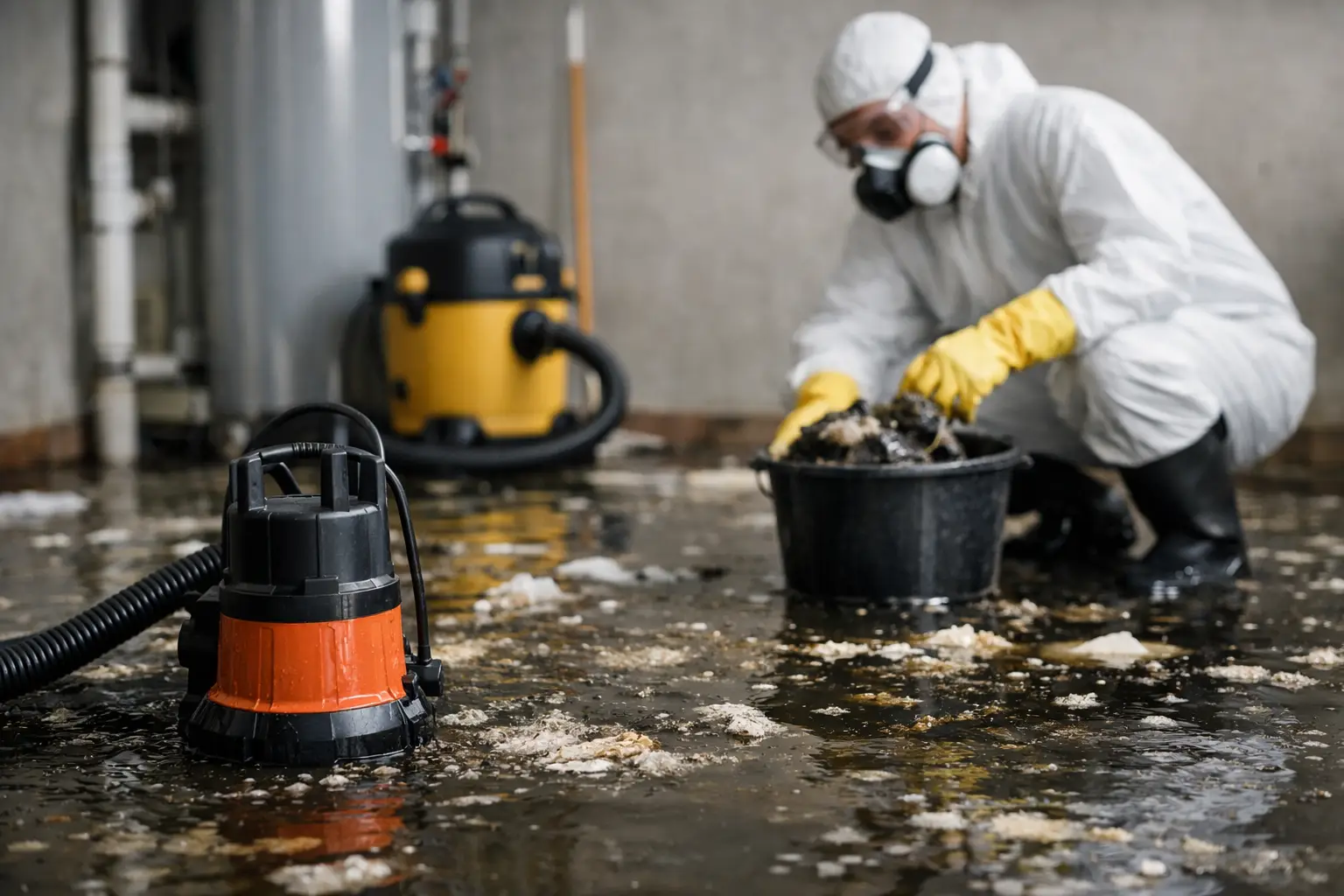
A hand-held drain snake can be useful for a minor blockage in a basin trap, provided it is used carefully. It is not a reliable answer for an external drain or a suspected underground fault. Cables can become stuck, damage fittings or push debris farther into the system. Opening an inspection chamber without the right protective equipment also creates a real hygiene risk.
Chemical drain cleaners are another common false economy. They rarely solve heavy blockages in external drains, can damage certain pipe materials and may leave hazardous chemicals sitting in the system for whoever attends next. If a cleaner has been used, tell the drainage engineer before work starts.
Avoid pouring boiling water, strong chemicals or improvised tools into a drain that is already backing up. They may make the mess more dangerous without removing the cause.
A diagnosis-led approach saves repeat call-outs
The best drainage work follows a clear order: make the area safe, establish where the blockage sits, clear it using the appropriate method, then inspect where the symptoms suggest a fault. The customer should know what has been found, what has been done and whether any further work is genuinely needed.
At West Midlands Drainage, that means using professional jetting and CCTV equipment where it will provide a proper answer, rather than offering a quick clearance and hoping the problem stays away. For urgent issues, a rapid response matters. For repeat issues, evidence and a durable repair matter just as much.
Ask what caused the blockage and whether the pipe was inspected after clearance. A clear, honest answer can be the difference between one well-handled visit and the same drain ruining another weekend.