A recurring blocked drain is rarely just bad luck. If the same gully, toilet or kitchen waste pipe keeps backing up after clearing, there may be a crack, displaced joint or root intrusion underground. Drain relining can repair many of these faults from inside the pipe, avoiding the disruption of digging up a drive, garden, patio or commercial forecourt.
It is not a shortcut and it is not right for every damaged drain. Done after a proper CCTV inspection and thorough clean, however, it is a durable no-dig repair that can restore a damaged pipe’s condition without replacing the whole run.
What is drain relining?
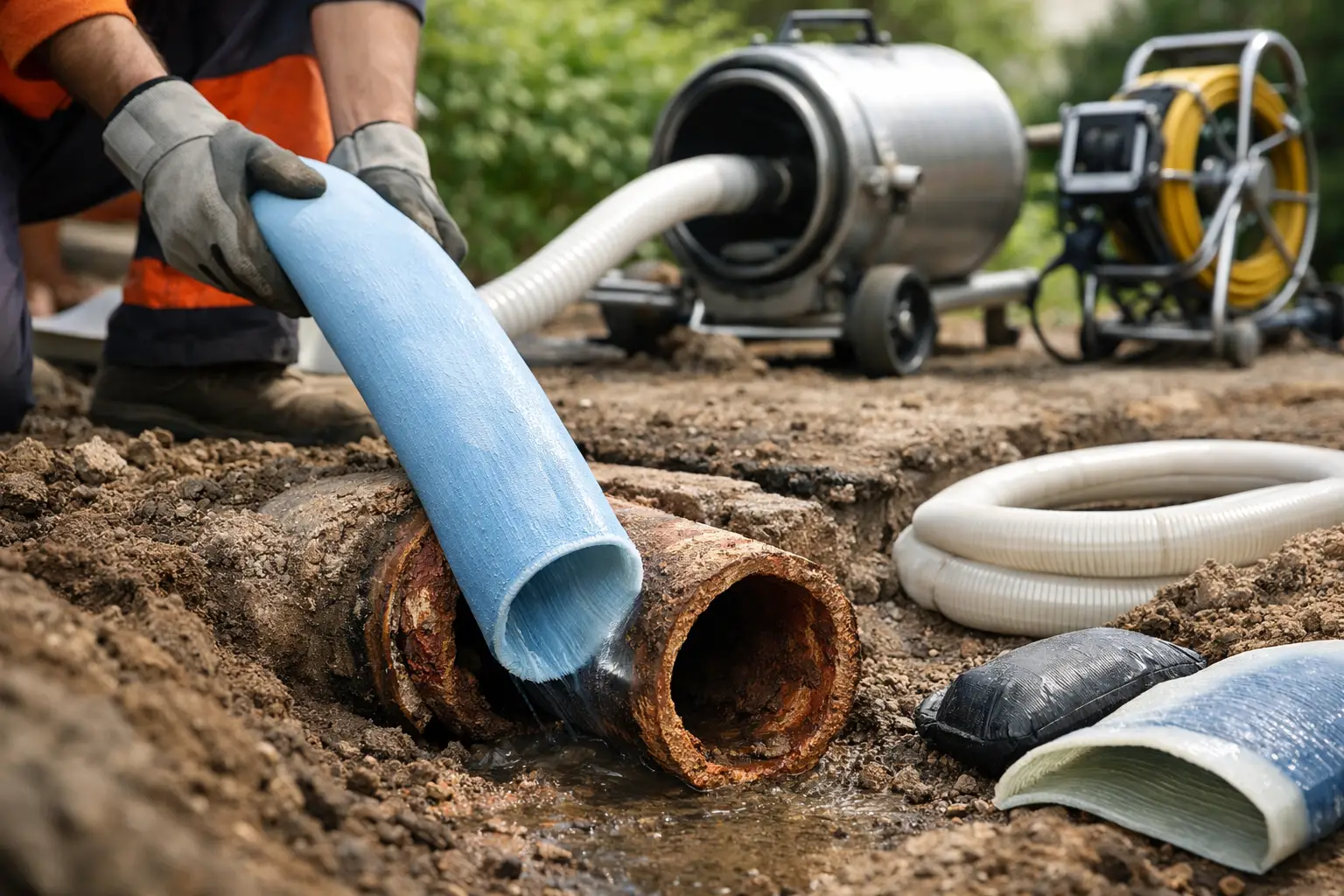
Drain relining is a trenchless repair method, most commonly using cured-in-place pipe lining, often called CIPP. A flexible liner is cut to the required length, saturated with resin and installed inside the existing drain. Once it has been positioned and cured, the resin forms a new, smooth pipe within the original pipe.
The result is a continuous internal sleeve that seals cracks, covers failed joints and creates a barrier against root ingress. It is typically installed through an existing access point, manhole or inspection chamber, so there is often no need to excavate along the damaged section.
This matters where a drain runs beneath expensive hard landscaping, a building extension, a public footpath or a busy operational area. Excavation is sometimes unavoidable, but it should not be the default answer before the pipe has been inspected properly.
When is drain relining the right repair?
Relining is often suitable for pipes affected by cracking, minor fractures, leaking joints, root ingress and localised wear. It can also be a sensible option where an older clay pipe has several small defects across one accessible length.
Roots are a common cause of repeat blockages across the West Midlands, especially where mature trees and older clay drainage meet. Cutting roots out with high-pressure water jetting can get the drain flowing again, but it does not close the gap that allowed the roots in. A liner can seal that route and reduce the likelihood of the problem returning.
A CCTV drain survey is the starting point. It shows the condition of the pipe, identifies the exact location of the issue and confirms whether the line has enough structural integrity to accept a liner. It also prevents money being spent on a repair that will not deal with the real cause.
Faults that may need excavation instead
A liner cannot correct every defect. If a pipe has collapsed, is badly misshapen, has a major offset joint, or has lost its proper fall, excavation and replacement may be the more reliable option. The same applies where the pipe is too badly obstructed to clean or where access is not possible.
There is a small reduction in the pipe’s internal diameter after relining. In most domestic and commercial drainage systems this is not an issue, as the finished liner has a smooth internal surface. Still, the pipe size, number of bends and expected flow must be assessed before work begins.
An honest diagnosis should explain both options. No-dig repair can save substantial disruption, but it should never be sold as a cure for a pipe that is structurally beyond repair.
How the drain relining process works
The work begins with a CCTV survey. The camera records the pipe condition and helps measure the damaged section accurately. For landlords, commercial sites and property buyers, the footage can also provide useful evidence of the defect and the completed repair.
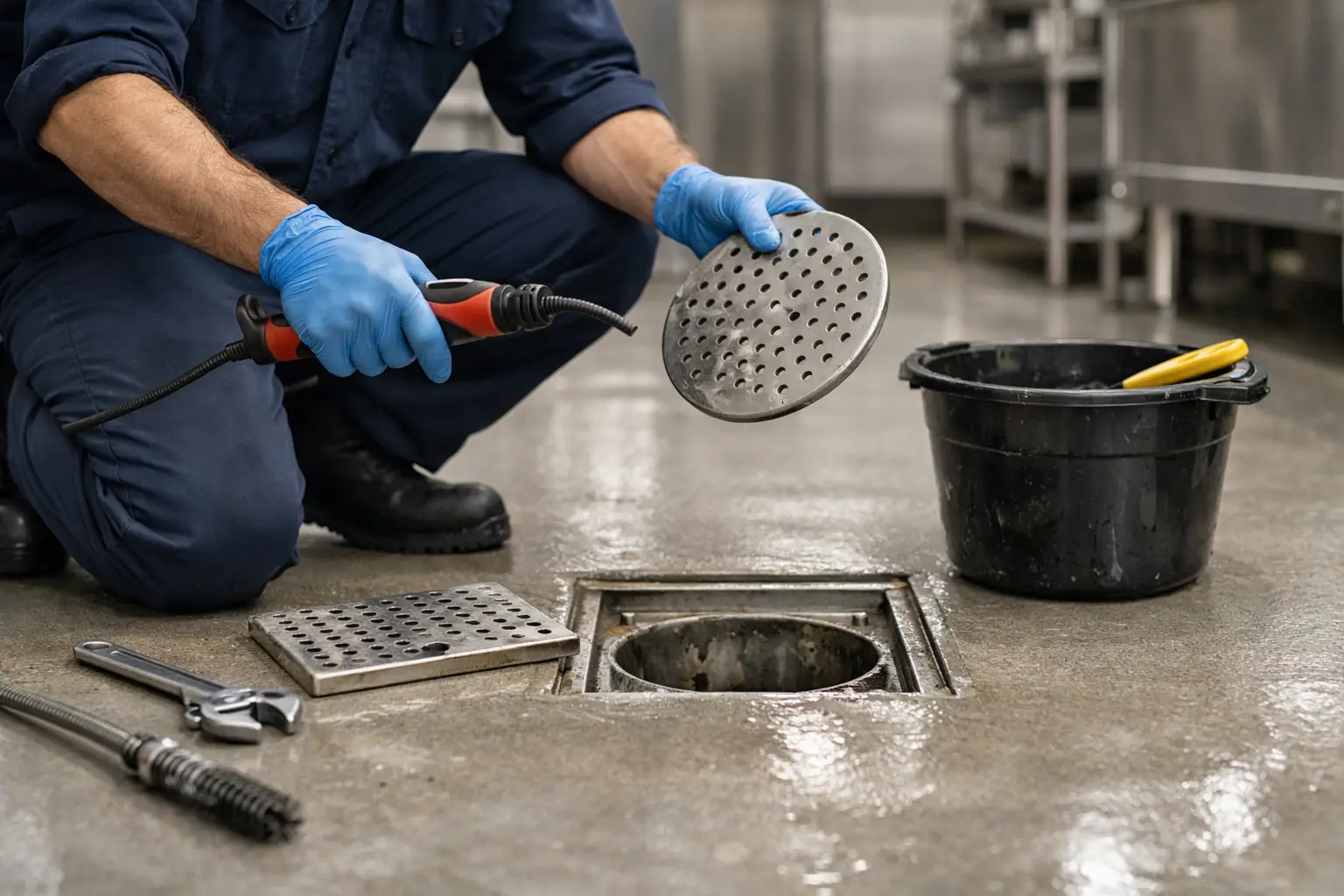
The drain is then cleaned. High-pressure water jetting removes scale, grease, loose debris and roots so the liner can bond correctly to the pipe wall. If there is a blockage, this step is essential. Installing a liner into a poorly prepared drain risks trapping defects and reducing the quality of the repair.
Next, the resin liner is prepared and inserted through the chosen access point. It is inflated or held in place against the inside of the existing pipe while the resin cures. Depending on the system used, curing may be aided by ambient conditions, hot water, steam or UV equipment.
Once cured, the lining equipment is removed and any branch connections are reinstated. A final CCTV inspection checks that the liner is smooth, correctly positioned and open at all required connections. You should receive a clear explanation of what was found, what was repaired and any recommendation for the remaining drainage system.
For a straightforward localised repair, the process can often be completed in a day. Larger commercial systems, multiple sections or difficult access may take longer, but the disruption is still usually far lower than opening up the ground.
The real benefits of a no-dig repair
The main advantage is avoiding unnecessary excavation. That means less mess, less reinstatement work and less interruption to homes, tenants, customers or staff. A pipe running under block paving may otherwise require lifting and relaying a large area just to reach one damaged joint.
Relining also creates a jointless internal surface across the repaired section. This can improve flow and remove the gaps where roots commonly enter older pipes. Because the original pipe remains in place as the host structure, there is no need to remove spoil or install a full replacement line where the damage is limited.
For commercial property operators, the reduced downtime can be just as valuable as the physical repair. A drainage problem beneath a car park, service yard or shop floor can affect access and trading. A planned no-dig repair can often be arranged around site operations following a proper survey.
The trade-off is that relining requires specialist equipment, trained operatives and sound preparation. A low price that skips CCTV diagnosis, cleaning or post-repair inspection is not good value if the fault returns.
What affects the cost of drain relining?
There is no responsible fixed price for every lining job. The cost depends on the length and diameter of the pipe, the type and extent of the damage, access to manholes, the number of junctions to reinstate and how much cleaning is needed first.
A short patch liner may be appropriate for one isolated crack or failed joint. A full-length liner is more suitable where defects appear along a longer section. These are different repairs with different material and labour requirements, so they should not be priced as though they are the same.
Before approving work, ask for the CCTV findings in plain English. You should know whether the recommendation is for a patch repair, a full liner or excavation, why that method is suitable, and whether the quotation includes cleaning, reinstating connections, final camera checks and a written guarantee.
For insurance-related damage, good survey footage and a detailed report can make the issue easier to evidence. Insurers may have their own requirements, so it is sensible to check before authorising non-emergency repairs.
Signs you should arrange a CCTV survey
A single blockage can be caused by grease, wipes or debris. Repeated problems deserve a closer look, particularly if they follow jetting or rodding. Arrange a CCTV survey if you notice recurring backups, slow drainage across more than one fixture, smells around external drains, visible root growth in a chamber, damp ground near a drainage run or unexplained subsidence near the property.
Buyers and landlords can also benefit from a survey before a purchase, after a tenant reports repeated blockages, or before major landscaping and extension work. Finding an ageing drain before it fails under a new patio or building can prevent a much more expensive repair later.
Choosing a contractor for drain relining
The quality of the repair depends on diagnosis and installation, not simply on having a liner in the van. Choose a drainage specialist that can inspect, clean, repair and verify the same system, rather than guessing at the fault from the surface.
Ask whether the contractor uses CCTV before and after the repair, whether the price is clear about what is included, and what guarantee is provided. Relevant safety and industry accreditations also matter, especially on commercial premises where work must be planned around site rules and access requirements.
West Midlands Drainage approaches relining as part of a diagnosis-led repair, not a replacement for proper investigation. If excavation is the better answer, that should be explained plainly before work starts.
If a drain keeps causing trouble, do not settle for another temporary clear-out without understanding why. A camera survey can show whether a targeted liner will protect the pipe and your property, or whether a more substantial repair is the sensible route.