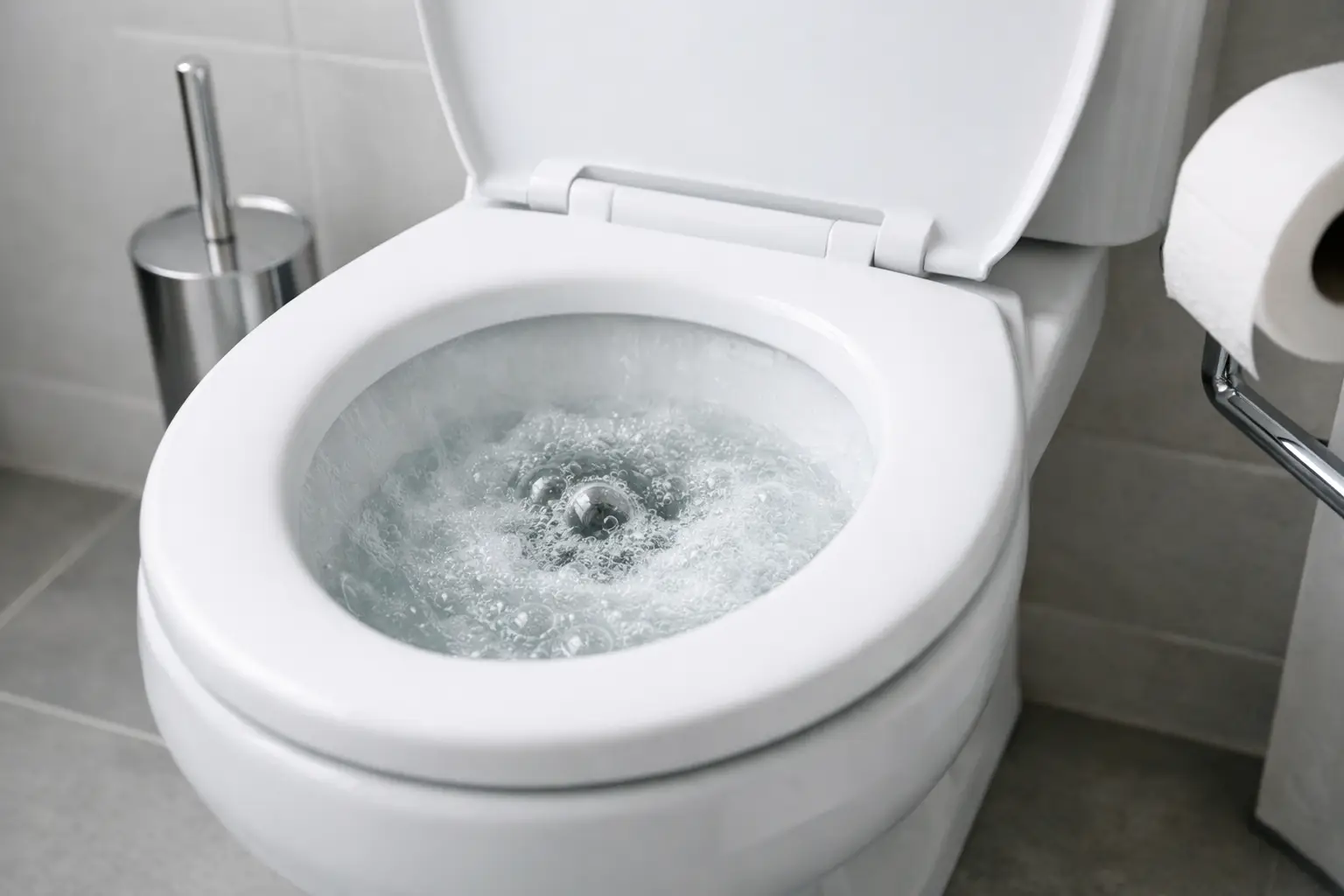
A toilet that gulps, bubbles or makes a glugging noise after the flush is not simply being noisy. Toilet gurgling after flushing usually means air is being forced through water where it should not be. In many cases, that points to restricted drainage, poor venting or a developing problem further along the pipework.
If the bowl is also slow to empty, the water level rises before dropping, or other fittings are affected, act early. A partial blockage can become a full backup with very little warning, particularly in shared soil pipes or older properties.
Why a toilet gurgles after flushing
Your drainage system needs two things to work properly: a clear route for waste water and enough air to balance pressure in the pipes. When waste travels down the soil pipe, it displaces air. That air should escape through the vent stack, normally the vertical pipe that terminates above roof level.
If the pipe is partly blocked or the vent cannot draw air properly, the system looks for another route. It may pull air through the toilet trap or force it back through the bowl, creating the gurgling sound. The noise itself is not usually the main fault. It is a useful warning that the drainage system is under pressure.
A single, brief gurgle can occasionally follow a large flush without indicating a serious issue. Repeated noises, changing bowl levels or problems at more than one appliance need investigation.
The most likely causes
A partial blockage in the toilet or branch pipe
Toilet paper buildup, wipes, sanitary products, excess tissue, foreign objects or scale inside older pipework can restrict the flow without stopping it completely. Waste still gets through, but the narrowing disrupts airflow and creates pressure changes. This is a common cause where the toilet gurgles but has not yet fully blocked.
A plunger may help if the restriction is close to the pan. It is less likely to solve a blockage beyond the toilet connection, under the floor or in an external drain. Repeatedly plunging a problem that keeps returning can delay the proper diagnosis.
A blockage in the outside drain
If the toilet gurgles and a bath, shower, sink or washing machine also drains slowly, the issue may be further downstream. A shared external drain can become restricted by fat, wipes, silt, scale, roots or a collapsed section of pipe. In terraced houses, converted properties and commercial premises, more than one appliance may feed the same run.
Check any accessible inspection chamber carefully. If it is full, standing water is visible, or waste is sitting above the channel, stop using water where possible. Do not lean into the chamber or try to clear a serious blockage with improvised tools. The backup can move quickly once pressure changes.
A blocked or faulty soil vent pipe
A soil vent pipe lets air into and out of the drainage system. Leaves, nesting material, debris or damage at the top of the stack can interfere with this. In some properties, alterations to bathrooms, loft spaces or extensions have also left pipework poorly vented.
Vent faults are harder to confirm from ground level and should not be treated as a reason to climb onto a roof. A drainage engineer can assess the system safely, check for restrictions and establish whether the issue is a blocked vent, incorrect pipework or a deeper drain fault.
Drain damage, root ingress or poor pipe falls
When gurgling is recurrent, particularly after heavy rain or at an older property, there may be a structural issue underground. Tree roots can enter through displaced joints. Ground movement can leave a pipe cracked, offset or partly collapsed. Poor installation can also create a section with insufficient fall, allowing solids to settle instead of travelling freely to the sewer.
These faults cannot be confirmed by guesswork. A CCTV drain survey shows the condition of the pipe from the inside and identifies the exact location of roots, fractures, displaced joints or standing water. That matters because clearing the immediate obstruction without repairing the cause may only buy a short period of relief.
Signs the problem is becoming urgent
Gurgling is more concerning when it appears alongside other drainage symptoms. Watch for a foul smell from the toilet, water rising unusually high in the bowl, a low bowl water level after flushing, slow drainage elsewhere, bubbling in the bath or shower, or waste water coming up through a gulley or drain cover.
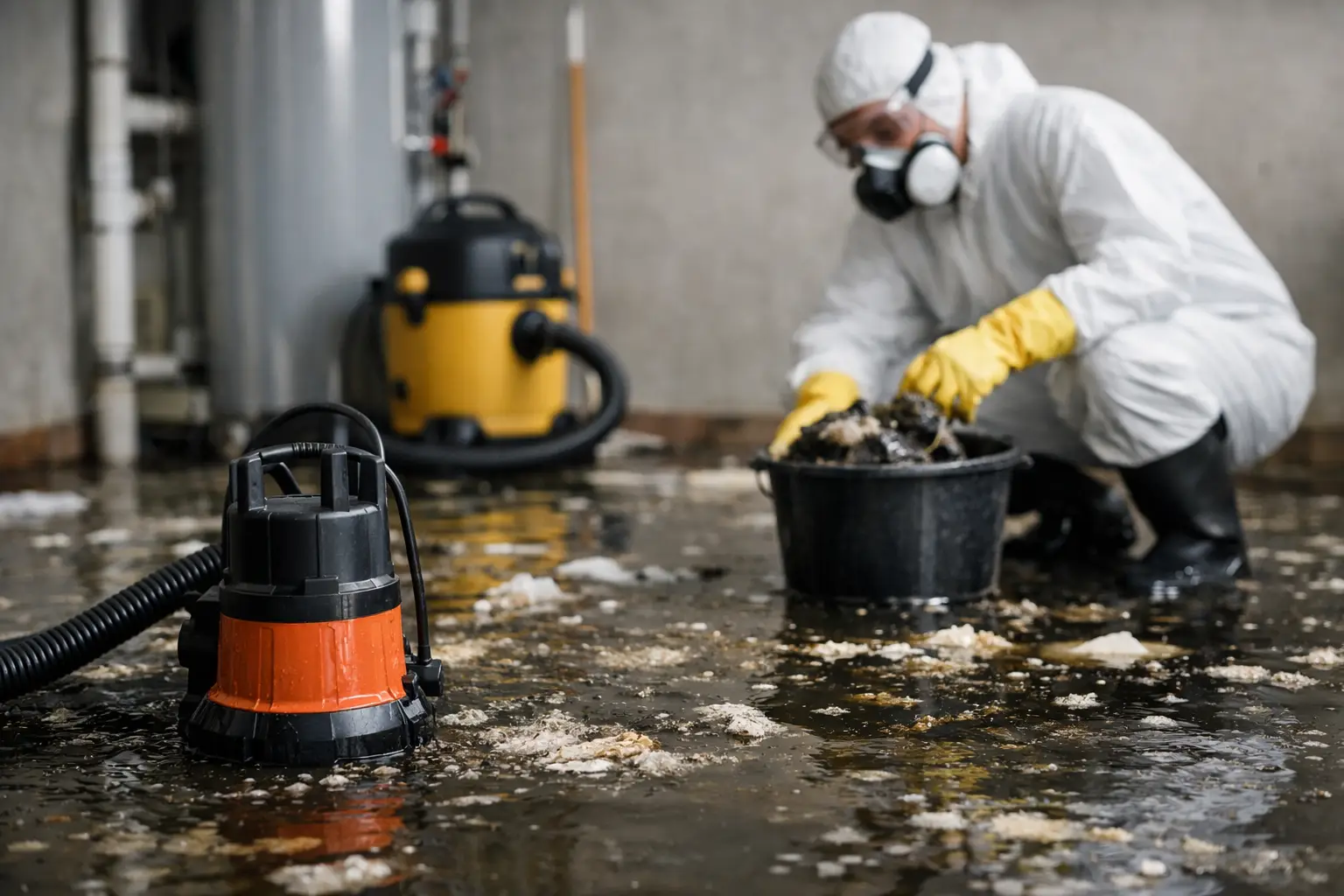
If sewage is backing up into the property, keep people and pets away from the affected area, avoid using toilets, taps, showers and appliances that discharge water, and arrange urgent professional help. Sewage carries contamination risks and can damage flooring, finishes and stock in commercial premises.
For landlords and facilities managers, it is worth treating repeated reports from occupants as a maintenance issue rather than a one-off nuisance. A recurring gurgle can be the early sign of a shared stack or drain problem that affects several flats, units or washrooms.
What you can safely check before calling someone
Start by noting what happens when you flush. Does the bowl fill higher than normal? Does the gurgle happen every time? Are nearby sinks, showers or baths slow? These details help narrow down whether the restriction is local to the toilet or further along the system.
If the toilet is not overflowing, a proper toilet plunger can be used gently to try to clear a local obstruction. Ensure there is enough water in the bowl to cover the plunger cup, create a seal, and use steady pushes and pulls. Stop if the water level continues to rise.
You can also check accessible outside gullies and inspection chambers for obvious standing water, but only from a safe position. Take care around covers, which may be heavy or damaged. Do not pour boiling water, bleach, caustic drain cleaner or chemical unblocker into a gurgling toilet. These products rarely remove a solid obstruction in the main drain, can damage fittings and pipework, and make the job more hazardous for the person clearing it.
Avoid flushing more paper to “test” the system. If there is a developing blockage, each flush adds more material and increases the risk of an overflow.
How a professional drainage diagnosis works
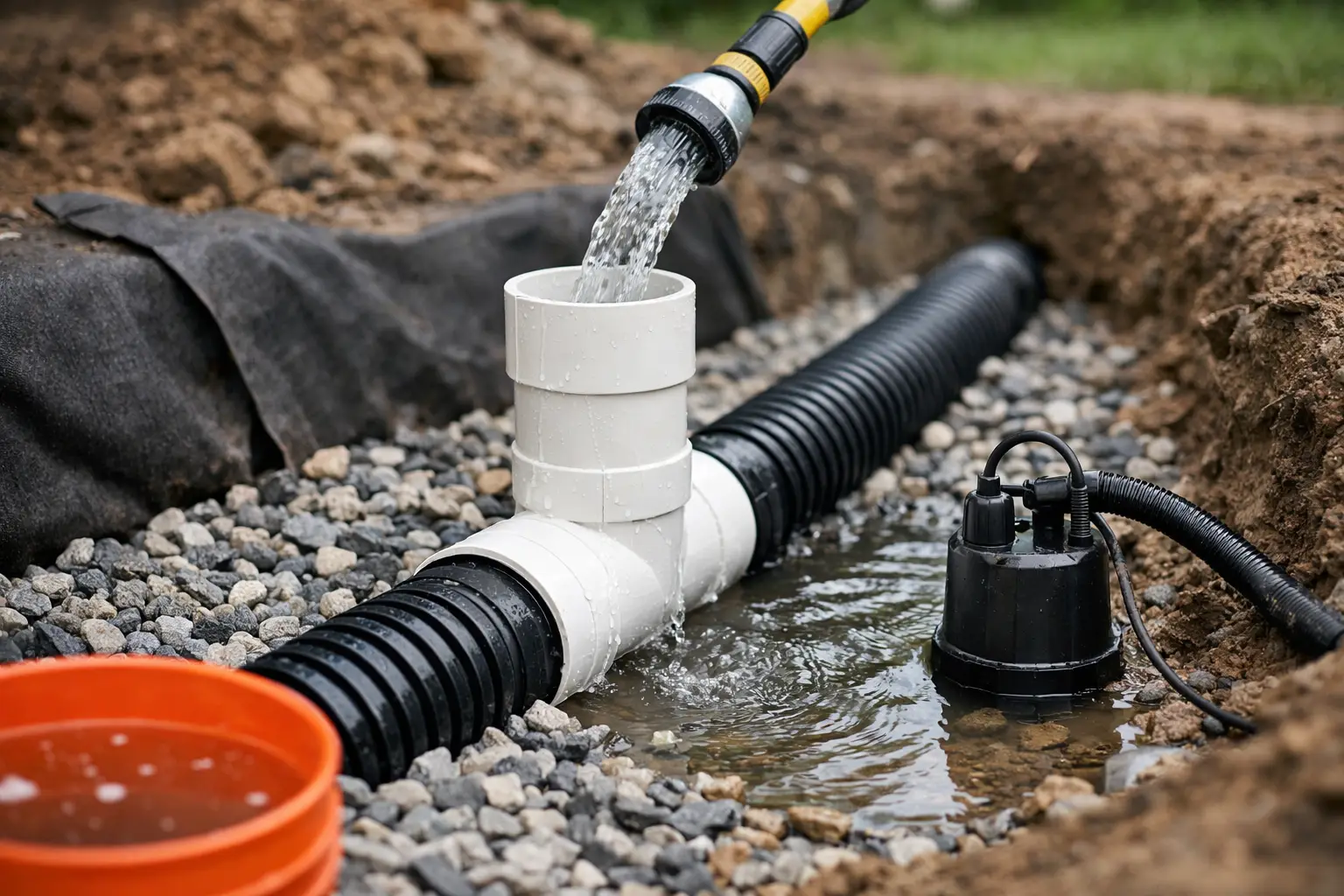
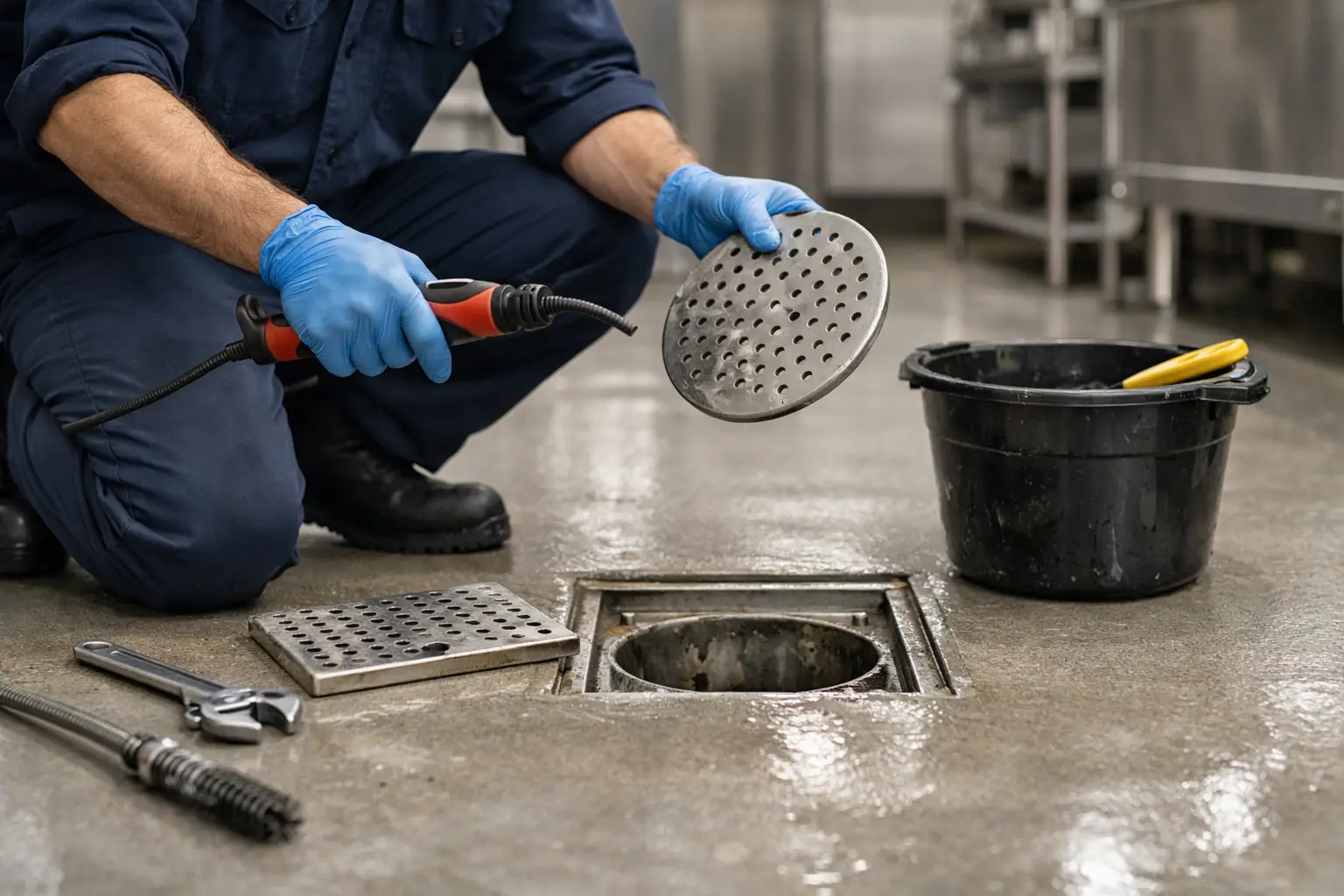
The right method depends on where the fault sits. A local toilet blockage may be cleared with specialist equipment designed for internal waste pipes. A blocked external drain may require high-pressure water jetting to cut through deposits, remove debris and restore flow along the run.
Where the problem is recurrent or the cause is unclear, CCTV inspection is the sensible next step. A camera survey can identify whether the pipe is clear after jetting and reveal defects that cannot be seen from above ground. It also prevents unnecessary excavation or repeated call-outs based on assumptions.
If a pipe is damaged, the repair may not always mean digging up a driveway, floor or garden. In suitable conditions, no-dig CIPP relining can form a new pipe lining inside the damaged section. Excavation is sometimes still the correct option, especially where a pipe has collapsed badly or needs rerouting, but a diagnosis-led approach gives you a clear reason for the recommended work and its likely lifespan.
West Midlands Drainage deals with both urgent blockages and recurring drainage faults across Wolverhampton and the wider region, using jetting and CCTV equipment to identify the root cause rather than offering a temporary clear-out.
When to call a drainage engineer
Call promptly if gurgling is repeated, if several fixtures are affected, or if you can see standing water in an inspection chamber. The same applies if the toilet has backed up before, the property has mature trees near the drain route, or you are buying a home with signs of historic drainage trouble.
For a single minor gurgle with no slow drainage or smells, monitor the toilet over the next few uses. But once the sound becomes regular, it is generally cheaper and less disruptive to investigate before the system blocks completely. A clear explanation, the right equipment and a lasting repair beat waiting for a dirty emergency at the worst possible time.