A cracked drain under a drive, patio or extension can sound like an expensive mess before anyone has even lifted a slab. That is usually when people ask, what is CIPP drain lining, and whether it is a proper repair or just a short-term patch. The short answer is that it is a no-dig method of repairing damaged pipework from the inside, creating a new lining within the existing drain without the need to excavate the full run.
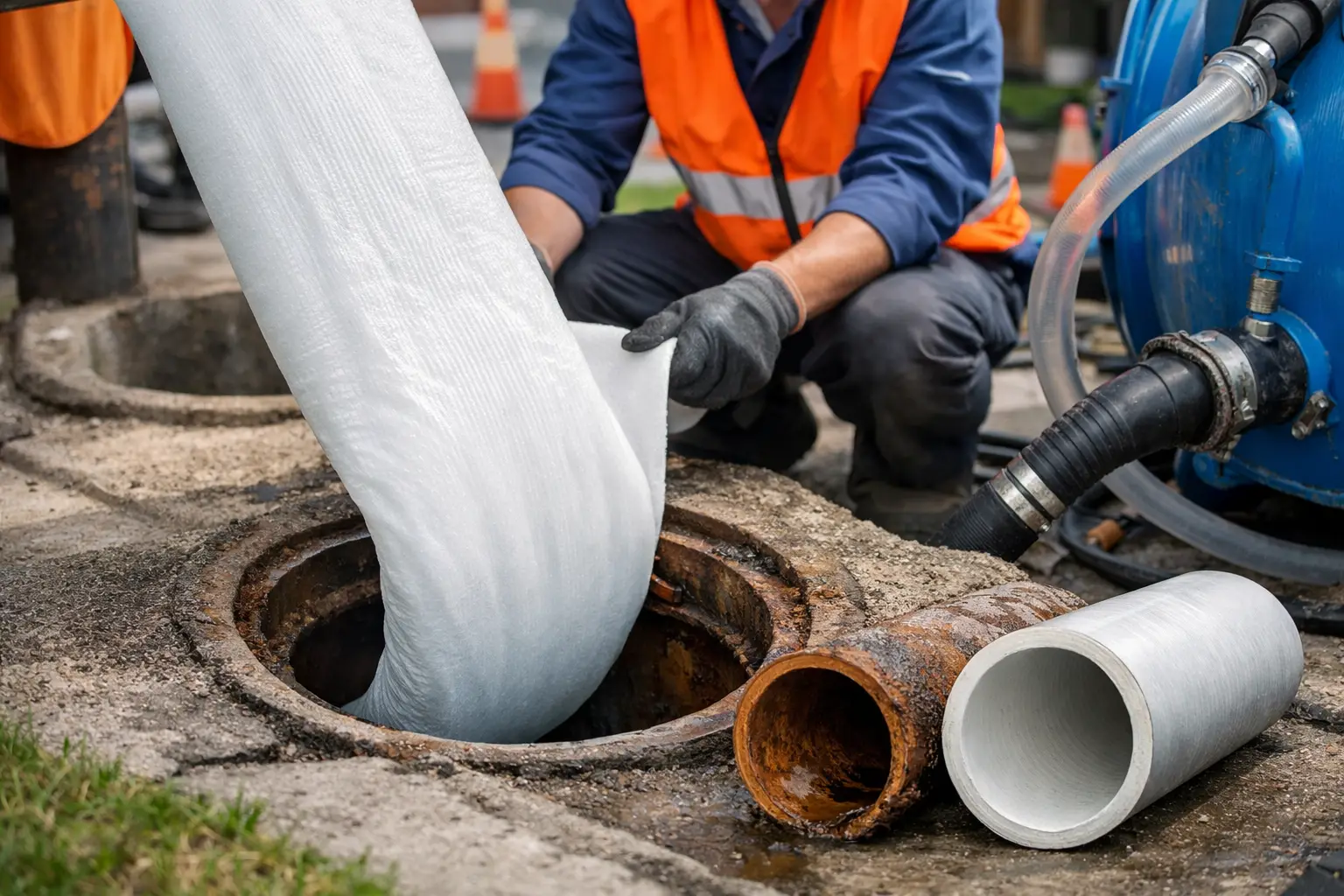
CIPP stands for cured-in-place pipe. In simple terms, a flexible liner soaked in resin is inserted into the damaged section of pipe, positioned accurately, then inflated so it bonds to the inside wall. Once the resin cures, it hardens into a durable new pipe lining. The result is a smooth, jointless inner surface that restores the drain and helps prevent further leaks, root ingress and snagging.
What is CIPP drain lining used for?
CIPP drain lining is used to repair drains that are damaged but still structurally suitable for relining. That often includes cracks, small fractures, displaced joints, minor holes, root intrusion and wear caused by age. It is commonly used on foul drains, surface water drains and some internal pipe runs where access is limited and digging would be costly or highly disruptive.
For homeowners, that might mean avoiding the upheaval of breaking out a driveway or disturbing landscaped gardens. For landlords and commercial sites, it can mean keeping disruption to tenants, staff or customers to a minimum. It is not only about saving money. In many cases, it is about getting a durable repair carried out quickly and cleanly.
That said, relining is not the answer to every drainage problem. If a pipe has collapsed, lost its shape badly, or has major sections missing, excavation and replacement may still be the right call. A proper CCTV survey matters because it shows whether the pipe can be lined at all and what condition the rest of the run is in.
How CIPP drain lining works
The process starts with diagnosis, not guesswork. A drainage engineer will usually inspect the pipe internally with CCTV to identify the location, extent and type of defect. There is no point relining the wrong section or lining over heavy debris, scale or roots without preparing the pipe first.
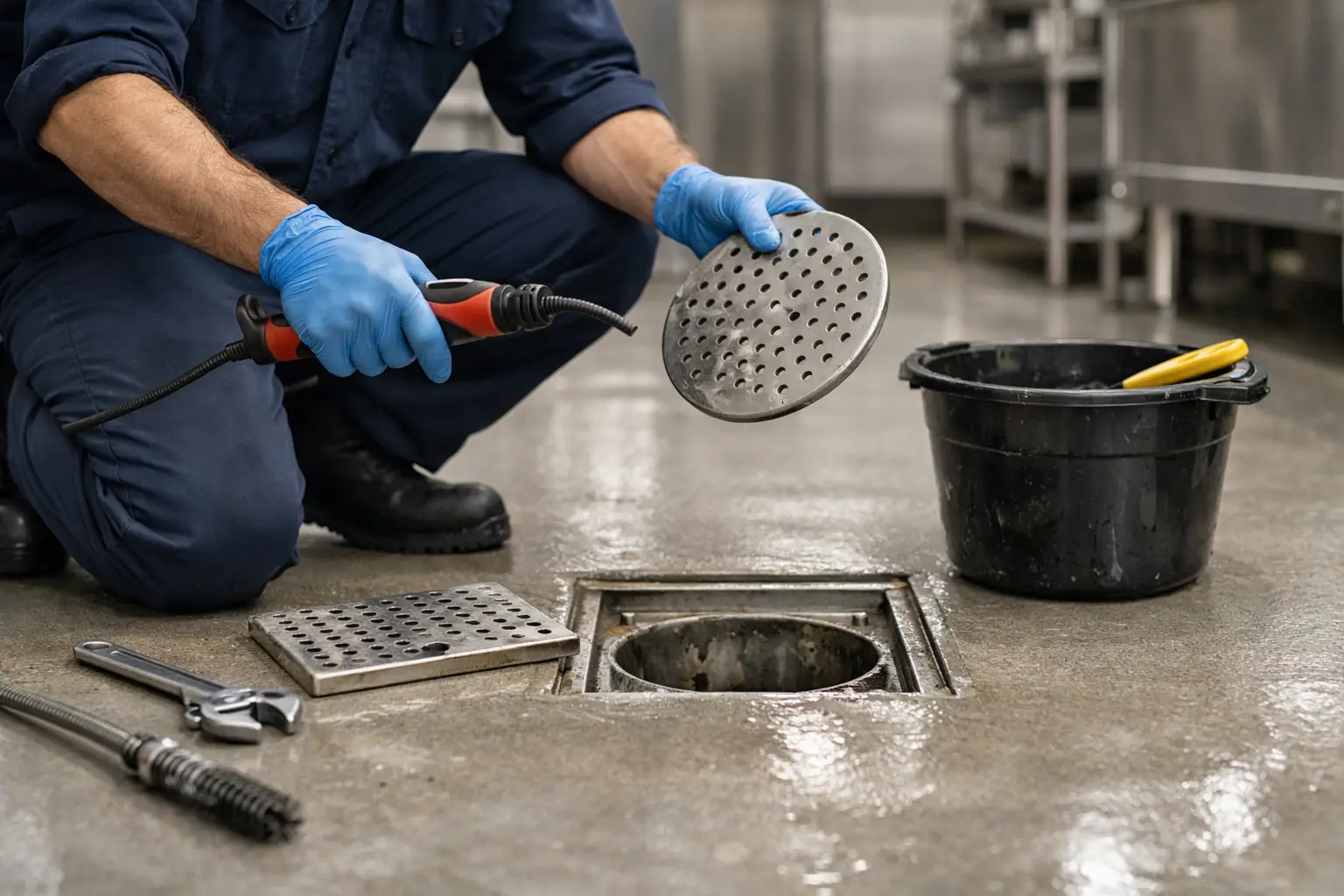
Once the damage has been confirmed, the drain is thoroughly cleaned. High-pressure water jetting is commonly used to remove grease, silt, loose deposits and obstructions. If roots are present, they may need cutting out before the liner goes in. Clean preparation is one of the parts that makes the difference between a repair that lasts and one that causes trouble later.
The liner itself is then prepared. This is a textile or felt-like tube impregnated with resin. It is inserted into the drain through an existing access point such as a manhole or rodding eye, then inflated or inverted into place so it sits tightly against the inside of the old pipe. The engineer makes sure it covers the full damaged area with the correct overlap.
The resin is then cured, either at ambient temperature, with hot water, steam or UV light depending on the system being used. As it cures, the material hardens and forms a strong internal pipe within the old one. Once curing is complete, the liner is trimmed at each end and any laterals or junctions are reopened with specialist cutting equipment if needed. A final CCTV inspection confirms the repair has been installed correctly.
Why homeowners and businesses choose it
The main reason people choose CIPP relining is simple. It avoids unnecessary digging. If a damaged drain runs beneath a building, driveway, paved area or finished garden, excavation can quickly become the most expensive and disruptive part of the job. Relining can often deal with the problem from existing access points.
There is also the issue of time. A traditional excavation repair may involve locating the fault, digging down, removing spoil, replacing the pipe, reinstating the surface and managing access while the work is underway. With CIPP, many repairs are completed much faster, which matters when drainage issues are affecting a home, rental property or business premises.
Another benefit is the finished surface inside the drain. Because the new liner is smooth and jointless, waste flows more freely and there are fewer places for debris or roots to catch. That can improve performance, especially in older systems where joint defects have started to cause recurring blockages.
What are the limitations?
No decent drainage company should pretend that one method suits every pipe. CIPP drain lining works well in the right conditions, but there are trade-offs.
First, the internal diameter of the pipe is reduced slightly because a liner is being installed inside the original drain. In most domestic and commercial situations this is not a problem, but it still needs to be considered, especially in smaller pipe sizes or systems with known capacity issues.
Second, relining follows the shape of the existing pipe. If the drain has serious deformation, a full collapse or a severe backfall, lining may not solve the underlying issue. It can reinforce and seal a pipe, but it cannot magically rebuild a drain that has failed beyond recovery.
Third, the quality of the result depends heavily on the survey, cleaning and installation. Poor preparation can leave defects behind or stop the liner bonding properly. That is why diagnosis-led work matters. A proper contractor should explain what they have found, what method they recommend, and why.
When is CIPP drain lining the best option?
It is often the best option when the pipe is damaged in a localised or moderate way but still retains enough shape to be lined. It is particularly useful where excavation would involve lifting concrete, disrupting occupied buildings, removing fitted surfaces or working around utilities.
It is also a sensible choice for recurring issues where the root cause has been identified as cracked joints, root ingress or minor fractures rather than simple blockage. If a drain keeps backing up because the pipe wall is defective, repeated unblocking alone will not fix it. Lining deals with the condition of the pipe itself.
For property buyers, a CCTV survey may reveal defects that need attention before purchase or shortly afterwards. In those cases, CIPP can provide a practical repair route without turning a straightforward transaction into a major building job.
What does the process feel like for the customer?
From the customer side, the job is usually far less disruptive than people expect. There is still work involved, and access is needed, but it is generally contained and efficient compared with excavation. A good drainage team will explain the findings clearly, talk through the repair plan and give a transparent price before work starts.
That clarity matters because drainage problems tend to appear when people are already under pressure. A blocked or damaged drain can affect toilets, sinks, showers, tenants, customers or an upcoming house move. The last thing anyone wants is vague advice or hidden extras halfway through the job.
This is where experience and equipment make a real difference. A contractor with proper CCTV capability, jetting equipment and no-dig repair expertise can usually move from diagnosis to solution far more quickly than someone relying on trial and error.
How long does CIPP lining last?
A properly installed CIPP liner is designed as a long-term repair, not a stop-gap. The exact lifespan depends on the pipe condition, the environment, usage and the lining system used, but it is widely regarded as a durable solution when installed correctly.
That is why guarantees and workmanship standards matter. If you are comparing options, do not just ask whether a company offers lining. Ask how they assess suitability, how they prepare the drain, what warranty is provided and whether the repair will be confirmed by post-installation CCTV.
West Midlands Drainage carries out diagnosis-led drain repairs because the aim is to solve the problem properly, not create another call-out a few weeks later. That approach matters just as much with no-dig repairs as it does with unblocking or full pipe replacement.
What is CIPP drain lining really worth?
Its value is not only in the technology. It is in avoiding unnecessary damage to the property while still ending up with a sound repair. If the alternative is excavating through a finished floor, a car park, a driveway or a landscaped garden, relining can offer a very sensible balance of cost, speed and durability.
Still, the right answer depends on the drain in front of you, not on a sales pitch. Some systems are ideal for relining. Some need patch repairs. Some need excavation. The only reliable way to know is to inspect the drain properly and base the repair on what is actually there.
If you are dealing with recurring blockages, foul smells, slow drainage or signs of a damaged underground pipe, it is worth getting the line checked before the problem gets worse. A clear diagnosis now is often the difference between a straightforward repair and a far bigger job later.