If you have been told your pipe can be lined rather than dug up, your first question is usually the right one – what is the drain relining cost UK property owners should expect? The honest answer is that it varies quite a bit, because the price depends less on a simple metre rate and more on what is actually wrong with the pipe, where it sits, and how cleanly the repair can be carried out.
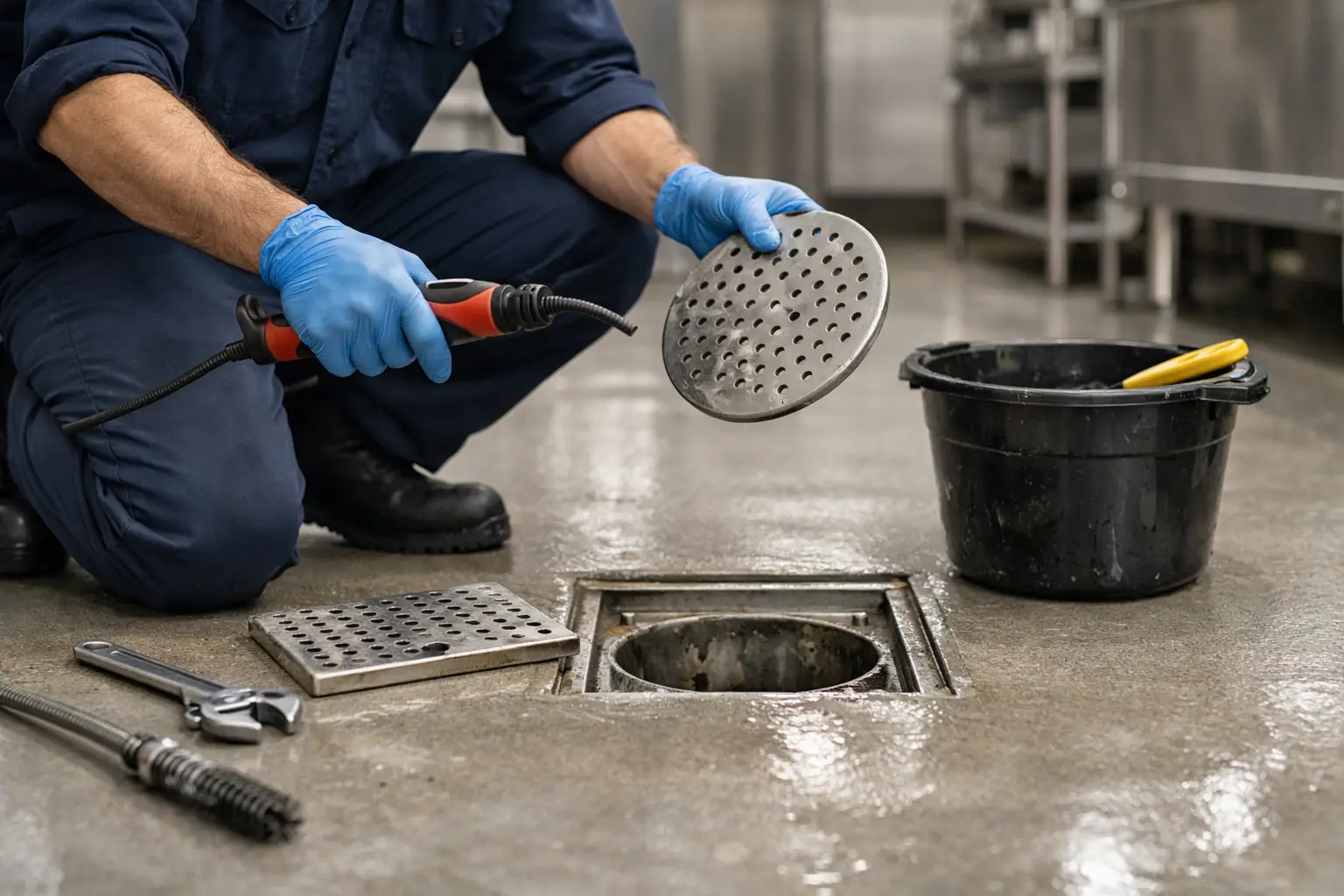
That is why any reliable quote should start with diagnosis, not guesswork. A proper CCTV drain survey shows the condition of the line, confirms whether relining is suitable, and helps avoid paying for the wrong fix.
What is drain relining?
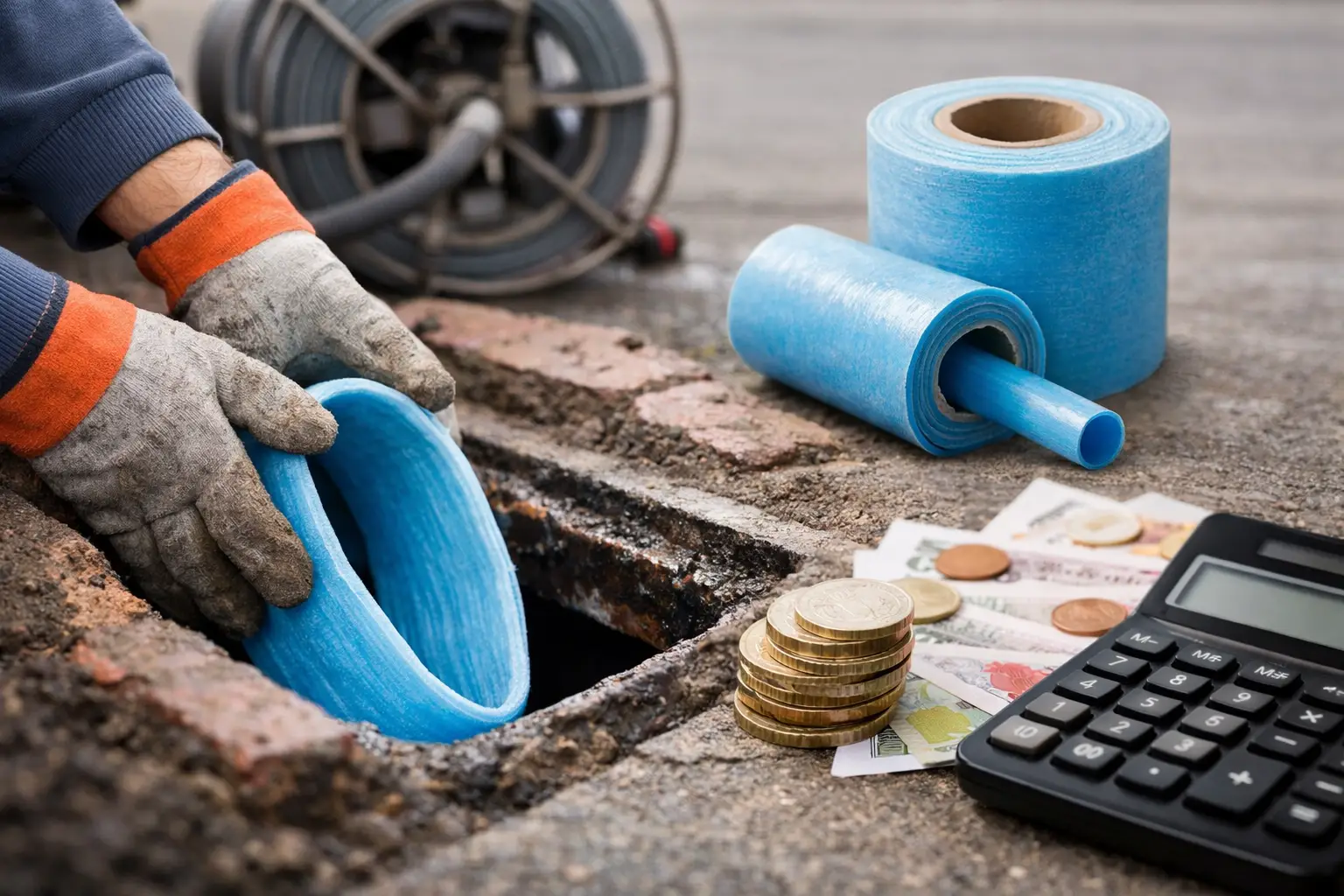
Drain relining is a no-dig repair method used to restore damaged pipework from the inside. A resin-soaked liner is inserted into the faulty section of pipe, then inflated or positioned so it bonds to the internal wall. Once cured, it creates a new pipe within the old one.
For many homeowners and commercial sites, that means no trench across the drive, no lifted patio, and far less disruption around the property. It is commonly used where drains have small cracks, leaking joints, minor deformation, or root ingress that has not fully collapsed the pipe.
Drain relining cost UK: typical price range
As a rough guide, drain relining cost UK jobs often start from a few hundred pounds for a short localised repair and can run into the low thousands for longer or more complex sections. A small patch repair is usually cheaper than full-length lining, while larger diameter pipework and difficult access push the price up.
In practical terms, many domestic relining jobs fall somewhere around £450 to £1,500, but that range is broad for a reason. A straightforward repair in an accessible run is very different from lining a deeper drain beneath a building extension or dealing with multiple defects across several sections.
If anyone gives you a fixed price without inspecting the drain, be cautious. Drainage is one of those trades where the detail matters, and the cheapest figure on the phone can quickly turn into extra charges once work starts.
What affects the cost most?
The length of pipe being lined
This is one of the biggest factors. A short patch repair over a single crack or displaced joint costs far less than lining several metres of pipe. If only one section is damaged, there is no point paying to line the whole run unless the rest of the pipe is also deteriorating.
The diameter of the drain
Larger pipes need more material and can take longer to prepare and install. Domestic drains are usually smaller and more affordable to line than commercial pipework or shared systems with larger diameters.
The condition of the existing pipe
Relining works well when the original pipe still has enough structural integrity to support the liner. If the drain has fully collapsed, has severe deformation, or has major voids around it, lining may not be the right option. In those cases, excavation and replacement can be the safer long-term repair.
Access to the pipe
Access changes everything. If engineers can work from existing manholes or chambers, the job is usually simpler. If access is restricted, the drain is underneath a building, or sections are difficult to reach, labour time increases and so does cost.
Cleaning and preparation work
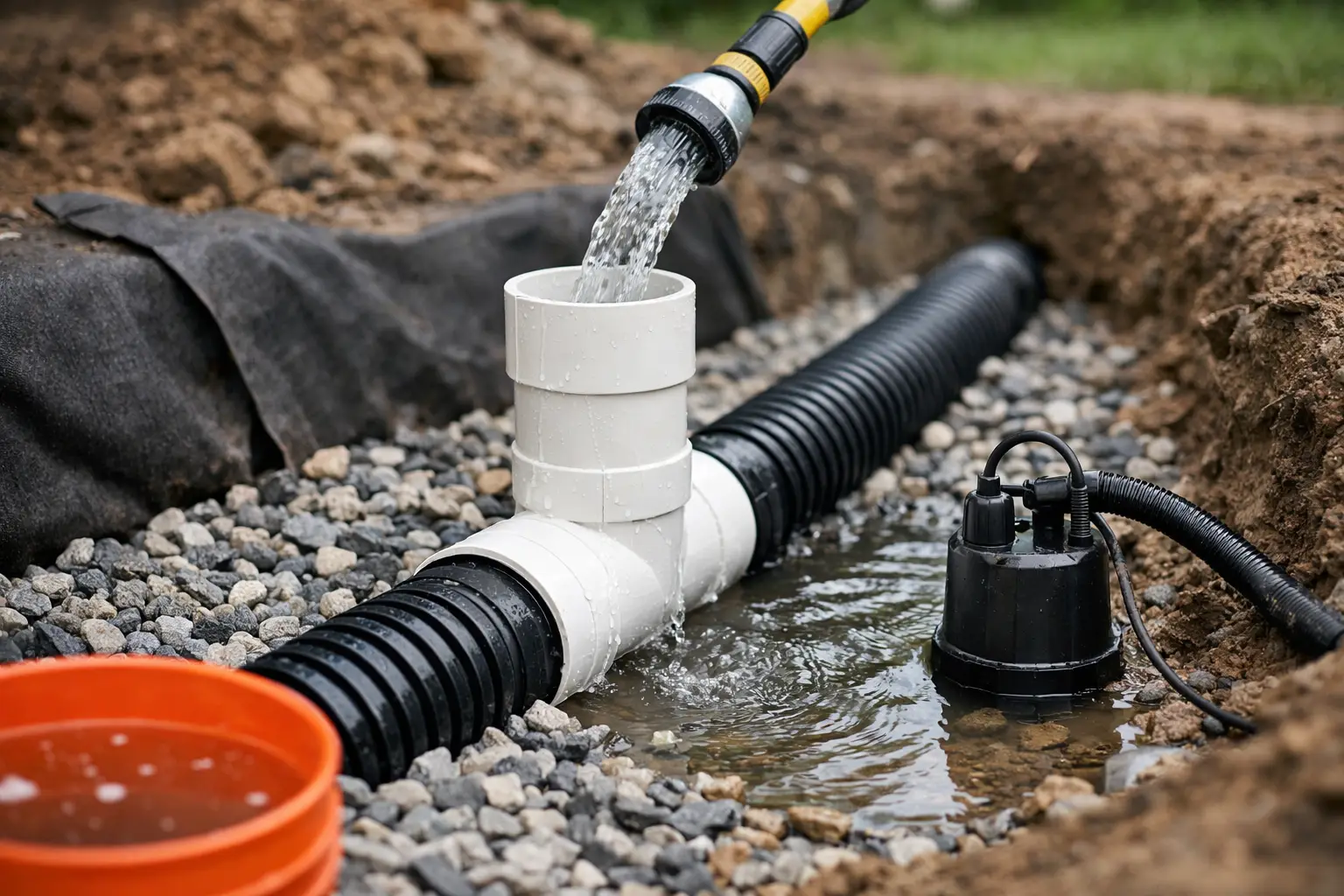
A drain cannot be lined properly if it is full of debris, scale, fat build-up, or roots. High-pressure water jetting and mechanical root cutting are often needed before lining begins. That prep work is essential, not an optional extra, because the liner needs a clean internal surface to bond correctly.
Number and type of defects
One isolated crack is a different job from several fractures, displaced joints, or multiple root ingress points. If defects are spread out, the repair may involve separate liners, patch repairs, or a combination of methods.
Why a CCTV survey matters before quoting
A proper survey does more than confirm damage. It helps identify whether the issue is structural, whether the pipe is suitable for relining, and whether there are hidden problems further along the run.
This matters because relining is not a magic fix for every drainage defect. If the real problem is a belly in the pipe, severe misalignment, or a collapsed section, lining over it may not solve the cause. A diagnosis-led contractor will tell you that plainly. That is the difference between a durable repair and paying twice.
For buyers, landlords and commercial property managers, recorded CCTV footage can also be useful for maintenance planning, insurance discussions, and contractor comparison.
When relining is good value
Relining often looks expensive if you compare it only to a basic unblocking visit. That is the wrong comparison. The real choice is usually between no-dig repair and excavation.
If the damaged pipe runs beneath a driveway, extension, finished flooring, landscaped garden, or business premises, excavation costs can rise quickly once reinstatement is included. Digging out a broken drain is not just about replacing pipework. You may also be paying to break concrete, remove spoil, make good surfaces, and deal with disruption to the property.
In that context, relining can be very good value. It reduces mess, shortens the job, and often avoids the wider repair bill that comes with open-cut excavation.
When replacement may be the better option
There are situations where relining is not the best use of money. If a drain has collapsed badly, has poor fall, or is already at the end of its serviceable life across a long run, replacement may be more sensible.
That can be a difficult message to hear, especially if you were hoping for a cheaper no-dig solution. But an honest contractor should tell you when lining would only mask a bigger issue. The goal is to fix the problem properly the first time, not to sell a method that is convenient for the installer.
Domestic and commercial costs are not always the same
For homeowners, pricing is usually based on straightforward access, standard pipe sizes, and single-run repairs. For commercial sites, schools, industrial units and multi-occupancy buildings, the job can be more involved.
There may be larger pipe diameters, more complex drainage layouts, restricted working hours, traffic management requirements, or a need to keep facilities operational during the repair. All of that affects labour, planning and cost. It does not necessarily make relining poor value, but it does mean commercial quotes should be based on a site-specific inspection.
Cheap quotes versus proper repairs
Drainage is one of those sectors where low headline prices can be misleading. A quote may look competitive until jetting, cutting roots, CCTV inspection, access work, or reinstatement are added later.
It is worth asking what is actually included. Does the price cover cleaning, survey work, the lining itself, and post-repair verification? Is there a written guarantee? Will you receive a clear explanation of why relining is suitable for your drain?
A proper quote should be transparent and easy to follow. If the contractor is vague about the process, that usually tells you something.
How to keep costs sensible
The best way to avoid inflated repair bills is to deal with drainage issues early. Repeated blockages, bad smells, slow-draining gullies and recurring backups are often signs of an underlying defect rather than a simple blockage.
Catching a crack, leaking joint or root ingress point early can mean a shorter, more affordable lining repair. Leave it too long and the pipe may deteriorate to the point where excavation is needed instead.
It also helps to use a contractor who can diagnose and carry out the repair in-house. When survey, jetting and relining are handled properly as one process, there is less room for delay, confusion or finger-pointing.
What to ask before agreeing to the work
If you are comparing quotes, ask whether the drain has been surveyed, whether relining is the recommended long-term repair, and what length and diameter of pipe is being lined. Ask what preparation is included and whether there is a guarantee on the completed work.
Those questions are not being difficult. They are how you separate a proper repair from a rushed job.
For property owners across the West Midlands, the right price is not the lowest figure on paper. It is the cost of a repair that actually solves the issue without hidden extras, repeat visits or avoidable disruption. If relining is suitable, it can be one of the smartest ways to restore a damaged drain. If it is not, you are better off hearing that clearly from the start.