If you have had the same drain blocked more than once in a short space of time, another quick unblock is rarely the full answer. A drain survey for recurring blockage is the step that shows what is actually happening inside the pipework, so you are not paying for the same problem to be cleared again and again.
That matters whether you are dealing with a kitchen gully that keeps backing up, a toilet that is slow to empty, or an external drain that overflows after heavy rain. Repeat blockages usually point to an underlying fault. Grease build-up, displaced joints, root ingress, poor pipe falls and cracked or collapsed sections can all create the same pattern – temporary relief followed by the same call-out a few weeks later.
Why recurring blockages keep coming back
A lot of drainage issues look identical from the surface. Water drains slowly, foul smells appear, or wastewater comes back up at the lowest point. The temptation is to treat every incident as a simple blockage, especially if a plunger or a basic rod has worked before.
The problem is that recurring blockages are often a symptom, not the fault itself. If the pipe has been damaged underground, waste will snag on rough edges or collect where the line has dropped. If roots have entered through a joint, they trap paper, wipes and debris. If scale, fat or silt has narrowed the pipe, even normal daily use can push it past capacity.
This is where proper diagnosis matters. Clearing a line without checking its condition can restore flow for the day, but it does not tell you why the blockage formed in the first place.
What a drain survey for recurring blockage actually shows
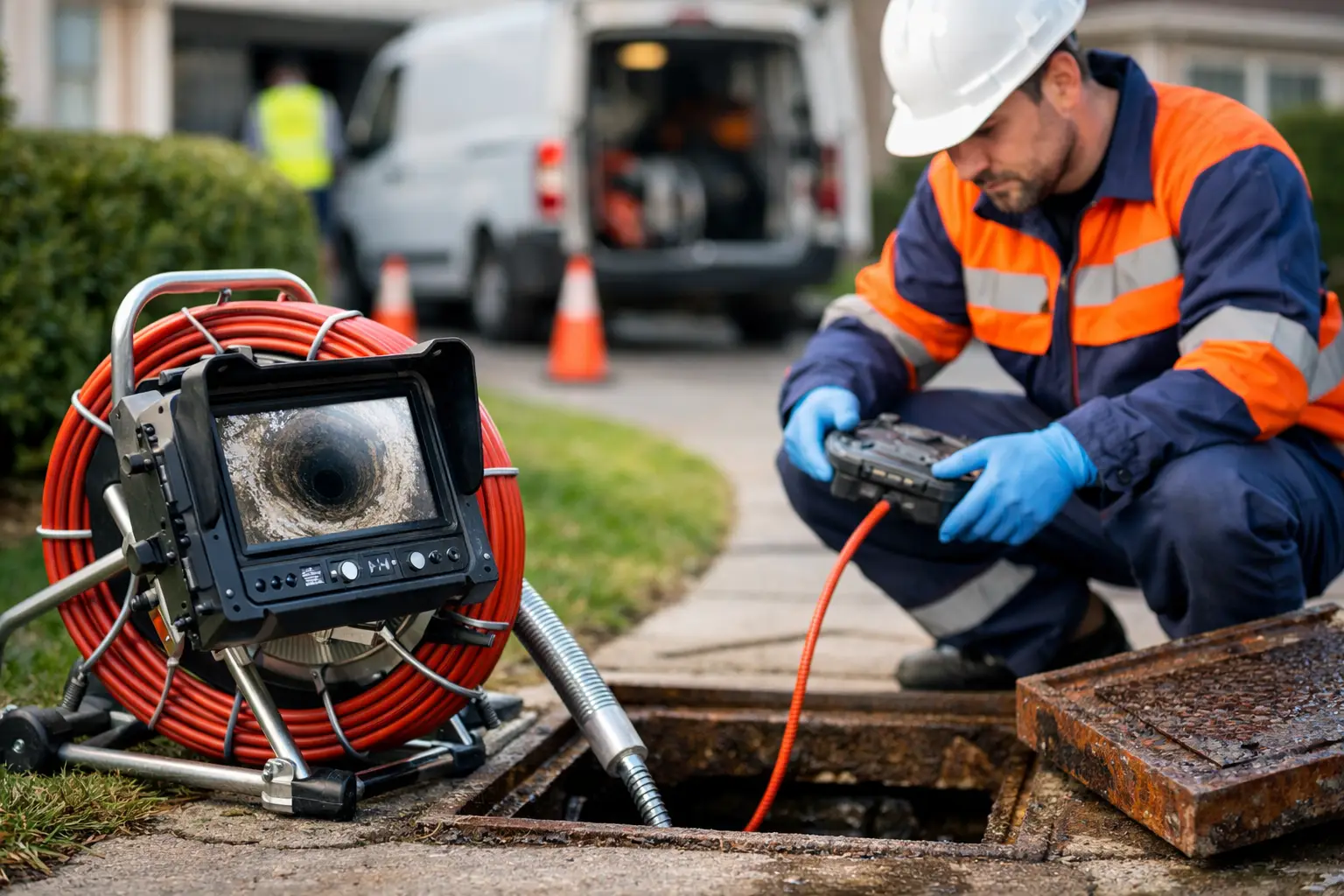
A CCTV drain survey uses a specialist camera to inspect the inside of the drainage system in real time. The camera is fed through the pipe, allowing the engineer to assess its condition, locate defects and identify the exact point where waste is catching.
For a homeowner, that means a clear answer rather than guesswork. For a landlord or commercial site manager, it means a record of the issue that can support repair planning, maintenance decisions or insurance discussions.
A drain survey for recurring blockage can reveal several different causes. In some cases, the issue is straightforward heavy build-up that needs thorough jetting rather than repeated partial clearing. In others, the survey finds a structural problem such as fractures, open joints, deformation, root ingress or a collapsed section. It can also highlight installation faults, including poor gradients that stop waste from flowing away properly.
That difference matters because the right fix depends on the cause. A line choked with grease needs a different approach from a pipe crushed by ground movement.
When a survey is the sensible next step
Not every blocked drain needs a camera survey. If a drain has blocked once because of an obvious misuse issue, such as wipes or a one-off build-up, a standard unblock may be enough. The key phrase is one-off.
If the same drain blocks repeatedly, if foul odours keep returning, or if there are signs of overflow outside the property, a survey becomes far more worthwhile. The same applies if drains are slow across several fixtures, if patch repairs have already been tried, or if the property is older and the condition of the underground pipework is unknown.
There is also a practical cost point. Repeated emergency visits add up. A survey can feel like an extra step, but it often saves money by stopping the cycle of temporary fixes.
How the process usually works
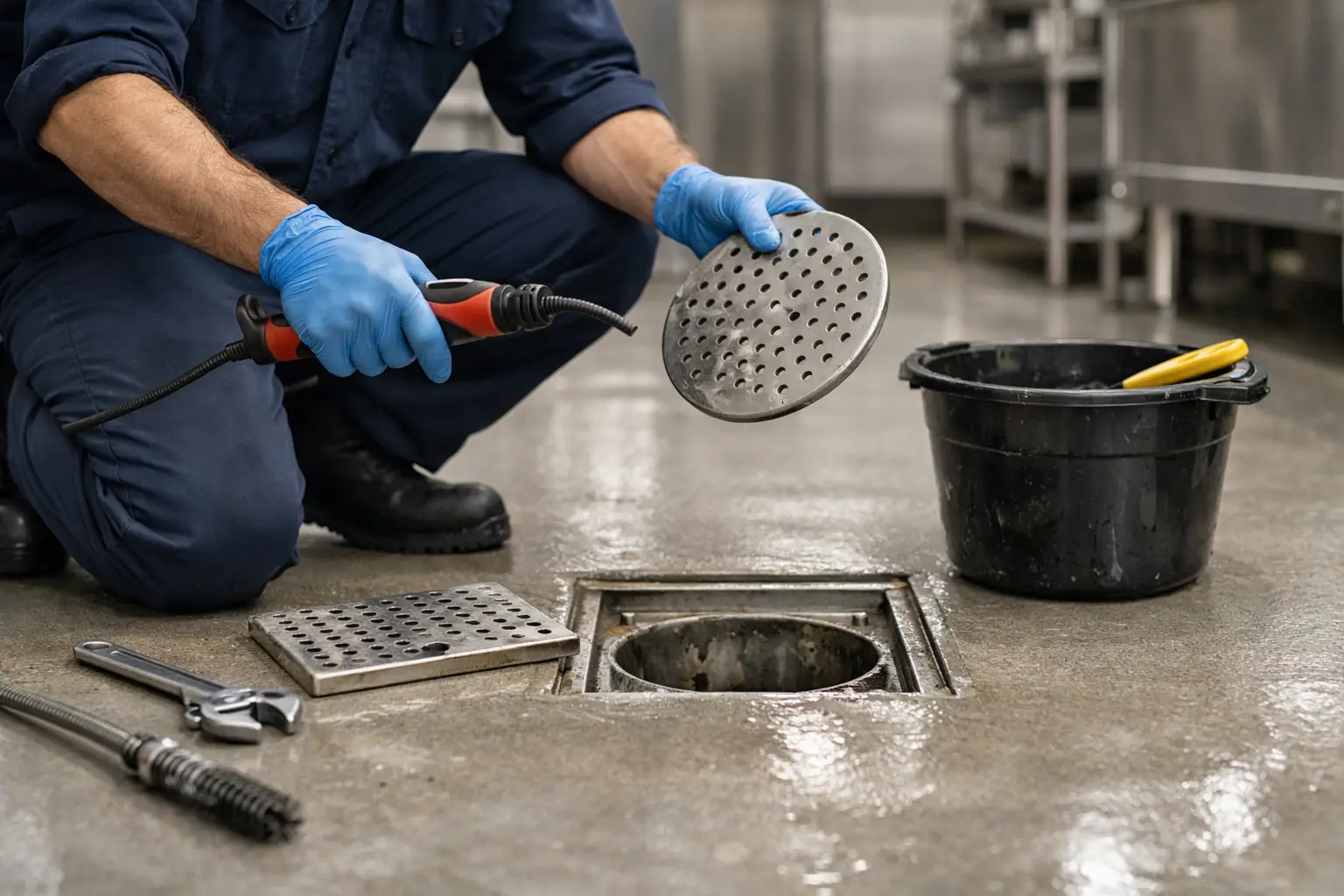
The first job is to restore access where needed. If the drain is fully blocked, it may need clearing with professional equipment before the camera can pass through and capture a useful picture. High-pressure water jetting is often used for this because it removes debris more thoroughly than basic rodding and is far better at clearing grease, scale and loose silt.
Once the line is open enough to inspect, the CCTV unit is sent through the system. The engineer checks the condition of the pipe walls, joints, bends and connections, noting anything that could be causing repeat obstruction. They will also identify where the defect sits, which is particularly important when the issue is underground, beneath hardstanding, or close to a boundary.
A proper survey is not just a video for the sake of it. The value comes from interpretation. Customers need a plain-English explanation of what was found, how serious it is, and whether it needs immediate repair or can be monitored.
What problems are commonly found
In domestic properties across the West Midlands, grease and food waste are common causes in kitchen lines, especially where pipework has a poor fall or older junctions trap debris. In external drains, roots are a regular issue. They enter through weak joints and then expand, creating a net that catches solids.
Older clay systems can suffer from displaced joints and fractures, while some more modern systems have defects linked to settlement or poor installation. Commercial sites often see heavier build-up from fats, oils, silt or misuse, and the drainage may be under greater daily demand, which makes any weakness show up faster.
There is not always one single fault. Sometimes a survey reveals a combination of issues, such as partial root ingress plus scale build-up, or a slight dip in the line combined with wipes catching at a joint. That is why a proper inspection is more useful than assumptions.
What happens after the survey
The next step depends on the findings. If the issue is build-up only, a thorough clean may be enough, followed by advice on preventing repeat problems. If the pipe has localised damage, a targeted repair is usually more sensible than replacing a whole run.
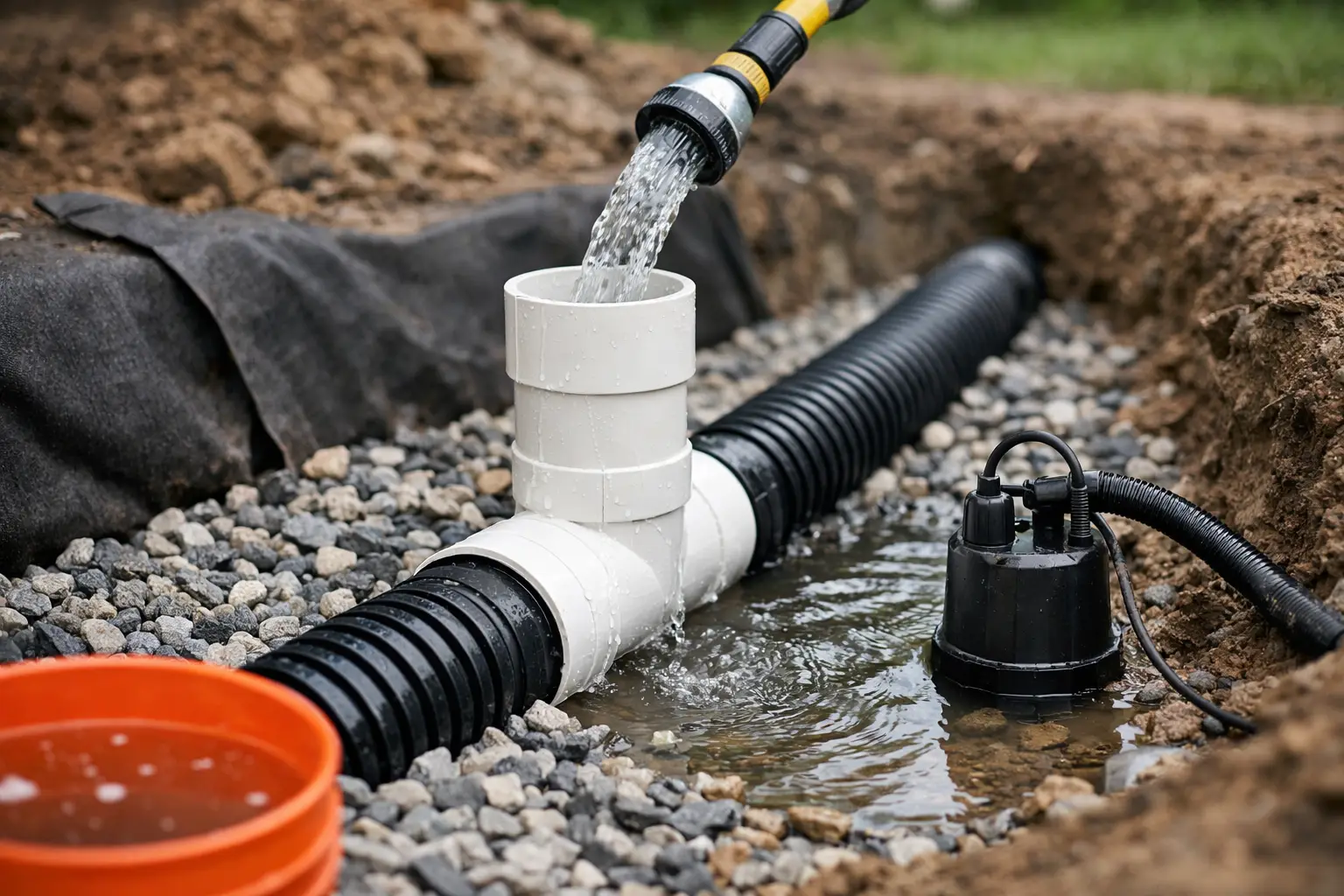
This is where no-dig methods can make a real difference. CIPP relining, for example, can repair certain damaged sections from inside the pipe without the disruption of excavation. It is not right for every situation, particularly where the pipe has fully collapsed or the shape is badly distorted, but it can be a durable and cost-effective option in the right conditions.
If the survey shows a more serious structural failure, excavation and replacement may be the honest recommendation. That is not always the answer customers want to hear, but it is better to be clear than to keep selling short-term unblocks that do not solve the problem.
Why diagnosis-led drainage work saves money
People often call after spending months paying for repeat call-outs. On the surface, a simple unblock looks cheaper than a survey and repair. Over time, that is often not true.
Each repeat visit costs money, causes disruption and increases the risk of internal flooding or property damage. If a recurring blockage is linked to a damaged line, leaving it untreated can also make the repair more extensive later on. A cracked pipe can become a collapsed pipe. Minor root ingress can become a fully obstructed line.
Diagnosis-led work is about doing the right job once. That does not mean every recurring blockage turns into a major repair. Sometimes the answer is a proper clean and better maintenance. But you only know that after the system has been checked properly.
Choosing the right contractor for a drain survey for recurring blockage
This is one of those jobs where equipment matters, but so does honesty. A good contractor should be able to explain what they found without hiding behind jargon. They should also be clear on pricing, clear on what the survey includes, and realistic about whether a repair is necessary now or later.
For domestic and commercial customers alike, it is worth looking for a team that handles both investigation and repair. That way, the people inspecting the drain understand what practical options are available, from jetting and root removal through to patch repairs, relining or excavation where needed.
Local accountability matters too. When you are dealing with repeat drainage problems, you want a company that will answer the phone, turn up when promised and stand behind its work. That is the difference between a quick fix and a proper service. For properties across Wolverhampton and the wider region, West Midlands Drainage takes that diagnosis-first approach because it is the only way to stop recurring faults becoming a regular expense.
If the same blockage keeps returning, the drain is telling you something. A clear view inside the pipework usually turns frustration into a practical plan – and that is when the problem starts getting fixed properly.