A damaged drain used to mean one thing – digging up the drive, lifting paving, and turning a fairly small pipe problem into a much bigger property headache. That is exactly why no dig drain repair has become the preferred option for many homeowners, landlords and commercial sites. When the pipe is suitable, it allows damaged sections to be repaired from within, cutting disruption and keeping reinstatement costs under control.
That said, it is not a magic fix for every drain fault. The job still starts with finding the real cause of the problem, confirming the condition of the pipe, and choosing a repair method that will actually last. A proper contractor should tell you when no-dig is the right answer and when a more traditional excavation is the better call.
What no dig drain repair actually means
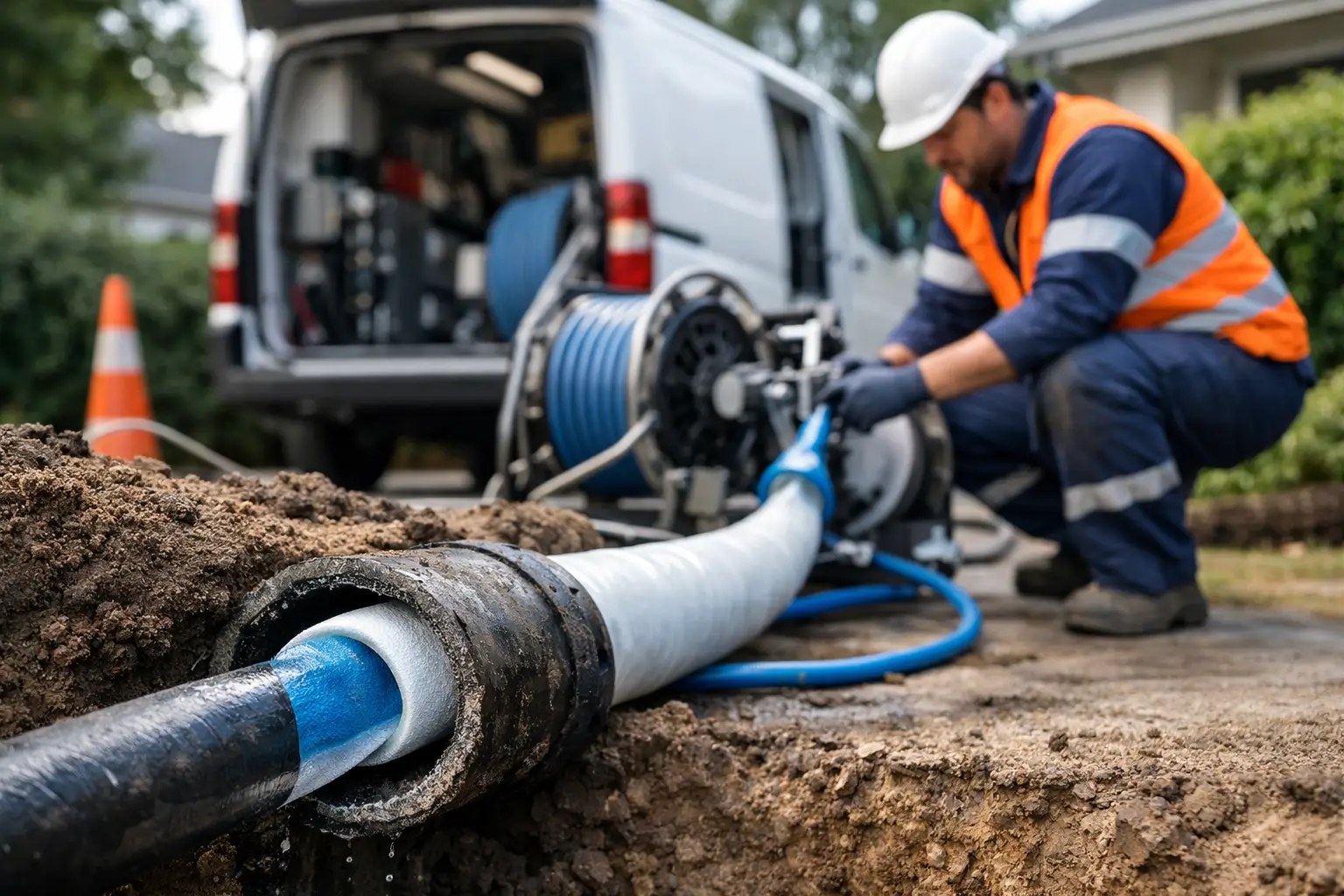
No dig drain repair usually refers to trenchless methods that restore the pipe without having to excavate the full run. In most domestic and commercial drainage work, that means CIPP relining – cured in place pipe lining. A resin-saturated liner is inserted into the damaged drain, positioned accurately, then cured so it hardens into a new pipe within the old one.
The result is a smooth internal lining that seals cracks, small fractures, leaking joints and minor root ingress. Instead of replacing the entire pipe by digging it out, the repair is carried out through existing access points such as manholes or rodding eyes where possible.
For customers, the appeal is obvious. Less digging usually means less mess, less time spent putting surfaces back, and less interruption to day-to-day life or business operations. But the important bit is this – the success of the repair depends on the condition of the original pipe and the quality of the preparation beforehand.
When no dig drain repair is a good option
This method works well for a range of common drainage defects. If a CCTV survey shows the pipe has cracks, open joints, pinhole leaks, or localised wear but is still broadly intact, relining can often provide a strong long-term repair. It is also commonly used where roots have entered through joints and the root mass can be removed before lining.
It tends to be especially useful where the pipe runs under finished surfaces that would be expensive or awkward to disturb. Think block paving, tarmac drives, patios, gardens, internal floors or landscaped commercial areas. In those cases, the saving is often not just about labour on the drain itself, but about avoiding major reinstatement afterwards.
Landlords and facilities managers often favour it because it can reduce disruption to tenants, customers or staff. Homeowners usually like it for simpler reasons – they want the drain fixed properly without the property looking like a building site for days.
When digging is still the right answer
Not every damaged drain can or should be lined. If the pipe has fully collapsed, has severe deformation, has lost too much of its shape, or has major displacement at the joints, no-dig methods may not give a reliable result. In those cases, excavation may be needed to replace the failed section.
The same applies if there is a serious fall issue, a badly installed run, or a section that is holding water because the pipe gradient is wrong. A liner can repair the inside surface, but it cannot correct every structural or installation fault. If the original problem is poor design rather than surface damage, digging out and relaying the affected section is often the honest answer.
This is where diagnosis matters. If someone recommends relining without carrying out a proper CCTV inspection first, that should raise concerns. Good drainage work starts with evidence, not guesswork.
How the process works in practice
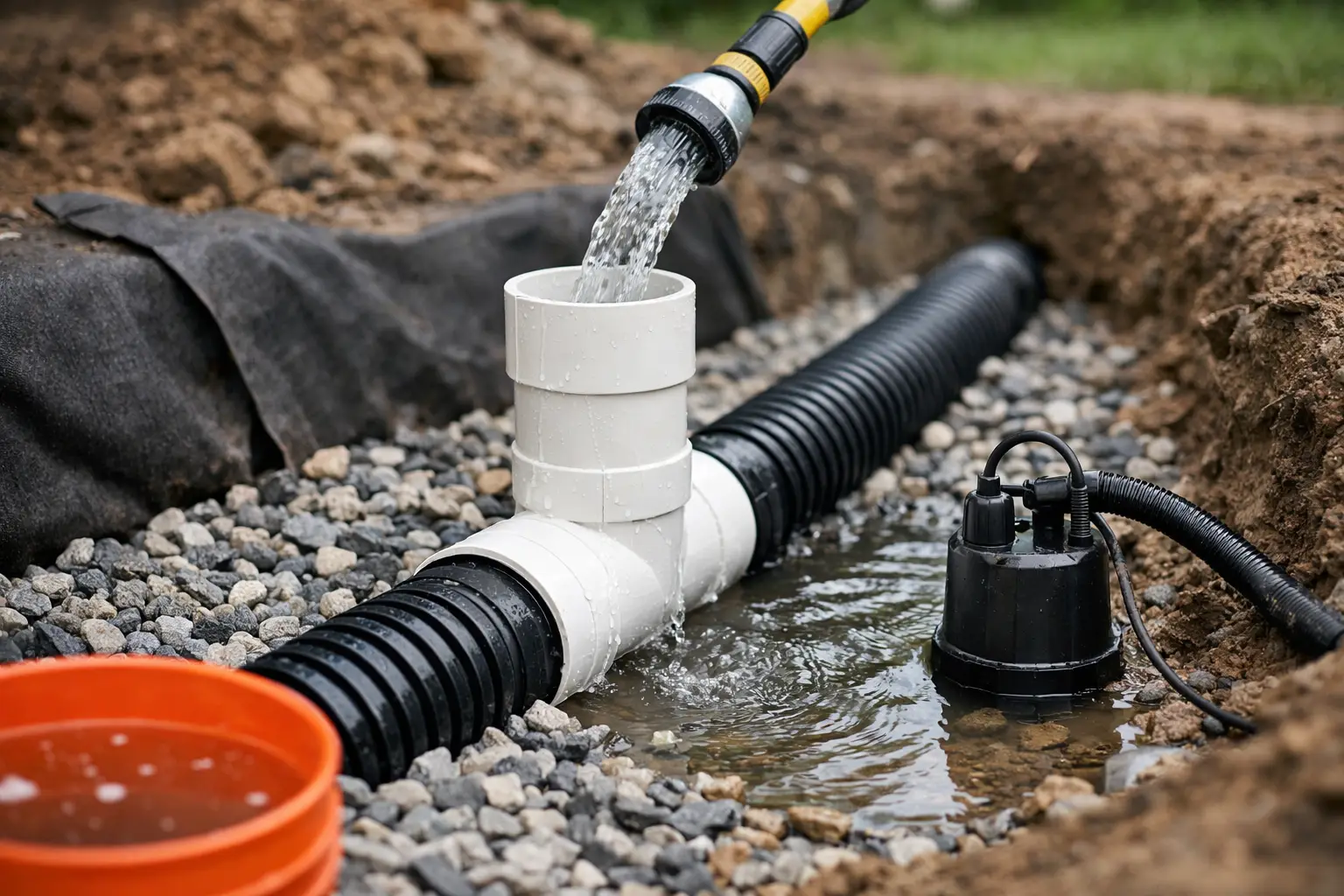
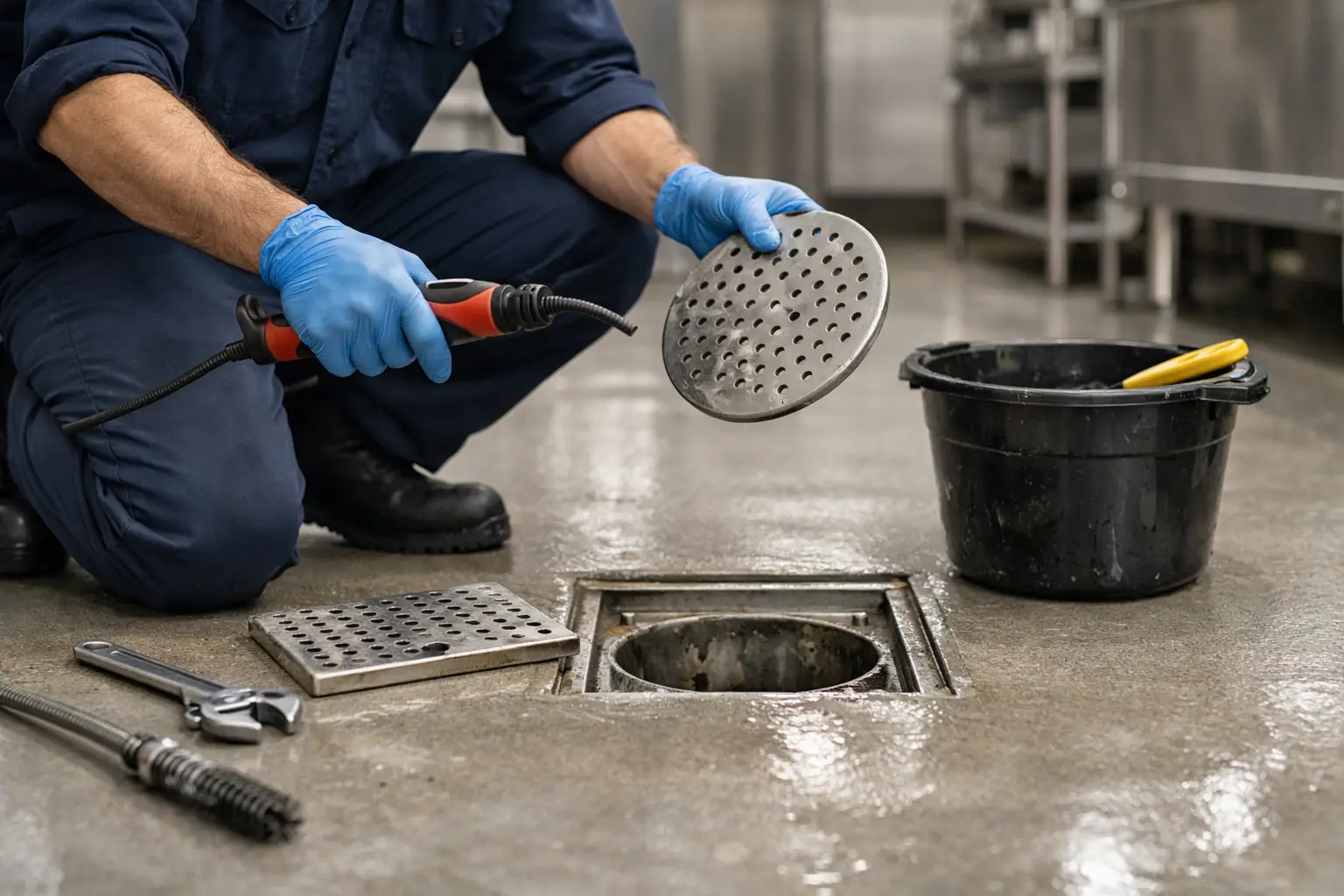
A proper no dig drain repair job is usually straightforward from the customer side, but there is a fair bit happening behind the scenes. First, the drain needs to be cleaned thoroughly. High-pressure water jetting is often used to remove silt, scale, grease and root matter so the pipe surface is ready for inspection and repair.
After cleaning, a CCTV survey confirms the exact location and extent of the defect. This is the point where the contractor checks whether the pipe is suitable for lining and whether a full liner or a local patch repair is the better option. A patch repair is normally used for isolated defects in one area, while full-length lining is more appropriate where there are multiple issues along a section of pipe.
Once the repair has been planned, the liner or patch is prepared with resin and inserted into the pipe. It is inflated or otherwise held tightly against the pipe wall so it bonds in the correct position. After curing, the liner hardens and forms the new inner wall of the drain. A final CCTV inspection is then carried out to confirm the finish and make sure flow is restored properly.
For the customer, that often means the problem is dealt with far more quickly and cleanly than a dig-up repair. But speed should never come at the expense of preparation. If the pipe is not cleaned properly or the defect is not assessed correctly, the repair may not perform as it should.
The main benefits of no-dig repair
The biggest benefit is reduced disruption. If the repair can be completed through existing access points, there is often little or no need to break out concrete, lift paving, or disturb landscaped areas. That matters on domestic jobs, but it matters just as much on commercial sites where access and downtime can become a real cost.
There is also the issue of reinstatement. Traditional excavation may solve the pipe problem, but the final bill can climb once making good is added in. Drives, pathways, decorative surfaces and internal finishes all cost money to put back properly. No-dig methods can help avoid a large part of that.
Another practical advantage is speed. While every site is different, trenchless repairs are often quicker to complete than excavating and replacing the pipe. That can be a major benefit if the drain issue is affecting toilets, kitchens, business operations or tenant occupancy.
Then there is durability. A well-installed liner can provide a long service life and create a smooth internal surface that supports good flow. It is not a temporary patch-up when done properly. It is a recognised repair method used across domestic, commercial and public-sector drainage work.
What affects the cost
People often ask whether no-dig repair is cheaper. Sometimes yes, sometimes no – it depends what you compare it with. If you only look at the direct pipe repair, excavation is not always dramatically more expensive on a very accessible shallow section. But that is rarely the full picture.
Once you factor in labour, spoil removal, reinstatement, access complications and time on site, no-dig repair can work out far more economical. That is especially true where the pipe runs under structures, paved areas, busy yards or finished interiors.
The final price usually depends on the length and diameter of pipe, whether a patch or full liner is needed, how much cleaning and root cutting is required beforehand, and how easy the access is. That is why honest pricing should follow inspection, not come as a one-size-fits-all figure over the phone.
Why the survey matters before any repair
A CCTV survey is not an upsell when drainage faults are involved. It is how you avoid paying for the wrong work. A recurring blockage might be caused by wipes and grease, but it could also be a cracked pipe, root ingress or a displaced joint further down the line. Without seeing inside the drain, you are guessing.
For no-dig repairs, the survey does two jobs. It identifies the fault and it confirms whether lining is suitable. It also gives a record of the drain condition before and after the work, which is useful for landlords, insurers, buyers and commercial property managers.
This diagnosis-led approach is one of the main differences between a lasting repair and another call-out a few months later. At West Midlands Drainage, that is the point – fix the actual problem, not just the latest symptom.
Choosing the right contractor for no dig drain repair
If you are comparing drainage companies, ask simple questions. Will they inspect the line with CCTV before recommending repair? Do they explain when no-dig is suitable and when excavation is necessary? Can they carry out cleaning, survey and repair with their own team and equipment? Is the work guaranteed in writing?
Those details matter because trenchless repairs are only as good as the workmanship behind them. A dependable contractor will be clear about the limits of the method, transparent on price, and practical about what outcome you can expect.
No dig drain repair is one of the best options available when the pipe condition is right. It can save time, reduce upheaval and provide a durable fix without tearing up your property. The key is not rushing to the method – it is making sure the diagnosis is right first, then carrying out the repair properly. If your drain is showing signs of damage, the smartest next step is a clear inspection and a straight answer on what will hold up long term.