A cracked drain rarely announces itself politely. More often it starts with a bad smell near the gully, a damp patch that should not be there, or a blockage that keeps coming back no matter how many times it is cleared. When customers ask about patch repair for cracked drain pipes, the real question is usually simpler – can this be fixed properly without digging up the whole area?
Sometimes, yes. A localised patch repair can be a very effective no-dig solution when the damage is limited and the rest of the drain is still in decent condition. But it is not a one-size-fits-all answer, and anyone telling you otherwise is skipping the important part – finding out what has actually gone wrong first.
What patch repair for cracked drain pipes actually means
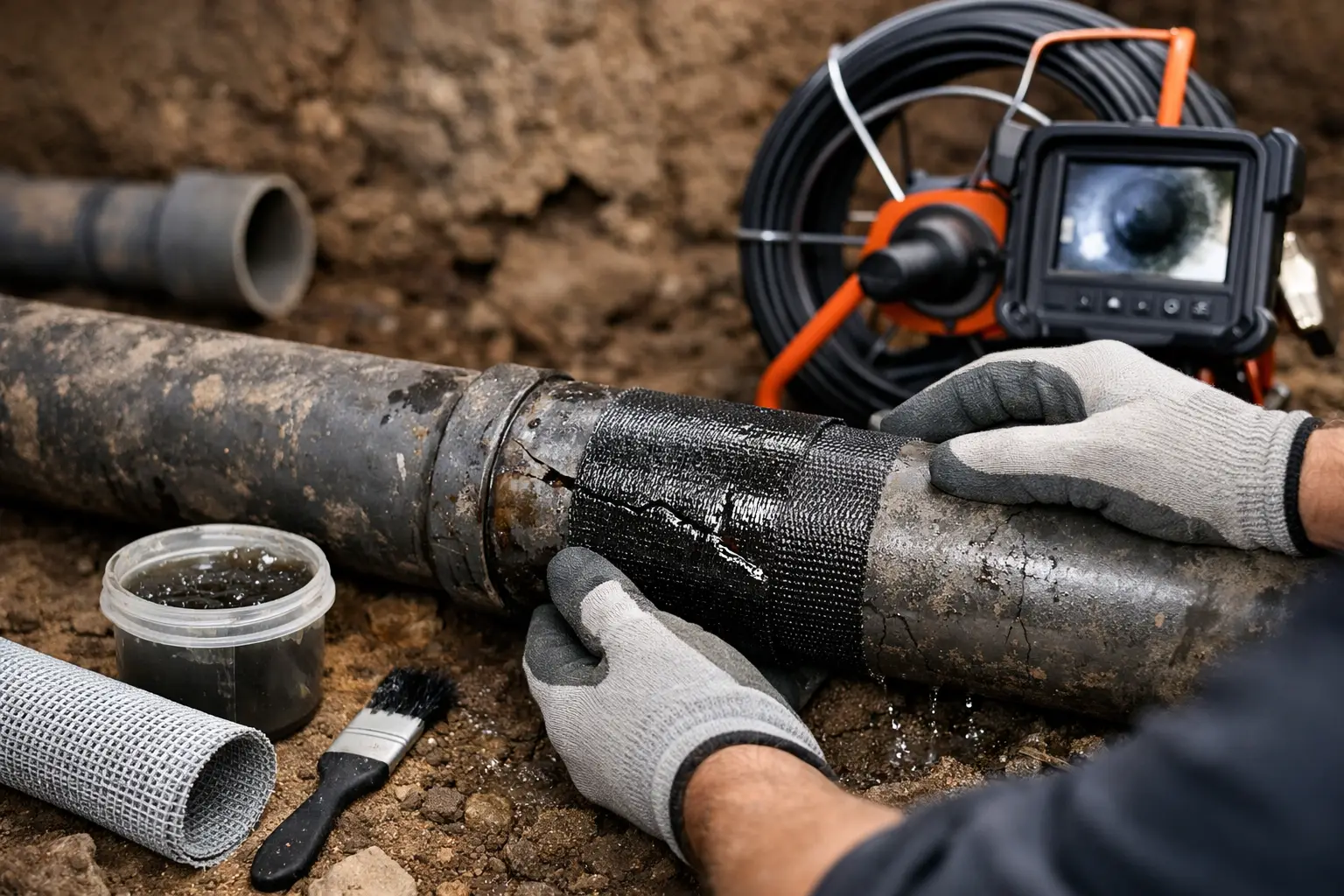
Patch repair is a targeted internal drain repair. Instead of excavating the pipe from above, a specialist installs a resin-impregnated patch inside the damaged section of drain. The patch is positioned over the crack and then cured in place, creating a sealed structural lining over that local defect.
In practical terms, it is designed for isolated problems. That might be a small crack, a displaced joint, minor root ingress at one point, or a short section of wear that has started to let water escape. The appeal is obvious. There is far less disruption, no need to break out large areas of paving unless access is already required, and the repair can often be completed much faster than a traditional excavation job.
That said, the key word is isolated. If the pipe has failed in multiple places, if there is a collapse, or if the line has poor gradient and long-term movement, patching one spot will not solve the wider issue.
When a patch repair is the right choice
The best candidates for patch repair are drains with one clear defect and otherwise serviceable pipework. A CCTV drain survey usually confirms this. It shows the exact location of the crack, how long the damaged section is, whether the pipe is still holding shape, and whether there are any other faults nearby.
A patch repair tends to work well where the crack is local rather than continuous, where access to the pipe is available through existing chambers, and where the drain diameter and condition allow the patch to bond properly. For homeowners and landlords, that can mean avoiding unnecessary excavation across driveways, patios, gardens, or internal floors.
This can be especially useful after recurring blockages. Quite often, the blockage itself is only part of the story. If a drain has cracked, small amounts of debris and tissue can catch at the damaged point. Roots may also start finding their way in. You clear the blockage, things improve for a while, then the problem returns. In those cases, clearing the line without repairing the defect is just another temporary visit.
When patch repair for cracked drain pipes is not enough
This is where honest advice matters. Patch repair for cracked drain pipes is a strong option, but only when the pipe around the damage is worth saving.
If CCTV shows several cracks along the run, deformation, a belly in the pipe, significant fractures, or sections that are close to collapse, a localised patch can turn into false economy. The same goes for drains with major root intrusion over a longer length or older systems where joints are failing in multiple places. You may spend money repairing one point only to face another failure a few feet away.
In that situation, a full liner or an excavation repair may be the better long-term route. It depends on the condition of the pipe, the nature of the defect, and how the drain is being used. A domestic foul drain with one crack is different from a commercial line taking heavier use every day.
Why CCTV inspection comes first
A proper diagnosis should happen before any repair method is recommended. That is not sales talk. It is basic drainage practice.
A CCTV survey allows the engineer to see whether the visible symptom matches the real cause. A cracked pipe might also have joint displacement, scale build-up, root ingress, or evidence that the line has been moving over time. Without that information, choosing a repair method is guesswork.
The survey also helps establish whether the issue is insurable, whether there is any concern about shared drainage responsibilities, and whether a no-dig repair is technically suitable. For property buyers and landlords, it provides a record of condition rather than just a verbal opinion.
In many cases, the repair decision is not about the crack alone. It is about what else is happening around it.
How the repair process usually works
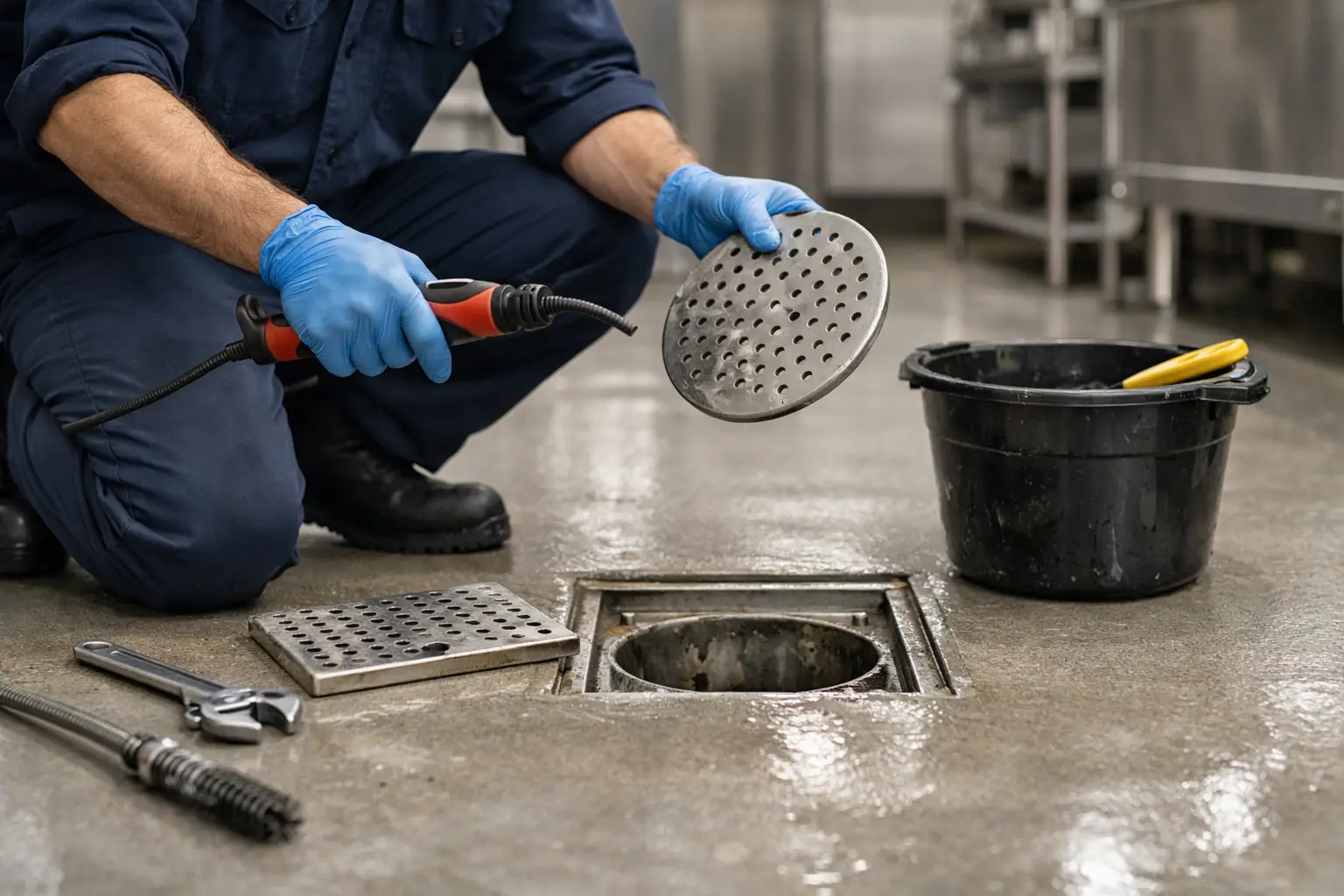
Once the drain has been surveyed and the defect confirmed, the line is normally cleaned first. High-pressure water jetting removes debris, grease, loose material and, where possible, any roots affecting the damaged area. A patch repair should never be fitted into a dirty line and called finished. The surface needs to be properly prepared so the patch can bond as intended.
The patch is then measured to suit the defect, allowing enough coverage either side of the damaged section. It is placed onto an inflatable packer, inserted into the drain, and positioned accurately using CCTV guidance. When inflated, the patch is pressed firmly against the inside wall of the pipe while the resin cures.
Once set, the packer is removed and the repair is inspected again by camera. That final check matters. It confirms the patch has seated correctly, that flow is not obstructed, and that the defect has been properly sealed.
For the customer, the biggest benefit is that the work is targeted. There is no unnecessary disturbance and no guessing about where the problem might be.
The benefits and the trade-offs
The obvious benefit is reduced disruption. If the damaged drain runs beneath a driveway, conservatory approach, landscaped garden or internal floor, avoiding excavation can save a lot of mess and reinstatement cost. Patch repairs are also typically faster to complete than digging down to replace a short section of pipe.
There is also a practical cost benefit when the damage is genuinely local. You are repairing the fault, not paying to disturb and rebuild a whole area around it.
The trade-off is that patch repairs are not designed to rescue badly deteriorated systems. They solve a specific defect in a specific place. If the rest of the drain is poor, the right answer may be a broader repair strategy. That is why a cheap quote without a proper survey can end up costing more later.
Domestic and commercial considerations
For homeowners, the main concern is usually disruption and certainty. People want the smell gone, the blockage sorted and the repair done properly without having the garden dug to bits. Patch repair can be ideal when that crack is limited to one section and the surrounding pipe is sound.
For landlords and commercial sites, there is often a bigger focus on downtime and repeat issues. A patch may be the right fix for one defect picked up during planned maintenance, but if the drain serves multiple units or higher usage areas, it is worth looking at overall condition rather than just the immediate fault. One isolated repair in a tired system may not be the end of the matter.
What to ask before agreeing to the work
If you are being advised to patch a cracked drain, ask to see the CCTV evidence and ask whether the fault is isolated. Find out if the drain has been cleaned before repair, whether the patch length covers beyond the visible crack, and whether there will be a post-repair camera check.
You should also ask the simple question many people miss – is this the best repair, or just the quickest one? A dependable contractor will answer plainly. Sometimes the quickest option is also the right one. Sometimes it is not.
That is the difference between a diagnosis-led repair and a temporary fix dressed up as a permanent solution.
Choosing a contractor for a cracked drain repair
Drainage work sits underground, so poor workmanship can stay hidden until the problem comes back. That makes your choice of contractor more important than the repair method itself.
Look for a company that handles inspection, cleaning and repair in-house, uses proper CCTV equipment, and explains why a patch is suitable for your particular drain. Clear pricing matters as well. So do guarantees and recognised industry standards. If the advice feels vague, rushed or based on assumption rather than evidence, it is worth stopping there.
For customers across Wolverhampton and the wider West Midlands, that local accountability still counts. If something needs checking, you want a team that can come back, not one that disappears after the invoice is paid.
A cracked drain does not always mean major excavation, and that is good news. But the best outcome comes from matching the repair to the fault, not forcing every job into the same solution. Get the line inspected properly, fix the cause rather than the symptom, and you are far more likely to have a drain that stays trouble-free.