A sewage backup is not a normal cleaning job. Water coming up through a toilet, shower tray, gully or floor drain may contain harmful bacteria, viruses and waste. Handling sewage flooding safely starts with one simple rule: keep people, pets and belongings away from the affected area while you arrange help.
A blocked drain can quickly become a property-wide problem, particularly in ground-floor rooms, cellars, communal areas and commercial premises. Acting promptly protects health, limits damage and gives a drainage engineer the best chance of finding the fault before it worsens.
Treat sewage water as contaminated
If wastewater has backed up from a toilet, external drain or soil pipe, treat it as contaminated sewage. It is often referred to as black water and can carry organisms that cause illness through contact, splashes or contaminated surfaces.
Do not walk through it unless there is an immediate danger that requires you to leave the building. Keep children, pets, customers and staff out of the area. Close internal doors where practical, and avoid moving contaminated items through clean parts of the property.
Floodwater from a burst clean-water pipe is different, but appearances can be misleading once water has passed through drains, toilets or outside gullies. If there is any doubt, assume the water is contaminated and take the more cautious approach.
What to do first when sewage enters your property
Your priority is safety, not saving every item straight away. Take these steps in order where it is safe to do so:
- Stop using water fixtures. Do not flush toilets, run taps, use the washing machine or empty a bath. Adding more water to the drainage system can force more sewage back into the property.
- Keep clear of electrical risks. If sewage water is close to sockets, extension leads, appliances or electrical equipment, do not touch anything. If you can safely isolate electricity without entering the flooded area, do so. Otherwise, contact a qualified electrician or emergency service for advice.
- Ventilate without spreading contamination. Open windows in the affected room if this can be done without walking through wastewater. Do not use fans, air conditioning or heating systems that could circulate contaminated air or moisture elsewhere.
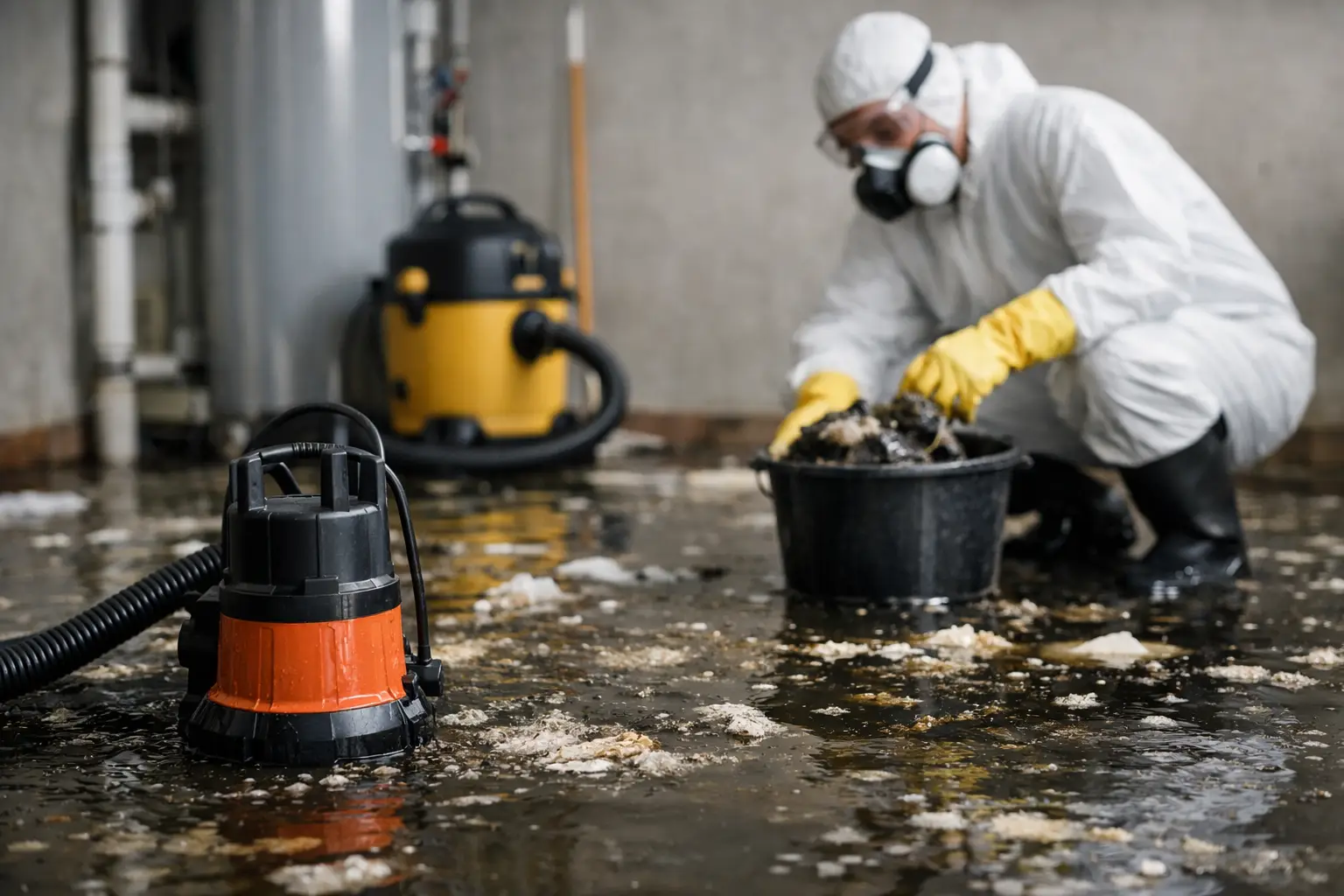
- Protect yourself if access is unavoidable. Wear waterproof gloves, waterproof boots and clothing that covers exposed skin. Eye protection is sensible where splashing is possible. Never enter contaminated water with cuts or broken skin, and wash thoroughly after any accidental contact.
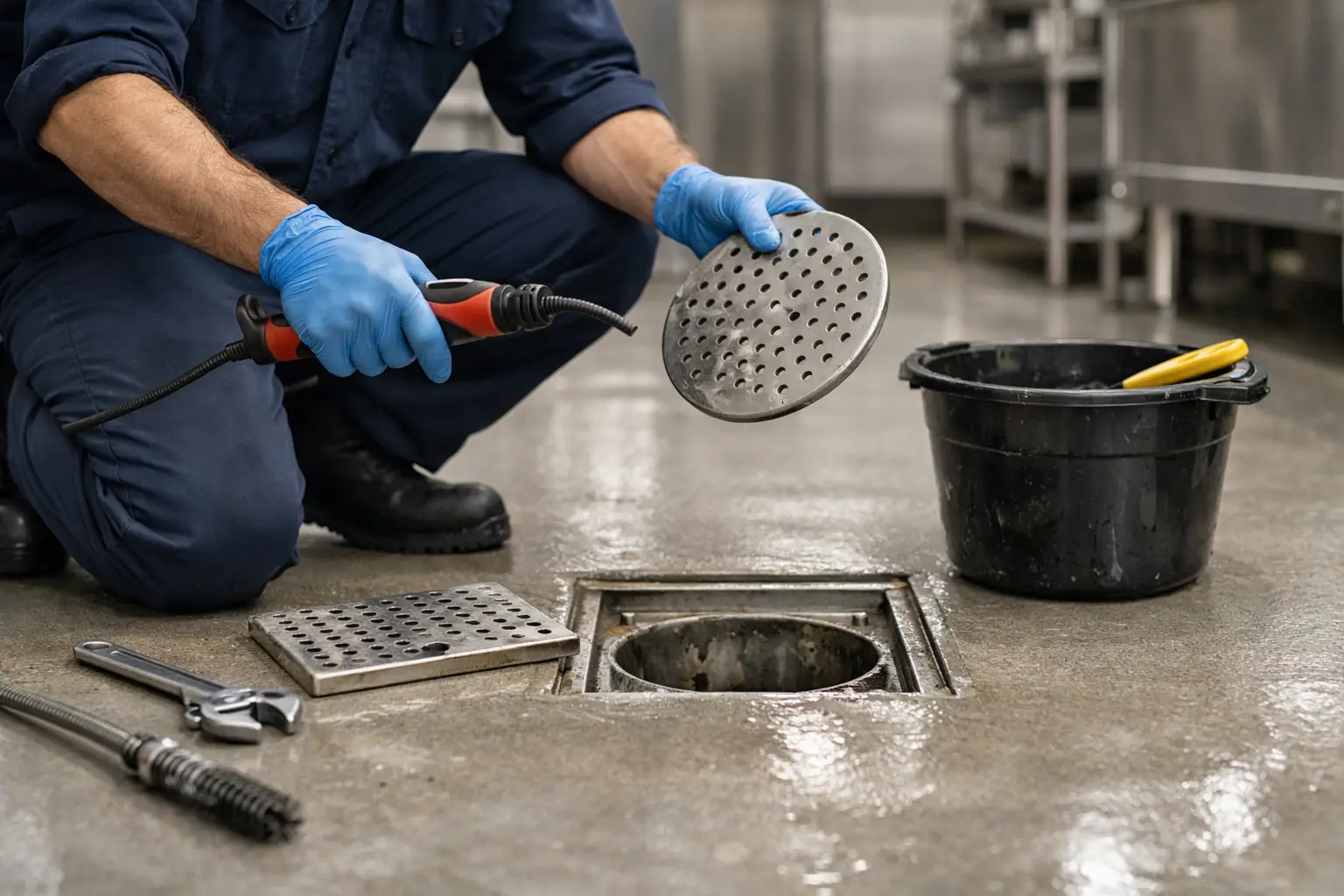
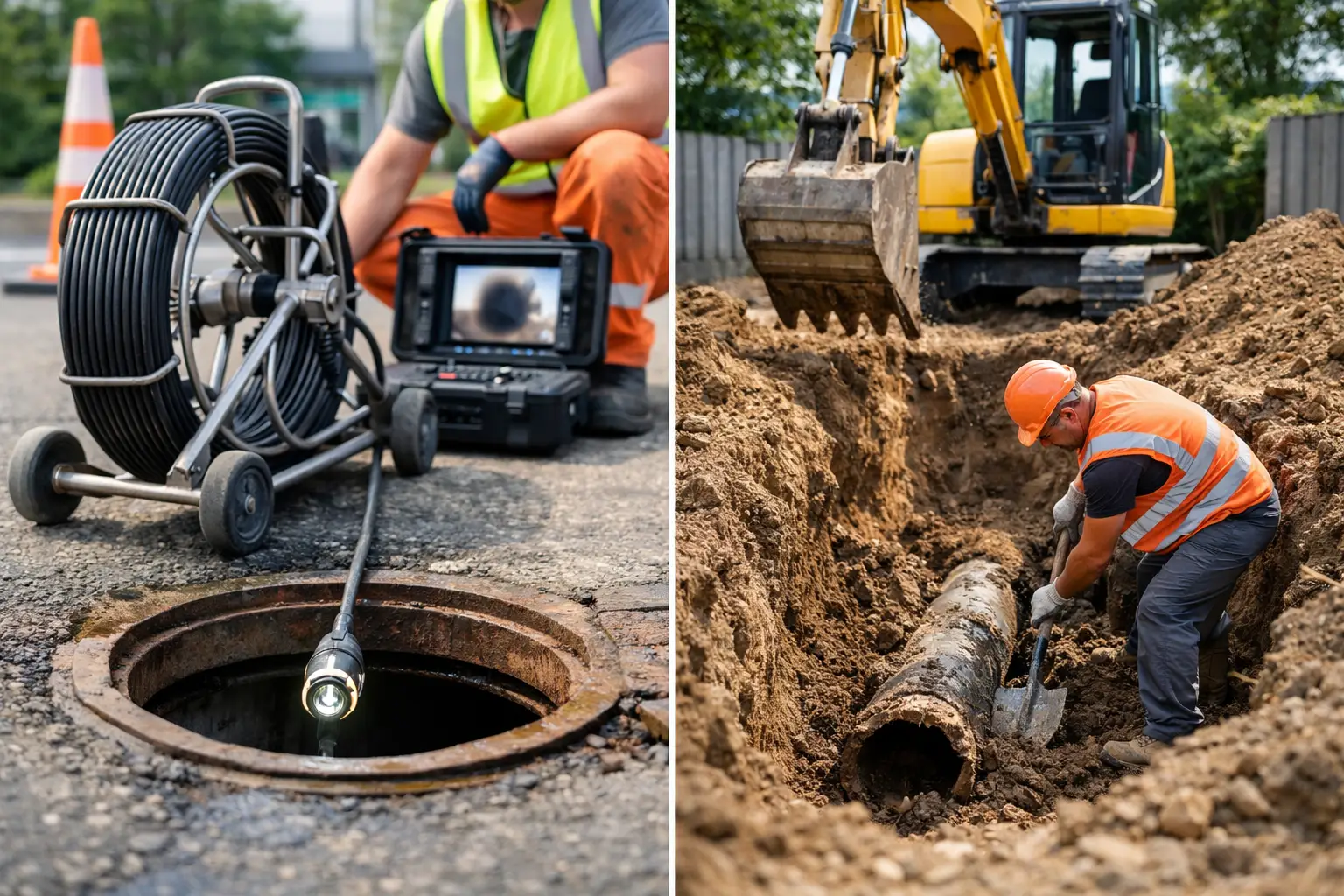
- Call a drainage professional. The immediate job is to stop the backup and identify why it happened. A proper response may involve high-pressure water jetting, drain rodding, or a CCTV drain survey once the line is flowing again.
If sewage is flowing heavily, affecting several properties, coming from a public sewer, or creating an immediate threat to health or safety, contact the relevant water company or emergency services as appropriate. For tenants, notify the landlord or managing agent straight away, but do not wait for a callback before taking sensible safety measures.
Do not try to clear the blockage with chemicals
It is understandable to reach for drain cleaner when a toilet will not flush or a sink starts backing up. During a sewage flood, chemical drain cleaners can make the situation more dangerous. They may fail to reach the blockage, react with standing wastewater, splash back, or create a hazard for anyone working on the drain afterwards.
Avoid putting boiling water, bleach, disinfectant or multiple cleaning products into a blocked system as a way of forcing it clear. These products do not repair collapsed pipework, remove tree roots or clear a serious fat build-up. Mixing chemicals can also produce harmful fumes.
A drain engineer needs to establish whether the cause is local to one fixture, within the private drainage run, or further along the shared or public network. Guesswork may briefly reduce the symptoms while leaving the real fault in place.
Protect your property without putting yourself at risk
Once people are safe and the source is being dealt with, take photographs and short videos from a dry, safe position. Record the rooms affected, the water level, visible damage and any items that cannot be salvaged. This can help with an insurance claim and gives contractors a clear record of the initial condition.
Move dry belongings away from the edge of the affected area only if you can do so without contact with sewage. Do not try to rescue soft furnishings, rugs, toys, food, medicines, paper documents or electrical items that have been immersed. These often need specialist assessment or disposal because they are difficult to clean safely.
Hard, non-porous surfaces such as tiles may be recoverable after professional cleaning and disinfection. Carpets, underlay, plasterboard, insulation and untreated timber are more complicated. The right decision depends on how long they were exposed, how deeply contamination travelled and whether materials can be fully accessed and dried.
Why the blockage needs a proper diagnosis
Clearing the standing sewage is only the first part of the job. Repeated backups, slow drainage, bad smells and gurgling fixtures often point to a deeper problem in the pipework.
A CCTV drain survey can show whether there is a structural defect, displaced joint, root ingress, scale build-up, a foreign object or a collapsed section of pipe. This matters because the most suitable repair depends on the condition and location of the drain. In some cases, jetting removes the obstruction and restores normal flow. In others, a no-dig CIPP drain lining repair can seal damaged pipework without digging up large areas. A severely collapsed pipe may still require excavation and replacement.
For homeowners, landlords and commercial operators, diagnosis-led work reduces the risk of paying for repeated call-outs that only deal with the symptom. Ask for a clear explanation of what has been found, the repair options and any evidence from the camera inspection before agreeing to non-emergency remedial work.
Cleaning up after sewage flooding
Do not begin full clean-up until the drainage fault has been stopped and wastewater is no longer entering the property. A specialist clean-up provider can remove contaminated water, clean affected surfaces, disinfect the area and dry the structure properly. This is particularly worthwhile where sewage has reached floor coverings, wall finishes, kitchens, food-preparation areas, stock rooms or shared commercial spaces.
If you are cleaning a very small, contained spill after the blockage is resolved, use suitable protective clothing and follow product instructions carefully. Keep cleaning equipment separate from household items, bag contaminated disposable materials securely, and wash hands, arms and footwear thoroughly afterwards. Do not use a domestic vacuum cleaner or hire a standard carpet cleaner on sewage-contaminated materials.
Drying is not just about removing visible moisture. Moisture trapped beneath flooring or inside walls can lead to mould, odours and further deterioration. Your insurer may require approved restoration work, so contact them early and keep receipts, photographs and reports from drainage and clean-up contractors.
Preventing another sewage backup
Some causes cannot be predicted, especially damage in older drains or problems in a shared network. However, recurring sewage flooding should never be accepted as part of living with an old property.
Avoid flushing wipes, sanitary products, cotton buds, nappies, paper towels or food waste, even where packaging suggests a product is flushable. In kitchens, prevent fat, oil and grease from entering sinks. Let it cool in a container and dispose of it with general waste instead.
Properties with mature trees, previous drain problems, extensions or converted outbuildings can benefit from a planned CCTV survey. For landlords and business premises, routine maintenance also helps identify developing issues before they disrupt tenants, customers or trading.
Handling sewage flooding safely in the West Midlands
A fast local response makes a real difference when sewage is inside a home or commercial property. West Midlands Drainage provides 24/7 drainage support across Wolverhampton and the wider region, using professional jetting and CCTV equipment to clear blockages and get to the root cause.
When you call, explain where the sewage is appearing, whether any fixtures are still being used, how many properties are affected and whether electricity is at risk. That information helps the right engineer attend with the appropriate equipment and keeps the response focused.
Sewage flooding is unpleasant, but a calm first response protects the people in the building and makes the repair process far more straightforward. Keep clear, stop using the drainage system, document the damage safely and get the fault properly diagnosed before normal use resumes.