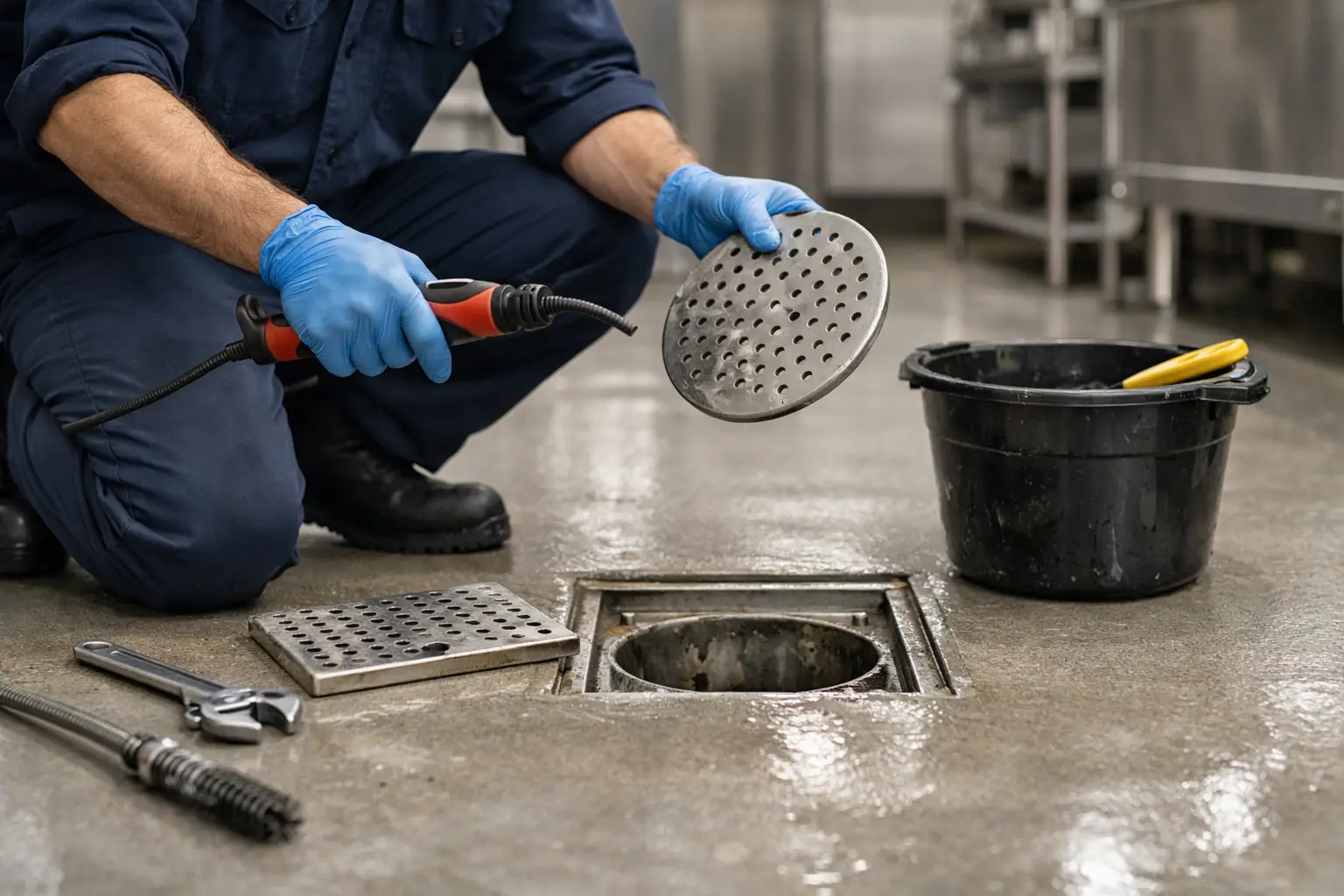
A blocked drain at 7am before work needs a straight answer, not jargon. When people ask about drain jetting vs rodding, they usually want to know one thing – what will clear the blockage properly without wasting time or money. The right method depends on what is causing the problem, where it sits in the pipework, and whether this is a one-off blockage or part of a bigger fault.
Drain jetting vs rodding: the basic difference
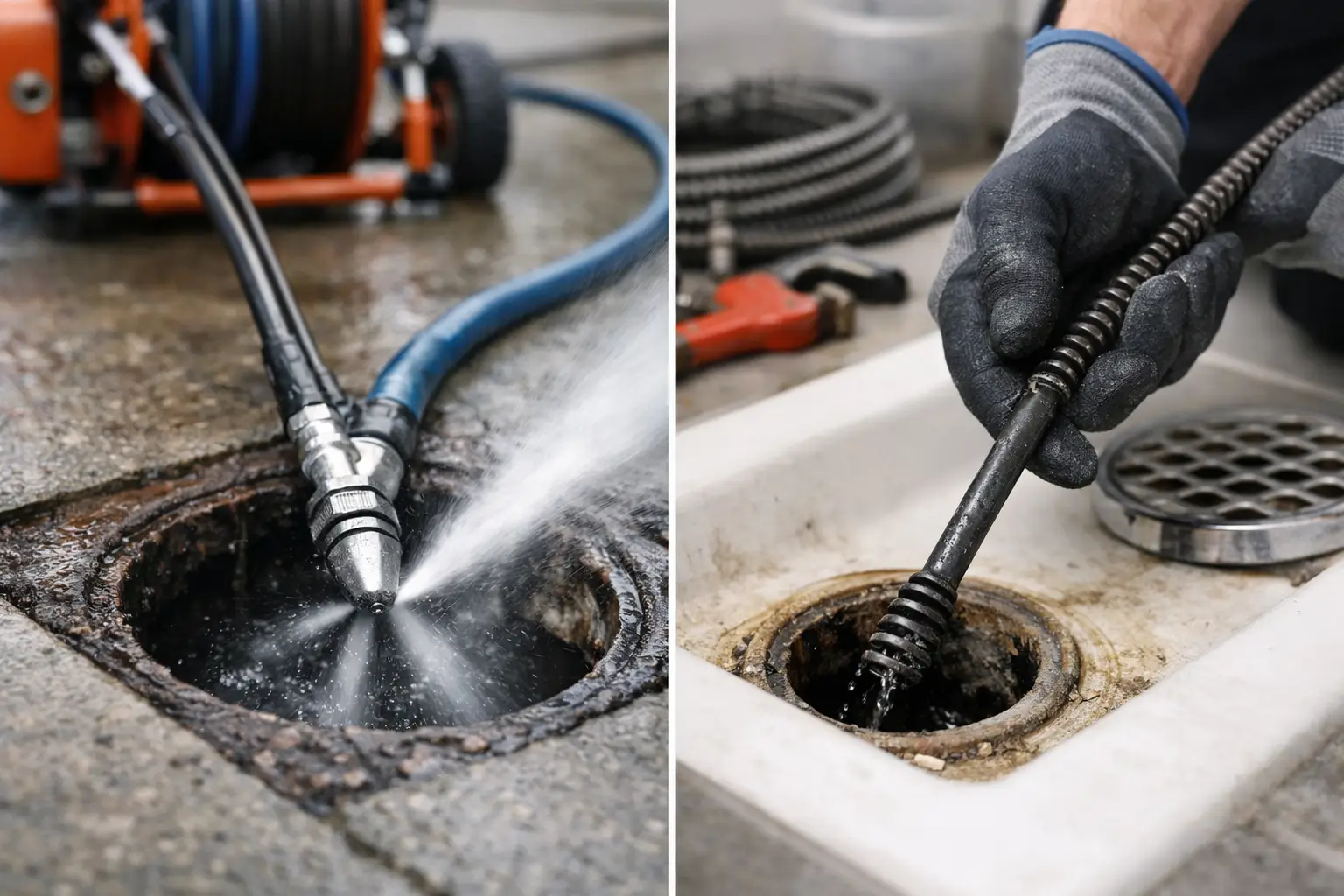
Rodding is the more manual option. It uses a set of flexible rods screwed together and fed into the drain to push through or break up an obstruction. It has been used for years because it is simple, quick to deploy and often effective on straightforward blockages.
Drain jetting uses high-pressure water to cut through and flush out debris inside the pipe. Rather than just punching a hole through the blockage, it cleans the pipe walls as it works. That makes it a better fit for grease build-up, sludge, scale, silt and compacted waste that tends to cling to the drain and come back if it is only partly cleared.
On the surface, both methods are there to unblock drains. In practice, they do different jobs and give different results.
When rodding is the right choice
Rodding still has a place, especially when access is limited or the blockage is fairly localised. If a drain is blocked close to the inspection chamber and the obstruction is something loose or solid that can be shifted mechanically, rods can be a sensible first step.
It can also be useful in an emergency where a technician needs to restore some flow quickly before carrying out further checks. For example, if wastewater is backing up and immediate relief is the priority, rodding may help get things moving again.
That said, rodding has limits. It does not clean the full diameter of the pipe. It typically creates a route through the blockage rather than removing all the material causing it. If the issue is fat build-up from a commercial kitchen, wipes caught on rough pipework, or years of scale in an older line, rodding may only provide a short-term result.
There is also the condition of the drain to think about. Old or damaged pipework can be vulnerable if rods are used forcefully or incorrectly, particularly around joints and bends.
When drain jetting is the better option
High-pressure water jetting is usually the stronger choice when the aim is not just to restore flow, but to clear the line properly. It is especially effective on recurring blockages, drains that empty slowly, and systems carrying grease, soap, food waste or silt.
Because the water scours the inside of the pipe, jetting removes the build-up left behind by more basic methods. That matters if a customer is tired of calling someone out every few months for the same problem. A drain that is only partly cleared is a drain that is likely to block again.
Jetting can also reach further into the system and work through more stubborn obstructions. In many cases it is the best way to deal with debris spread along a length of pipe rather than one single plug near the access point.
For commercial sites, shared drainage runs and larger external drains, jetting is often the more efficient method. It covers more ground and gives a more thorough clean.
The real issue is not the tool – it is the diagnosis
This is where plenty of drainage jobs go wrong. Someone turns up, uses whichever method is quickest to hand, and leaves once the water starts moving. That may feel like the problem has been solved, but if the drain is blocked because of a collapsed section, root ingress or a poor fall in the pipe, the symptoms will return.
A proper drainage engineer should look at the likely cause before deciding how to clear it. If there are signs of repeat failures, foul smells, slow draining across multiple fixtures or outside gullies overflowing, it often makes sense to inspect the line more closely. In some cases, a CCTV drain survey after unblocking is the sensible next step because it shows whether the blockage was the whole problem or just the warning sign.
That diagnosis-led approach usually saves money over time. It avoids repeat call-outs and helps separate a simple blockage from a repair issue.
Drain jetting vs rodding on common blockage types
If the blockage is caused by toilet paper, sanitary waste or a simple obstruction sitting near the chamber, rodding may do the job well enough. If the drain is full of congealed grease, washing residue, wet wipes, leaves, silt or general build-up along the pipe walls, jetting is far more likely to give a lasting result.
Tree roots are a slightly different case. Jetting can help remove finer root masses and clear washed-in debris, but heavy root ingress often points to damaged joints or cracked pipework. In that situation, unblocking the drain is only part of the answer. The pipe may need repair, relining or replacement if the fault is to be fixed properly.
For older systems, the condition of the pipe should always be taken into account. Jetting is highly effective, but it needs to be carried out with the right equipment and pressure for the drain in question. A competent team will match the method to the pipework rather than taking a one-size-fits-all approach.
Which is cheaper?
Rodding can be cheaper at the front end because it is a simpler process and may take less time on a straightforward blockage. If the obstruction is minor and easily reached, that can be perfectly reasonable.
But cheapest on day one is not always cheapest overall. If rodding only opens a narrow channel through compacted waste and the drain blocks again two weeks later, the customer ends up paying for the same issue twice. Jetting often costs more than basic rodding because of the specialist equipment involved, but it can offer better value where a deeper clean is needed.
The fairest answer is that cost depends on access, severity, pipe length and whether further investigation is required. Honest pricing matters here. Customers should know whether they are paying for a temporary clearance or a proper attempt to resolve the root cause.
What about safety and mess?
Both methods should be carried out by someone who understands drainage systems, but jetting in particular needs professional handling. High-pressure water is extremely effective, which is exactly why training and correct use matter.
From a customer point of view, either method should be managed with minimal disruption when the work is done properly. The bigger difference is usually not mess but confidence. A clear explanation of what has been found, what method is being used and what happens next goes a long way when you are dealing with an unpleasant drainage problem.
So which one should you choose?
If you are dealing with a simple, localised blockage and need a quick manual solution, rodding may be enough. If the drain keeps blocking, is slow-running, or is likely to be coated with grease, sludge or scale, jetting is usually the better option.
If you are not sure what is causing the issue, that is normal. Most customers are not expected to know whether the problem is wipes in a bend, roots in the line or a damaged section underground. What matters is having the drain assessed properly and choosing the method that fits the fault, not just the symptom.
That is why experienced drainage teams often use both methods where appropriate. One is not automatically better than the other in every situation. The best result comes from using the right tool, with the right access, after the right checks.
For homeowners, landlords and commercial sites across the Black Country and wider region, the sensible question is not simply drain jetting vs rodding. It is whether the blockage is being dealt with properly the first time. West Midlands Drainage approaches it that way – clear the problem, identify the cause, and if there is underlying damage, explain the next step plainly.
If your drains are backing up, gurgling, emptying slowly or blocking again after a recent fix, the safest bet is to stop guessing and get the line checked properly. A quick clearance has its place, but a proper diagnosis is what turns an emergency into a lasting repair.