A drain can be cleared and still be faulty. If your toilet, sink or external drain keeps backing up after unblocking, the question is not just how to remove the blockage – it is when do you need drain relining to deal with the damage causing it. Relining can repair many underground pipes without digging up patios, driveways or gardens, but it is not the right answer for every drain problem.
The sensible starting point is a proper diagnosis. A CCTV drain survey shows what is happening inside the pipework, where the defect sits and whether a no-dig repair will provide a lasting result. That means you can make a decision based on evidence, rather than paying for repeat call-outs that only clear the symptoms.
When Do You Need Drain Relining Rather Than Unblocking?
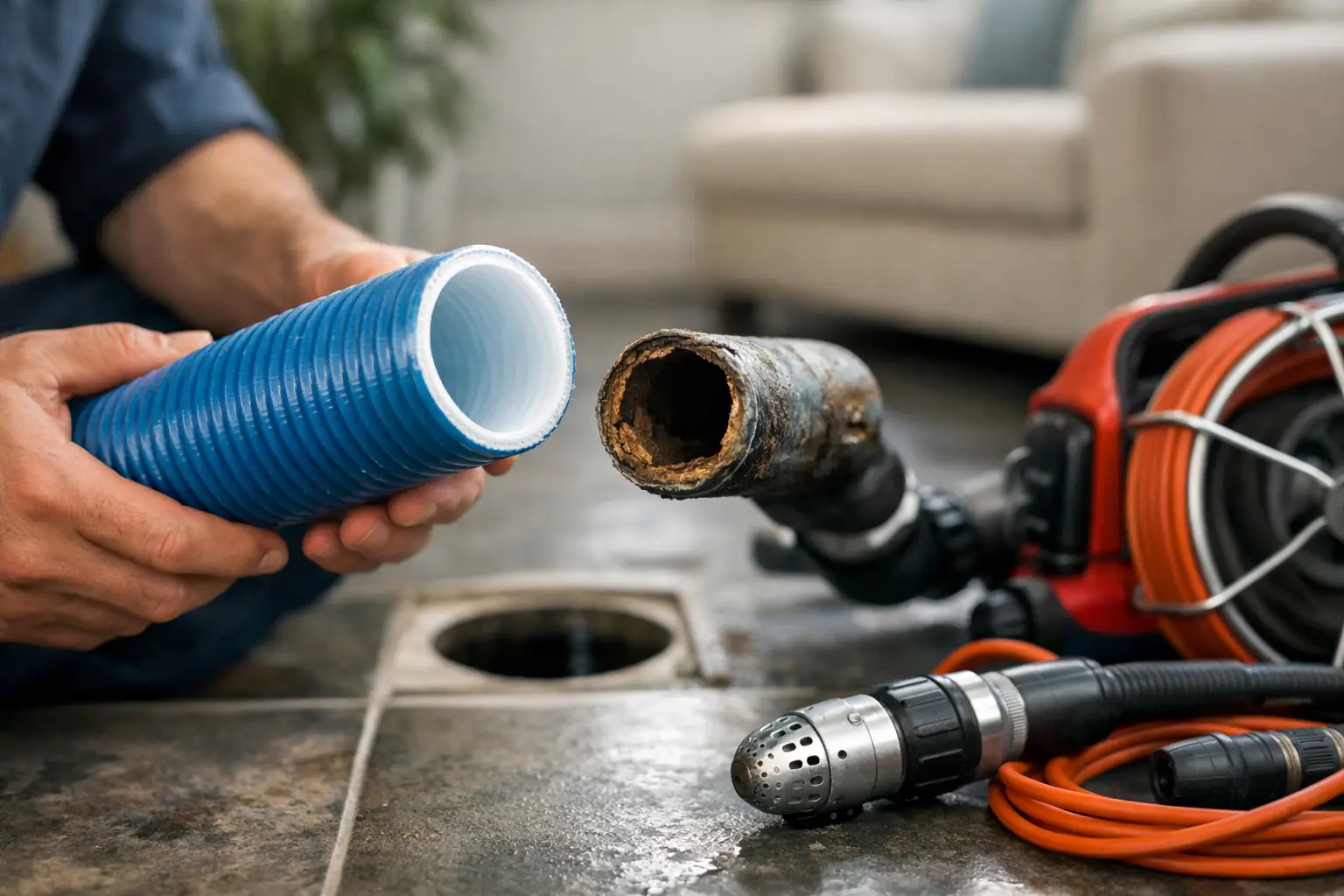
Drain relining is normally considered when the pipe itself is damaged, weakened or allowing debris and roots to enter. Unblocking removes material from inside the drain. Relining repairs the internal wall of the pipe, creating a new, durable lining within it.
A single blockage caused by fat, wipes, food waste or a build-up of scale does not automatically mean the drain needs repairing. High-pressure water jetting may be all that is required. However, if the same drain blocks again within weeks or months, there is usually a reason it is catching waste in the first place.
Common signs that a drain may need relining include recurring blockages in the same location, slow drainage across more than one fitting, foul smells outside, gullies overflowing in wet weather, or signs of damp and subsidence near an underground drain run. Tree roots appearing in a drain chamber are another clear warning. Roots often enter through small cracks or failed joints, then expand inside the pipe and trap paper, wipes and other waste.
A CCTV survey may reveal cracks, open joints, displaced sections, fractures, root ingress or corrosion. Older clay pipework is particularly prone to joint movement, while some pitch fibre drains can deform or blister as they age. In each case, the condition of the pipe matters more than the visible symptom above ground.
What Drain Relining Can Repair
CIPP drain relining, short for cured-in-place pipe relining, is a no-dig repair method. A resin-impregnated liner is installed inside the existing pipe, positioned over the damaged section and cured to form a tough new pipe within the old one.
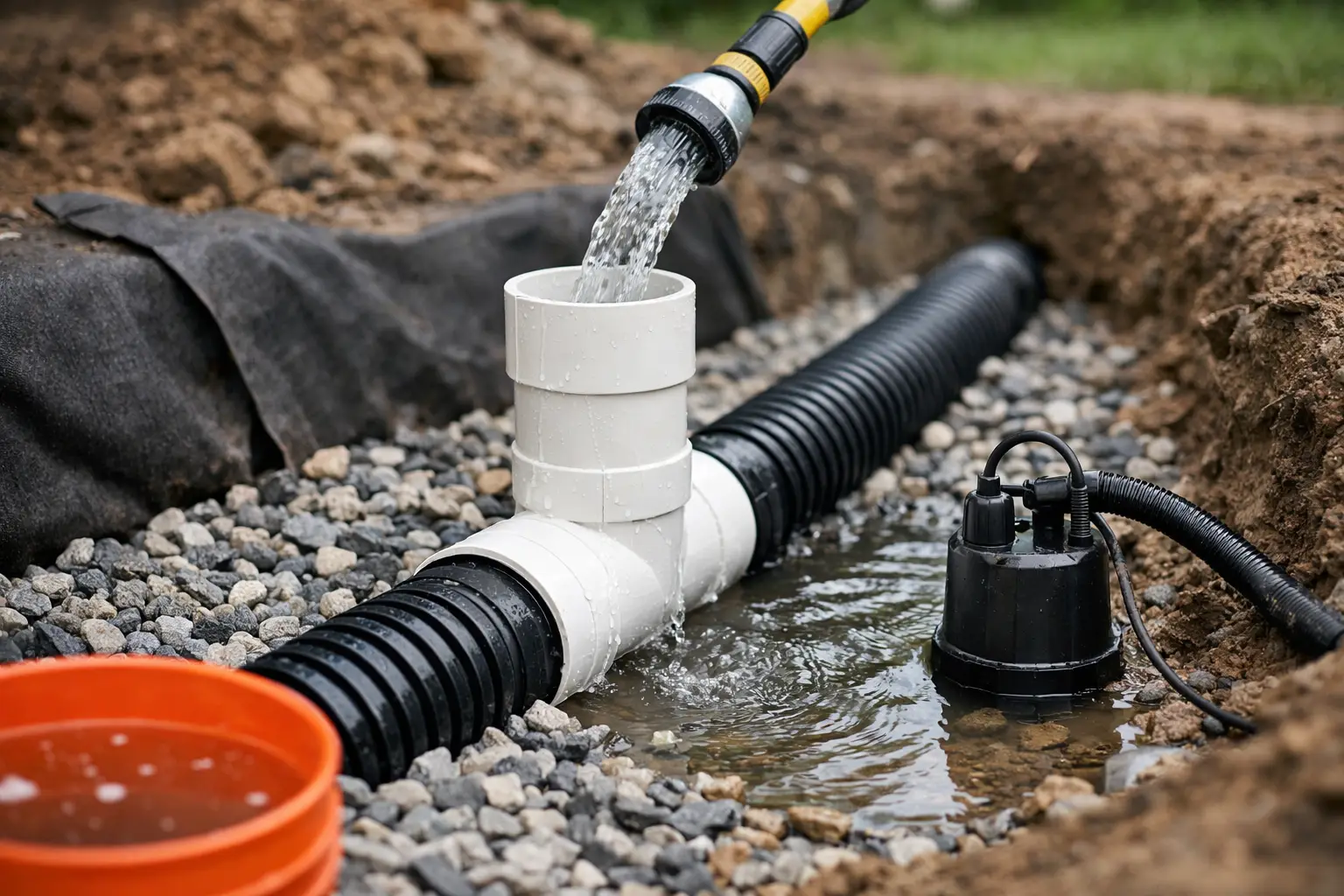
It is often a good option for localised cracks, leaking joints, root damage and sections with surface wear. It can also be useful where excavation would mean lifting block paving, cutting through concrete, disturbing a landscaped garden or disrupting a commercial premises.
For a homeowner, that can reduce mess and avoid the cost of reinstatement. For landlords and facilities managers, it can help keep disruption to tenants, customers and daily operations to a minimum. The work is still a repair, not a shortcut. The drain must first be cleaned thoroughly, inspected and measured so the liner is fitted correctly.
Relining can be installed as a patch repair for a specific defect or along a longer run where the pipe has more widespread deterioration. The right approach depends on the survey findings, the pipe diameter, access points and how much of the drain is affected.
Situations Where Excavation May Be Better
No-dig technology is highly effective, but an honest drainage contractor should not recommend it where it is unsuitable. A liner follows the shape of the existing pipe, so it cannot correct every structural issue.
Excavation may be the better option if the pipe has collapsed completely, has a major section missing, is severely displaced, or has a serious fall problem that prevents waste from flowing correctly. If a drain has bellied, meaning it has sunk and holds standing water, relining may seal defects but will not restore the correct gradient.
The same applies where the pipe diameter is already too restricted. A liner slightly reduces the internal bore of the drain. This is usually not a concern in a sound, correctly sized pipe, but it must be considered where capacity is already marginal or a commercial property has high waste volumes.
A survey also helps identify whether the issue sits on private pipework or a shared section. Responsibility can be more complicated with shared drains, so it is worth establishing the pipe route and ownership before authorising repairs.
How a CCTV Drain Survey Leads to the Right Repair
Guesswork is expensive underground. The pipe may be several metres from the nearest access chamber, beneath a driveway or running close to foundations. Digging based on a rough assumption risks unnecessary disruption and does not guarantee the actual fault has been found.
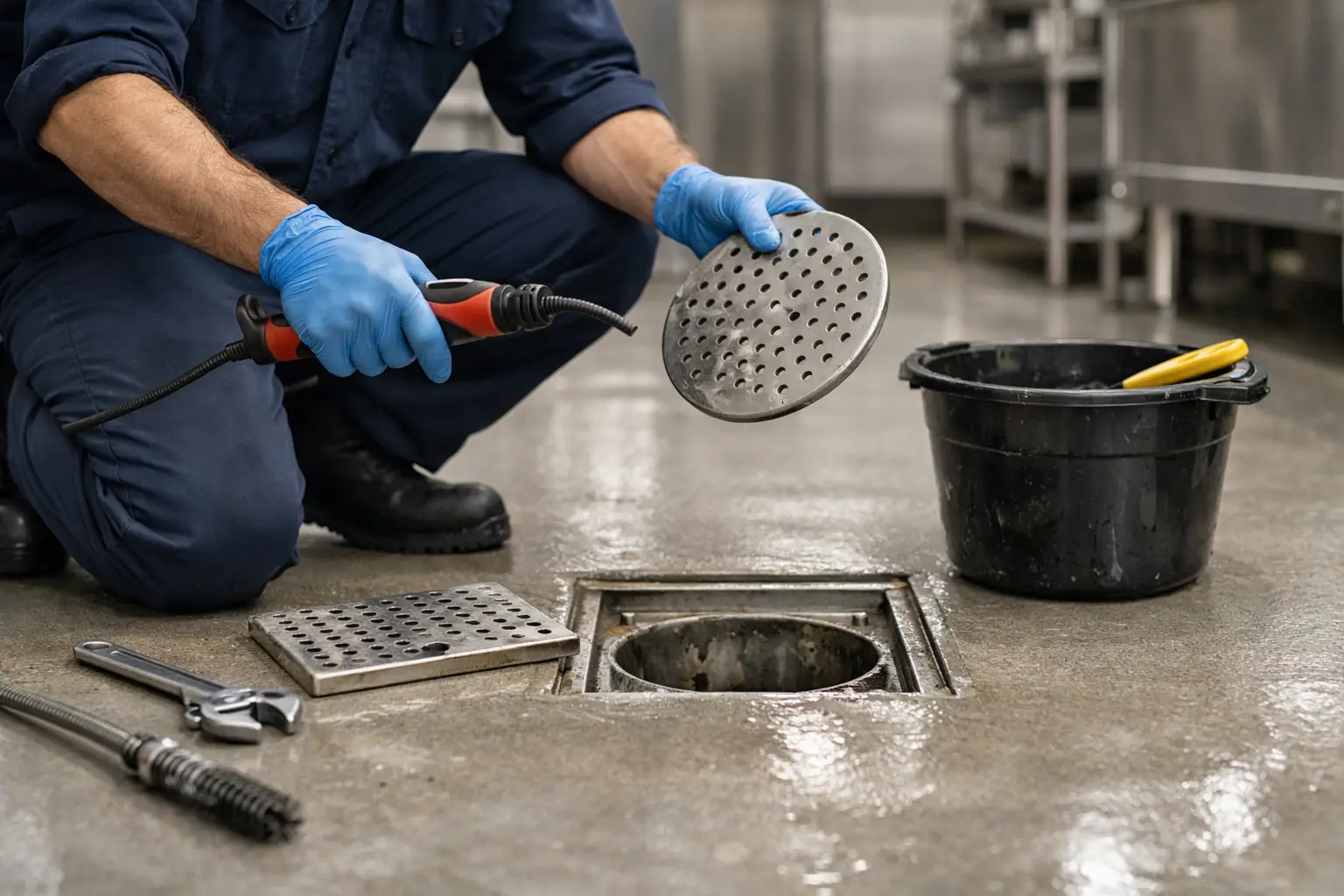
A CCTV drain survey uses a specialist camera to inspect the line from inside. The footage allows the engineer to identify defects, assess their severity and locate them accurately. It also confirms whether a blockage has been fully removed before repair work is planned.
For recurring issues, this is usually the point where a temporary fix becomes a proper solution. You should receive a clear explanation of what the survey shows, what repair options are available and why one method is recommended over another. Ask whether the price includes drain cleaning, the repair itself, post-repair inspection and any guarantee. Clear pricing before work begins is especially important when the problem has already caused stress or property damage.
At West Midlands Drainage, diagnosis-led work means checking the condition of the pipework before recommending a repair. The aim is not to sell relining on every job. It is to stop the same fault creating repeated blockages, call-outs and avoidable cost.
The Drain Relining Process
Once relining has been confirmed as suitable, the drain is first cleaned using professional jetting equipment. Roots, scale, loose debris and standing water must be removed so the liner can bond and sit correctly against the pipe wall.
The damaged section is then measured and the liner is prepared for that length and diameter. It is inserted through an existing access point, such as a manhole or inspection chamber, so there is usually no need to excavate above the pipe. Depending on the system and site conditions, the liner is expanded and cured with controlled heat, steam, hot water or ambient curing resin.
After curing, a further camera inspection checks that the liner has formed properly and that the drain is flowing as it should. If the lined section covers a branch connection, that connection can be reopened using specialist cutting equipment. The result should be a continuous internal repair that seals cracks and joints, while helping prevent roots from getting back into the pipe.
The length of the job depends on access, cleaning requirements, the extent of damage and curing time. A straightforward local repair can often be completed far more quickly than excavation and reinstatement, but it should never be rushed at the expense of preparation or inspection.
Is Drain Relining Worth the Cost?
The cost of drain relining varies because no two drainage systems are identical. A small patch repair is different from lining a long run beneath a driveway, and heavily rooted pipes need more preparation than a clean pipe with one cracked joint.
The useful comparison is not simply relining versus digging. It is relining versus the full cost of excavation: locating the fault, breaking out surfaces, replacing pipework, backfilling, testing and reinstating paving, tarmac, turf or flooring. Where the pipe is structurally suitable, no-dig repair can represent good value because it addresses the fault with less disruption.
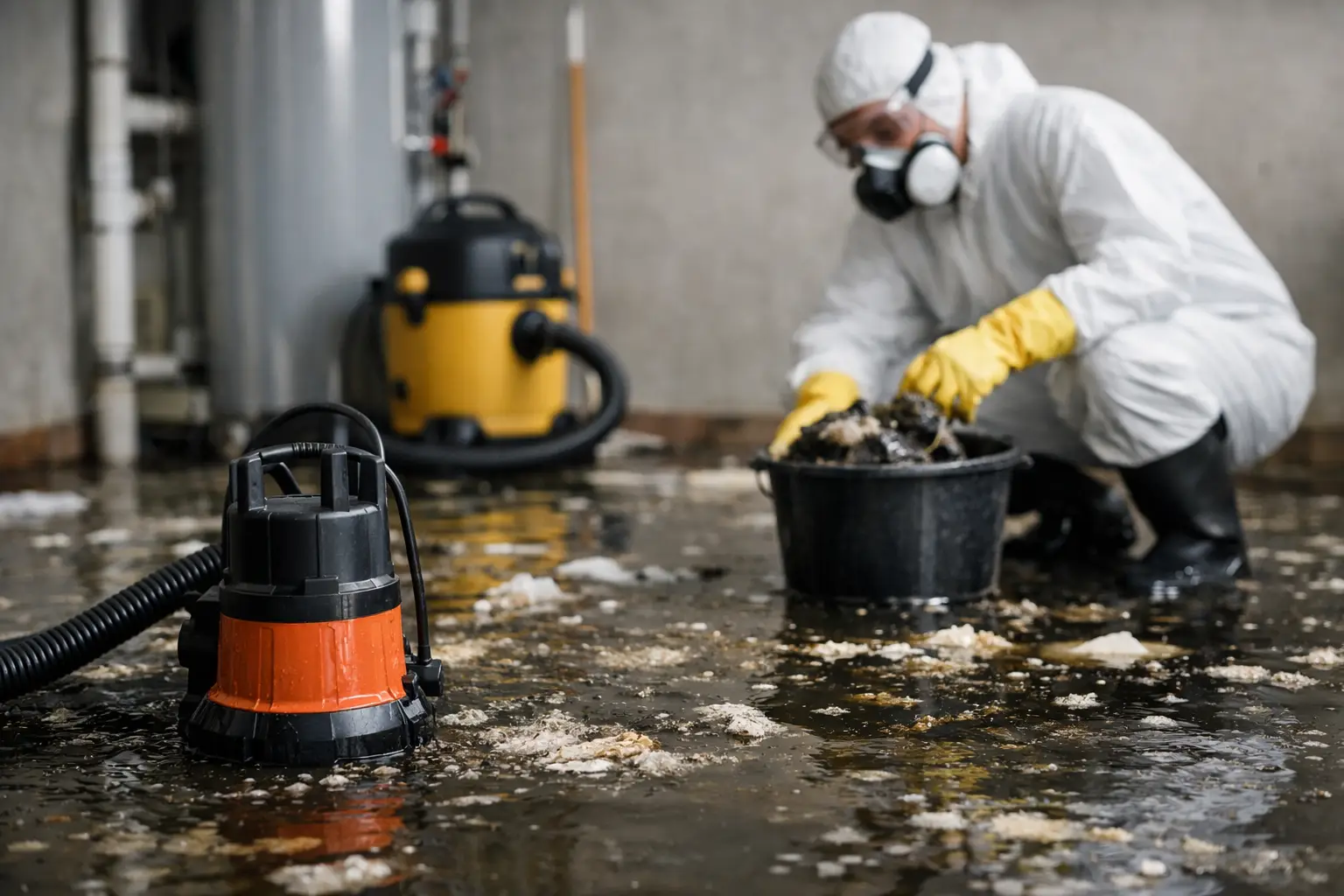
It can also be cheaper than doing nothing. Repeated blockages may lead to internal flooding, unpleasant odours, lost trading time, tenant complaints or damage to surrounding ground. A leaking drain can wash away soil over time, so an early repair is often easier to manage than waiting for the defect to worsen.
Do Not Wait for a Complete Failure
You do not need to wait until sewage is backing up into the property before arranging an inspection. A recurring blocked drain, persistent smell or repeated root removal is enough reason to investigate the cause. This is particularly true before buying a property, starting an extension or laying a new driveway over existing drainage.
A clear CCTV survey and an honest repair recommendation give you control over the next step. If relining is right for the pipe, it can provide a durable repair without turning your property into a building site. If it is not, knowing that early allows the correct excavation work to be planned properly – with no hidden surprises and no temporary fixes dressed up as a solution.