A drain leak rarely announces itself with a burst pipe or a flooded kitchen. More often, it starts with a damp patch near an outside wall, a persistent drain smell, a patch of grass that grows faster than the rest, or a toilet that begins backing up after heavy rain. Knowing how to identify drain leaks early can prevent structural damage, unpleasant odours and a much larger repair bill later on.
The challenge is that most drainage pipework sits below floors, gardens, drives or patios. You cannot always see the fault directly, so the job is to recognise the warning signs, rule out simpler causes and arrange a proper diagnosis before the problem worsens.
How to identify drain leaks around your property
Drain leaks can happen in internal waste pipes, soil stacks, gullies or underground drains. The location and pattern of the symptoms often provide the first useful clue.
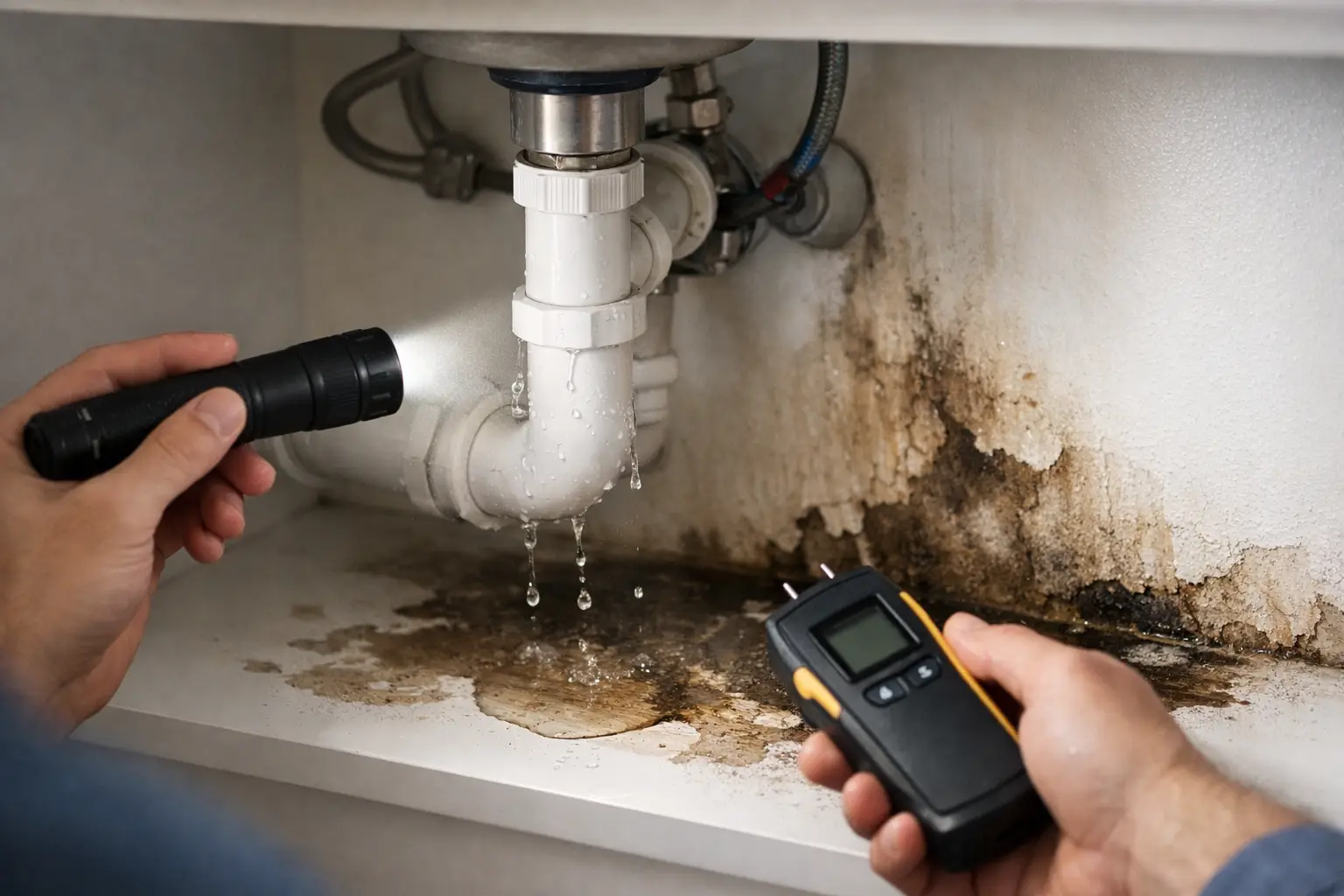
Start by looking for dampness that does not have an obvious explanation. A leak from a shower waste, basin pipe or washing machine connection may show up as staining on a ceiling, bubbling paint, soft flooring or a musty smell in the room below. These are generally easier to trace because the pipework is close to the surface.
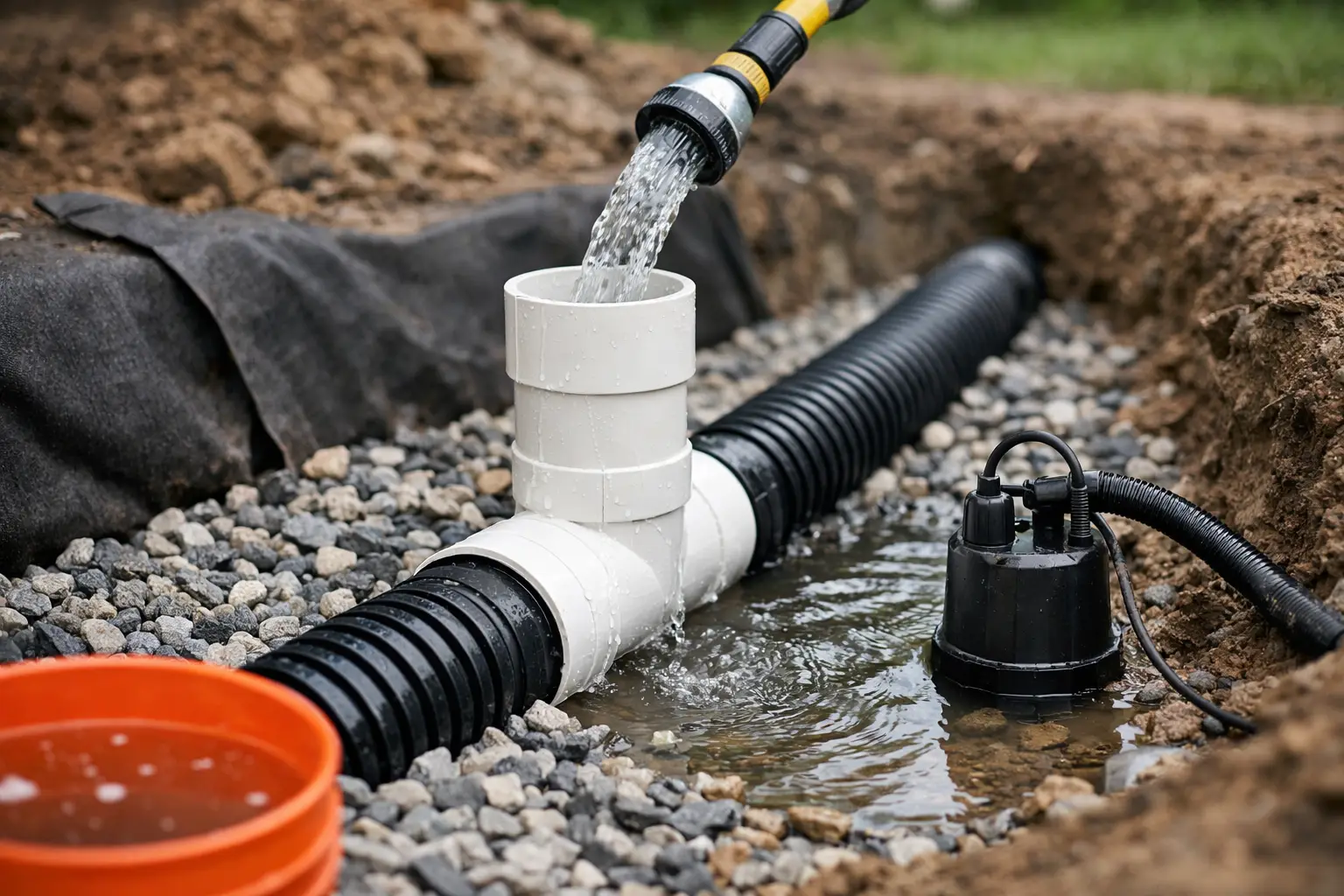
An underground drain leak tends to cause signs outdoors or at ground level. Check around manhole covers, gullies, paths and external walls. Waterlogged soil during dry weather, sunken paving, cracks in a driveway, stained brickwork and foul smells can all point to damaged drainage pipework beneath the ground.
A single blocked drain does not automatically mean there is a leak. However, repeated blockages in the same place are a strong reason to investigate further. Roots, displaced joints, cracked pipes and collapsed sections can catch waste and toilet paper, creating a blockage first and exposing the underlying defect later.
Warning signs that should not be ignored
Some drainage faults develop slowly, while others become obvious after rain or when several appliances are used at once. Watch for a combination of signs rather than relying on one symptom alone.
- Persistent sewage or rotten-egg smells indoors, near gullies or around inspection chambers
- Slow-draining sinks, baths, showers or toilets that keep returning after plunging or clearing
- Damp patches, mould or staining on walls, ceilings and floors with no visible plumbing leak
- Unusually lush, wet or sunken areas of lawn, soil, paving or tarmac
- Gurgling sounds from plugholes or toilets when another appliance empties
- Water or sewage appearing around a manhole cover, gully or external drain
Bad smells deserve quick attention. A dry trap can cause an occasional odour, particularly in an unused bathroom or utility room, and may be resolved by running water through the fitting. If the smell returns, is strongest outdoors, or arrives with slow drainage and gurgling, the issue is more likely to be in the pipework.
Likewise, a wet patch in a garden can have other causes, such as poor surface-water drainage, a leaking water supply pipe or rainwater run-off. The key difference is timing. A drainage leak often becomes more noticeable after toilets are flushed, washing machines discharge or baths are emptied. A clean-water supply leak may remain constant even when nobody is using water.
Check safely before calling for a drain survey
There are a few sensible checks a homeowner, landlord or site manager can make without disturbing the drainage system. First, establish whether the problem is linked to foul water, rainwater or the mains water supply.
Use water fixtures one at a time and watch for changes. Flush the toilet, then check whether a nearby gully gurgles, overflows or produces a stronger smell. Empty a basin or bath and listen for unusual noises from other plugholes. If several fixtures affect one another, the fault may be in a shared branch drain rather than the individual appliance.
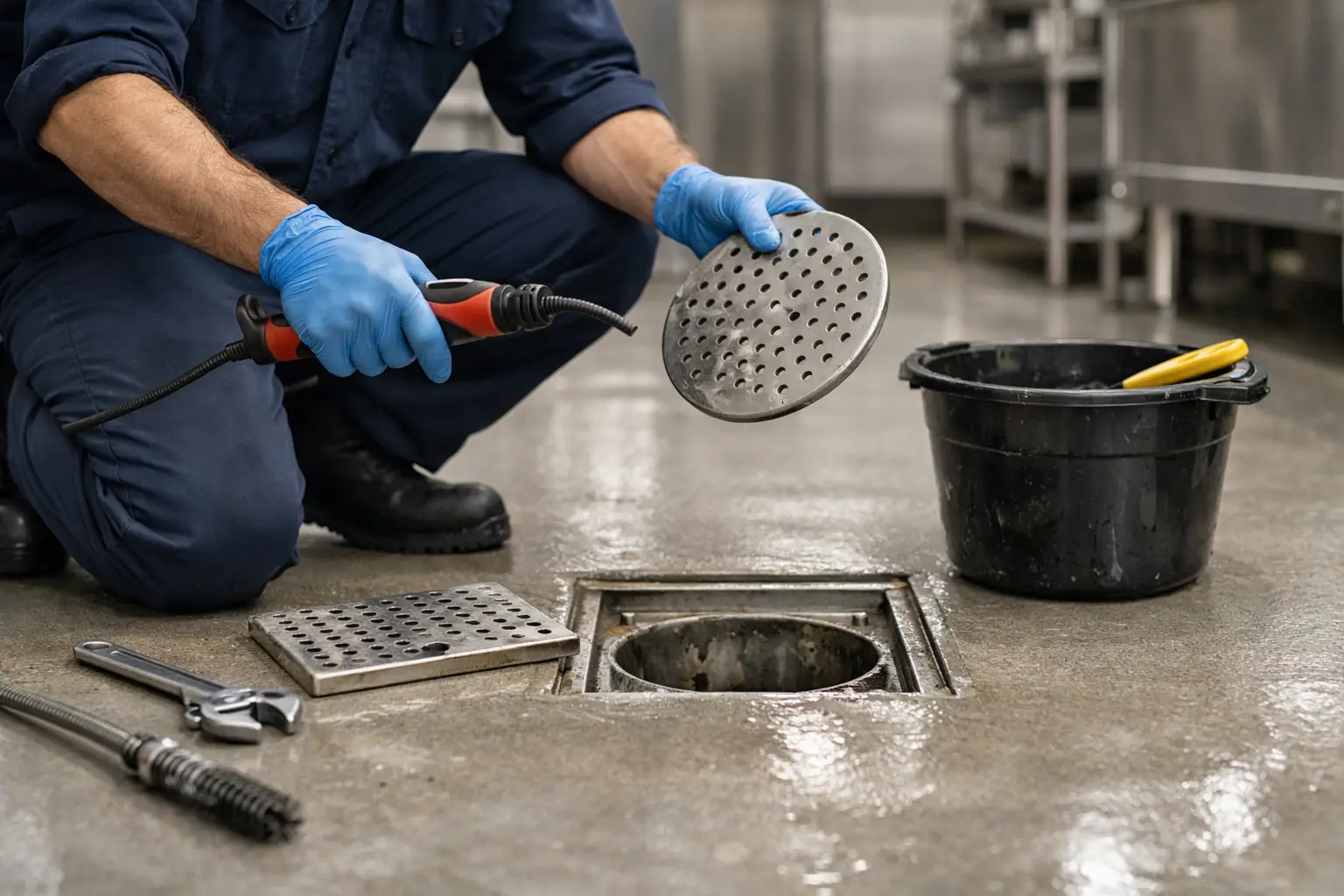
If your property has accessible inspection chambers, lift the cover only if it can be done safely and without forcing it. Look for standing water where there should be a clear channel, obvious backing up, displaced debris or damaged benching around the chamber. Do not lean into the chamber, enter it, or attempt to clear a deep blockage with improvised rods. Drain gases and unstable covers are genuine hazards.
You can also check your water meter. Turn off all taps and appliances that use water, then note whether the meter continues moving over a short period. Movement can suggest a leak on the water supply side. It does not prove a drain leak, but it helps narrow down the cause and avoids paying for the wrong repair.
Avoid pouring strong chemical drain cleaners into a suspected damaged drain. They rarely resolve a structural defect and can make conditions more hazardous for anyone carrying out later repair work. Repeated use may also damage older pipework and seals.
Why a CCTV drain survey gives a clear answer
When the signs point to an underground fault, a CCTV drain survey is the most reliable way to confirm what is happening. A drainage camera is fed through the pipe and records the internal condition of the run. This allows the engineer to identify cracks, open joints, root ingress, scale build-up, displaced sections, fractures and collapses without digging up a garden or drive simply to investigate.
The survey also establishes the practical details needed for a proper repair: where the defect is, how far it runs, the diameter and material of the pipe, and whether access is available from an inspection chamber. This is particularly useful for property buyers, landlords dealing with recurring tenant reports, and commercial premises that cannot afford repeated disruption.
A blockage may need high-pressure water jetting before the camera can pass through and provide a meaningful image. That is not a sales tactic when it is genuinely necessary. A camera cannot see through a pipe full of waste, fat or silt. The important point is that the cleaning and inspection should lead to a clear explanation of the findings, not a vague recommendation for expensive work.
The repair depends on the cause, not just the leak
A cracked or leaking drain does not always mean excavation. If the pipe is largely sound and the defect is suitable, no-dig CIPP relining can create a new pipe lining inside the old one. This can be an effective option for cracks, failed joints and root-damaged sections, especially beneath patios, landscaped areas or internal floors where digging would cause major disruption.
There are limits. A fully collapsed pipe, severe deformation, a badly displaced joint or an unsuitable pipe route may require excavation and replacement. In those cases, a diagnosis-led repair is still the better value option because the work targets the defective section rather than replacing drainage that remains serviceable.
For external leaks caused by broken gullies or damaged connections, the repair may be smaller and more straightforward. The gully can sometimes be renewed, reseated or correctly connected to restore proper flow. The right solution depends on the survey findings, ground conditions and whether the drain serves just one property or is part of a shared system.
When to treat a suspected drain leak as urgent
Call for prompt professional help if sewage is backing up into the property, wastewater is escaping from a manhole or gully, or you can see ground movement around a driveway, path or building. These conditions can create hygiene risks and may undermine surfaces or foundations if left alone.
Commercial sites should act quickly where drainage affects staff areas, customer access, food preparation spaces or washrooms. A minor leak can become a health and safety issue fast, particularly if there is standing wastewater or a recurring odour. Planned CCTV inspections are often worthwhile where a site has older drains, frequent blockages or high daily usage.
For homeowners, the most useful information to pass on is when the issue began, which fixtures trigger it, whether it worsens in wet weather, and where you have seen smells, dampness or overflow. Photographs of visible symptoms can help too. A good drainage engineer should explain the likely cause, use the right equipment to verify it, and set out repair options with clear pricing before work begins.
At West Midlands Drainage, that means looking for the root cause rather than repeatedly treating the same blockage. Whether the answer is jetting, a CCTV inspection, relining or a localised excavation, the aim is a durable repair with as little disruption as possible.
If a smell, wet patch or recurring blockage has become part of the routine at your property, do not wait for a complete failure to force the issue. Early investigation is usually cleaner, less disruptive and far easier to plan around.