A drain rarely blocks without warning. Grease builds up slowly inside kitchen pipework, hair catches on soap residue in the bathroom, and leaves collect in outside gullies until one heavy spell of rain exposes the problem. The best ways to protect drains are usually simple daily habits, backed up by early action when something starts to change.
For homeowners, landlords and business premises, prevention is cheaper and less disruptive than dealing with a flooded kitchen, overflowing toilet or backed-up yard drain. The aim is not to pour more chemicals down the sink. It is to stop unsuitable waste entering the system, keep external drainage clear and investigate recurring symptoms properly.
Keep fats, oils and food out of kitchen drains
Cooking fat is one of the most common causes of blocked kitchen drains. When hot oil, butter, gravy or fat is poured into a sink, it may appear to run away without a problem. Further down the pipe, it cools and sticks to the pipe wall. Over time, it traps food particles and forms a hard restriction that water cannot get past.
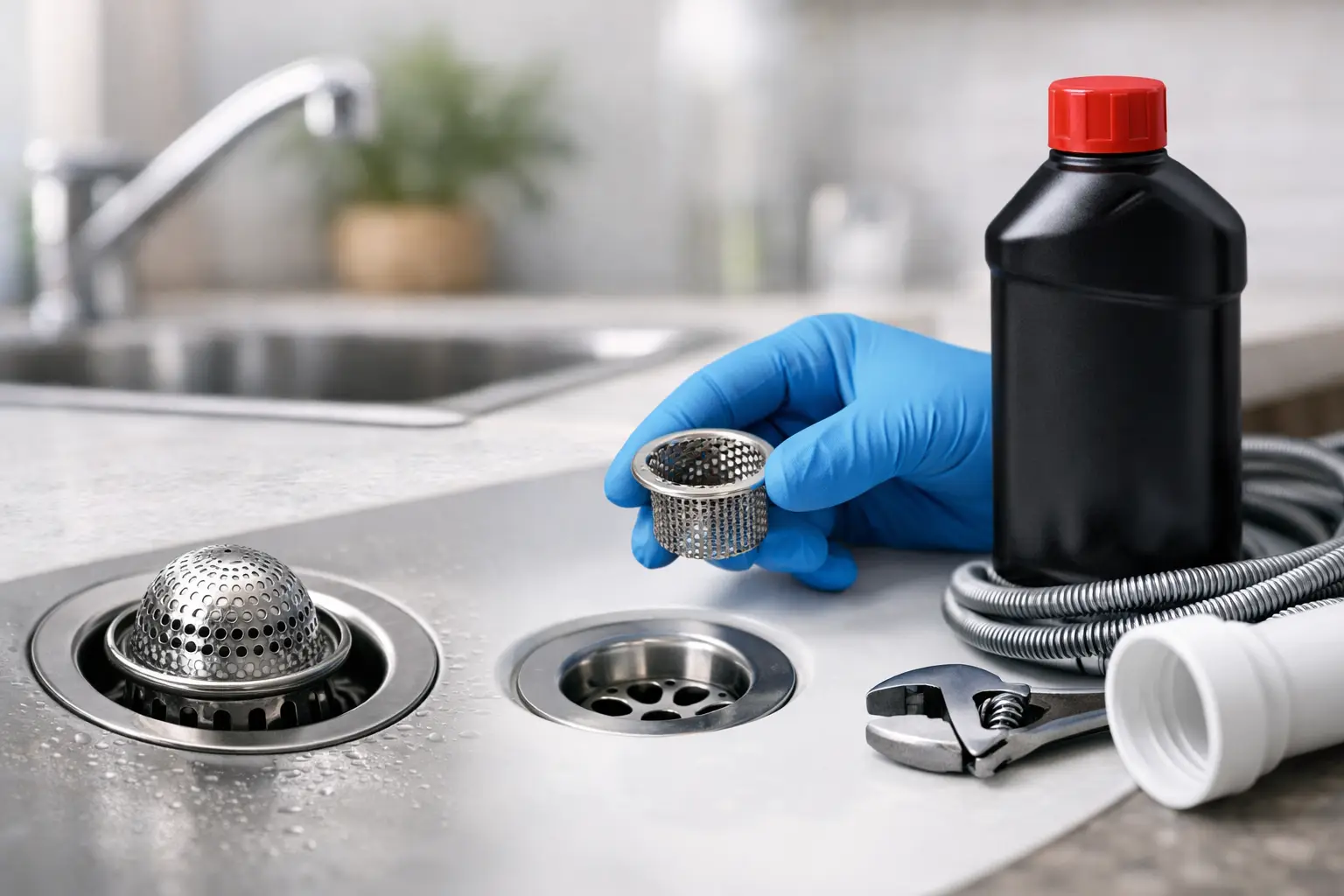
Let oils and fats cool in a container, then put them in the bin. Wipe greasy pans, roasting trays and plates with kitchen roll before washing them. A sink strainer also helps catch larger pieces of food, including rice, pasta, coffee grounds and vegetable peelings.
A small amount of washing-up water will not undo a grease build-up already forming in the drain. Hot water can shift grease temporarily, but it often settles further along the pipework. If your kitchen sink drains slowly or gives off an unpleasant smell, deal with it before it becomes a complete blockage.
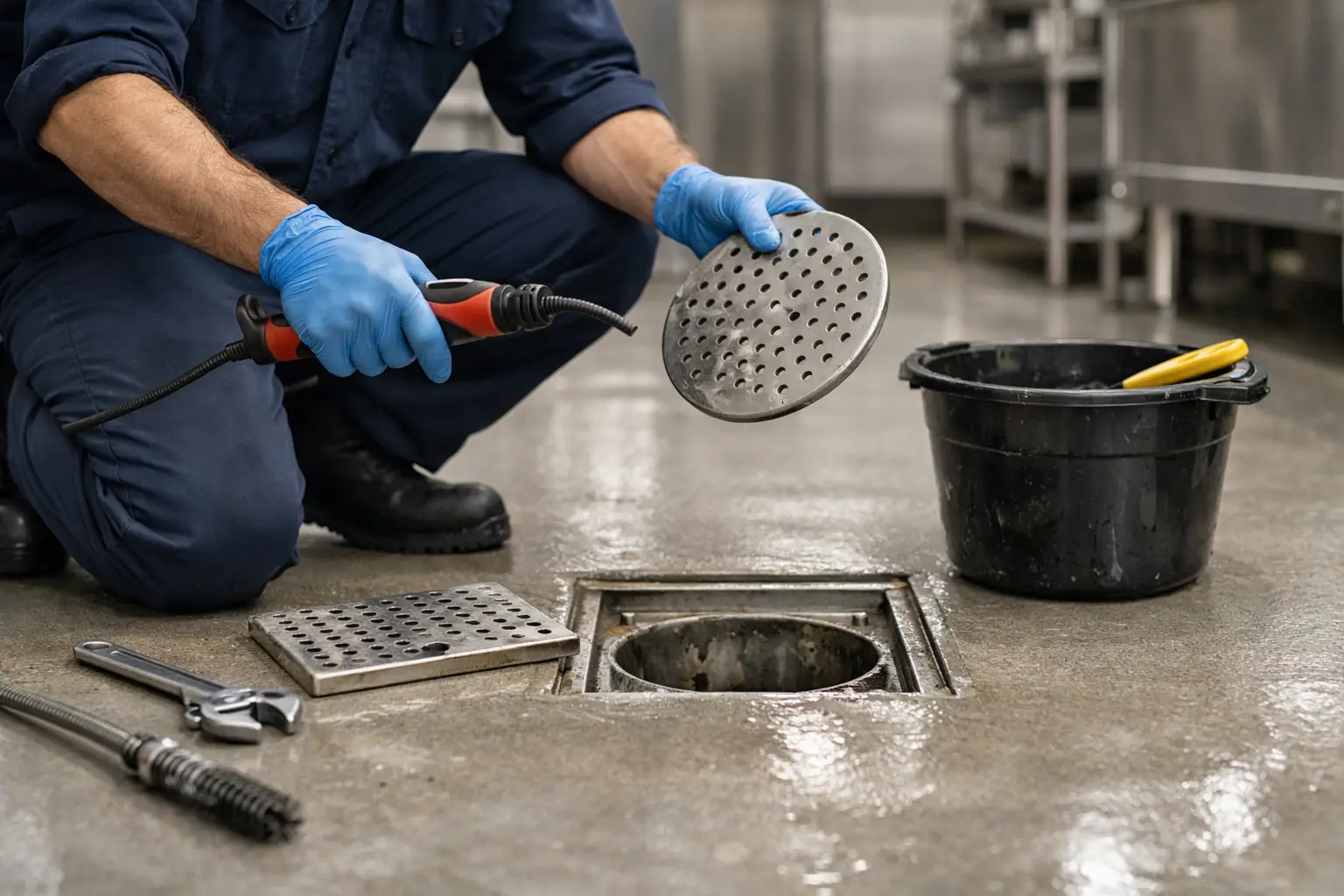
Commercial kitchens need closer control. Cafes, takeaways, pubs and staff kitchens generate far more fats, oils and grease than a domestic sink. Regular grease management and planned cleaning are far more reliable than waiting for a busy service to be interrupted by a blocked drain.
Use bathroom drains for water only
Bathroom pipework is narrower than many people realise, particularly around basins, showers and baths. Hair is the usual culprit, but it becomes far more difficult to clear when mixed with soap scum, toothpaste and limescale.
Fit a simple hair catcher over shower and bath plugholes, and empty it regularly. It is a small job that can prevent a substantial build-up further down the waste pipe. If several people use the same bathroom, check it weekly rather than waiting until the water begins pooling around your feet.
Toilets should only take toilet paper and human waste. Wipes marked as flushable, cotton wool, sanitary products, nappies, dental floss and paper towels do not break down like toilet tissue. They can snag on rough joints, root ingress or existing scale inside the pipe, creating a blockage that may affect the whole property.
A bin in the bathroom makes the right choice easier for everyone. This matters particularly in rented homes, shared accommodation and commercial washrooms, where one unsuitable item can cause a problem for many users.
Look after gullies, grids and outside drains
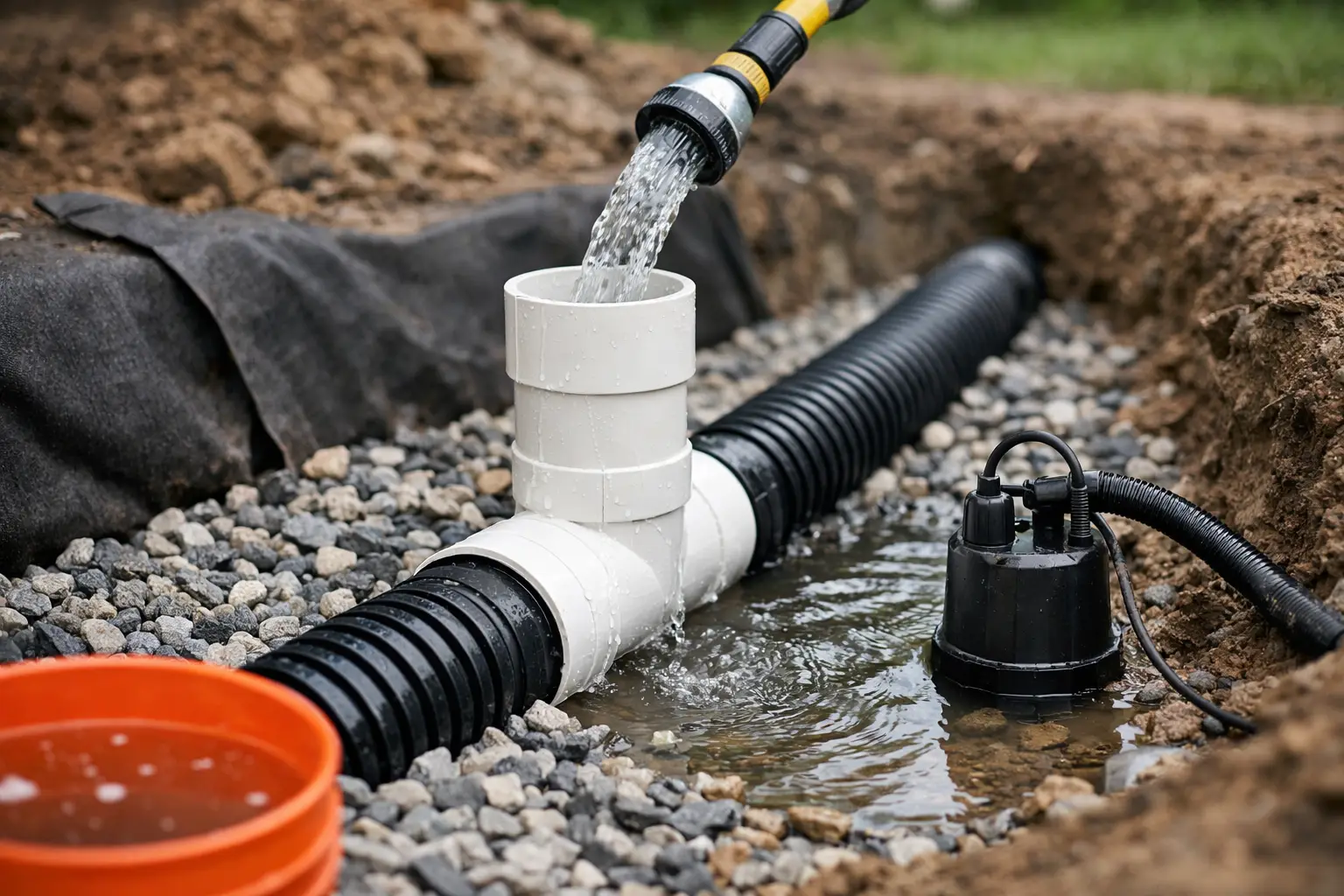
External drains have to cope with rainwater, soil, moss, leaves, litter and sometimes runoff from driveways or patios. During autumn and after high winds, blocked gullies can quickly lead to standing water around the property. If water is close to a doorway, garage or air brick, it can become more than a drainage inconvenience.
Check visible grids and gullies every few weeks, and more often when leaves are falling. Remove leaves, mud and rubbish from the top before they are washed further into the system. Keep wheelie bins, garden furniture and stored materials clear of drain covers so they remain accessible if a problem develops.
Be careful when washing patios, cars or garden equipment. Soil, sand, cement residue and gravel can all enter surface-water drains. Never wash plaster, paint, concrete slurry or building waste into a gully. These materials can set or settle inside pipework, and the eventual repair can involve excavation if they cannot be removed by jetting.
Be cautious with drain cleaners
Chemical drain cleaners are often treated as a quick fix, but they have limits. They may clear light soap or grease residue near the plughole, yet they will not resolve tree roots, collapsed pipework, displaced joints or a solid obstruction further down the line.
Strong chemicals can also be hazardous when mixed with other products, and can cause problems for anyone attempting to clear the drain afterwards. If the water is not moving, do not keep adding chemicals and hoping for a different result. Avoid using a plunger after chemical products have been poured in, as splashing can cause burns.
For minor build-up, remove and clean the trap or plughole where it is safe to do so. For a persistent blockage, professional high-pressure water jetting is a more effective way to clear the line without guessing at the cause. It removes the material from the pipe rather than simply opening a small channel through it.
Take recurring blockages seriously
One blockage after a large family meal may be down to what entered the sink. The same blockage returning every few months points to an underlying issue. The pipe may have a poor fall, a cracked section, root intrusion, scale build-up or damage caused by ground movement.
This is where a CCTV drain survey earns its keep. A camera inspection shows the inside of the drain and identifies exactly where the fault is, rather than relying on trial and error. It is especially useful before buying a property, after repeated drain clearance work, or when planning an extension that will connect to existing drainage.
The right repair depends on the condition of the pipe. In some cases, cleaning and monitoring is enough. In others, no-dig CIPP relining can repair a damaged section from within, avoiding unnecessary excavation. A badly collapsed drain may still need to be dug up, but a proper diagnosis ensures work is based on evidence rather than assumption.
Protect drains during building and garden work
Extensions, renovations and landscaping can put drainage at risk. Builders’ waste, soil and rubble can enter open pipes. Heavy machinery may crack shallow pipework, while new patios or driveways can cover access points or alter where rainwater flows.
Before work begins, establish where drains, inspection chambers and gullies are located. Make sure they remain accessible once the project is complete. If new kitchen, bathroom or utility-room pipework is being installed, correct pipe gradients and suitable connections matter as much as the finish you can see above ground.
Tree planting also needs thought. Mature roots naturally seek moisture and can enter existing cracks or joints in older drains. You do not need to remove every nearby tree, but if roots have already caused repeat blockages, a CCTV survey can show the extent of the issue and help determine whether root cutting, relining or replacement is appropriate.
Know the warning signs before a blockage becomes urgent
Slow drainage, gurgling plugholes, bad smells, rising toilet water and water appearing in an outside gully are all signs that the system needs attention. If several fixtures are affected at once, such as a toilet bubbling when the bath empties, the issue is likely further down the drainage run rather than in one local waste pipe.
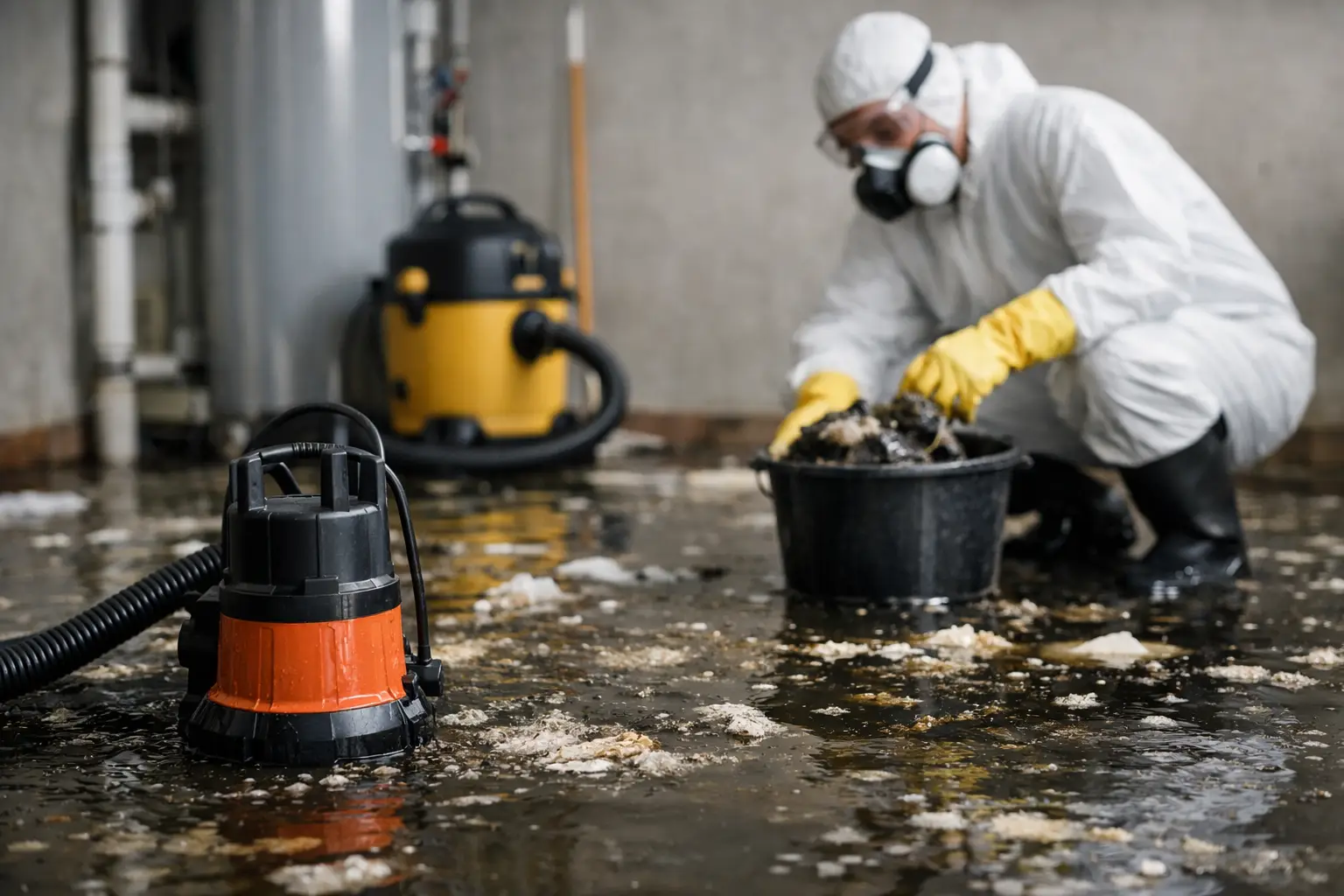
Do not wait for wastewater to back up into the property. Stop using the affected fixtures where possible and arrange an inspection or clearance. For landlords and commercial property managers, recording repeated incidents by location can reveal a pattern and help target maintenance before it affects tenants, customers or trading hours.
A practical maintenance routine for protected drains
The best protection is consistency. Keep food, grease and wipes out of the system every day; clean hair catchers and sink strainers regularly; and inspect outside gullies after storms and during autumn. If your property has a history of drainage trouble, planned maintenance is a sensible investment rather than an unnecessary expense.
For older homes, properties with large trees, busy rental accommodation and commercial sites, occasional professional inspection can prevent unpleasant surprises. West Midlands Drainage can clear, survey and repair drains across Wolverhampton and the wider area, with the focus on finding the root cause rather than arranging another temporary call-out.
A clear drain is easy to overlook. Give it a little attention now, and it is far less likely to demand it at the worst possible time.