A kitchen sink that empties slowly after every wash-up is rarely just a minor nuisance. In homes, pubs, cafés and commercial kitchens, fat, oil, grease and food particles can cling to the inside of pipework until the usable diameter of the drain is greatly reduced. Drain jetting for grease buildup is often the most effective way to remove that hardened lining properly, rather than simply pushing a small opening through it.
Grease blockages are particularly frustrating because they tend to return. A chemical cleaner may improve the flow for a short time, and a plunger may shift loose debris near the plughole, but neither deals reliably with deposits further along the pipe. The right fix depends on where the grease has collected, the condition of the drainage system and whether there is another fault allowing waste to build up in the first place.
Why grease causes stubborn drain blockages
Cooking fats are usually poured away as liquids. Once they meet cooler pipework, they begin to solidify and stick to the pipe walls. Washing-up liquid can break grease into smaller droplets temporarily, but it does not make the grease disappear. Over time, those deposits trap rice, coffee grounds, food scraps, wipes and other material that should not be entering the drain.
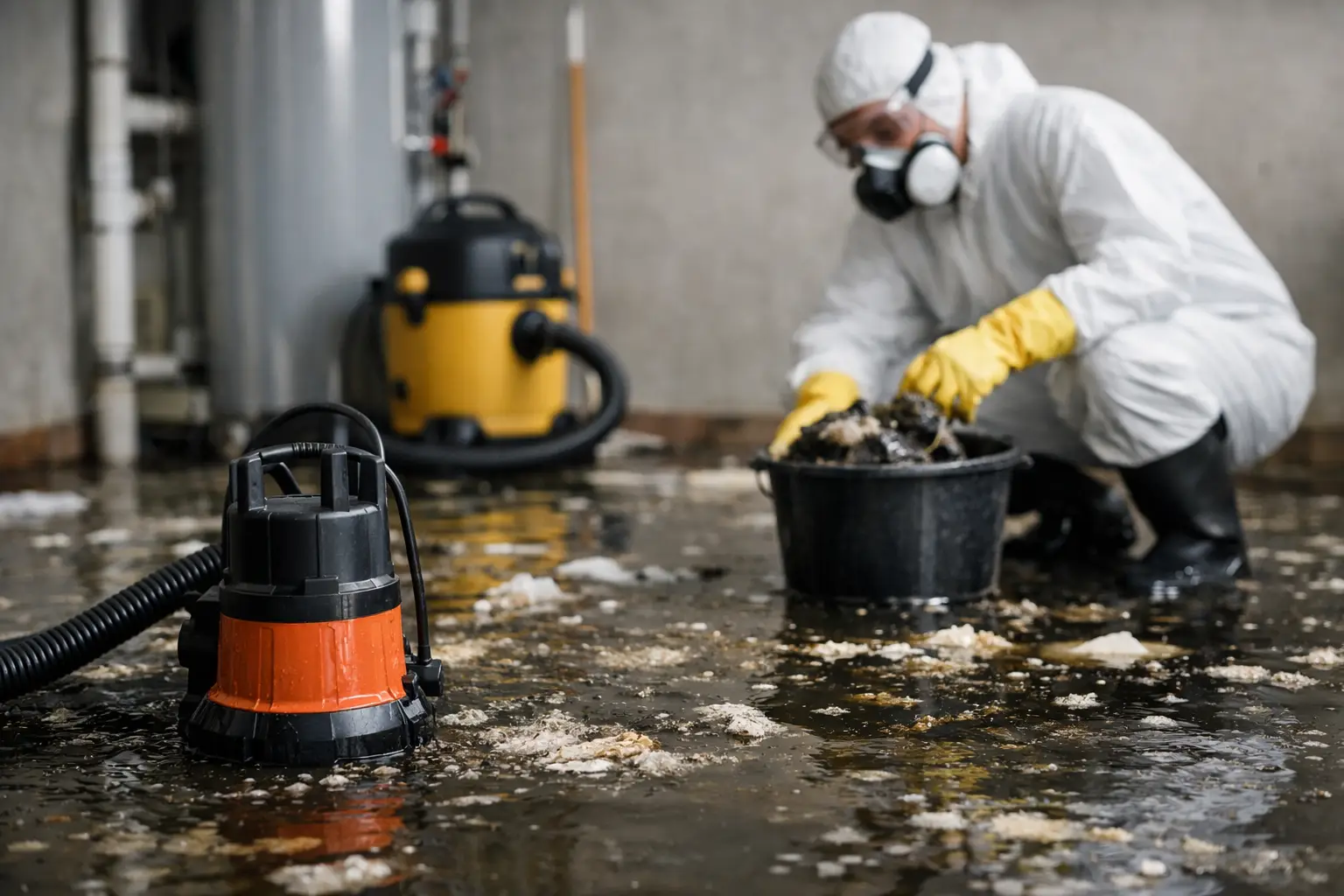
The result is often a gradual problem rather than an instant stoppage. You may notice gurgling from the sink, unpleasant smells, water taking longer to clear or waste backing up when a dishwasher empties. In commercial premises, a blocked kitchen line can quickly affect hygiene, trading and staff safety.
Older properties across the West Midlands can be more vulnerable where pipe runs are long, poorly graded or made from ageing materials. Grease may also collect at bends, junctions and damaged sections of pipe. That is why repeated blockages deserve a proper diagnosis, not another bottle of drain cleaner.
How drain jetting for grease buildup removes deposits
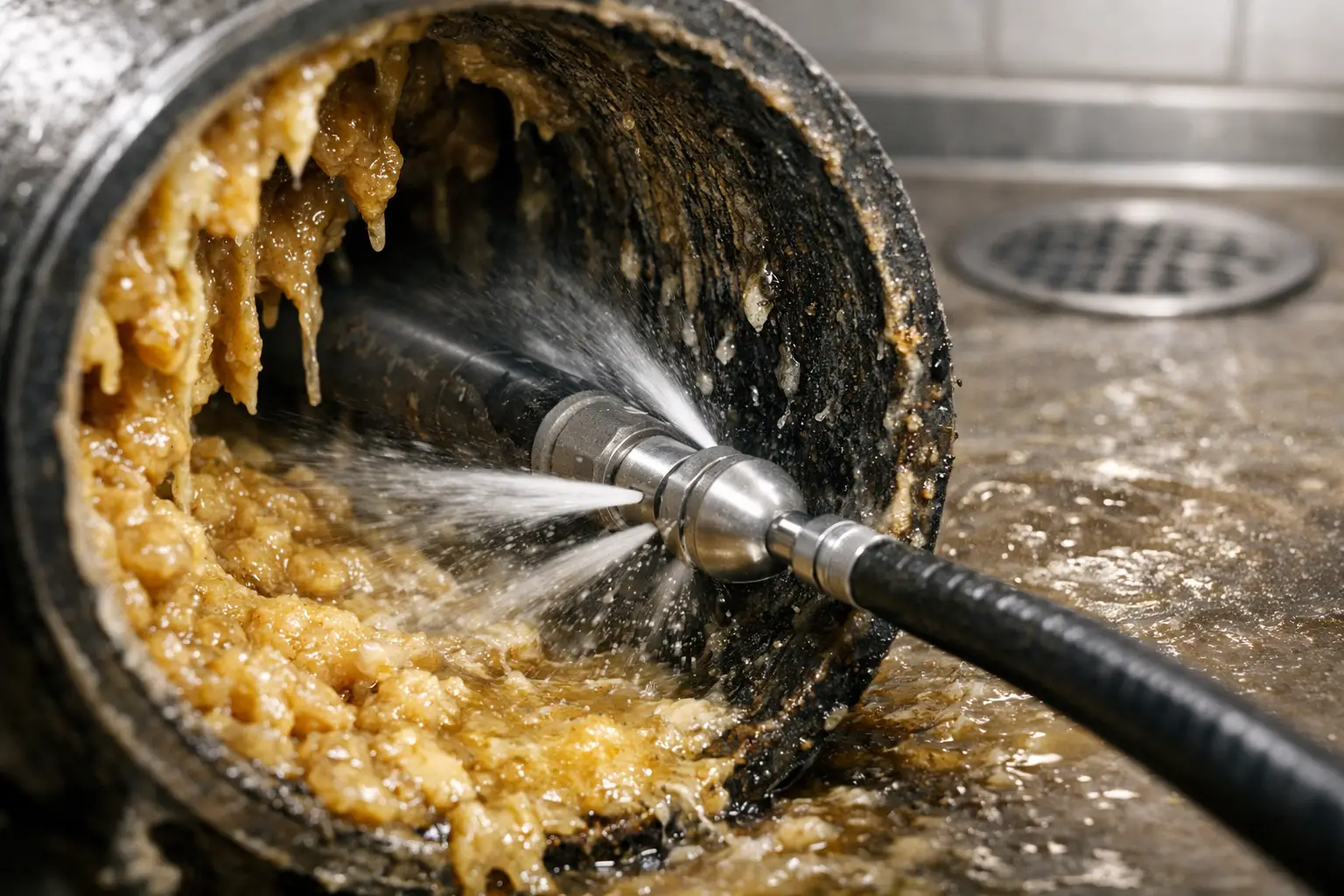
High-pressure water jetting uses a specialist jetting machine, hose and nozzle to clean the inside of a drain. The nozzle sends powerful jets of water forwards to break through the obstruction and backwards to propel the hose through the pipe while washing loosened material back towards the access point.
For grease buildup, the aim is not simply to restore a narrow channel for water to pass through. A professional operative works through the affected section to remove the greasy film and trapped debris from the pipe walls as fully as practical. This gives the system a far better chance of flowing normally after the visit.
The exact pressure, nozzle type and working method should suit the pipe size, material and blockage. More pressure is not automatically better. Used incorrectly, jetting can cause problems in fragile, displaced or already damaged drains. A competent drainage engineer will assess the situation, identify suitable access and avoid treating every blockage as though it needs the same approach.
What happens during a jetting visit
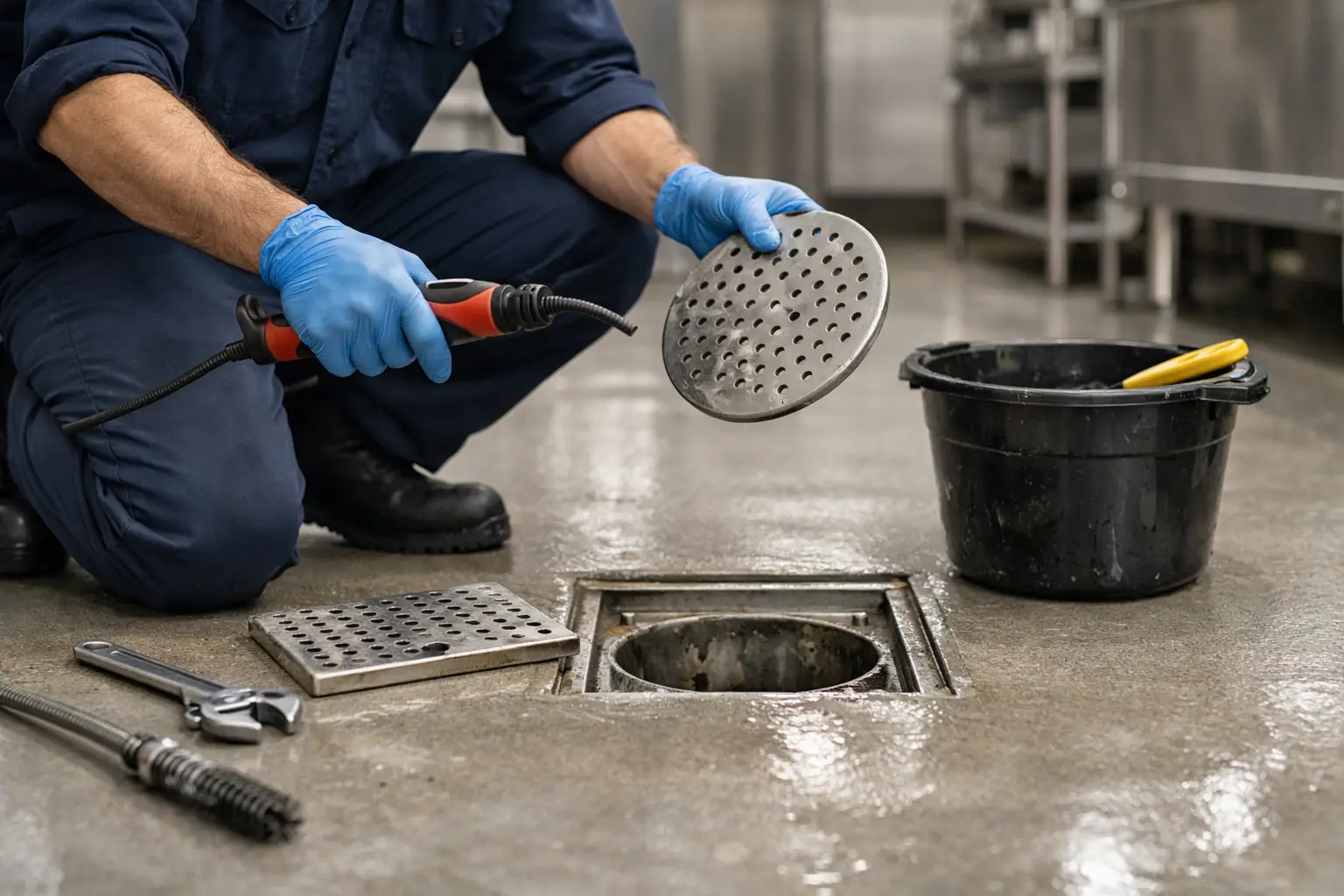
The job normally starts with a discussion of the symptoms: which fixtures are affected, how long the issue has been present and whether the drain has blocked before. The engineer then locates available access points, such as an inspection chamber or rodding eye, and checks whether the blockage is likely to be within the private drainage system.
The jetting hose is fed into the line from a suitable point. As the nozzle works through the pipe, grease and debris are broken down and flushed through to the chamber for removal or onward flow. The drainage system is then tested to check that water is clearing correctly.
Where the blockage is straightforward and the pipe is sound, this can be a fast and effective solution. However, a cleared drain is not always a healthy drain. If flow remains poor, waste returns, or the same kitchen line has blocked several times, a CCTV drain survey may be the sensible next step.
When jetting alone is not enough
Grease is often the immediate cause of a blockage, but it may not be the root cause. A pipe with a crack, displaced joint, collapsed section or poor fall gives grease and solids somewhere to catch. Tree roots can also enter defective joints and create a rough obstruction that repeatedly traps debris.
In these cases, jetting clears the symptoms but cannot repair the defect. CCTV inspection allows the engineer to see inside the pipe and establish what is happening underground. It can show whether the line is clean after jetting, where the pipe is damaged and whether a no-dig repair such as CIPP drain relining is appropriate.
This diagnosis-led approach matters for landlords and commercial operators especially. Repeated reactive call-outs cost time and money, and they can leave tenants, staff or customers dealing with disruption. Identifying the underlying issue allows you to plan a durable repair rather than paying for the same drain to be unblocked every few months.
There are also occasions where jetting must be handled with particular care. Very old pipework, known structural damage and drains with restricted or unsafe access may need CCTV assessment first. A reputable drainage company should explain the findings and the options clearly before recommending further work.
Domestic kitchens and commercial grease problems
For a homeowner, grease buildup usually shows itself in a kitchen sink, dishwasher waste or outside gully. The early signs are easy to overlook until the sink stops draining altogether. Avoid pouring oil, melted fat or gravy into the sink, even if it is followed by hot water. Let fats cool in a container and place them in the bin instead.
Commercial kitchens face a higher volume of fats, oils and food waste, so the stakes are higher. Restaurants, takeaways, care homes, schools and pubs need drainage arrangements that match their use. Where a grease management system is installed, it still needs regular emptying and maintenance. A grease trap that is full, undersized or poorly maintained will not protect downstream pipework.
Planned jetting can be worthwhile for busy commercial sites with a history of grease-related blockages. The right frequency depends on the kitchen’s output, opening hours, pipe layout and existing grease control measures. A small café and a high-volume takeaway should not be given the same maintenance schedule without evidence from their drainage system.
Why chemical cleaners are a poor long-term answer
Shop-bought drain cleaners can appear convenient, but they are rarely a reliable answer to heavy grease deposits. They may only affect the material closest to the plughole and can be hazardous to handle. Strong products can also create risks for anyone working on the drain afterwards, particularly if the chemicals remain in standing water.
Boiling water is not a cure either. It may melt some grease temporarily, only for it to cool and settle further down the line. For a recurring blockage, professional equipment and a proper assessment are safer than repeatedly adding chemicals to a system that is already struggling.
Reducing the chance of another grease blockage
Good habits make a real difference after a drain has been jetted. Scrape plates into the bin before washing them, collect cooking oil and fat in a container, and use a sink strainer to catch food debris. Do not treat the sink as a disposal route for coffee grounds, flour, rice, pasta or wipes.
For commercial kitchens, staff training matters as much as equipment. Clear procedures for disposing of oil, cleaning fryer areas and checking grease traps help prevent avoidable call-outs. If slow drainage starts again, act early. A partial blockage is simpler to investigate before it becomes an overflow during service.
If a kitchen drain is backing up, smells foul or blocks repeatedly, do not settle for a temporary opening in the pipe. West Midlands Drainage can assess the cause, use professional jetting where suitable and recommend CCTV inspection or repair only where the evidence supports it. A clean, free-flowing drain should stay that way – and if it does not, the next step is finding out why.