A drain rarely backs up without giving some warning first. Water that takes longer to clear, a gurgle from the plughole or an unpleasant smell outside can all point to a restriction building up in the pipework. Knowing how to prevent drain backups means acting on those early signs, using your drains properly and arranging a proper inspection when a problem keeps returning.
For homes, rental properties and commercial premises across the West Midlands, prevention is usually far less disruptive and less expensive than dealing with wastewater coming back through a shower, toilet or outside gully.
How to prevent drain backups before they start
The most reliable approach is simple: keep unsuitable materials out of the system and do not ignore changes in how it drains. Kitchen sinks, toilets, showers and external gullies all connect into pipework that may be out of sight, but they still need sensible day-to-day care.
In kitchens, fat, oil and grease are among the most common causes of drain blockages. They may go down the sink as a liquid, particularly after cooking, but they cool and harden inside the pipe. Food debris then sticks to that residue and gradually narrows the drain. Let cooking oil cool in a container and dispose of it in the bin, rather than rinsing it away with hot water and washing-up liquid.
Bathroom drains collect hair, soap residue and mineral deposits. A simple hair catcher over the plughole can prevent a surprising amount of material reaching the waste pipe. Empty it regularly, rather than waiting until water starts pooling around your feet.
Toilets should only be used for toilet tissue and human waste. Wet wipes, cotton buds, sanitary products, nappies and paper towels do not break down properly in drainage systems, even where packaging suggests they are flushable. They can snag on a joint, combine with grease and create a stubborn blockage further along the line.
Look after gullies, grids and outside drains
External drains often cause problems after heavy rain, autumn leaf fall or gardening work. A gully full of leaves, soil, moss or general debris cannot move surface water away quickly enough. If rainfall is heavy, water can build up around the property and expose a blockage that has been developing underground.
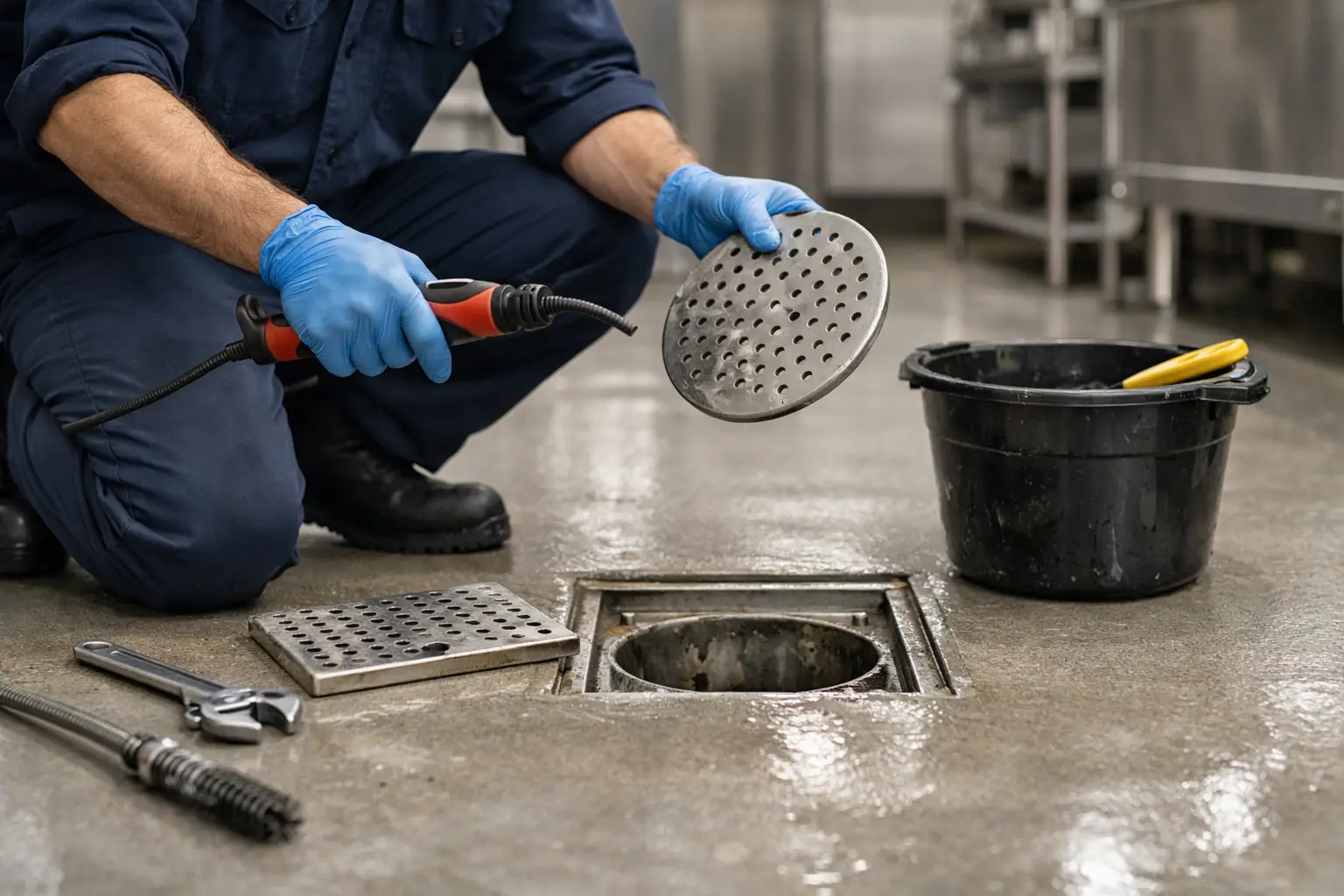
Check accessible gully pots and grids every few months, and more often if your property sits beneath mature trees. Clear leaves and loose debris from the grate, then make sure rainwater can enter freely. Do not force tools deep into a drain or remove covers that are heavy, damaged or in a live traffic area. That is a job for a drainage professional with the right equipment and safety measures.
Commercial sites need a more structured routine. Car parks, yards, bin areas and loading spaces can send silt, litter and wash-down debris into surface water drainage. A planned maintenance schedule is particularly worthwhile where premises have frequent deliveries, food preparation areas or high customer footfall.
Pay attention to slow drainage and bad smells
A slow sink is not always an emergency, but it should not be treated as normal either. If one fitting drains slowly, the issue may be local to that waste pipe. If several fixtures are affected at once, especially on the ground floor, the restriction may be in the main drain.
Other warning signs include water rising in a toilet when another appliance empties, bubbling from a gully, repeated plunging, or sewage smells near inspection chambers. These symptoms can indicate a partial blockage, a damaged pipe, tree root intrusion or a fault with the underground drainage layout.
Pouring harsh chemical drain cleaners down the sink may seem like a quick fix, but they are not a dependable answer to recurring problems. They can struggle to reach the real blockage, may damage certain pipe materials or seals, and create a hazard for anyone working on the drain afterwards. A plunger can help with a minor local blockage, but repeated temporary fixes often delay the diagnosis that would prevent a full backup.
Be careful with DIY drain cleaning
For a minor blockage in a basin or sink, remove visible debris from the plughole, clean the trap if it is accessible and use a plunger carefully. Keep a cloth over the overflow where appropriate to improve suction. If the water clears and stays clear, continue with good habits and monitor it.
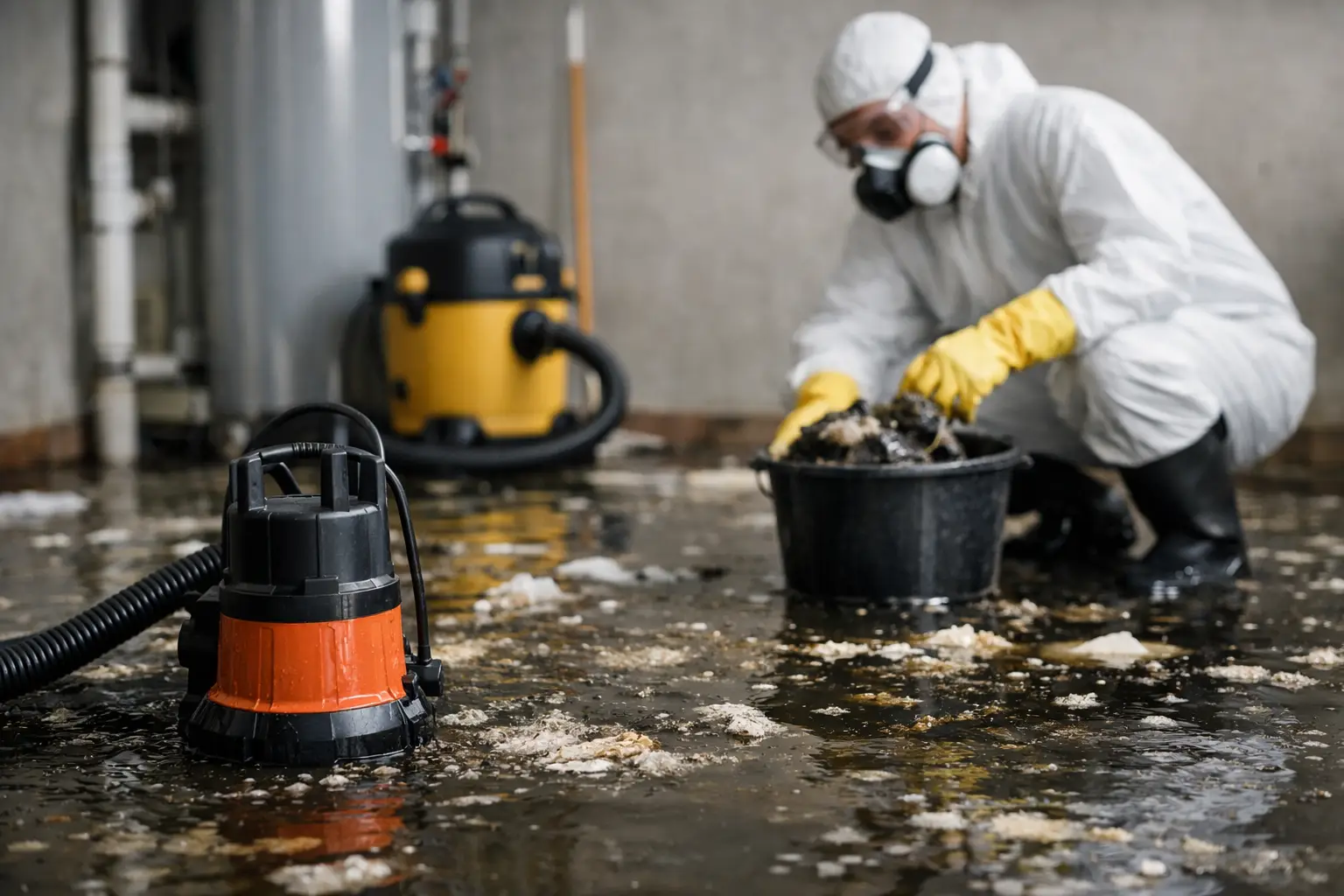
Stop and arrange professional help if wastewater comes up through another fitting, there is any sign of sewage, or the same blockage returns. The same applies if an outside drain is full but you cannot see an obvious, safe-to-remove cause. Backed-up wastewater carries hygiene risks, and forcing rods or chemicals into an unknown obstruction can make the fault worse.
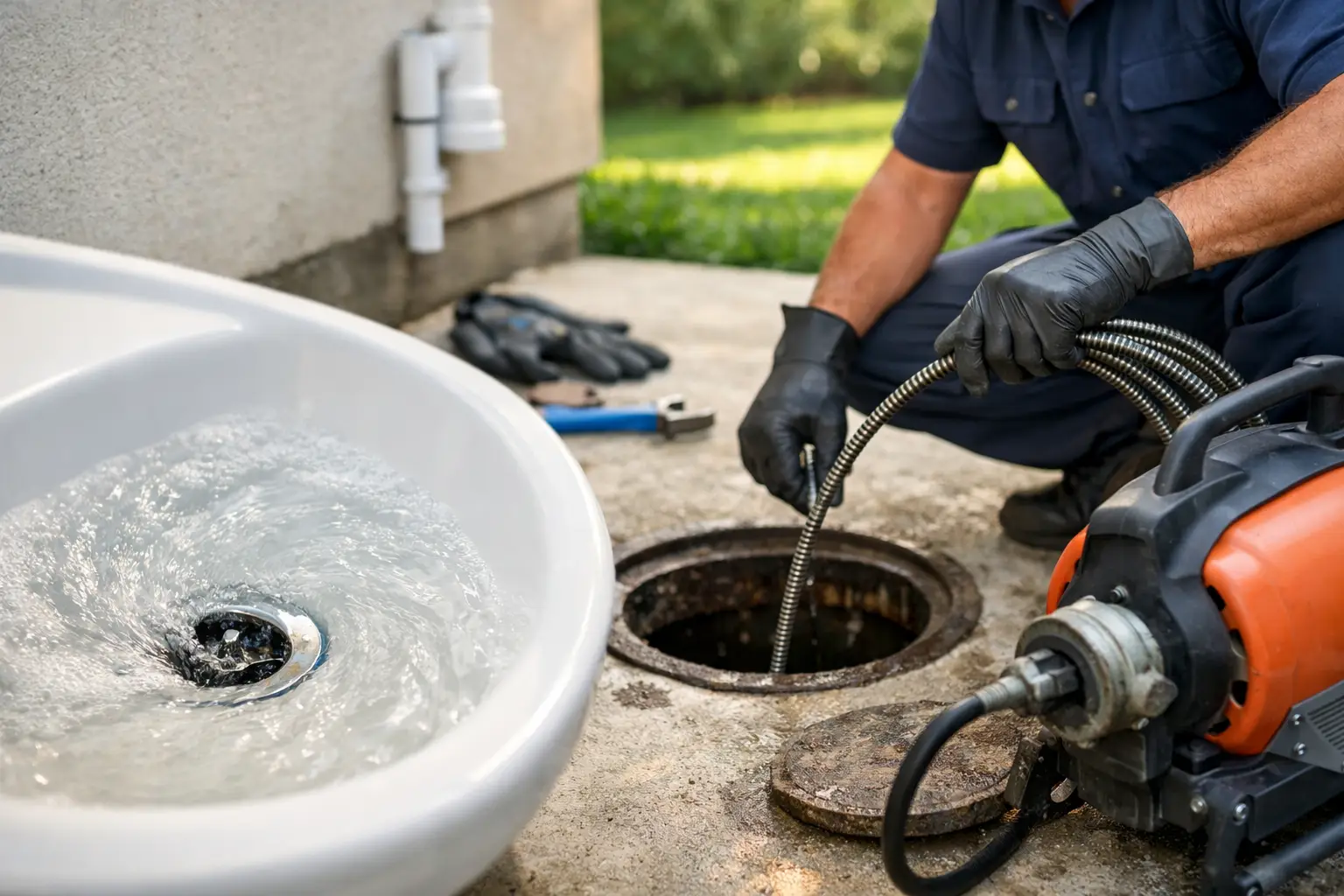
A professional drainage team can clear blockages using high-pressure water jetting, then inspect the pipe where needed. This matters because a clear drain is not automatically a sound drain. If the pipe has cracks, displaced joints, root ingress or a section that has collapsed, debris will keep catching there until the underlying defect is repaired.
Arrange a CCTV survey for repeated backups
When drain backups keep happening, a CCTV drain survey provides evidence instead of guesswork. A camera is fed through the drainage system to identify the precise location and nature of the problem. The findings can show whether the issue is caused by grease build-up, scale, roots, structural damage, poor connections or a change in pipe level.
This is especially useful for landlords dealing with repeat tenant reports, property buyers concerned about older drains, and businesses that cannot afford unplanned closures. It also helps separate a one-off misuse issue from a repair requirement, so you are not paying for repeated call-outs that only clear the symptoms.
Where pipework is damaged but access is difficult, no-dig methods such as CIPP relining may be suitable. This creates a new structural lining within the existing pipe and can avoid unnecessary excavation. It is not right for every fault – a badly collapsed drain may still need excavation – but it can be an effective durable repair where the pipe condition allows it.
Protect drains during building and landscaping work
Extensions, renovations and landscaping can introduce drainage problems if existing runs are not identified first. Builders’ debris, plaster, grout, cement washings and soil should never enter gullies or drains. Cement-based material can set inside pipework and is far more difficult to remove than ordinary household debris.
Before work starts, establish where drainage runs, inspection chambers and gullies are located. This is particularly valuable on older properties, where pipe routes may not be obvious and previous alterations may have changed the layout. A survey can identify defects before new paving, flooring or an extension makes access more difficult.
Be cautious when planting trees and large shrubs near known drainage routes. Roots naturally seek moisture and can enter through small gaps at pipe joints. Modern plastic drains are less vulnerable than many older systems, but roots can still exploit existing damage or poor connections.
Know when it may not be your drain
Not every backup is caused by private pipework. In some cases, the fault may be in a shared drain or the public sewer. If neighbours are experiencing the same issue, or an inspection chamber is surcharging without a clear blockage on your own line, the responsibility may sit elsewhere.
Even then, a clear diagnosis is useful. It gives you a record of what is happening, helps establish where the problem lies and avoids assuming that someone else will resolve an issue affecting your property. For commercial premises, keeping records of inspections, cleaning and repairs also supports planned maintenance and can help demonstrate responsible site management.
A practical prevention routine
Most properties do not need constant drain work. They do need occasional attention. Keep fats, wipes and solid waste out of the system; clean plughole catchers and accessible gully grids; and react early when water starts draining differently. For businesses or properties with a history of trouble, planned jetting and CCTV inspections can be a sensible investment rather than an unnecessary expense.
If a drain has blocked more than once, ask for the cause to be investigated, not just cleared. West Midlands Drainage takes a diagnosis-led approach, using the right equipment to find the fault and explain the practical repair options clearly. A drain that stays clear is the result that matters – and early action is the best way to keep a small warning sign from becoming a damaging backup.