A blocked drain rarely starts with a dramatic flood. More often, it is the slow-emptying sink, the gurgling toilet or an unpleasant smell outside that tells you something is building up below ground. This drain unblocking process explained guide sets out what a proper visit should involve, why the cause matters as much as the clearance, and when a simple blockage may point to a bigger drainage fault.
For homes, rental properties and commercial premises across the West Midlands, the aim should be straightforward: get the drain flowing again, establish why it blocked, and avoid paying for the same emergency call-out a few weeks later.
Drain unblocking process explained step by step
A professional drainage engineer does not begin by putting equipment into the nearest pipe and hoping for the best. The first job is to identify which part of the drainage system is affected and how urgent the situation is.
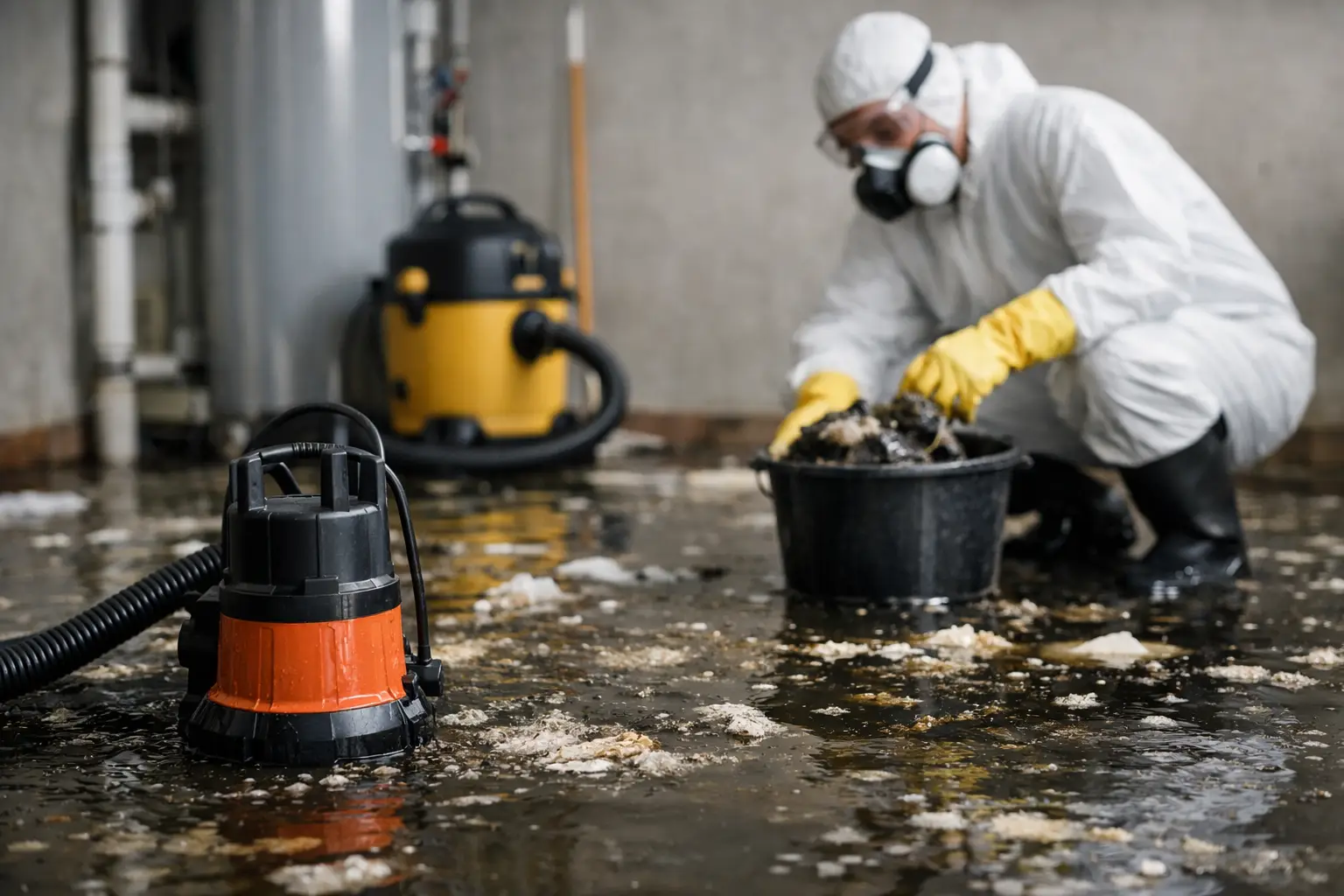
A blocked kitchen sink may be local to the waste pipe under the unit. A toilet that will not flush, multiple slow-running fittings and sewage rising from an outside inspection chamber suggest a blockage in the main drain. If foul water is backing up into a property, it needs prompt attention. Avoid using taps, toilets, washing machines and dishwashers until the issue has been assessed, as extra water can turn a contained blockage into an internal flood.
1. Initial checks and access assessment
On arrival, the engineer will normally ask what has happened, when it started and whether the problem has occurred before. That short conversation is useful. Repeated blockages after heavy rain, for example, can indicate a damaged pipe or drainage system affected by surface water, rather than a one-off build-up of waste.
They will then inspect accessible manholes, rodding points and gullies. This shows where water is standing and helps establish the direction of the blockage. A blockage in a private drain serving one property is handled differently from a fault in a shared section, so confirming the layout matters before work starts.
Access can affect the method and time needed. Covers may be under decking, paving, parked vehicles or stored stock at a commercial site. A good engineer will explain what can be seen, what cannot yet be confirmed, and the likely next step before proceeding.
2. Clearing the blockage with the right equipment
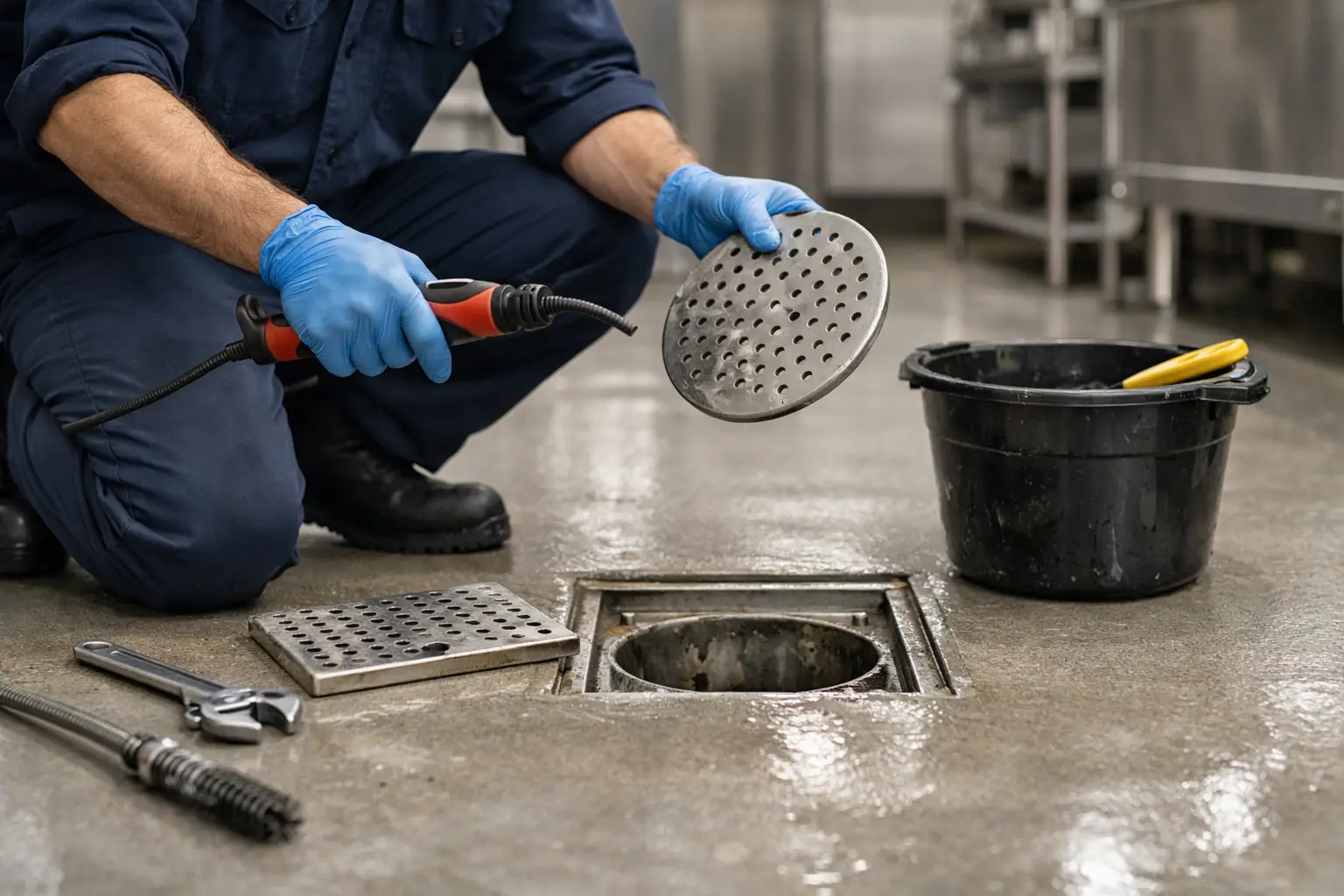
The clearance method depends on the pipe size, the blockage material and the condition of the drain. Drain rods can be effective for a straightforward obstruction close to an access point. They are not a cure-all, however. Used incorrectly, rods can compact debris, damage a weak pipe or leave the underlying issue untouched.
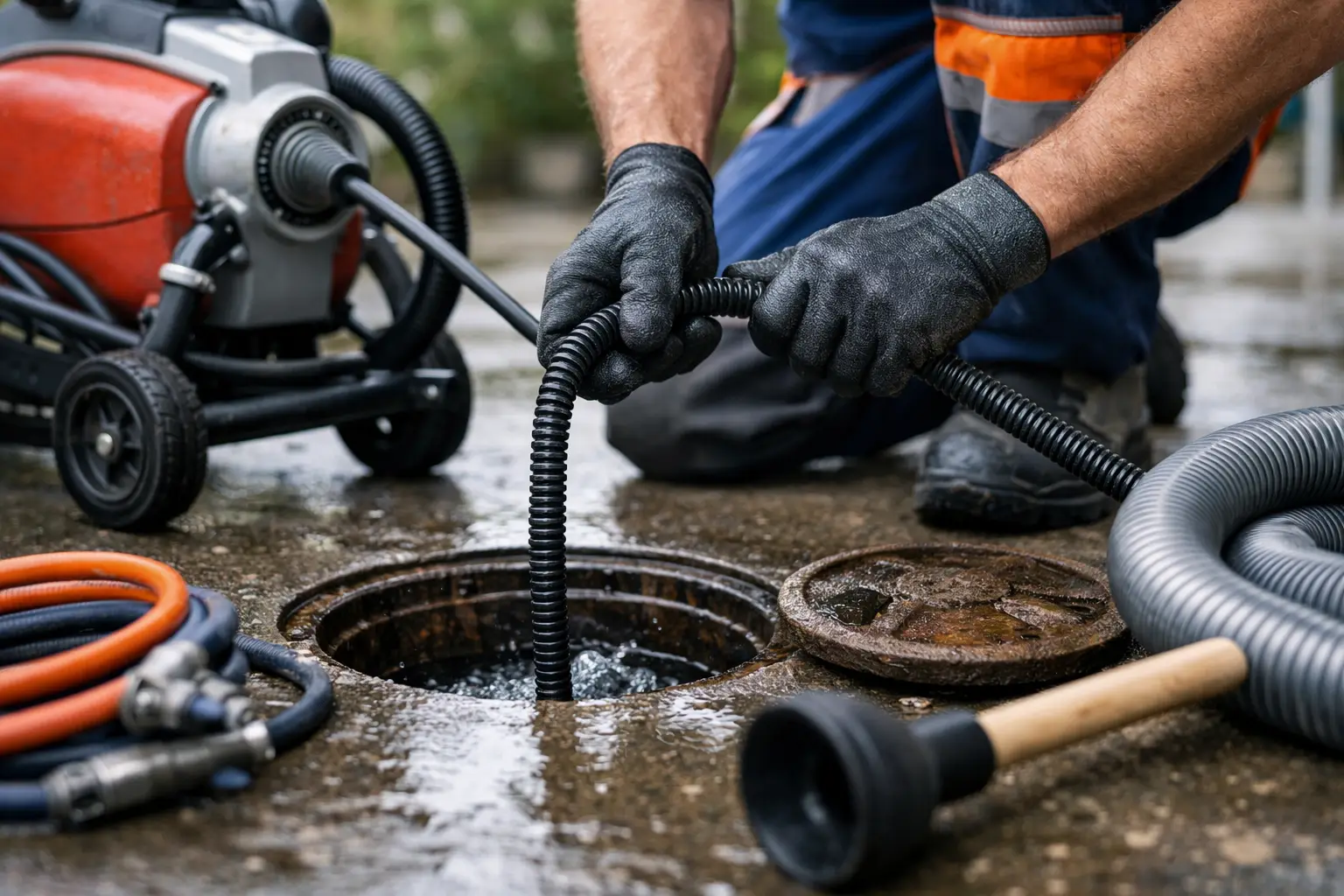
For most external drain blockages, high-pressure water jetting is the more thorough option. A jetting hose is fed through the drain, with a specialist nozzle directing powerful water jets backwards to pull the hose along while breaking up and flushing debris. The work is controlled from the surface, with the engineer monitoring flow and using suitable pressure for the pipe and problem.
Jetting can remove fat, grease, wipes, paper, silt, scale and loose root growth. It is also useful for clearing pipe walls, not simply punching a narrow channel through the middle of the blockage. That distinction matters. A drain that has only been partly opened may appear fine on the day, then block again quickly as waste catches on the remaining build-up.
In domestic drains, common causes include cooking fat poured down sinks, wet wipes, sanitary products, excessive toilet paper and items dropped into toilets. Commercial kitchens often face grease accumulation, while car parks and yards may suffer from leaves, mud and silt. The right approach depends on what is actually in the line.
3. Testing the flow after clearance
Water running away once is not enough proof that the work is complete. After clearing the drain, the engineer should test the flow through the affected run and check that wastewater is passing freely through the relevant inspection chambers.
This is also the point at which the signs of a more serious issue can become clearer. If the drain clears but flow remains poor, water disappears unusually slowly, or debris repeatedly collects at the same point, there may be a structural defect. Roots entering through a joint, a displaced connection, a cracked pipe or a section that has dropped out of line can all create a regular snag point for waste.
For businesses, post-clearance testing is particularly important. A busy toilet block, kitchen or workshop may put a much greater volume of water and waste through the system than a typical household. Restoring flow without checking performance can leave the site exposed to another disruption during trading hours.
When CCTV is part of the drain unblocking process
A CCTV drain survey is not required for every first-time blockage. If a drain has been cleared fully and tested with no sign of damage, further investigation may not be necessary. Recommending a survey for every minor sink blockage would be unnecessary cost.
It becomes the sensible next step when blockages are recurring, jetting does not restore normal flow, there is evidence of root ingress, or the property is being bought, extended or repaired following an insurance issue. A camera is sent through the pipe to record its condition from the inside. This allows the engineer to identify the location and nature of a defect without digging up the garden, driveway or shop floor on guesswork.
The footage can reveal cracked or fractured pipework, open joints, displaced sections, root intrusion, scale, collapsed pipework and poor connections. It can also establish whether the issue sits in the private drainage system or may need referring to the relevant water company because of its location.
A clear explanation should follow the survey. Customers need to know whether the drain needs cleaning, monitoring or repairing, and why. They should also be told the practical options. Not every defect needs urgent excavation, but ignoring a collapsed or badly displaced pipe is unlikely to end well.
Clearing a blockage versus repairing the cause
Drain unblocking and drain repair are connected, but they are not the same service. Jetting removes what is stopping the drain from flowing. Repair addresses the reason material keeps catching there.
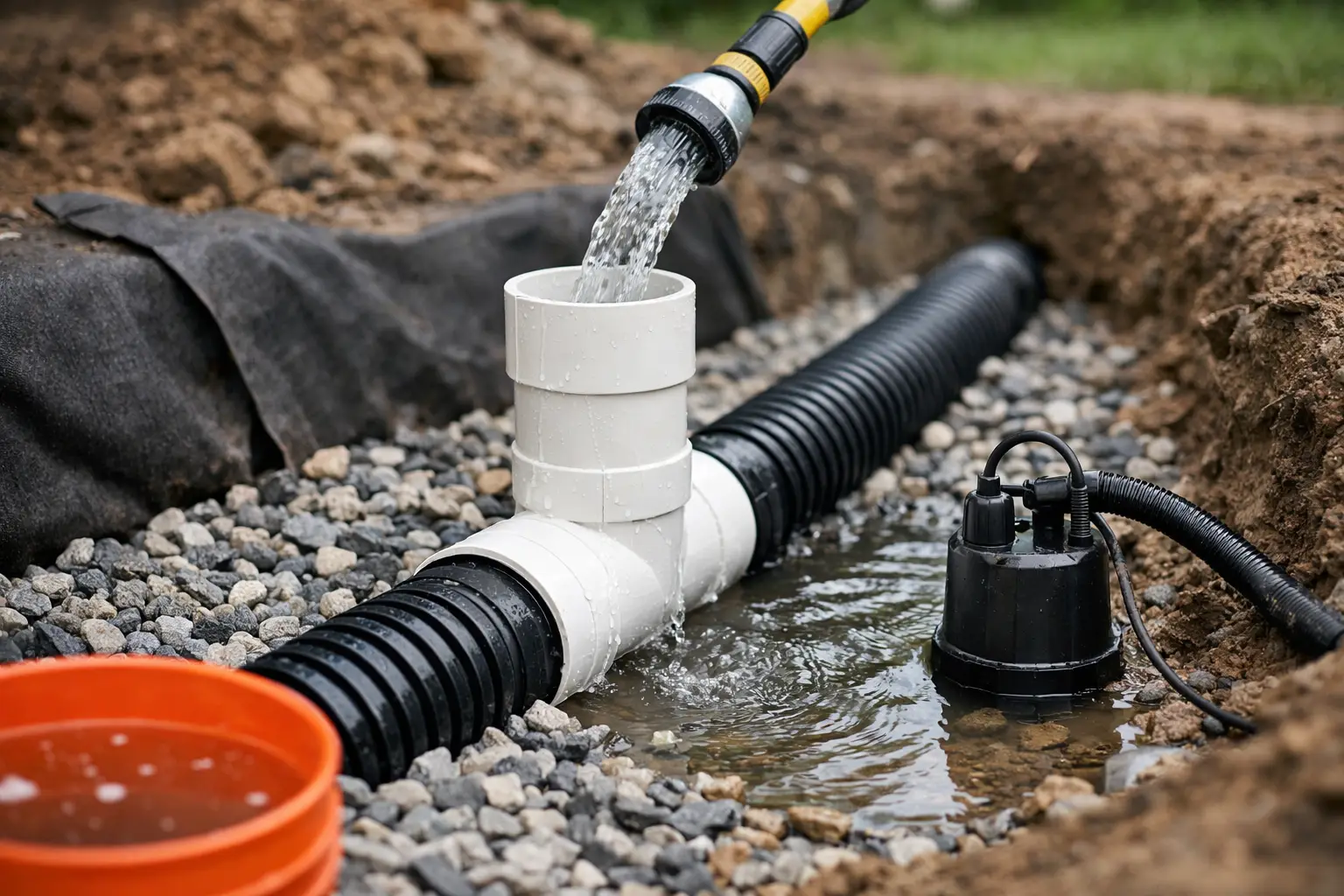
Where pipework is structurally sound, a professional clean may be all that is needed. Where a localised crack, failed joint or root-damaged section is found, a no-dig repair may be possible. CIPP relining creates a new lining within the existing pipe, avoiding excavation in suitable cases. It can be a practical choice where the damaged section runs beneath a driveway, patio, extension or landscaped area.
Relining is not automatically the best answer. A pipe that has fully collapsed, has severe changes in level or is badly misshapen may need excavation and replacement. The honest answer depends on the CCTV findings, pipe condition, access and long-term value. A repair that costs less now but fails to deal with the real defect is not good value.
What you can do before and after an engineer arrives
If sewage is backing up, keep people and pets away from the area, ventilate the room if safe to do so, and avoid contact with contaminated water. Do not pour caustic chemical drain cleaner into a severely blocked system. These products often fail to reach the obstruction, can create a hazard for anyone working on the drain, and may damage older pipework or seals.
For a minor internal waste blockage, clearing hair from a plughole trap or removing visible debris may help. But if several fixtures are affected, the outside chamber is full, or the problem returns, it is time for proper drainage equipment and diagnosis.
After professional clearance, prevention is usually simple. Keep wipes, sanitary items, cotton buds and grease out of the system. Let cooking fat cool in a container before placing it in the bin. Clear leaves from gullies, particularly before periods of heavy rain. Landlords and commercial operators should consider planned inspections where a property has a history of recurring issues, older drainage or high use.
Choosing a drainage company without guesswork
When the drain is blocked, it is tempting to choose the first available number. Speed matters, but so does knowing what you are agreeing to. Ask whether call-out and clearance costs are explained upfront, whether the team can carry out CCTV investigation if needed, and whether repairs are quoted separately after evidence has been provided.
West Midlands Drainage takes a diagnosis-led approach because a drain that repeatedly blocks is telling you something. The useful outcome is not just water disappearing down the pipe again. It is knowing whether the system is clean, damaged or likely to cause another problem, with a clear route to putting it right.
A properly cleared and tested drain should leave you with more than short-term relief. It should leave you confident about what caused the problem and what, if anything, needs doing next.