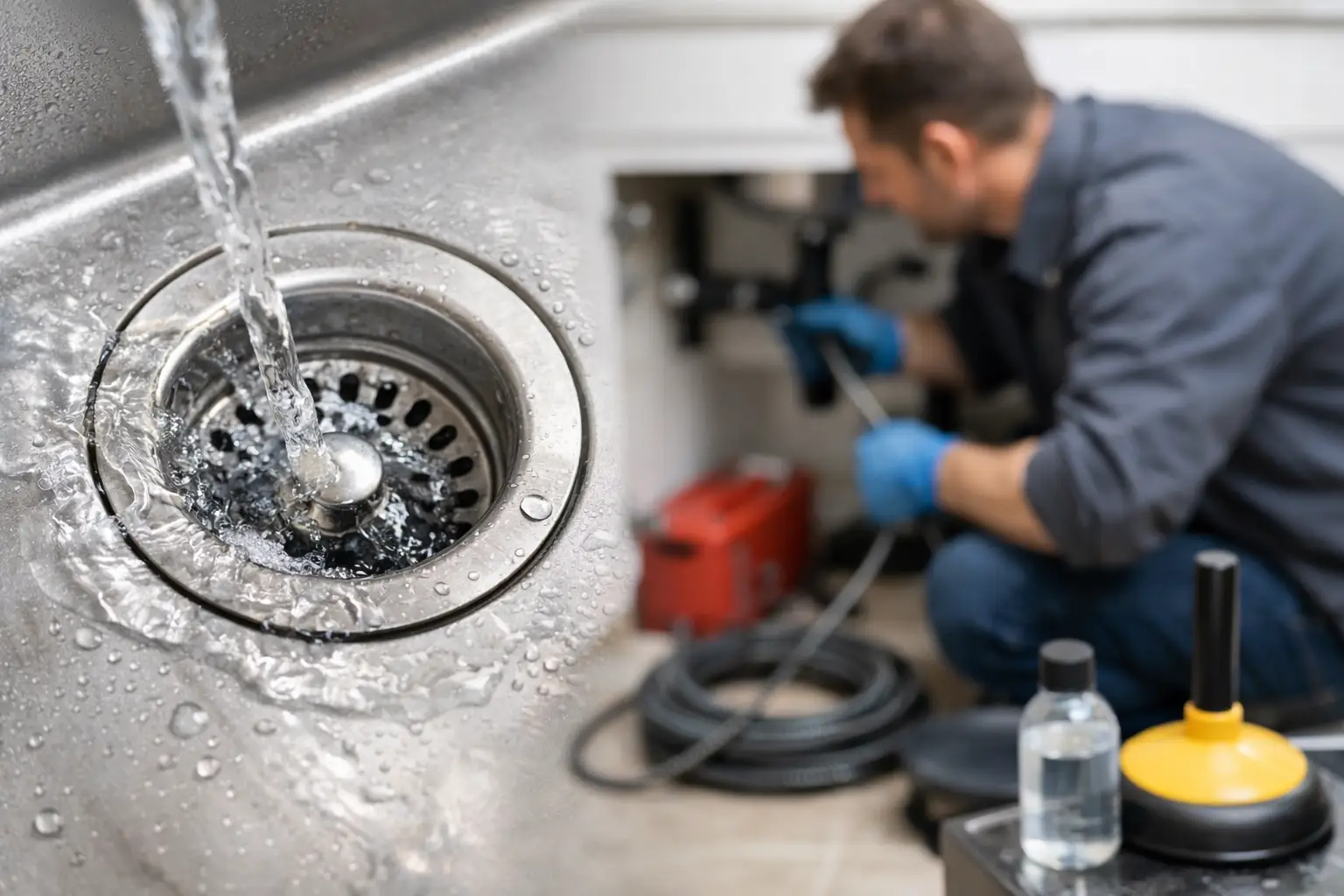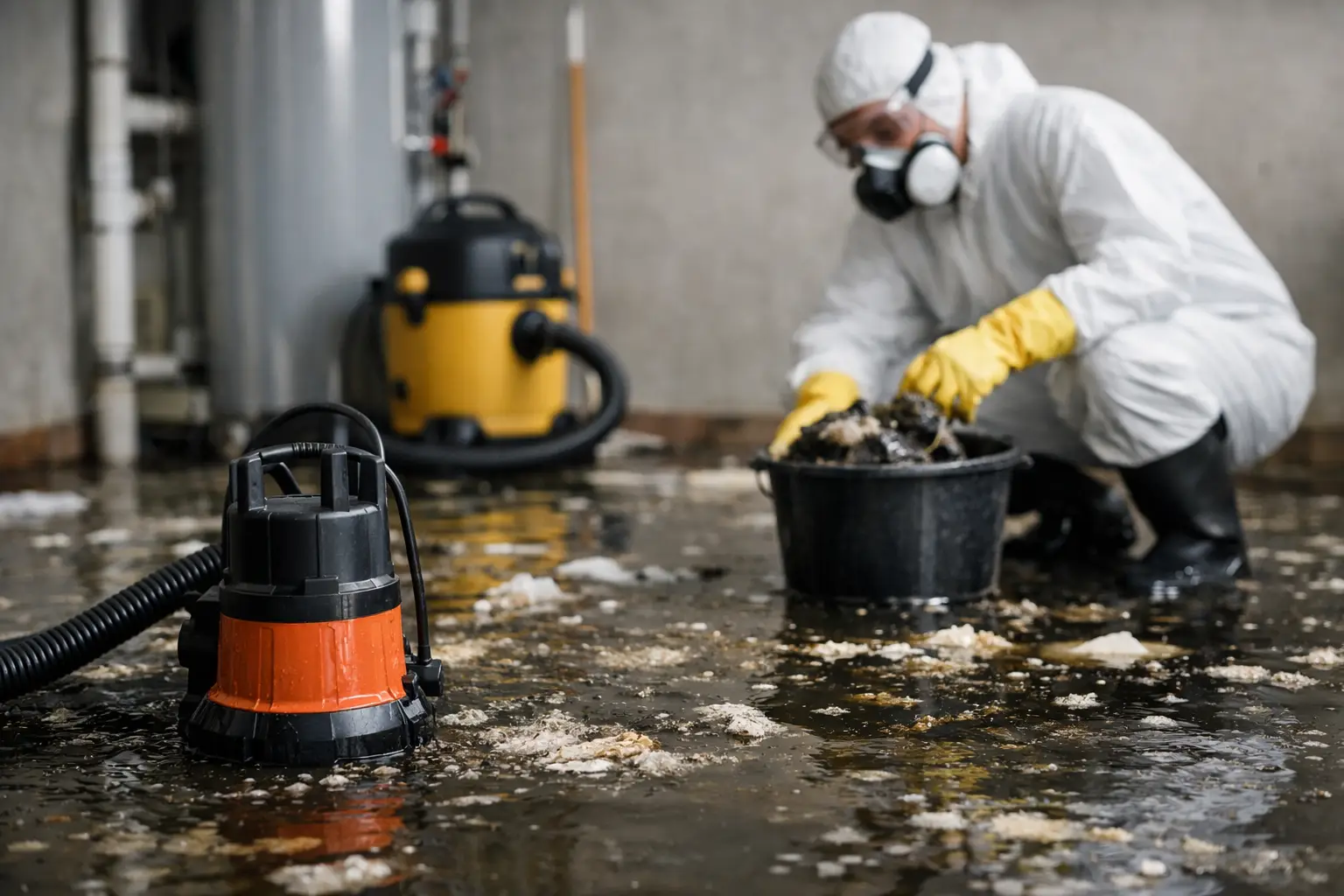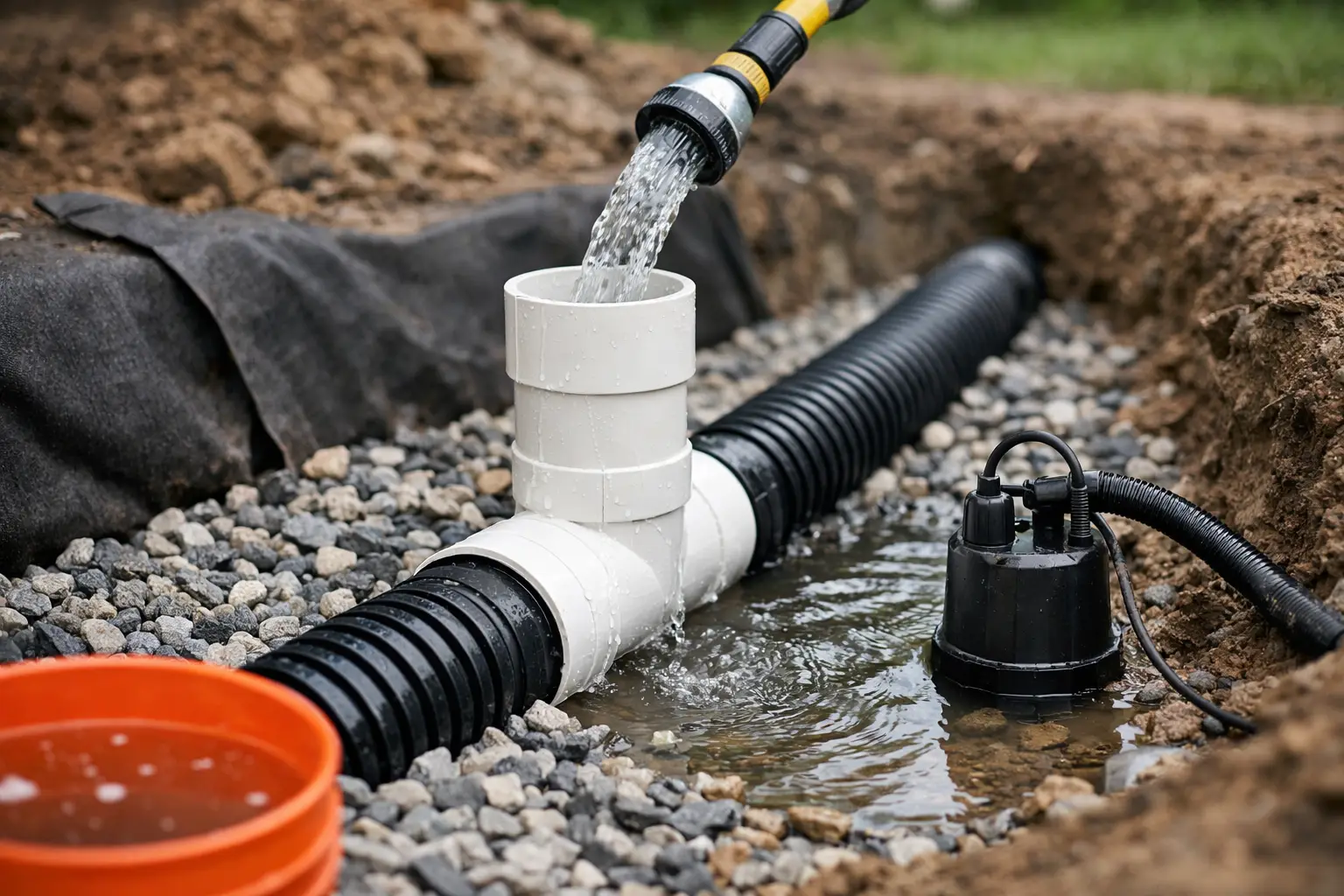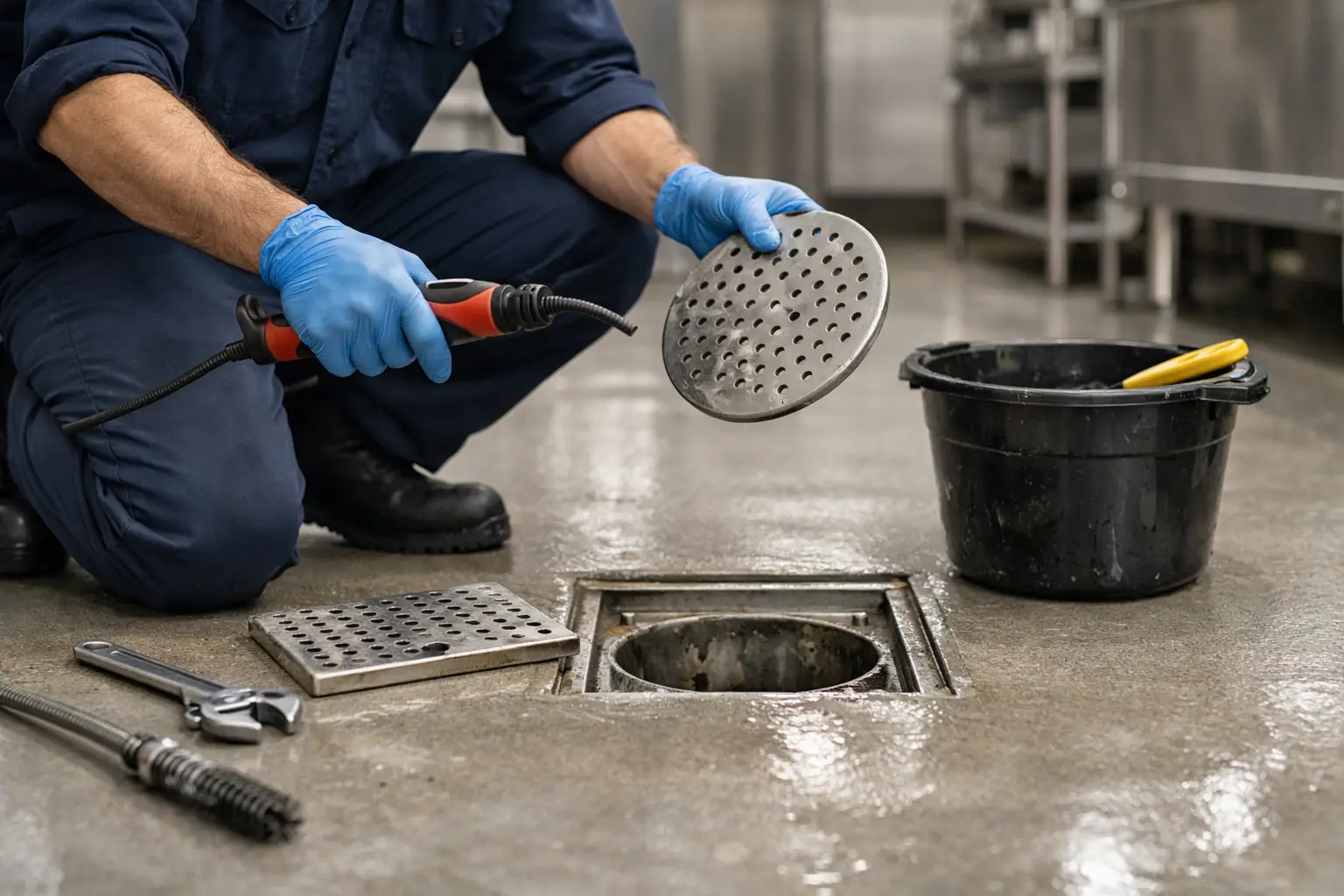
Most people do not think about their drains until the sink starts emptying slowly, the toilet bubbles, or a bad smell appears outside the house. That is usually when the question comes up: how often should drains be cleaned? The honest answer is that it depends on the type of property, how the drains are used, and whether there is already a history of blockages. Some drains can go years with no issue, while others need planned maintenance to stop the same problem coming back.
If you are a homeowner, landlord or business owner in the West Midlands, the best approach is not to wait for a full blockage. Cleaning drains at the right interval is usually cheaper, less disruptive, and far less stressful than dealing with an emergency backup.
How often should drains be cleaned in a typical property?
For an average household with no known drainage problems, a professional drain clean every 18 to 24 months is often enough. That is not a hard rule, but it is a sensible starting point. In many homes, normal use causes a gradual build-up of grease, soap residue, hair, scale and general debris. The system may still appear to work, but flow can slowly reduce long before a complete blockage happens.
If the property has had repeated blockages, older pipework, mature trees nearby, or heavy use from a larger family, annual cleaning is often the better option. Preventative work makes even more sense when the cost of a blocked drain would be high, such as in rented properties, commercial kitchens or buildings with shared facilities.
For commercial sites, the schedule is usually more frequent. Restaurants, takeaways, cafes, pubs, schools, care settings and busy offices can need cleaning every 3 to 12 months depending on the volume and type of waste going into the system. Grease-heavy environments in particular should not rely on guesswork.
Why there is no one-size-fits-all answer
Drainage systems do not all fail for the same reason. A modern house with good pipe falls and sensible usage habits is very different from an older terrace with ageing clay pipes and root ingress. That is why proper diagnosis matters.
Some properties need regular jetting because grease and debris are the main problem. Others do not need frequent cleaning at all, but they do need a CCTV survey because the real issue is a cracked pipe, displaced joint or collapsed section underground. Cleaning can remove symptoms, but it will not repair damaged drainage.
This is where many people get caught out. If a drain blocks once, cleaning may be enough. If it blocks again and again, there is usually an underlying cause. Paying for repeat call-outs without finding that cause often costs more in the long run.
Signs your drains should be cleaned sooner
You do not always need to wait for the recommended time interval. Drains usually give some warning before they fail completely.
Slow-draining sinks, baths and showers are one of the first signs. So are unpleasant smells from plugholes, gullies or outside inspection chambers. Gurgling noises after flushing, water levels that rise unexpectedly, and localised backing up are also worth taking seriously.
Outside, you may notice standing water around a drain cover or overflowing gullies during ordinary use rather than heavy rain. In commercial settings, a persistent smell near kitchens or wash areas is another common clue that waste is building up in the line.
If any of those signs are happening regularly, it is sensible to have the drain cleaned and assessed before the problem becomes an emergency.
What affects how often drains need cleaning?
Usage is the biggest factor. A family home with children, frequent laundry, and heavy kitchen use will normally put more strain on the system than a single-occupancy flat. The same goes for rental properties with frequent tenant turnover, where drain habits are harder to control.
What goes down the drain matters just as much. Fat, oil, coffee grounds, food scraps, wet wipes, sanitary products and excessive toilet paper all increase the risk of build-up. Even so-called flushable products can cause serious trouble once they hit the wider pipe network.
The age and condition of the drain also make a difference. Older drains may have rougher internal surfaces that catch debris more easily. Root intrusion is another common issue in parts of the West Midlands, especially where mature gardens or street trees are close to pipe runs. In those cases, cleaning may need to be paired with repair work or root cutting to get a lasting result.
Weather can also play a part. Heavy rainfall can expose existing weaknesses in surface water or combined drainage systems. While rain itself does not create fat or scale build-up, it can turn a partial restriction into a visible flooding problem very quickly.
Homeowners, landlords and businesses need different schedules
For homeowners, preventative cleaning is usually about avoiding disruption and protecting the property. If the drains are working well and there is no history of trouble, there is no need to overdo it. A sensible inspection and clean every couple of years is often enough, with earlier attention if warning signs appear.
For landlords, the calculation is slightly different. One blocked drain can mean tenant complaints, call-outs, possible water damage and disputes over responsibility. Planned maintenance is often worth it for that reason alone, particularly in HMOs or properties with shared bathrooms and kitchens.
For businesses, routine maintenance is often the most cost-effective option. A blocked drain in a commercial unit can affect staff, customers, hygiene standards and trading hours. In food-led premises, regular cleaning is not just convenient. It can be essential to keep operations running properly.
Cleaning versus unblocking – they are not the same thing
People often use these terms as if they mean the same thing, but they do not. Unblocking is usually reactive. Something has already gone wrong, and the aim is to restore flow as quickly as possible.
Cleaning is preventative or corrective maintenance. It removes build-up before it becomes a full obstruction, and it can also clear residue left behind after a blockage. Done properly, cleaning helps the whole pipe perform better rather than simply punching a hole through the problem.
High-pressure water jetting is one of the most effective ways to clean drains because it removes grease, scale, silt and debris from the pipe walls, not just from the centre of the blockage. That said, the right method depends on the condition of the drain. Damaged or fragile pipework may need inspection first to avoid making things worse.
When a CCTV survey makes more sense than another clean
If you have had the same drain cleaned more than once in a short period, it is time to stop guessing. A CCTV drain survey can show whether the real issue is recurring build-up, root ingress, poor installation, a belly in the pipe, cracked sections or structural failure.
That matters because the right long-term fix changes completely depending on what the camera finds. In some cases, planned jetting is all that is needed. In others, a repair or no-dig relining solution is the smarter option. The aim should always be to deal with the cause, not just the latest symptom.
Can you clean drains yourself?
Basic maintenance at home can help. Using sink strainers, avoiding fats and wipes, and flushing kitchen wastes sensibly will all reduce the risk of build-up. Occasional rinsing with hot water can help in lightly used areas, though it is not a substitute for proper cleaning where grease is already building up.
Chemical drain cleaners are a different matter. They can sometimes shift a minor local blockage, but they are rarely a proper answer for recurring drainage issues. Used repeatedly, they may also damage certain pipe materials or create a hazard for anyone who later has to work on the system. If the problem keeps returning, professional assessment is the safer and more cost-effective route.
A practical schedule to follow
If you want a straightforward rule of thumb, most households should consider professional drain cleaning every 18 to 24 months. Move that to every 12 months if you have had previous blockages, older drains, large household usage or trees near the line. Commercial premises may need anything from quarterly to annual cleaning depending on how hard the system is working.
The key point is this: frequency should be based on evidence, not guesswork. If a drain is showing early signs of trouble, do not wait for the calendar. If it is repeatedly causing problems, ask for proper diagnosis rather than another quick fix.
At West Midlands Drainage, that is how we approach the job – clear explanation, the right equipment, and work aimed at stopping the issue coming back. A well-maintained drain should not be something you have to think about often, and that is exactly the point.