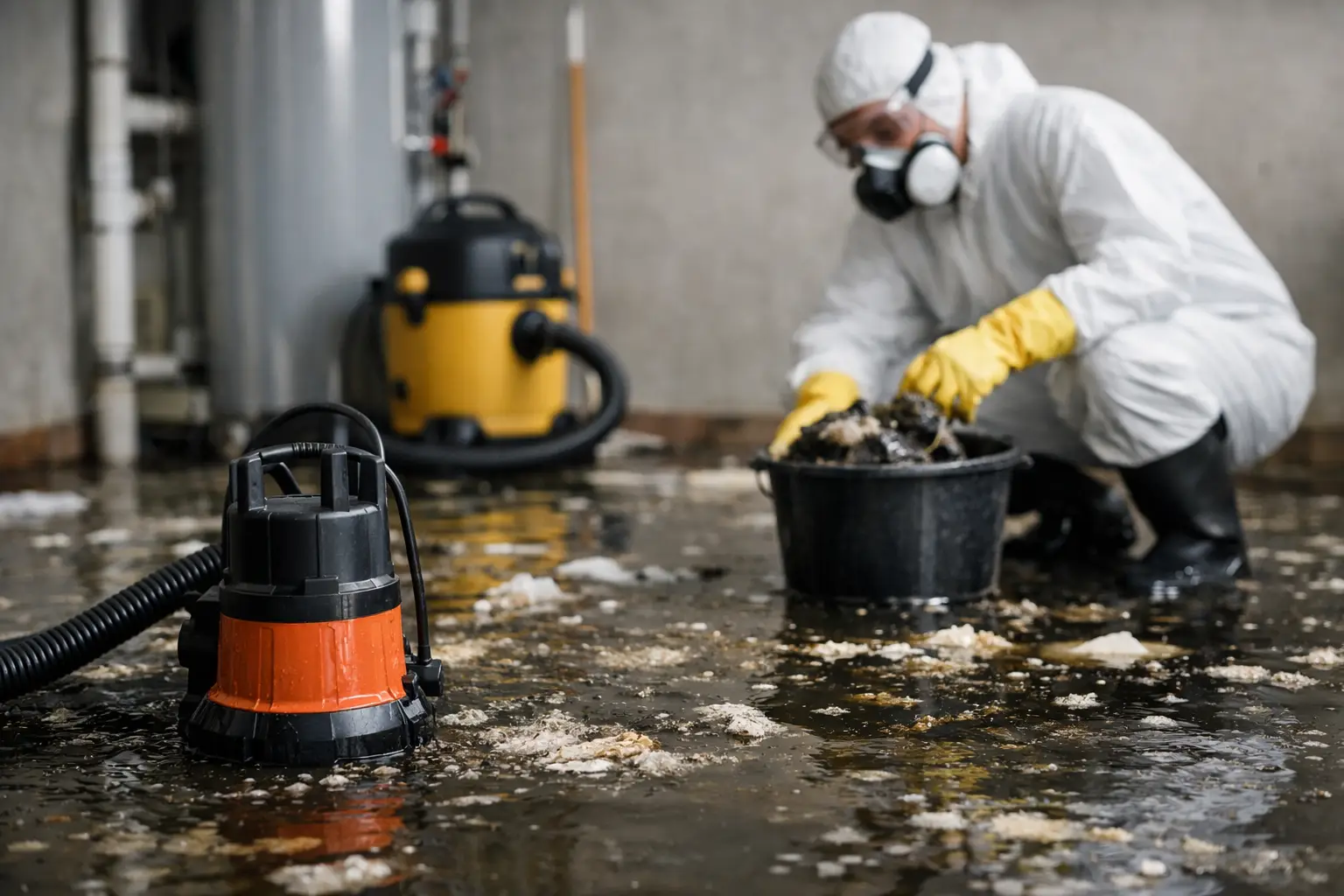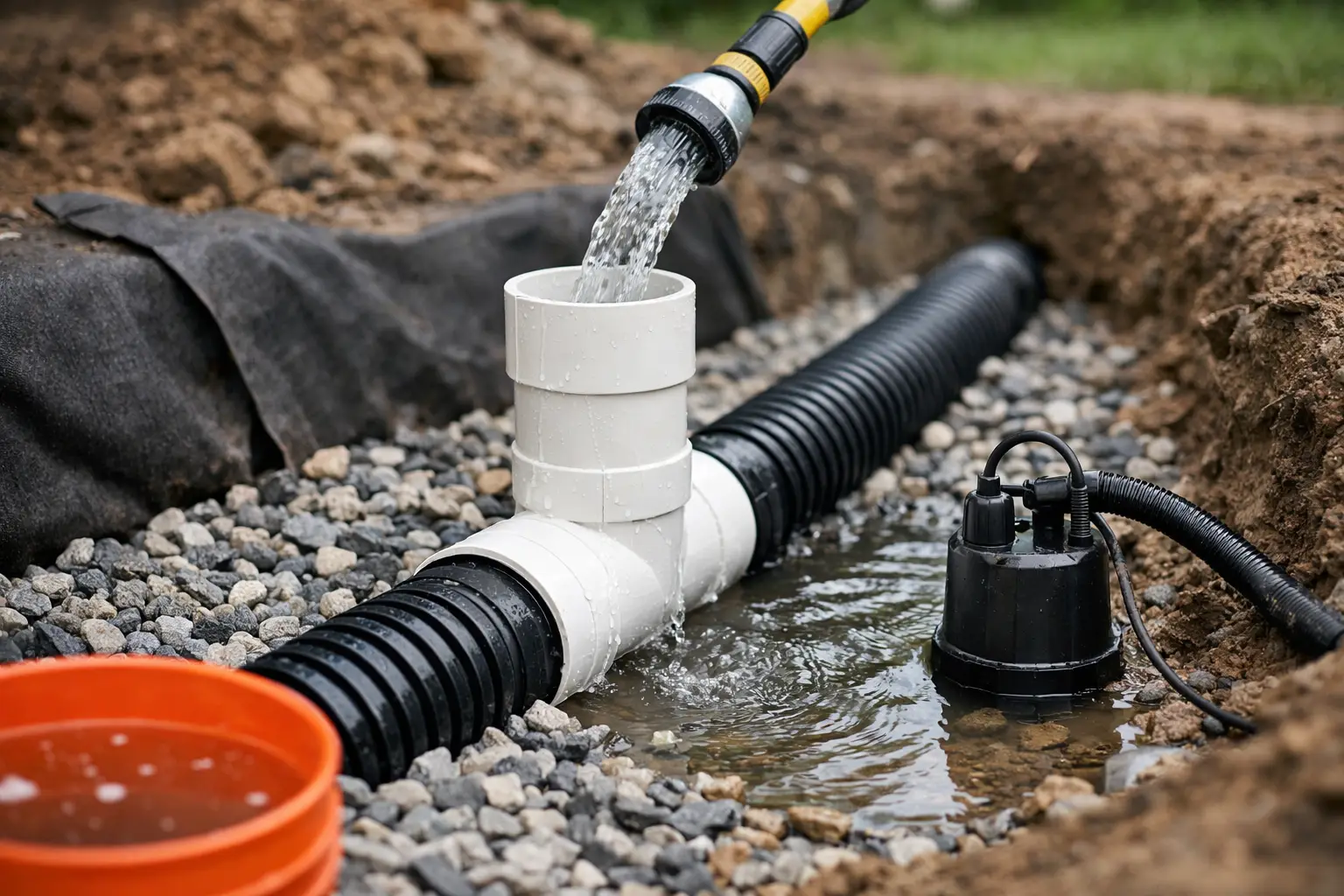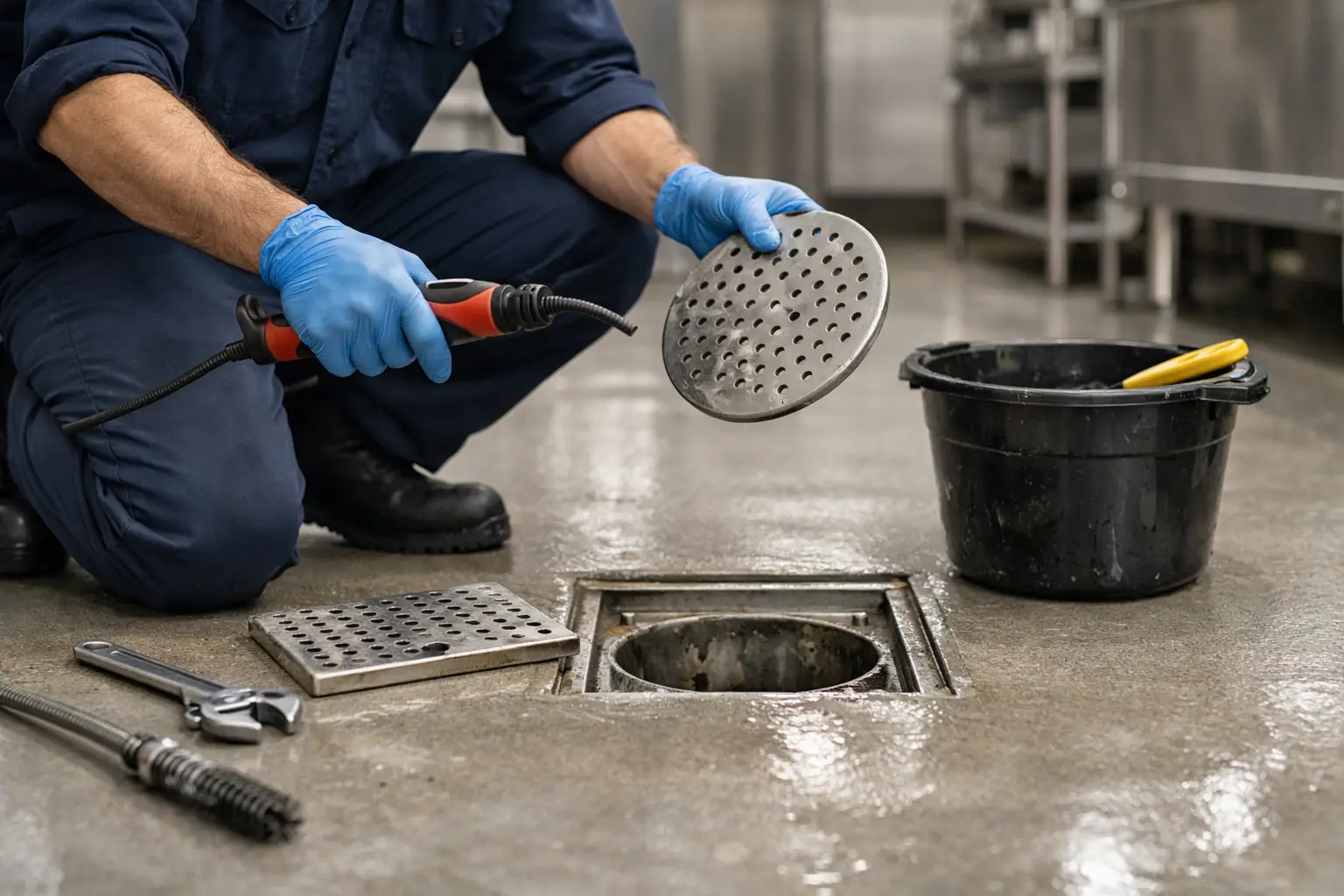
A blocked toilet or overflowing external drain can turn a straightforward tenancy into an urgent, expensive problem within minutes. Sensible drain maintenance for rental properties helps landlords reduce avoidable call-outs, protect the condition of the building and give tenants confidence that issues will be dealt with properly.
The aim is not to carry out unnecessary work. It is to spot warning signs early, keep the system clear and investigate recurring problems before a minor blockage becomes damaged pipework, internal flooding or a dispute over responsibility.
Why rental drains need a planned approach
Drains in rented homes often work harder than owner-occupied properties. More occupants, frequent changes of tenancy and limited knowledge of the drainage layout can all increase the risk of misuse and missed warning signs. Tenants may not know where the inspection chambers are, which appliances connect to which pipework, or that wipes, fat and sanitary products can cause serious blockages.
A one-off blockage does not always point to a defect. It could be caused by inappropriate items entering the system. However, repeated blockages in the same toilet, sink or gully should never be dismissed as bad luck. The cause may be a build-up of grease, root ingress, a displaced joint, a cracked pipe or a section of drain with poor falls.
For landlords, the cost is not limited to clearing the blockage. There may be lost rent, damage to flooring or decoration, emergency accommodation questions and a tenant who feels ignored. A planned approach is usually more cost-effective than paying for repeated emergency visits without getting to the cause.
What a landlord should check between tenancies
The void period between tenants is the best time to inspect a property without causing disruption. A basic visual check can identify obvious risks before a new tenant moves in.
Start with the internal fixtures. Run taps, flush each toilet and check that sinks, baths and showers empty at a normal rate. Slow drainage, gurgling sounds or unpleasant smells can indicate a developing restriction. Do not rely on strong chemical drain cleaners to solve the issue. They may offer a short-term improvement, but they do not repair damaged pipes or remove the source of a recurring blockage.
Outside, check visible gullies, drain covers and inspection chambers where they can be safely accessed. Remove leaves, silt and surface debris from gullies. Look for standing water, broken covers, loose brickwork around chambers or signs that a drain has backed up previously. A foul smell around an external drain is worth investigating, particularly if it returns after rain or after the system has been used heavily.
If a property has mature trees nearby, root ingress deserves particular attention. Roots naturally seek moisture and can enter older pipe joints or existing cracks. Once inside, they trap waste and paper, gradually narrowing the pipe. This is a common reason for drains that clear temporarily but block again weeks or months later.
Drain maintenance for rental properties: a sensible schedule
The right schedule depends on the age of the property, the number of occupants, the type of tenancy and its drainage history. A newer family home with no previous issues will not need the same level of attention as an older shared house with a record of blockages.
For most rental properties, landlords should arrange a visual check at each change of tenancy and after any report of slow-running fixtures or external smells. Gullies should be cleared of leaves and debris regularly, especially during autumn and after severe weather. Properties with communal kitchens, multiple bathrooms or heavy commercial-style use may benefit from planned cleaning more frequently.
A professional clean using high-pressure water jetting is useful where grease, scale, silt or repeated blockages are present. It clears the inside of the pipe more thoroughly than rodding alone. However, jetting is a maintenance tool, not a cure for every fault. If a drain repeatedly blocks after being cleaned, a CCTV drain survey is the sensible next step.
A camera survey shows what is happening underground. It can identify roots, cracks, collapsed sections, displaced joints, scale, standing water and incorrect connections. That means repairs can be based on evidence rather than guesswork. For landlords managing several properties, keeping the footage and written findings on file also creates a useful record of the condition of the drainage system.
Clear responsibilities prevent arguments later
Landlords are normally responsible for keeping the property’s drainage system in repair, including drains, soil pipes, gullies and the pipework serving the home. Tenants should use facilities properly and report problems promptly. The exact position can depend on the tenancy agreement and the circumstances, so clear communication matters.
Give new tenants simple, practical guidance at check-in. Explain that wipes, cotton buds, sanitary products, nappies, cooking fat, food scraps and excess paper should not be put into the drains. Even products labelled as flushable can cause blockages when they meet fat, roots or damaged pipework further down the line.
It is also helpful to tell tenants what to do if they notice a problem. They should stop using the affected fixture if water is rising or backing up, avoid pouring chemical products into a completely blocked drain and report the issue straight away. A small leak or slow-draining shower is far easier to deal with than sewage backing up through a ground-floor toilet.
Avoid making assumptions before the drain has been inspected. Charging a tenant for a blockage without evidence can create unnecessary conflict, while treating every blockage as a landlord cost can mask ongoing misuse. A professional diagnosis provides a fairer basis for deciding what happened and what work is needed.
When a blockage points to a bigger repair
Some drainage faults cannot be resolved with cleaning alone. Warning signs include blockages returning in the same place, water pooling over an inspection chamber, visible subsidence, foul odours that persist after clearing, or several fixtures backing up at once.
Older clay drainage systems are especially vulnerable to root ingress, joint movement and fractures. Ground movement, building work and vehicle loading can also damage underground pipes. If the pipe has failed structurally, repeated unblocking only delays the inevitable and leaves the property exposed to another emergency.
Depending on the survey findings, repair may involve local excavation or no-dig CIPP drain relining. Relining creates a new lining inside the existing pipe and can be a practical option where access is difficult or where landlords want to avoid unnecessary disruption to gardens, paths or tenants. It is not suitable for every collapsed or badly misshapen drain, which is why the camera findings should guide the recommendation.
Keep records that support good property management
Drainage records are easy to overlook until there is an insurance claim, a tenant complaint or a sale in progress. Keep copies of call-out reports, CCTV survey footage, cleaning records, repair recommendations and guarantees. Note the date, location, symptoms reported and the work completed.
These records help you identify patterns across a portfolio. If the same property needs clearing every six months, the answer may be planned jetting, but it may also be a defect that needs repairing. Good records stop money being spent on the same temporary fix again and again.
For landlords in Wolverhampton and across the wider West Midlands, West Midlands Drainage can investigate recurring drainage problems with CCTV equipment, clear blocked systems with professional water jetting and advise on durable repair options. The priority should always be a clear explanation of the fault, transparent pricing and work that deals with the cause rather than just the immediate symptom.
A tenant should not have to live with slow drains, bad smells or the worry of wastewater backing up. Arrange an inspection when the first warning signs appear, keep the findings on record and deal with faults while they are still manageable. That is how a rental property stays protected between tenancies and during them.