A blocked drain rarely starts as a dramatic emergency. More often, it begins with a slow-draining sink, a toilet that rises higher than usual, or an outside gully that smells worse after rain. Leave it alone, and a minor nuisance can quickly turn into wastewater backing up into your property. That is why a blocked drain is always worth dealing with properly, not just masking for a few days.
For homeowners, landlords and commercial sites, the main question is not simply how to get water moving again. It is whether the blockage is a one-off near the plughole or a sign of a deeper fault in the pipework. That difference matters, because the right fix for one can be a waste of time and money for the other.
What causes a blocked drain?
In domestic properties, the usual culprits are familiar enough. Fat, oil and grease cool inside the pipe and start catching other debris. Hair and soap build up in bathroom wastes. Wet wipes, sanitary products and too much toilet paper can lodge in the line and create a stubborn obstruction. Outside, leaves, silt and even displaced pipe joints can restrict the flow.
Commercial premises often see a different pattern. Kitchens produce heavy grease build-up. Shared facilities mean higher usage and more chance of unsuitable items being flushed. Older properties across parts of the West Midlands can also have ageing drainage systems, where scale, root ingress or cracked pipework contribute to repeat blockages.
This is where guesswork causes problems. A bottle of shop-bought drain cleaner might shift a small local build-up in a basin waste, but it will not solve tree roots growing into a buried drain or a collapsed section of pipe. In some cases, harsh chemicals can make matters worse by damaging old pipework or creating a safety issue for anyone who has to inspect the drain afterwards.
Signs your blocked drain may be more serious
Not every blockage needs major repair work, but some warning signs should not be ignored. If more than one appliance is draining slowly, the problem may be further down the system rather than in an individual waste pipe. If flushing the toilet causes water to rise in a shower tray or sink, that points to a shared drainage issue. Bad smells coming from outside gullies, repeated backups, or standing water around inspection chambers can also suggest a deeper obstruction.
Noise matters too. Gurgling from plugholes often means trapped air caused by restricted flow. On its own, that does not prove a structural fault, but if it keeps happening after basic clearing attempts, it is worth investigating properly.
The key point is recurrence. A blocked drain that returns every few weeks is usually not just bad luck. It is often telling you the original cause was only partially cleared, or that there is an underlying issue such as root ingress, a scale-heavy line, poor installation or damaged pipework.
What you can try first
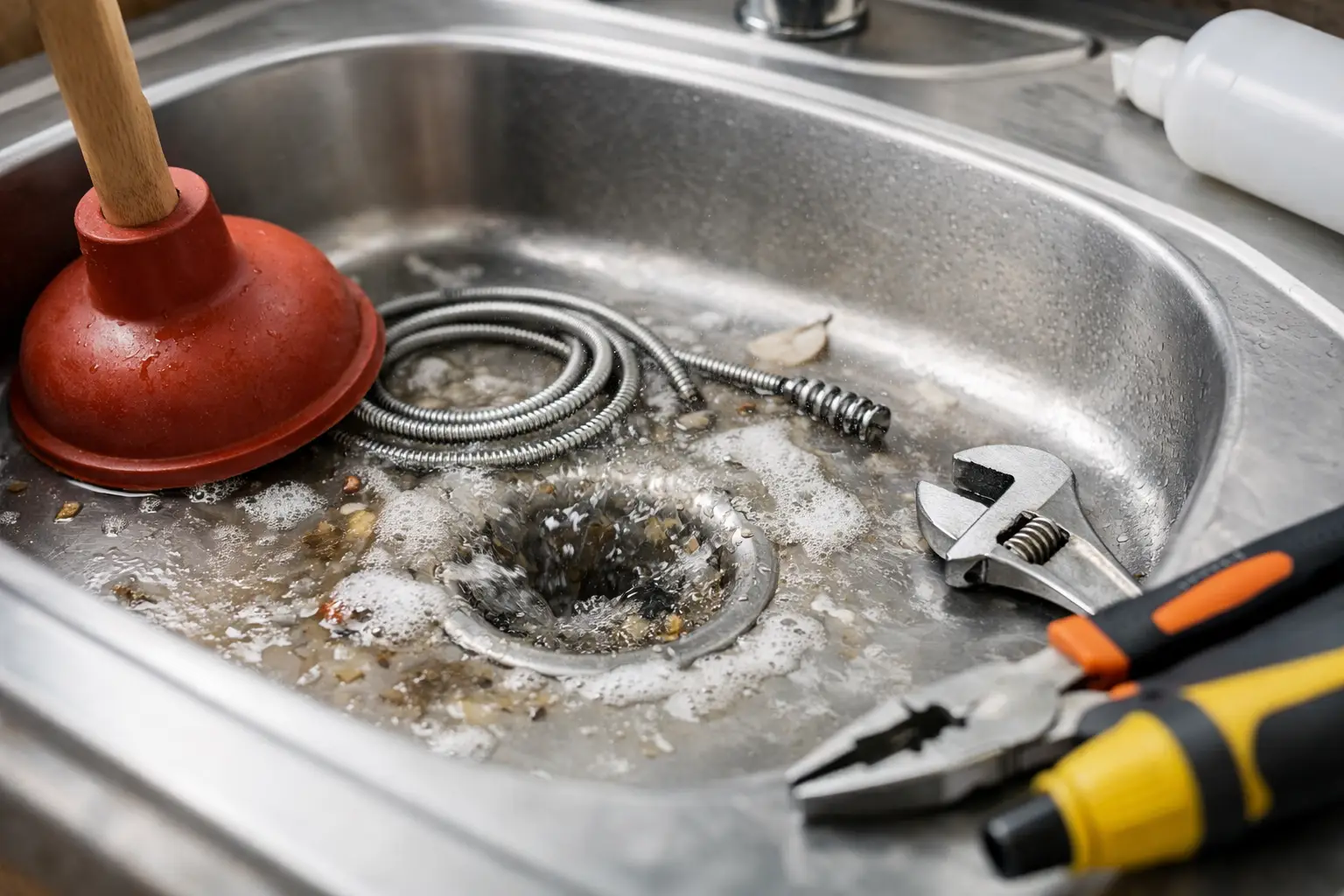
If the blockage is isolated to one sink or basin and there is no sign of sewage backing up, a few sensible first steps are reasonable. A plunger can sometimes shift a minor obstruction. Cleaning out the trap under a sink may remove grease, food debris or hair. In a shower or bath, manually removing hair from the waste can also help.
What is not sensible is forcing the issue with repeated chemical treatments, poking random objects down the pipe, or ignoring outdoor drainage because the water eventually disappears. Those approaches often waste time and can turn a straightforward clearance into a messier repair.
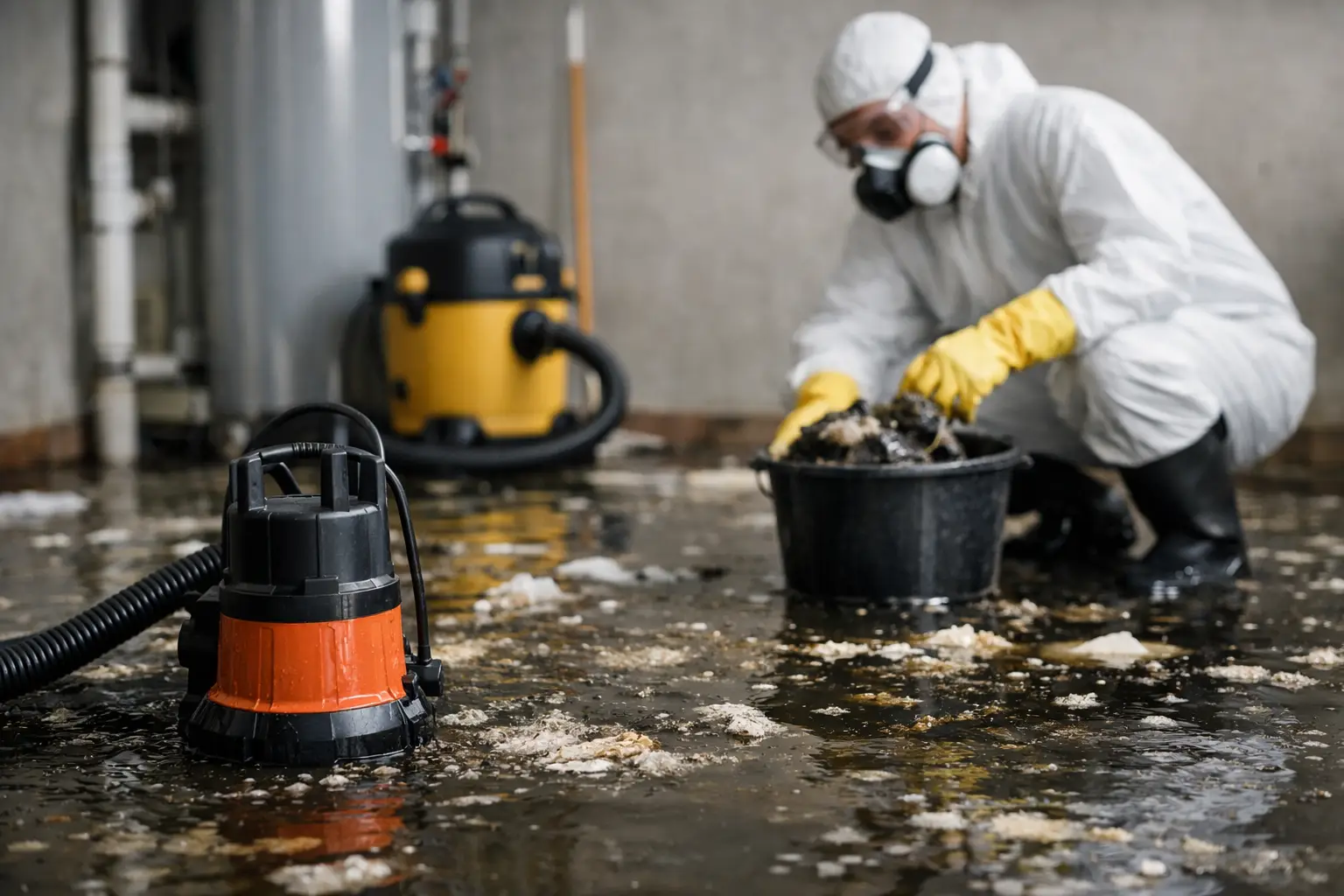
If the blockage affects a toilet, multiple outlets, or an external drain, it is usually better to stop there and get it checked. Once foul water is involved, the job becomes less about convenience and more about hygiene, property damage and finding the root cause quickly.
How a professional deals with a blocked drain
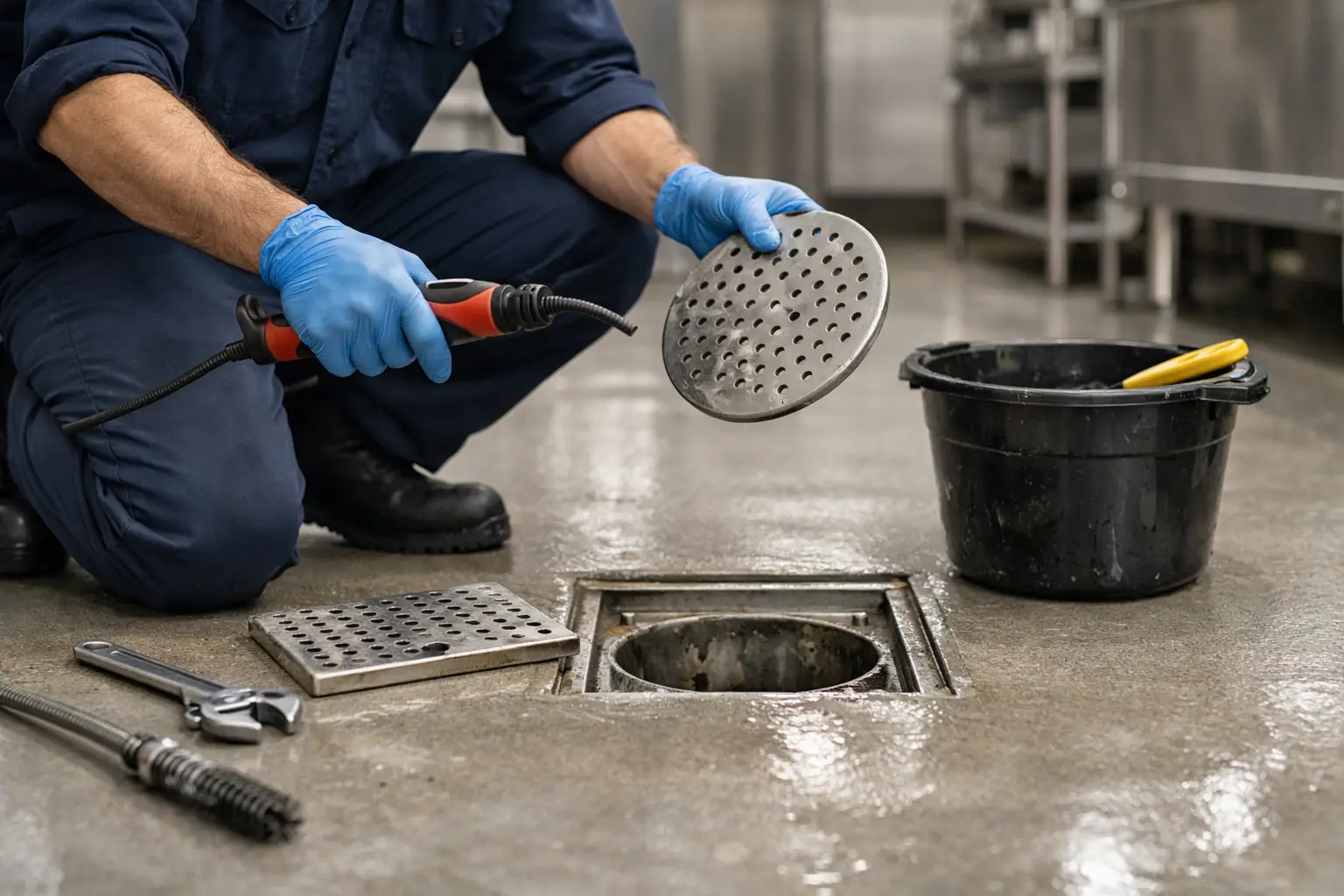
A proper drainage service should do more than just restore flow and leave. The job starts with identifying where the blockage is, what it is made of and whether the pipe itself is sound. Sometimes that can be established from the symptoms and access points. In other cases, CCTV inspection is the right next step, especially where there are repeat problems or signs of structural damage.
For many blockages, high-pressure water jetting is the most effective solution. It does not just punch a hole through the centre of the obstruction. It clears the pipe walls more thoroughly, removing grease, silt, wipes and other compacted debris. That gives a cleaner result and reduces the chance of the drain blocking again shortly afterwards.
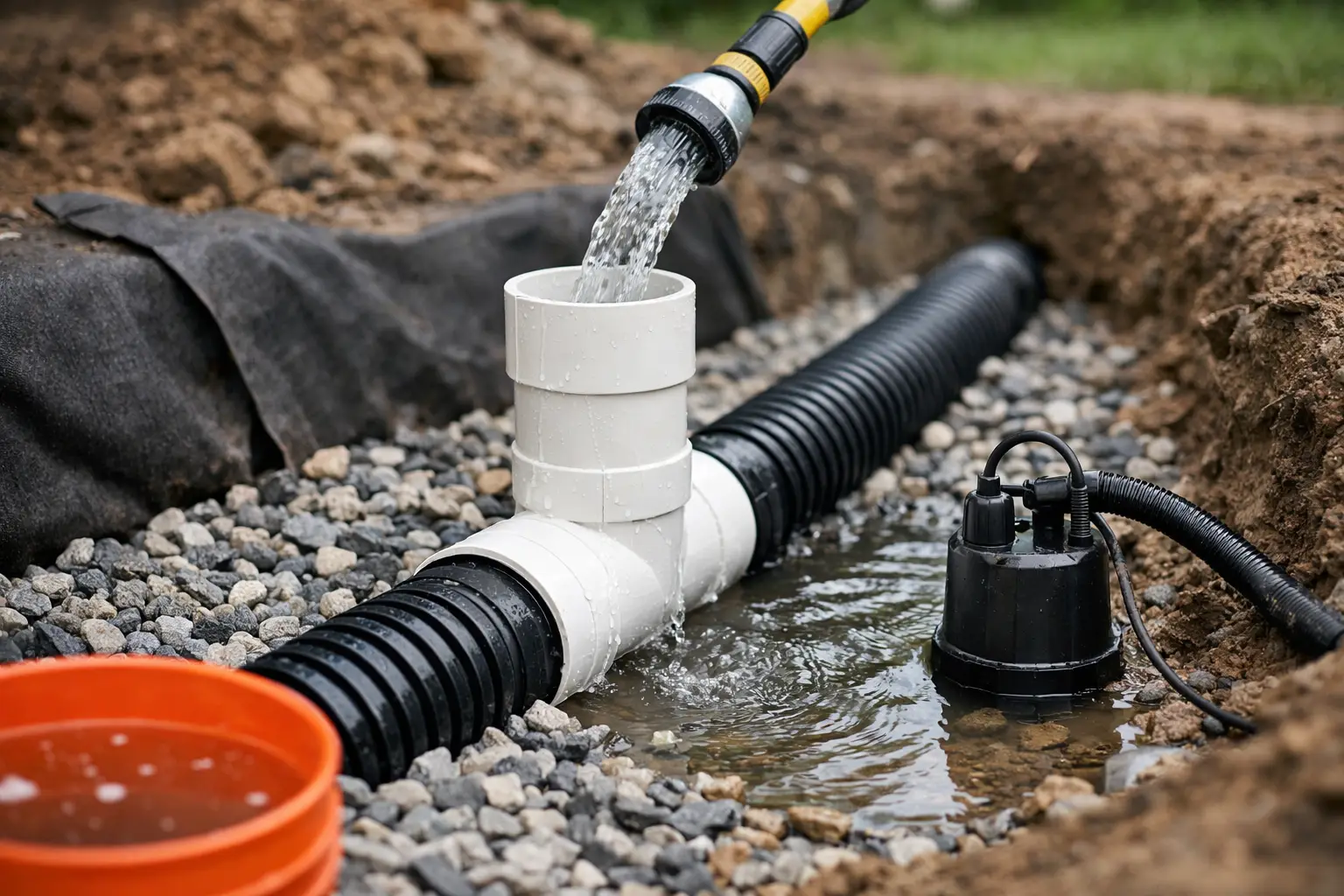
If the survey shows a cracked pipe, displaced joint or root ingress, simply unblocking the line will not be enough. That is where repair options matter. In some situations, no-dig methods such as CIPP relining can restore the pipe internally without the disruption of excavation. In others, a localised excavation is the honest answer. It depends on the location, the condition of the line and what will provide a durable repair rather than a temporary patch.
Why blocked drains keep coming back
Recurring drainage issues usually come down to one of three things. The first is incomplete clearance. Water may start flowing again, but debris remains stuck to the pipe wall and quickly rebuilds. The second is misuse, such as flushing wipes or pouring grease down sinks. The third is a physical defect in the system itself.
That last point is often overlooked. A cracked or deformed pipe can catch waste and create a repeat blockage point. Tree roots can enter through small openings and gradually thicken inside the drain. Poor falls on a newly installed line can also mean wastewater never clears as it should. If no one checks for these faults, the customer ends up paying for repeated emergency visits without ever solving the problem.
That is why diagnosis-led work matters. A decent drainage engineer should be able to explain whether your issue looks like a simple blockage, a maintenance problem or a repair job in the making.
Blocked drain emergencies and when to call straight away
Some situations should not wait until tomorrow. If sewage is backing up into toilets, sinks or floor drains, call immediately. The same applies if an external manhole is surcharging, wastewater is spilling near the property, or a commercial site cannot operate safely because of drainage failure.
For landlords and facilities managers, speed matters for another reason. A blocked drain can affect tenant welfare, create slip and hygiene risks, and disrupt normal business use. Acting early usually means less disruption and a better chance of containing the problem before it spreads into multiple areas of the system.
A local specialist is often the right choice in these cases, especially one with proper jetting and CCTV equipment on the van rather than a basic call-out service that still has to arrange the actual diagnosis later. Rapid response is only useful if the team arriving can genuinely deal with the issue there and then.
Preventing the next blocked drain
Prevention is not glamorous, but it is cheaper than repeated call-outs. In homes, the basics go a long way: do not pour fat or oil down the sink, use sink strainers where appropriate, and never treat wipes as flushable just because the packet says so. In rental and commercial properties, clear occupant guidance helps, but high-use sites also benefit from planned maintenance.
Periodic cleaning and inspection can make sense where drains are known to carry grease, where there is a history of root intrusion, or where older pipework has caused previous issues. It is not necessary for every property, but where the risk is higher, scheduled maintenance is often far more cost-effective than emergency attendance after a failure.
For property buyers, a CCTV survey can also be a sensible precaution if there are signs of slow drainage, past extension work, or uncertainty about the condition of the underground system. A blocked drain is sometimes the first visible symptom of a problem that has been developing for years.
The value of doing it properly the first time
Drainage work is one of those trades where the cheapest quick fix can become the most expensive route. If the blockage is minor and local, the answer may be straightforward. If it keeps returning, affects multiple outlets or points to damaged pipework, the right response is proper diagnosis followed by the correct repair.
That is the standard West Midlands Drainage works to – direct advice, no hidden fees, and solutions built around what is actually wrong rather than what is quickest to invoice. When customers are already dealing with foul smells, overflows or disruption to their property, they do not need guesswork on top.
If you have a blocked drain, the best next step is simple: treat it early, treat it properly, and make sure the fix matches the cause.