A drain that blocks every few months is rarely just a blockage. If water is backing up, toilets are slow to clear or there is a persistent drain smell outside, the underground pipe may be cracked, displaced or affected by tree roots. Lining domestic sewer pipes is often a practical way to repair that damage without digging up a driveway, patio or garden.
Also known as CIPP relining, this no-dig method creates a new pipe within the damaged one. It can be an excellent long-term repair, but it is not a shortcut to use on every fault. The right answer starts with finding the cause properly.
What causes domestic sewer pipes to fail?
Many properties across Wolverhampton and the wider West Midlands have older clay drainage pipes. These are hard-wearing, but their joints can open over time. Ground movement, settlement, heavy vehicles, poor historic repairs and nearby roots can all create weak points.
Once a joint has moved or a crack has developed, fine roots can enter in search of moisture. They grow inside the pipe, catching paper, grease and other waste. Repeated clearing may restore flow for a while, but it does not repair the opening that allowed the roots in.
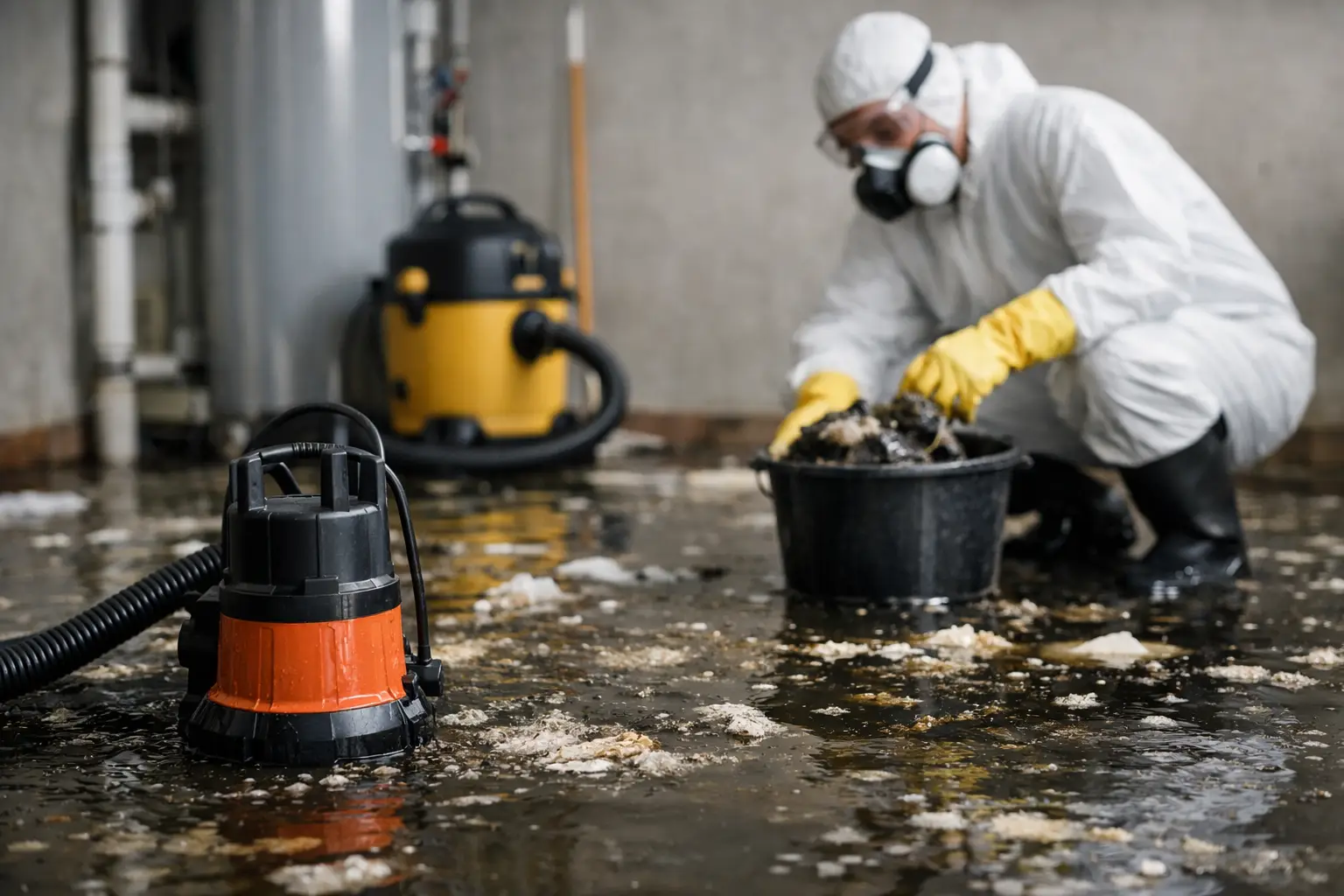
Common signs of a damaged sewer pipe include recurring blockages in the same area, a gully that overflows during use, damp or sunken ground, foul odours and evidence of roots in material removed from the drain. These symptoms can also have other causes, which is why diagnosis matters before anyone recommends a repair.
How lining domestic sewer pipes works
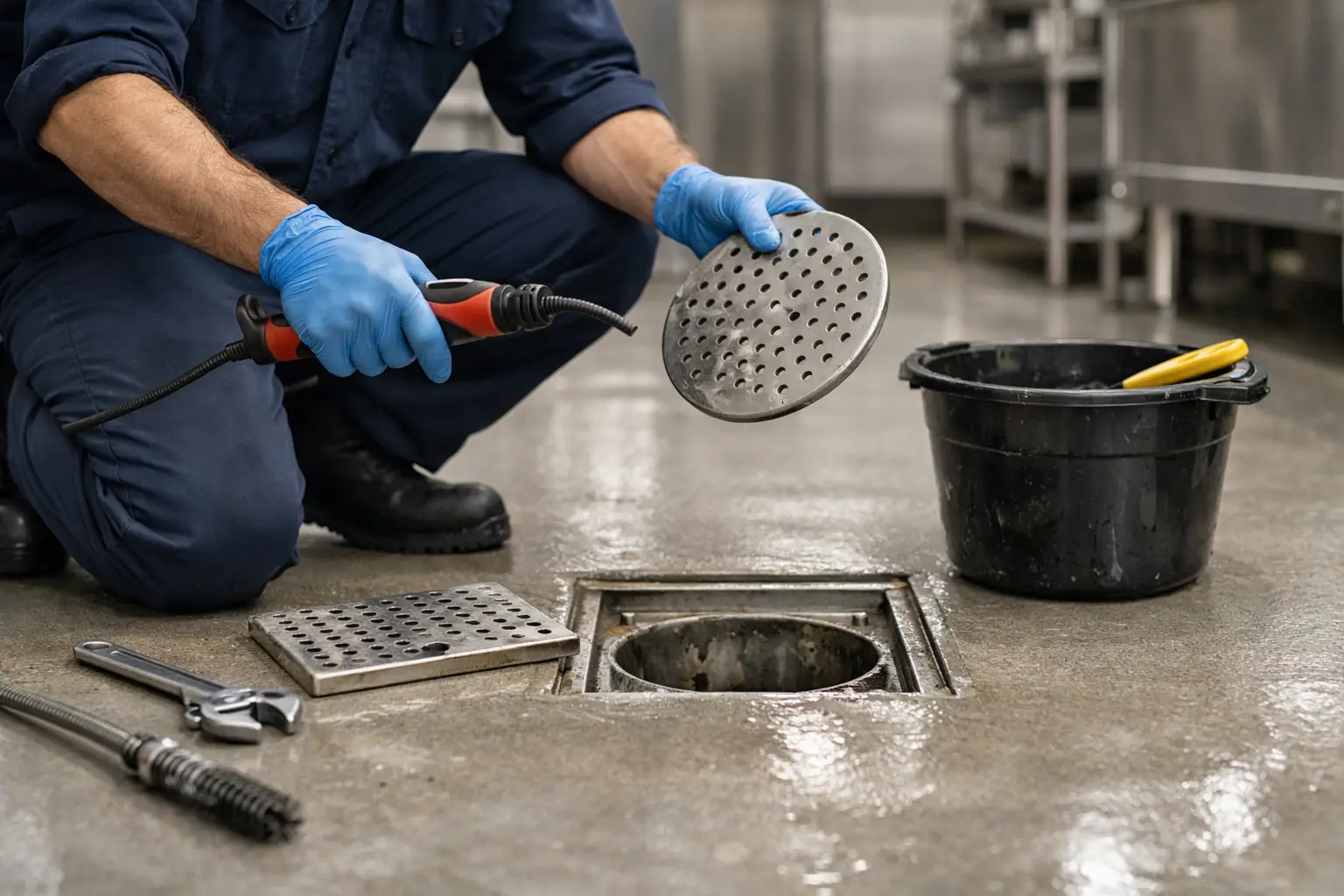
A professional relining job begins with a CCTV drain survey. A camera is sent through the pipe to identify the exact location and nature of the damage. The survey shows whether there are cracks, root ingress, displaced joints, scale build-up, fractures or a partial collapse. It also confirms the pipe diameter, route and condition.
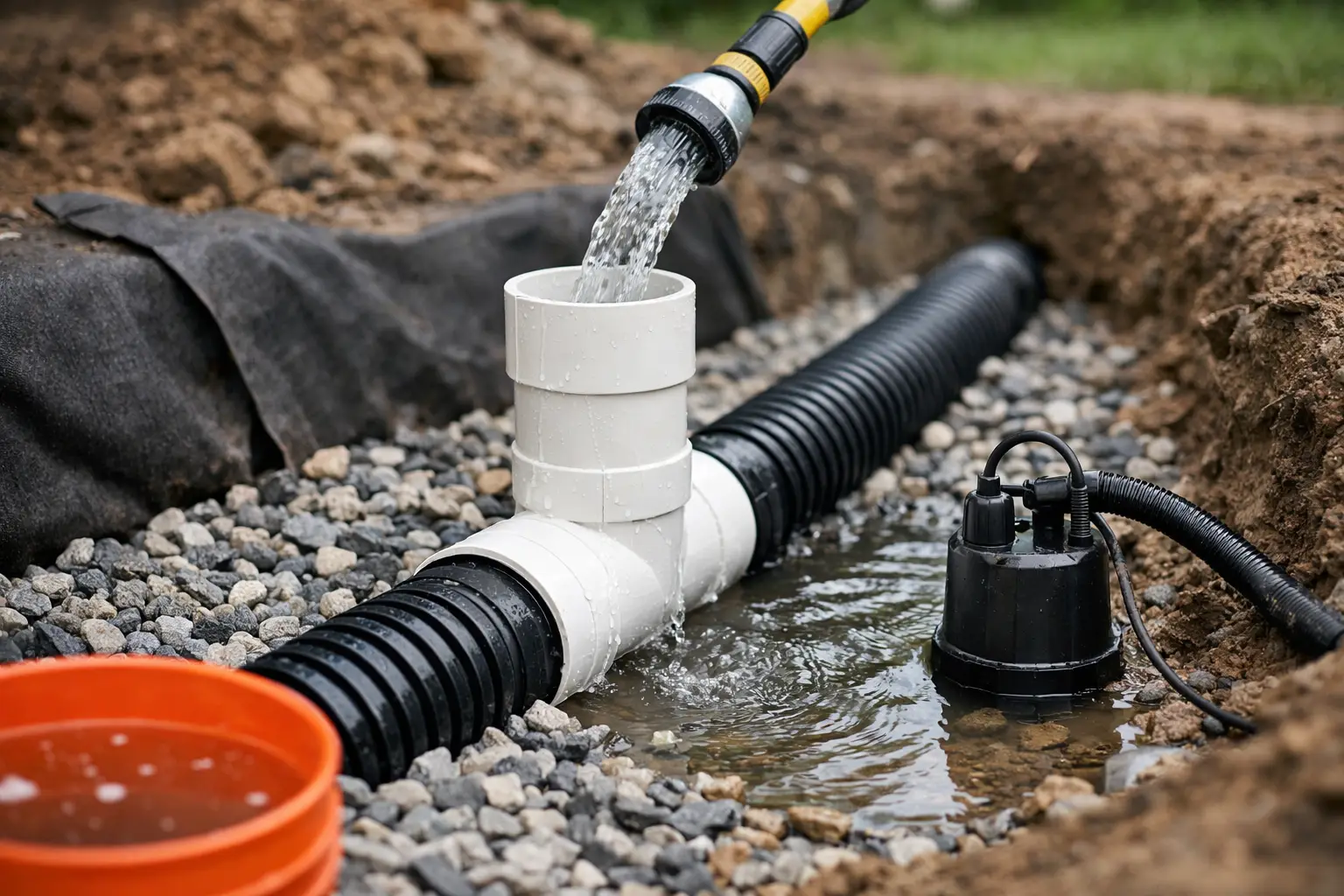
Before the liner goes in, the drain must be cleaned thoroughly. High-pressure water jetting removes silt, debris, grease and roots so the new liner can bond correctly against the pipe wall. If this stage is rushed, the repair may not perform as it should.
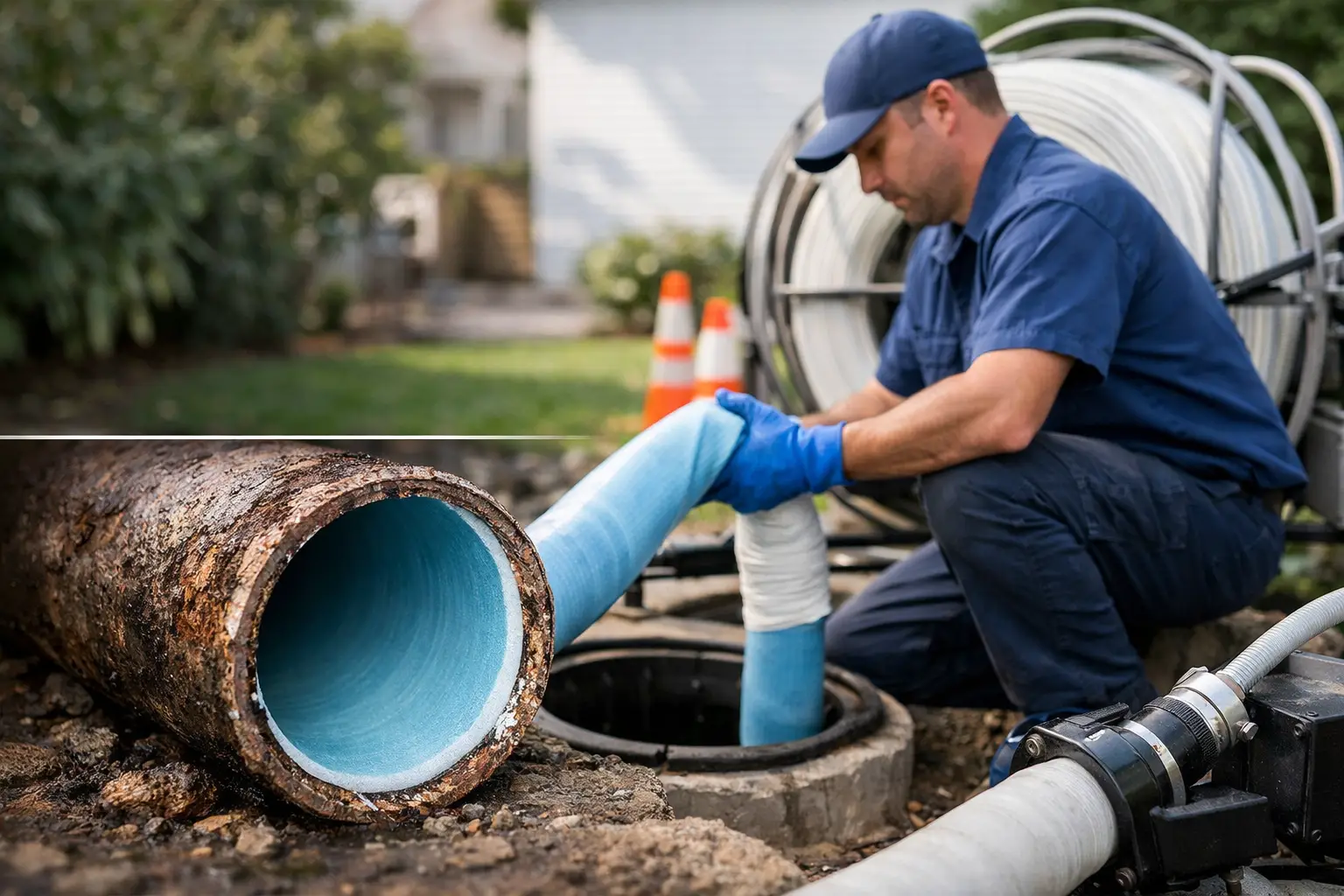
A flexible liner is then impregnated with resin and positioned within the damaged section. It is inflated or otherwise held in place until the resin cures. Once set, it forms a smooth, jointless inner pipe that seals cracks and closes off root entry points. Any branch connections within the repaired section are reopened with specialist cutting equipment.
The finished repair is checked by CCTV. You should be able to see the condition of the lined section and receive clear information on what has been repaired. This is not simply a matter of pushing material into a drain and hoping for the best. Preparation, curing and post-repair inspection all affect the result.
What are the benefits of a no-dig repair?
The obvious benefit is less disruption. Traditional excavation may involve lifting block paving, breaking concrete, removing landscaping or digging close to a building. Relining can often avoid that work, reducing mess and the time needed to put the area back together.
It is also a durable option for suitable pipes. The liner seals multiple cracks and joints along the repaired length, rather than dealing with one visible defect alone. Its smooth internal finish can improve flow where a pipe has become rough through age, scale or minor damage.
For landlords, homeowners and commercial property operators, this can mean a quicker repair with fewer complications around access, tenants, parking areas or finished surfaces. It may also be easier to document for an insurer or property file when supported by CCTV evidence and a written guarantee.
When sewer pipe lining is the right choice
Relining is particularly useful where a pipe is structurally sound enough to hold its shape but has cracks, open joints, root ingress or localised deterioration. It can work well for drains running beneath extensions, kitchens, driveways, garages and established gardens, where excavation would bring significant reinstatement costs.
The length and position of the defect matter. A short patch liner may be enough for one damaged joint or crack. If the survey identifies several faults along a longer run, a full-length liner can provide better value and a more complete repair. Neither option should be chosen without seeing the pipe first.
Access also has a bearing. A drainage contractor needs suitable entry points, such as inspection chambers or rodding access, and enough information to work safely around bends and junctions. A clear CCTV survey allows the repair method to be planned rather than guessed.
When excavation may be the better repair
No-dig repair has limits. If the pipe has fully collapsed, is badly deformed, has a severe offset joint or is holding standing water because it has lost its fall, a liner may not solve the underlying problem. Lining follows the existing pipe route, so it cannot straighten a badly displaced drain or correct an incorrect gradient.
Excavation may also be necessary where a section has been crushed, where access is impossible or where the pipework was installed incorrectly. While digging is more disruptive, it can be the most honest and reliable route in those circumstances.
Be cautious of anyone offering a price for relining before inspecting the drain. A proper contractor should explain what the camera has found, show you the issue where possible and set out why lining, patching or excavation is being recommended. The lowest initial quote is not always the cheapest repair if it leaves the actual defect in place.
Why a CCTV survey comes first
A CCTV drain survey takes the uncertainty out of recurring drainage problems. It identifies the condition of the pipe, not just the point where water happens to stop flowing. For a homeowner, that means a clear basis for deciding whether repair work is needed. For a buyer, landlord or facilities manager, it creates a useful record of the underground drainage system.
The survey should establish the pipe material, diameter, depth where relevant, direction of flow, defect locations and whether roots or debris are present. It should also distinguish between a private drain serving one property and pipework that may be shared. Responsibility for sewer and drain repairs can vary depending on the layout, so it is worth clarifying before work starts.
At West Midlands Drainage, the aim is diagnosis-led work. If jetting and routine maintenance are enough, that should be made clear. If the pipe needs a permanent repair, the evidence should support it. There is little value in repeatedly attending the same blockage when a damaged section underground is the real cause.
Cost, guarantees and choosing a contractor
The cost of lining domestic sewer pipes depends on the diameter and length of pipe, the number of access points, the amount of preparation needed and whether patch repairs or a full liner are required. A drain beneath a clear garden is different from one running under a tiled extension or busy commercial yard.
Ask what is included in the quote. It should be clear whether CCTV inspection, cleaning, root removal, reinstatement of branch connections and a final camera survey are covered. You should also ask about the guarantee, the material being used and what happens if the survey finds a fault that cannot be lined.
Accreditation, insurance and proven drainage experience matter. Relining equipment is only as effective as the team using it. A technically sound repair, supported by recorded evidence and straightforward pricing, gives you a far better chance of avoiding another emergency call-out.
If your drains keep blocking, do not wait for a complete backup to force the issue. Arrange a survey while the pipe can still be assessed properly. A clear view of what is happening underground makes it easier to choose a repair that protects your property, rather than paying again and again for a temporary clear-out.