A drain that blocks repeatedly is rarely just a blockage. If water keeps backing up, foul smells return or a CCTV survey shows cracks and root ingress, the pipe itself may be failing. This guide to drain relining explains how a no-dig repair works, when it is suitable and what a proper contractor should check before recommending it.
For homeowners, landlords and commercial property managers, relining can avoid the disruption of digging through gardens, driveways, floors or landscaped areas. It is not a cure-all, though. The condition, shape and accessibility of the existing pipe determine whether relining is a durable repair or whether excavation is the more sensible option.
What is drain relining?
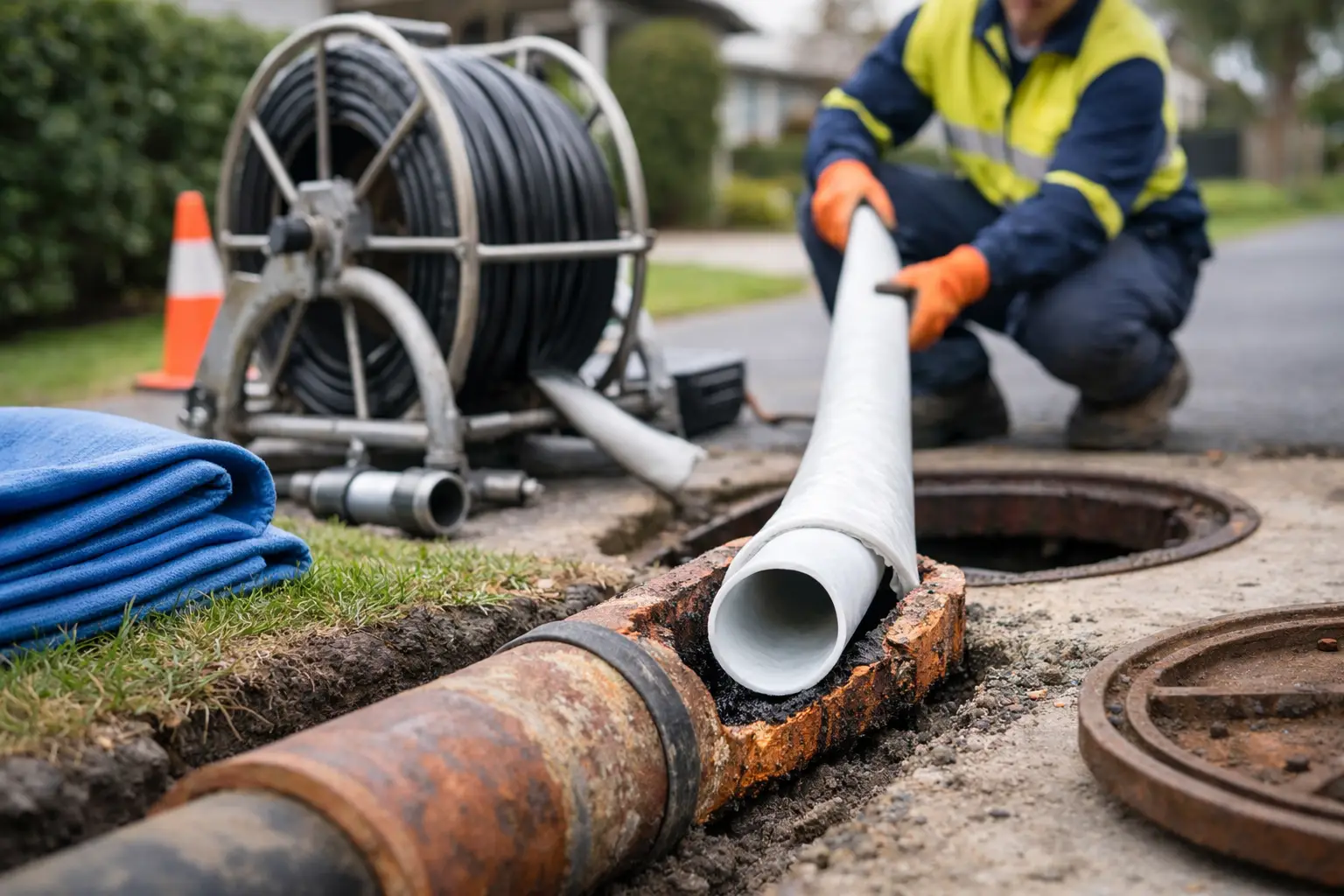
Drain relining is a trenchless method of repairing a damaged drain from the inside. Rather than digging up and replacing the full length of pipe, a drainage engineer installs a resin-impregnated liner inside the existing drain. Once cured, the liner forms a new, smooth pipe within the old one.
The method is commonly known as cured-in-place pipe, or CIPP, lining. It can repair cracked sections, open joints, root damage, minor holes and worn pipework. It also seals points where groundwater may be entering the drain, which can otherwise overload the system and contribute to recurring problems.
A correctly installed liner is not a temporary patch. It is designed to provide a long-lasting structural or semi-structural repair, depending on the liner specification and the damage found. The key word is correctly. Relining should follow a clear diagnosis, thorough cleaning and a post-work inspection – not be used to cover up an unidentified fault.
Guide to drain relining: how the process works
The work normally starts with a CCTV drain survey. A camera is fed through the pipe to identify the exact location and nature of the problem. This gives the engineer the information needed to measure the affected section, check pipe diameter and confirm whether there are bends, branches or collapses that could affect installation.
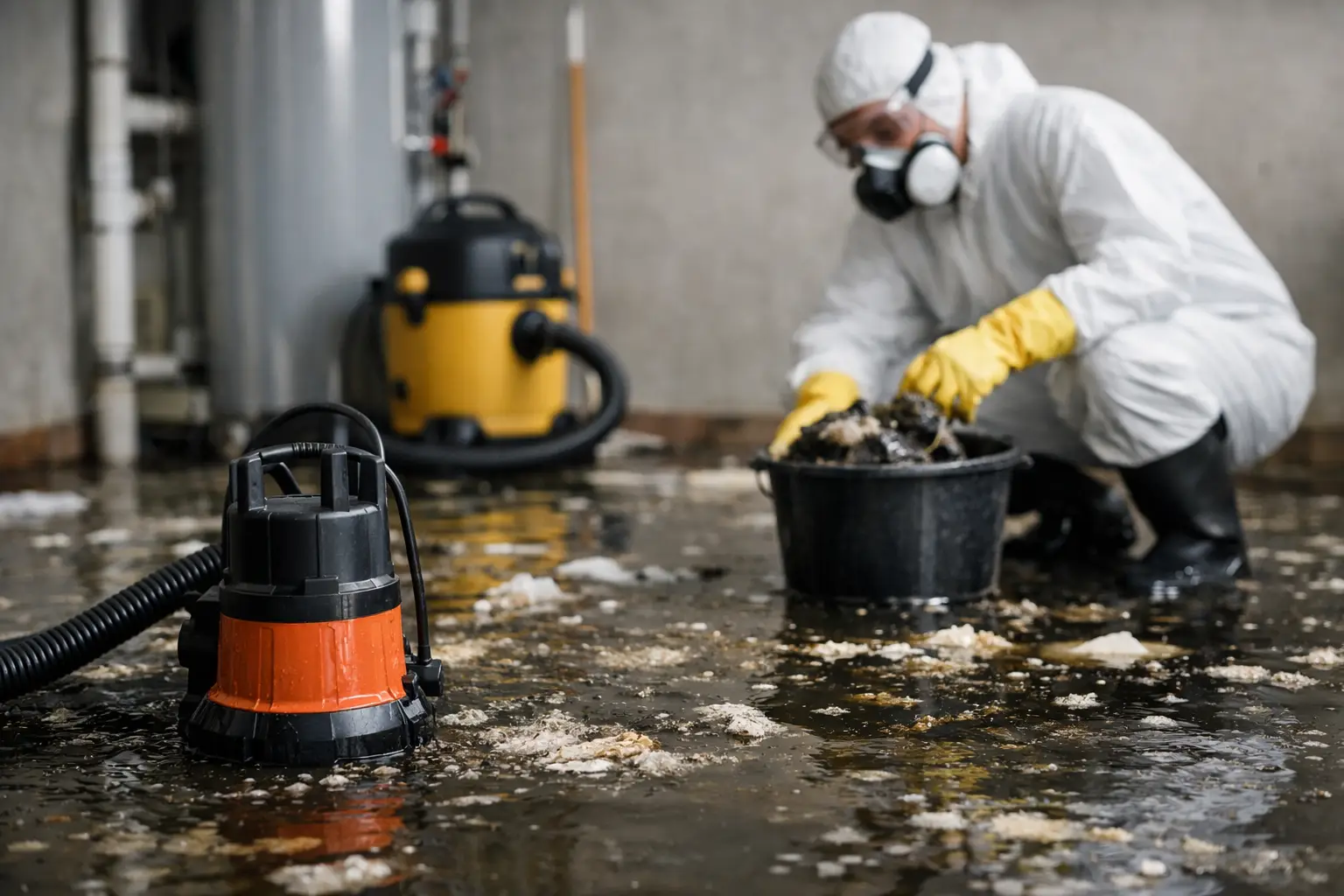
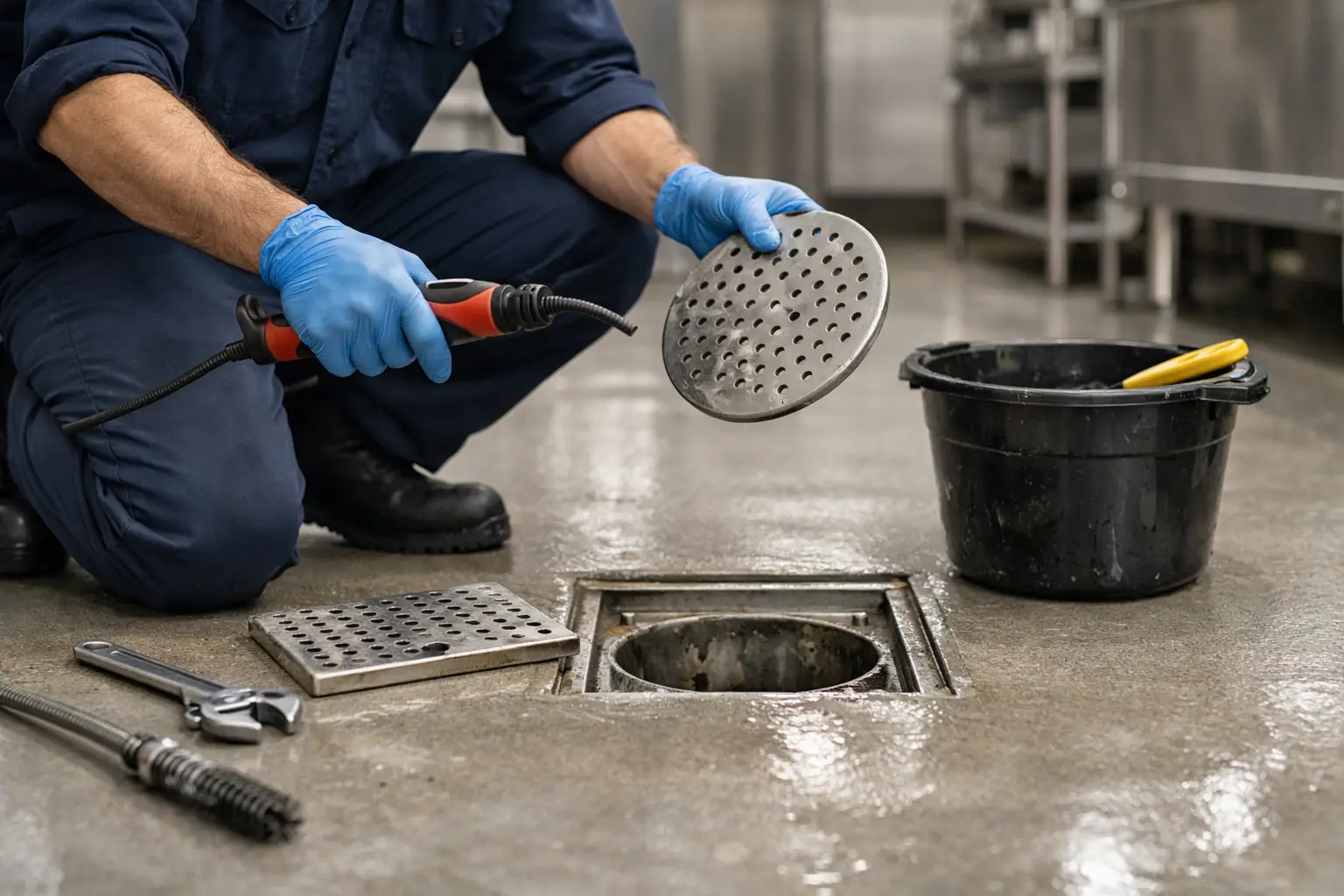
The drain must then be cleaned properly. High-pressure water jetting removes scale, grease, loose debris and roots so the liner can bond and sit against the pipe wall. If roots are present, they need cutting back first. Lining over heavy debris or active root growth is poor practice and can reduce the life of the repair.
The liner is cut to size, saturated with a specialist resin and inserted into the drain using an inversion drum or pulled into place. A calibration tube or packer is then inflated to press the liner firmly against the inside of the damaged pipe. Heat, steam, hot water or ambient curing is used, depending on the system and site conditions.
Once the resin has cured, the equipment is removed and the drain is checked again with CCTV. Any branch connections covered by the liner are reopened with a cutting tool. A reputable contractor should be able to show you the survey footage or explain the before-and-after condition in plain English.
When relining is the right repair
Relining is often a strong option where the pipe still has a usable shape but has localised defects. Typical examples include cracks caused by ground movement, displaced or leaking joints, root ingress, worn clay drains and damage beneath a driveway or extension.
It is particularly useful where excavation would mean lifting block paving, breaking concrete, disturbing mature planting or accessing pipework beneath a building. For landlords and commercial sites, less excavation can also mean less disruption to tenants, customers and daily operations.
A short patch liner may be enough if the damage is limited to one area. For a drain with several defects along a longer run, full-length lining may offer better value and a more reliable result. The choice should be based on the CCTV findings, not simply on which repair is quickest to sell.
Relining can slightly reduce the internal diameter of a pipe. In most domestic drainage systems this is not a practical issue, as the liner is thin and the finished surface is smooth. However, pipe capacity needs consideration where there is already poor fall, heavy commercial use or a history of slow drainage.
When excavation may be better
No-dig repair has limits. If the drain has fully collapsed, is badly misshapen, has severe backfall or has separated over a wide gap, a liner may not restore the pipe to a sound condition. Excavation and replacement may be the only responsible repair.
The same applies where the pipe is too badly blocked or inaccessible to clean and inspect, or where a connection needs altering as part of a renovation or extension. A liner follows the existing route, so it cannot correct a poorly designed drain layout, create a new fall or move pipework away from a planned foundation.
This is why diagnosis-led work matters. A low price for relining is not good value if the underlying cause has been missed and the drain fails again. In some cases, a targeted excavation on one collapsed section followed by relining elsewhere gives the best balance of cost, disruption and durability.
What affects drain relining cost?
There is no honest fixed price for every relining job. Cost depends on the length and diameter of pipe, the number of defects, access points, the cleaning required, the liner system used and whether branch connections must be reopened after curing.
A straightforward patch repair in an accessible domestic drain will usually cost less than lining a long run beneath a commercial car park. Tree roots, heavy scale, awkward bends, deep chambers and restricted access can all add preparation time. Emergency attendance may also cost differently from planned work.
Ask for a clear breakdown of what the quotation includes. You should know whether it covers CCTV investigation, jetting, root cutting, lining, reinstating connections, a final camera survey and any guarantee. Transparent pricing matters because drain repairs are stressful enough without surprise extras appearing after work has started.
For insurance-related damage, keep copies of CCTV footage, reports, photographs and invoices. Insurers often need evidence of the defect and the repair method used. A written report can also be useful for property purchases, landlord records and planned maintenance files.
Questions to ask before approving the work
Before agreeing to drain relining, ask what the CCTV survey found and whether a patch or full-length liner is proposed. The contractor should explain why that option suits the pipe, rather than relying on vague claims about a quick fix.
Also ask how the drain will be cleaned, how connections will be reopened and what checks will be completed after curing. You should receive confirmation that the drain is flowing freely and that the lined section has been inspected.
It is sensible to ask about the guarantee, any exclusions and who will carry out the work. Direct access to an experienced in-house drainage team can make a real difference when a problem needs explaining or a site needs revisiting. For properties in Wolverhampton and the wider West Midlands, West Midlands Drainage can assess the pipe with CCTV before advising whether no-dig relining is appropriate.
Looking after a relined drain
A relined drain is low-maintenance, but it is not indestructible. Avoid pouring fat, oil, paint, cement washings or wipes into the system. Keep gullies clear of leaves and silt, and deal with slow drainage early rather than waiting for a full blockage.
Where a property has mature trees, a periodic CCTV survey can be worthwhile, particularly if older pipework remains beyond the relined section. Routine checks are also useful for landlords and commercial premises that rely on shared facilities or have high drainage use.
The right repair is the one that deals with the fault beneath the ground, not merely the water visible above it. A clear survey, honest recommendation and properly documented installation give you the confidence that the drain has been repaired for the long term.