A cracked underground drain does not automatically mean a garden, driveway or shop floor has to be dug up. Drain lining is a no-dig repair method that restores the inside of a damaged pipe, often avoiding the disruption and reinstatement costs of traditional excavation. It can be an excellent long-term fix, but only when the drain has been properly inspected and the fault is suitable for relining.
For homeowners, landlords and commercial property managers, the key is not choosing a method before the problem is known. A recurring blockage may be caused by root ingress, a displaced joint, a fracture, a collapse or a badly installed section of pipe. Those issues need different solutions. A CCTV drain survey gives a clear view of what is happening below ground before repair work is recommended.
What is drain lining?
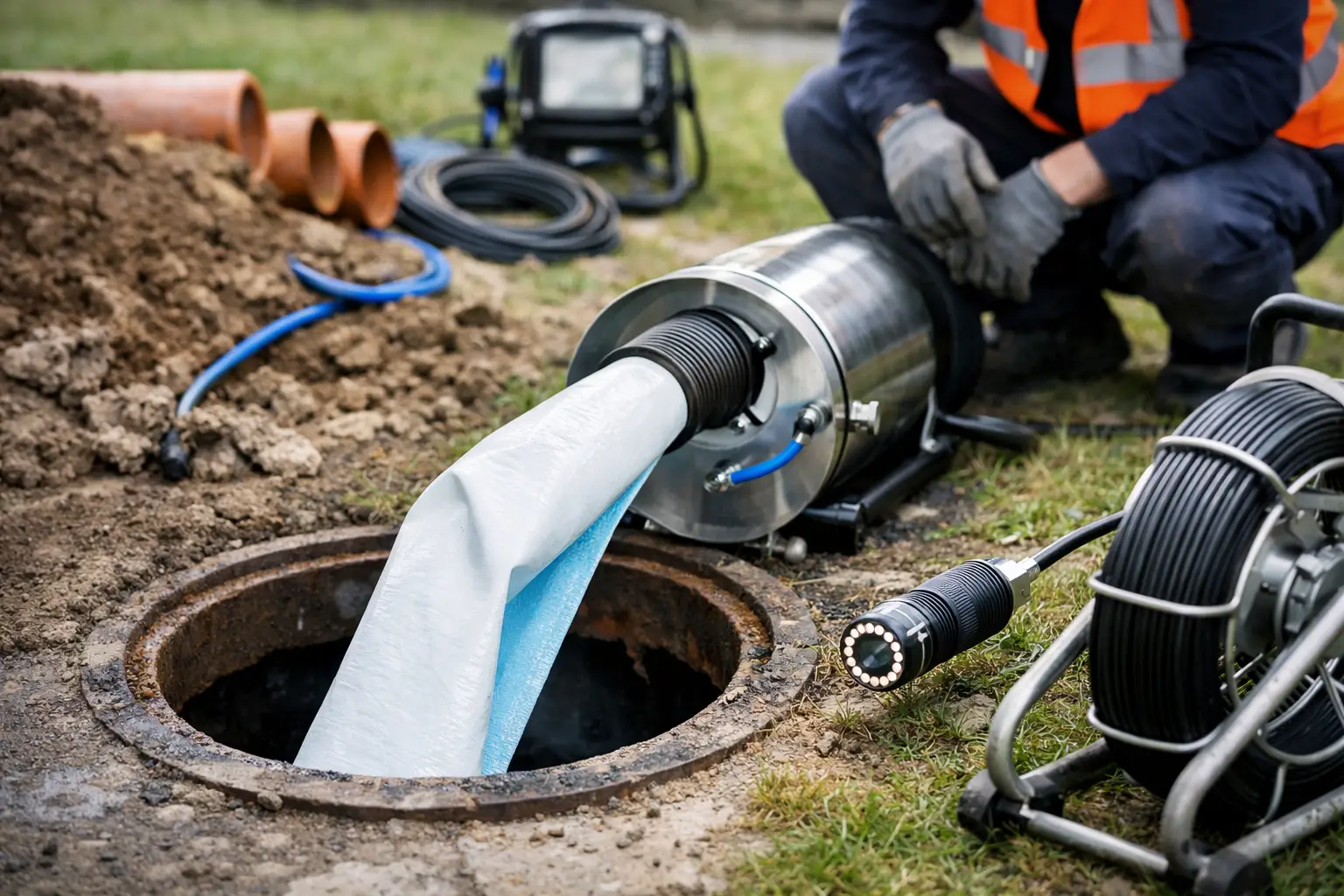
Drain lining, also known as CIPP relining, stands for cured-in-place pipe. A flexible liner is impregnated with a specialist resin, positioned inside the existing drain and expanded so it sits tightly against the pipe wall. Once cured, the resin hardens into a new pipe within the old one.
The finished liner seals cracks, gaps and defective joints, while creating a smooth internal surface for wastewater to flow through. It is not a temporary patch pushed into a problem area. When specified and installed correctly, it is a durable structural repair that can extend the useful life of existing drainage without unnecessary excavation.
The process is commonly used on clay, cast iron and plastic drainage pipes. It can be used for domestic foul and surface-water drains, as well as suitable commercial drainage runs. Access is normally gained through existing manholes or inspection chambers, so there is often no need to lift block paving, dig through landscaping or break up internal floors.
How drain lining repairs a damaged pipe
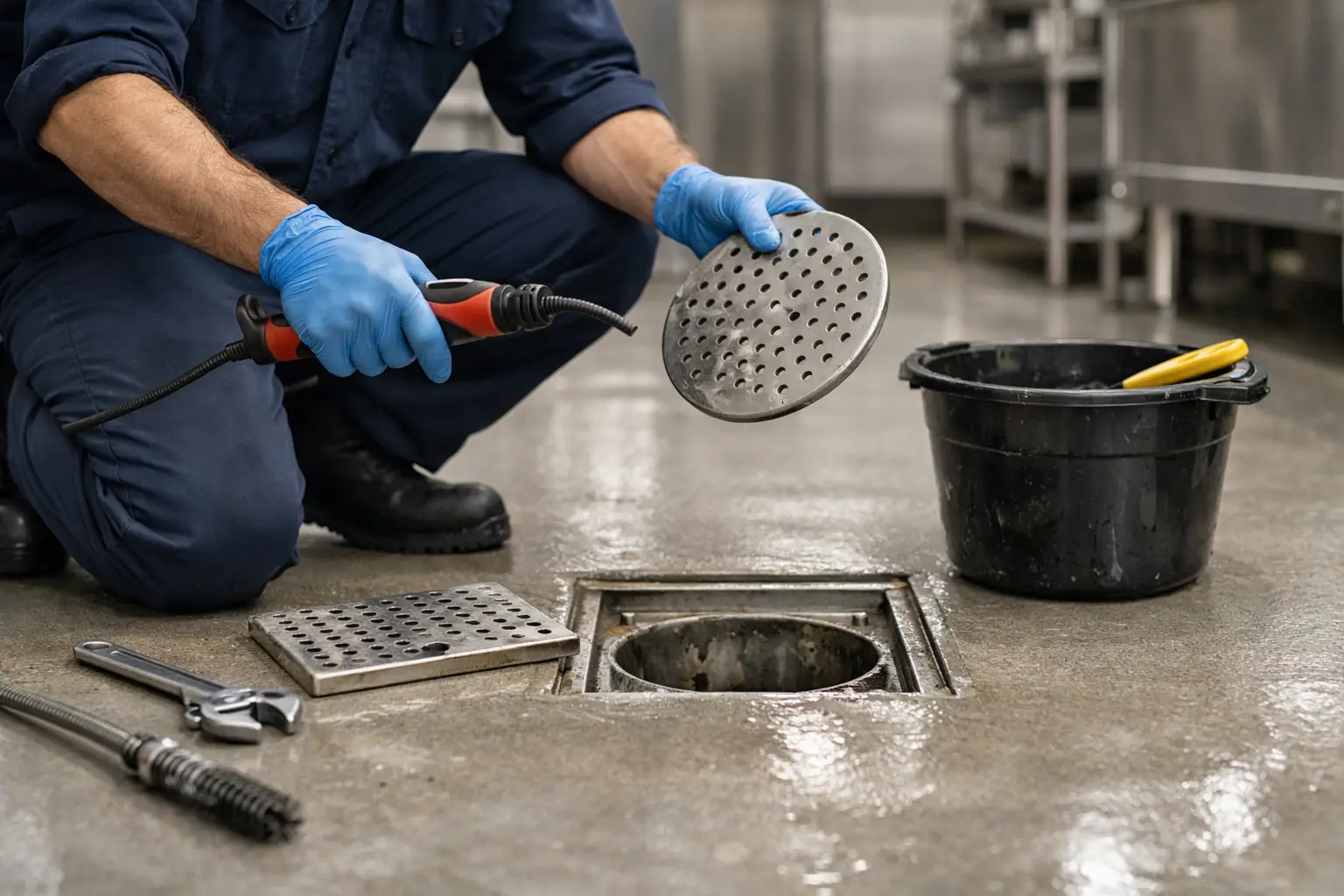
A proper drain lining repair begins with diagnosis rather than a guess. The drain is first cleared using the appropriate method, often high-pressure water jetting, so the camera can see the pipe condition clearly. A CCTV survey then identifies the location, length and type of defect, along with the pipe diameter and route.
If lining is suitable, the technician measures and prepares the affected section. The resin liner is installed through an access point and inflated or otherwise held in place while it cures. Depending on the system and site conditions, curing may use ambient conditions, hot water, steam or UV light.
Once cured, the liner is checked by CCTV. Any connections that have been covered, such as branch inlets, are reopened using specialist cutting equipment. The final survey provides evidence that the repaired section is clear, sealed and flowing as it should.
This sequence matters. Lining over loose debris, heavy scale, active roots or a serious obstruction is poor practice. The pipe must be cleaned, prepared and assessed properly first. A repair is only as good as the condition of the surface it is bonded to.
When is drain lining the right choice?
Drain lining is particularly useful where excavation would be costly, disruptive or difficult. That may include drains running beneath a driveway, patio, landscaped garden, extension, garage, communal access route or commercial premises. It can also be a sensible option where the pipe is structurally sound enough to support a liner but has localised cracking, leaking joints or root damage.
Common reasons to consider lining include recurring blockages from root ingress, cracks caused by ground movement, displaced joints, worn pipework and water escaping from the drain into surrounding ground. A leaking foul drain should not be left untreated. Aside from repeated blockages and unpleasant smells, it can wash away supporting soil and contribute to further movement around the pipe.
For landlords and commercial operators, relining can reduce downtime. A repair that can be completed through existing access points is often easier to plan around tenants, customers or trading hours than a full excavation. That said, access, pipe layout and the extent of the damage still decide whether it is the best option.
When excavation may be the better repair
No-dig does not mean suitable for every drain. If a pipe has collapsed, is badly misshapen, has a large section missing or has severe backfall, lining may not provide the correct result. A liner follows the route of the existing pipe. It cannot correct a drain that has dropped significantly and no longer has the fall needed for reliable drainage.
Excavation may also be necessary if there is no usable access point, if the pipe is crushed, or if the damaged area needs to be replaced to alter the drainage layout. In some cases, a combined approach is the most practical answer: excavate and replace one failed section, then line adjacent pipework to avoid disturbing the rest of the route.
This is why a quote based solely on a customer description can be misleading. The visible symptom might be a slow-draining sink or a blocked toilet, while the underlying fault is several metres away in an underground drain. CCTV evidence allows the repair recommendation to match the actual condition of the pipe.
The benefits and trade-offs of drain lining
The main benefit is reduced disruption. There is usually less digging, less spoil to remove and less reinstatement afterwards. Where a drain sits under an expensive driveway or finished floor, that can make a major difference to the overall cost and inconvenience of the repair.
Lining also creates a continuous internal seal across minor cracks and joints. Its smooth surface can improve flow where old pipework is rough or degraded, although it is not a substitute for regular maintenance where fats, wipes, scale or poor drainage use are causing blockages.
There are trade-offs. The liner slightly reduces the internal diameter of the pipe, though this is generally minimal when the correct system is used. More importantly, it cannot fix every structural defect or redesign a poorly installed drainage run. A good drainage contractor will be clear when lining is a strong option and when digging is unavoidable.
Cost depends on the diameter and length of pipe, access arrangements, number of branches, the preparation required and whether the drain needs jetting or root removal first. The position of the pipe matters too. A short repair beneath open ground may be cheaper to excavate than line, while a similar repair beneath a driveway may strongly favour a no-dig solution.
What to expect from a professional assessment
Before agreeing to drain lining work, ask for a clear explanation of the fault and why the proposed repair suits it. You should be able to see CCTV footage or images showing the damage, understand the location of the affected section and know whether the issue is localised or spread across the run.
The scope should also explain what preparation is included, whether connections will be reopened, and what checks will be carried out after the repair. Written guarantees are worth asking about, particularly for work involving underground pipework that cannot be inspected by eye once complete.
At West Midlands Drainage, diagnosis-led work means using CCTV inspection to identify the root cause before recommending repair. That helps customers avoid paying for repeated unblocking when the real issue is a damaged drain below ground.
Looking after a lined drain
A lined drain still benefits from sensible use. Do not flush wipes, sanitary products, cotton buds, paper towels or cooking fat. These materials are a common cause of avoidable blockages, regardless of whether the drain is newly lined or decades old.
If roots were present before the repair, it is sensible to monitor the surrounding drainage system, especially on older properties with mature trees nearby. The lined section should be sealed, but other joints and unlined sections may still be vulnerable. For commercial sites, planned CCTV surveys and cleaning can spot early defects before they become an emergency call-out.
If you have recurring blockages, foul smells, damp ground near an inspection chamber or a drain that repeatedly needs clearing, do not assume another quick unblock is the answer. A camera survey can establish whether drain lining is a practical repair and give you a clear basis for deciding what to do next.