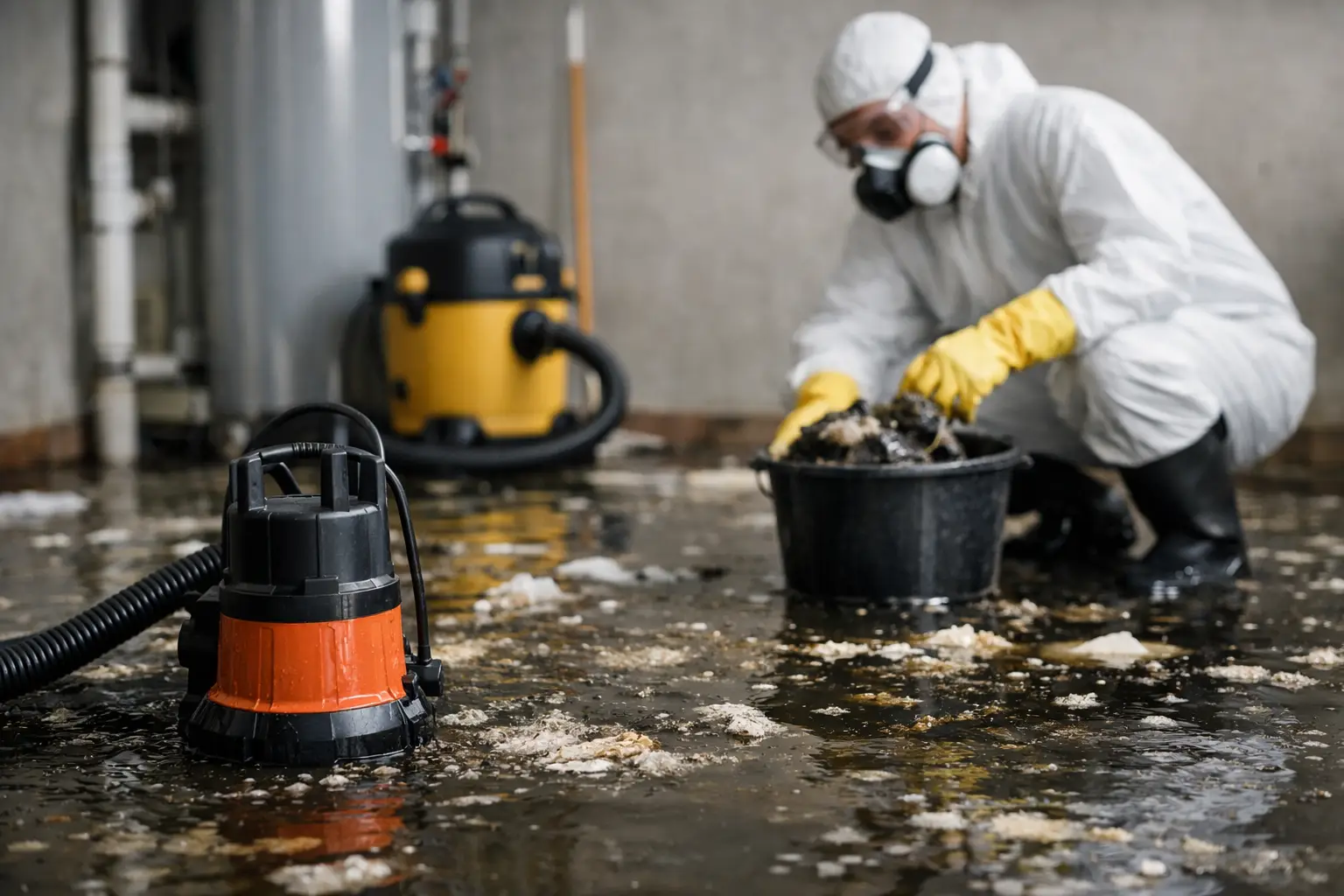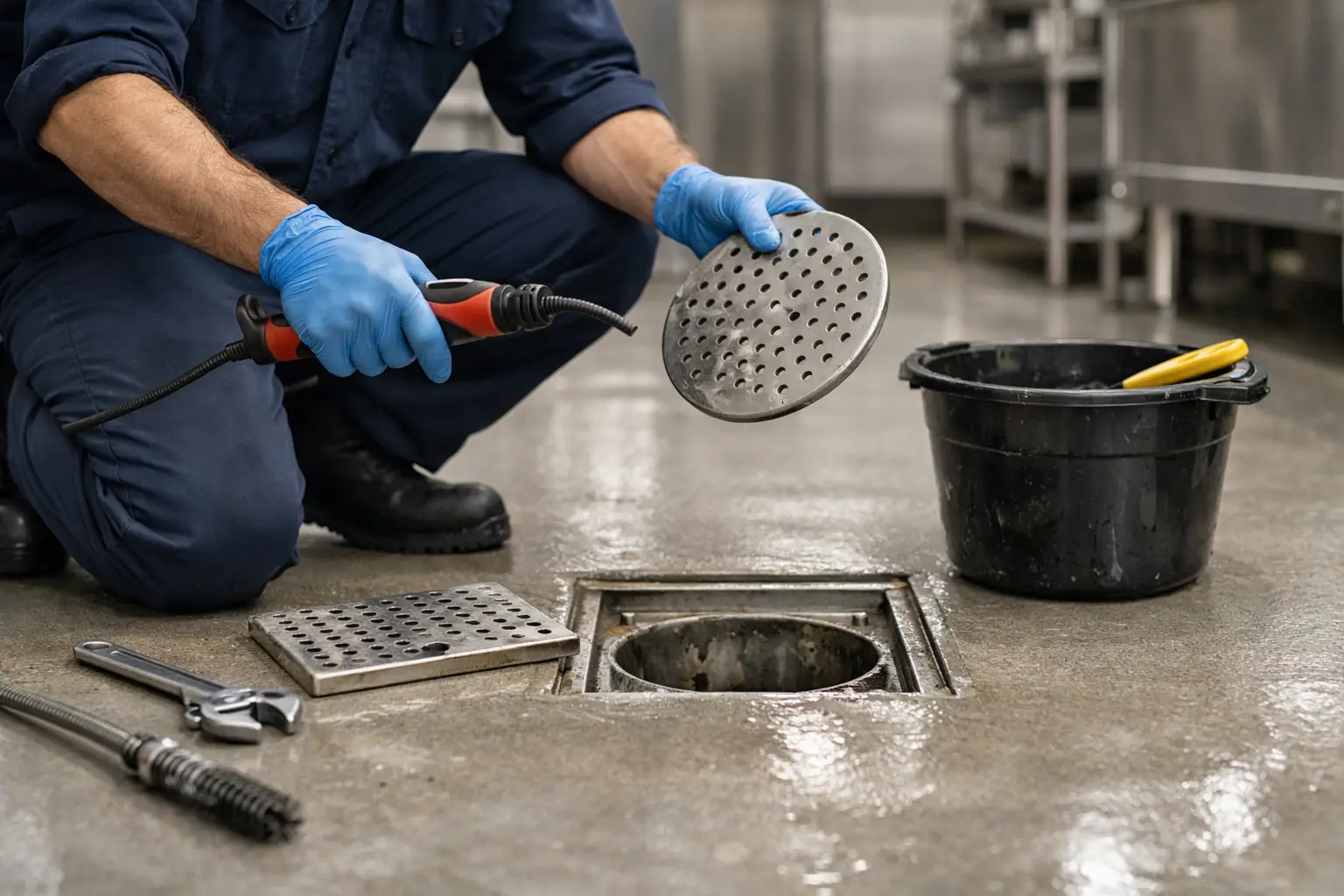
A drain that keeps backing up is rarely just an inconvenience. It can stop a kitchen from functioning, put a toilet out of action, create bad smells around the property, and leave you wondering whether a quick unblock will actually last. That is where water jetting for blocked drains comes in. Done properly, it does more than punch a hole through the blockage. It clears the build-up stuck to the pipe walls so the drain can flow as it should.
For many homes and commercial premises, that difference matters. A basic rod might get water moving again for the day. High-pressure water jetting is often the better option when the issue is grease, scale, silt, wipes, soap residue, or a recurring blockage that keeps coming back because the pipe has never been properly cleaned out.
What water jetting for blocked drains actually does
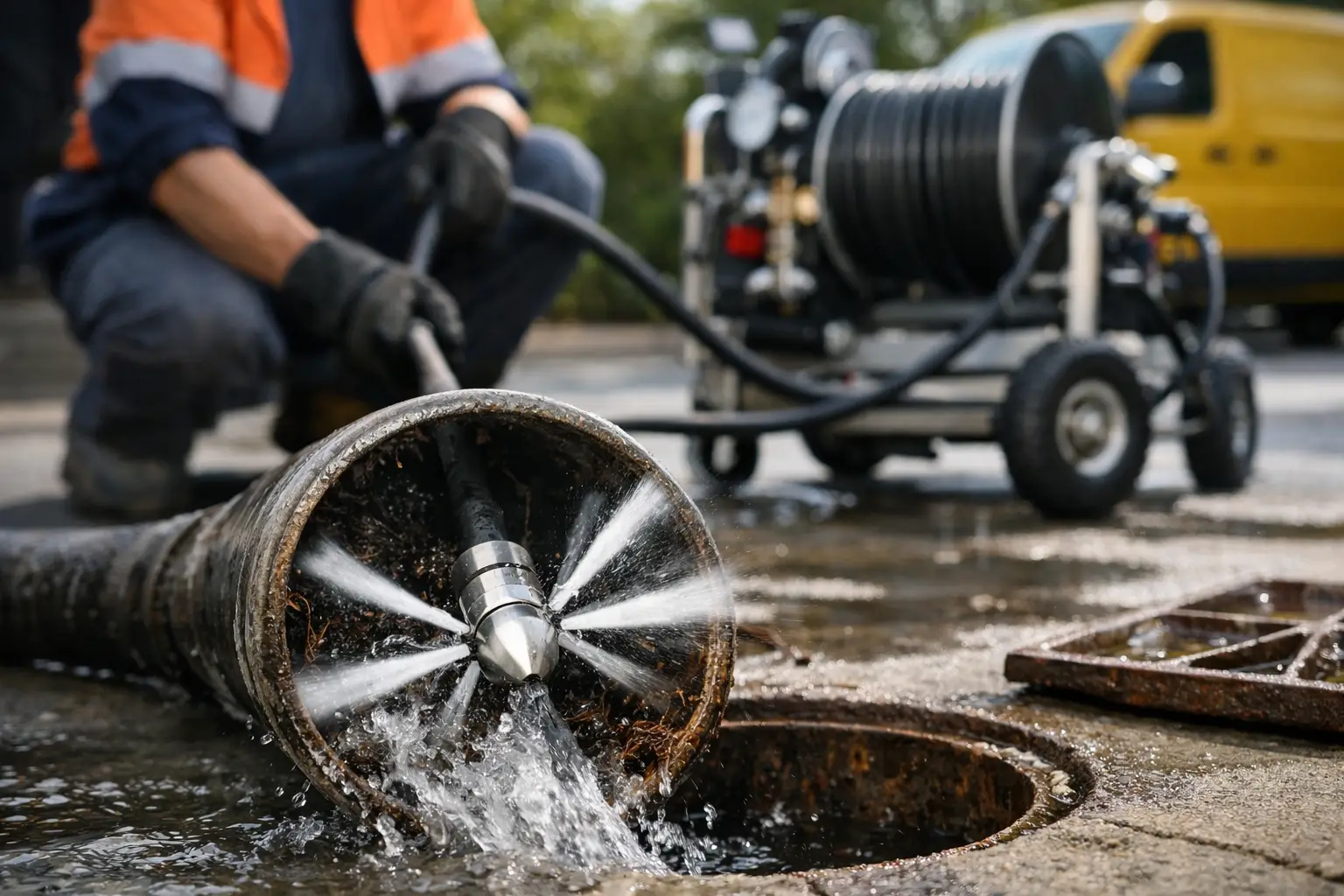
Water jetting uses specialist equipment to send high-pressure water through the drain line. The hose is fed into the pipe, and the nozzle directs powerful jets both forwards and backwards. The forward jet helps break through the obstruction, while the rear jets pull the hose through the pipe and wash debris back towards the access point.
The key point is that it cleans as well as clears. If a pipe has narrowed over time because fat, scale, moss, sludge or other waste has coated the inside, jetting strips much of that material away. That is why it is often used not only for emergency blockages but also as part of planned maintenance for landlords, commercial sites and properties with a history of drainage trouble.
Pressure and nozzle choice matter. A competent drainage engineer does not just turn the machine on at full force and hope for the best. The pipe size, pipe condition, type of blockage and access available all affect how the job should be approached.
Why simple unblocking is not always enough
A lot of drainage problems are treated at surface level. The water is backing up, so the immediate goal is to get it moving again. That can solve the urgent issue, but it does not always solve the reason it happened.
Take a kitchen drain as an example. Grease, food waste and detergent residue can build up gradually until the pipe narrows. A rod may break a channel through the middle, but the greasy layer remains on the pipe wall. Before long, more debris catches on it and the blockage returns. Water jetting is often a better fit because it removes far more of that lining.
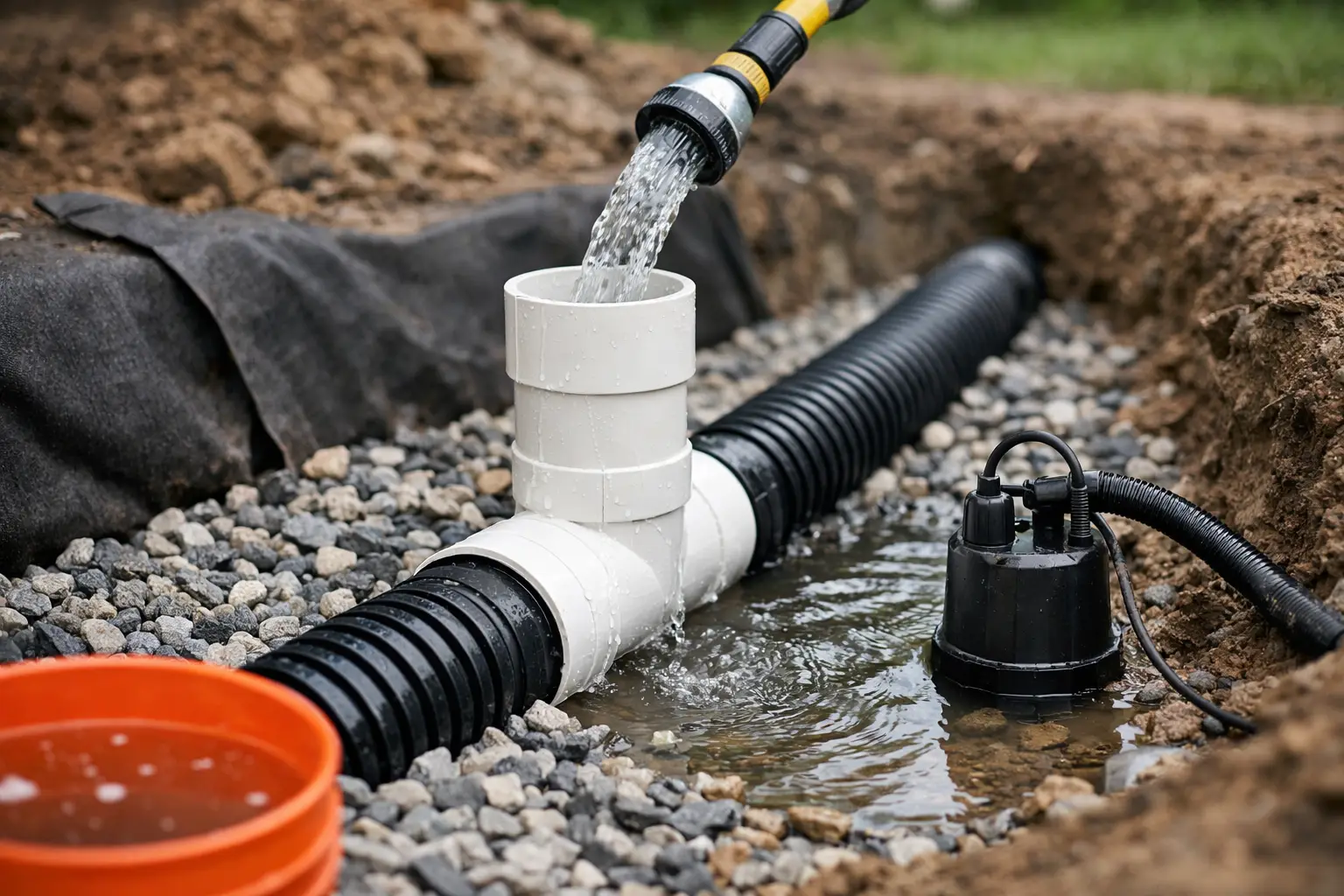
The same goes for outside drains carrying silt, leaf matter and general debris. If there has been standing water in a chamber or repeated slow draining after rain, there may be a wider build-up within the run. Clearing one point without cleaning the line can leave the underlying problem in place.
When high-pressure jetting is the right choice
Water jetting is commonly used for blocked foul drains, surface water drains, gullies, stacks and underground pipe runs. It is particularly effective where the blockage is caused by soft to medium deposits rather than a collapsed pipe.
In practice, it is often the right approach for recurring blockages, slow-draining pipework, grease-heavy kitchen lines, commercial waste runs, and drains affected by roots or sludge. It is also useful after a CCTV survey has identified build-up that can be removed without excavation.
That said, it is not the answer to every drainage issue. If the drain has cracked, displaced joints, severe root ingress or a collapse, jetting may restore some flow temporarily, but it will not repair the damage. In those cases, the proper route may be a CCTV inspection followed by relining or excavation, depending on the condition of the pipe.
This is why diagnosis matters. A good drainage company looks at whether jetting is the correct tool for the problem, not just the fastest one to get on site.
What happens during water jetting for blocked drains
On site, the first step is usually to identify the best access point and assess how the system is behaving. If there is obvious backing up, overflowing manholes, or signs that the problem sits further down the line, that affects how the job is tackled.
The jetting unit is then set up with the right hose and nozzle for the blockage and the pipe diameter. The engineer feeds the hose into the drain and works through the obstruction in stages, flushing loosened material back through the system. On a straightforward job, flow can be restored quickly. On a heavily fouled line, more than one pass may be needed to get the pipe properly clean.
Where there is any doubt about the drain condition, a CCTV survey may be carried out after jetting. That is often the best way to confirm whether the issue was simply build-up or whether there is structural damage that needs attention. It also helps avoid guesswork, which is where a lot of repeat drainage costs come from.
Is water jetting safe for drains?
Used correctly, yes. Used carelessly, not always.
High-pressure jetting is safe for many drainage systems, including modern plastic and sound older pipework, but it needs to be carried out by someone who understands drainage, not just pressure equipment. The engineer should consider pipe material, age, joint condition and the likelihood of existing defects before choosing the pressure level and method.
If a drain is already broken, heavily displaced or close to collapse, aggressive jetting can make matters worse. That does not mean jetting caused the original fault, but it can expose a weakness that was already there. Honest advice is important here. Sometimes the right answer is to inspect first, jet carefully, or move straight to repair rather than forcing a blocked line and hoping for the best.
That is also one reason professional standards and proper training matter. Membership of recognised industry bodies and the use of the right equipment are not just badges. They help ensure the work is carried out safely and to a proper standard.
Common blockages it can clear
The most frequent causes are everyday ones. Fat, oil and grease from kitchen sinks are among the worst, particularly when they cool and harden inside the pipe. Wet wipes are another major issue, even when packaging suggests they are flushable. In bathrooms, soap residue, hair and scale can gradually restrict flow.
Outside, drains often suffer from silt, leaf debris and washed-in soil. On some properties, especially older ones, root ingress can catch waste and start repeated blockages. Jetting can cut through light root mass and remove the debris around it, but if roots are getting in, the pipe will usually need repair or relining to stop the problem returning.
Domestic and commercial jobs are not always the same
For a homeowner, the priority is usually to get things working again fast and avoid damage inside the property. For a landlord or facilities manager, there is often a bigger concern around disruption, repeat call-outs and responsibility for shared drainage lines.
Commercial drainage also tends to see heavier use and more demanding waste loads. Cafes, restaurants, offices, industrial units and managed properties can all develop build-up more quickly than a typical house. In those settings, water jetting is not only an emergency response tool. It can also be part of a planned maintenance programme to reduce downtime and keep systems flowing.
That planned approach often works out better value than waiting for a full blockage. It depends on the site, of course. Some premises need regular attention, while others only need a reactive service when a specific issue appears.
Choosing the right contractor
If you need jetting, you want more than someone with a van and a machine. You want a drainage specialist who can explain what they are seeing, tell you whether the blockage is likely to come back, and recommend repair work only when it is genuinely needed.
Look for clear pricing, direct contact with the team doing the work, and a diagnosis-led approach. If there is any suggestion of damaged pipework, ask whether CCTV inspection is available and whether no-dig repair options can be offered if faults are found. West Midlands Drainage takes that practical view because clearing a blockage is only half the job if the real cause is still sitting underground.
How to reduce repeat blockages after jetting
Even a thoroughly cleaned drain can block again if the same materials keep going into it. In kitchens, that usually means keeping fats, oils and food scraps out of the sink. In bathrooms, it means being careful with wipes, sanitary items and heavy paper products. Outside, regular clearing of leaves and debris from gullies can help, especially in autumn and after heavy rain.
Where a property has a known weakness, such as poor drain falls, root ingress, or an older pipe run that catches waste, maintenance may still be needed from time to time. The important thing is knowing the difference between a drain that needs sensible upkeep and one that needs repair.
If your drains are slow, backing up, or blocking more than once, the best next step is not to keep guessing. Proper water jetting can clear the line properly, and if there is a deeper fault, the right inspection will show it before the problem gets worse.