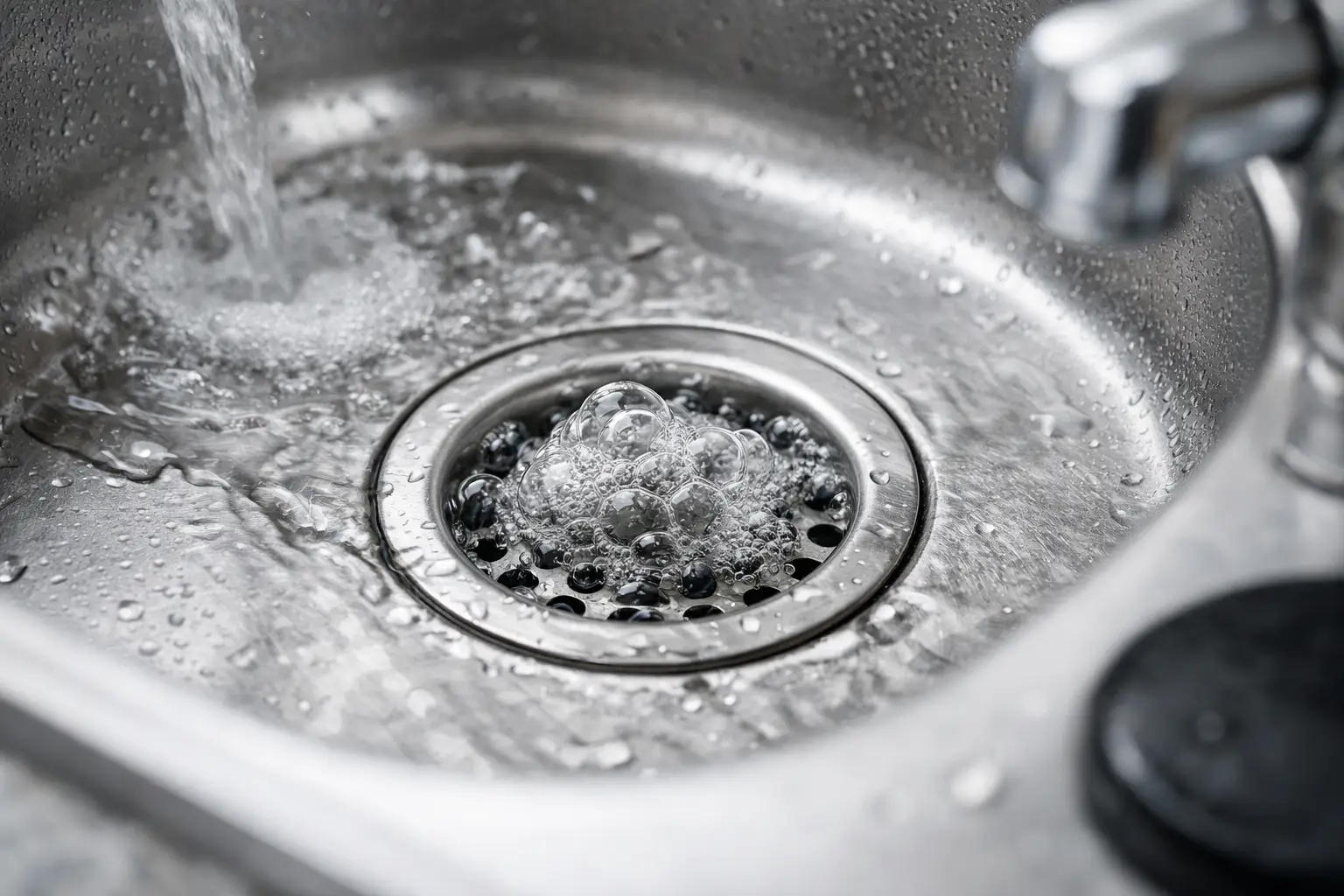
You flush the loo or empty the sink, and instead of water disappearing quietly, you get that odd bubbling, glugging sound from the plughole. If you are asking, why does my drain gurgle, the short answer is this: air is getting trapped somewhere it should not be. That usually points to a blockage, a venting issue, or a developing fault in the drainage system.
A gurgling drain is not just an irritating noise. In many cases, it is an early warning sign. Catch it early and the fix may be straightforward. Leave it too long and you can end up with slow drainage, foul smells, overflowing gullies or a full blockage at the worst possible time.
Why does my drain gurgle in the first place?
Your drainage system is designed to move wastewater and air together. Water flows out through the pipes, while air moves through the system to balance pressure. When everything is working properly, you should not hear much at all.
The gurgling starts when that airflow is disrupted. If water cannot move freely past a partial obstruction, or if the system cannot draw air correctly through a vent pipe, it creates negative pressure. That pressure pulls air through the nearest trap or waste outlet, which is what causes the bubbling or gurgling sound.
Sometimes the issue is local to one fixture, such as a kitchen sink blocked with grease or food waste. Sometimes it is further down the line, affecting multiple outlets in the property. That distinction matters, because a single blocked waste pipe is a different job from a problem in the underground drain.
The most common causes of a gurgling drain
A partial blockage in the waste pipe
This is one of the most common reasons. Hair, soap residue, grease, food scraps and scale can build up over time and narrow the pipe. Water still gets through, but not as freely as it should. As it pushes past the restriction, it drags air with it and creates that tell-tale sound.
In bathrooms, the culprit is often hair and soap around the trap or in the first section of pipe. In kitchens, fat, oil and food waste are more likely. In commercial settings, especially food premises, the build-up can be heavier and more stubborn.
A blockage further down the drain line
If more than one sink, toilet or bath is making noise, the issue may not be in the room where you hear it. A blockage in the main drain can affect the whole system. You might notice one fixture gurgling when another is used, such as the shower making noise when the toilet flushes.
That kind of cross-effect usually means the problem is further along and pressure is building in the shared pipework. It is also a sign that the issue may worsen quickly.
A blocked or faulty vent pipe
Drainage systems rely on venting to keep air pressure balanced. If the soil vent pipe is blocked by debris, nesting material or damage, the system cannot breathe properly. That forces air back through sinks, baths or toilets.
Vent issues are easy to miss because the pipes are often out of sight. The symptoms can look similar to a blockage, but the solution is different. This is where a proper diagnosis matters. Guesswork wastes time and money.
Problems with the underground drain
Cracked pipework, root ingress, displaced joints and collapsed sections can all interfere with flow. In these cases, gurgling may be one of the first symptoms, especially if the damage is enough to catch debris and start forming a blockage.
Older properties across parts of Wolverhampton, Walsall, Dudley and the wider West Midlands can be more prone to this, particularly where drains have aged or trees are close to the line.
What the sound can tell you
Not every gurgle means exactly the same thing. The timing and location often give useful clues.
If the kitchen sink gurgles after draining away, that often points to a local restriction in the waste pipe. If the toilet bubbles when the bath empties, the problem may be in a shared branch or main drain. If an outside gully gurgles or backs up, the blockage may be in the underground system rather than inside the property.
Foul odours alongside the noise usually suggest waste is sitting in the pipework longer than it should. Slow draining water strengthens that suspicion. If water levels in the toilet rise or fall oddly after flushing, that can indicate pressure problems or a blockage further down the line.
One symptom on its own may not feel urgent. A few symptoms together usually are.
When a gurgling drain is a sign of something more serious
A noisy drain does not always mean a major repair, but there are times when it should not be ignored.
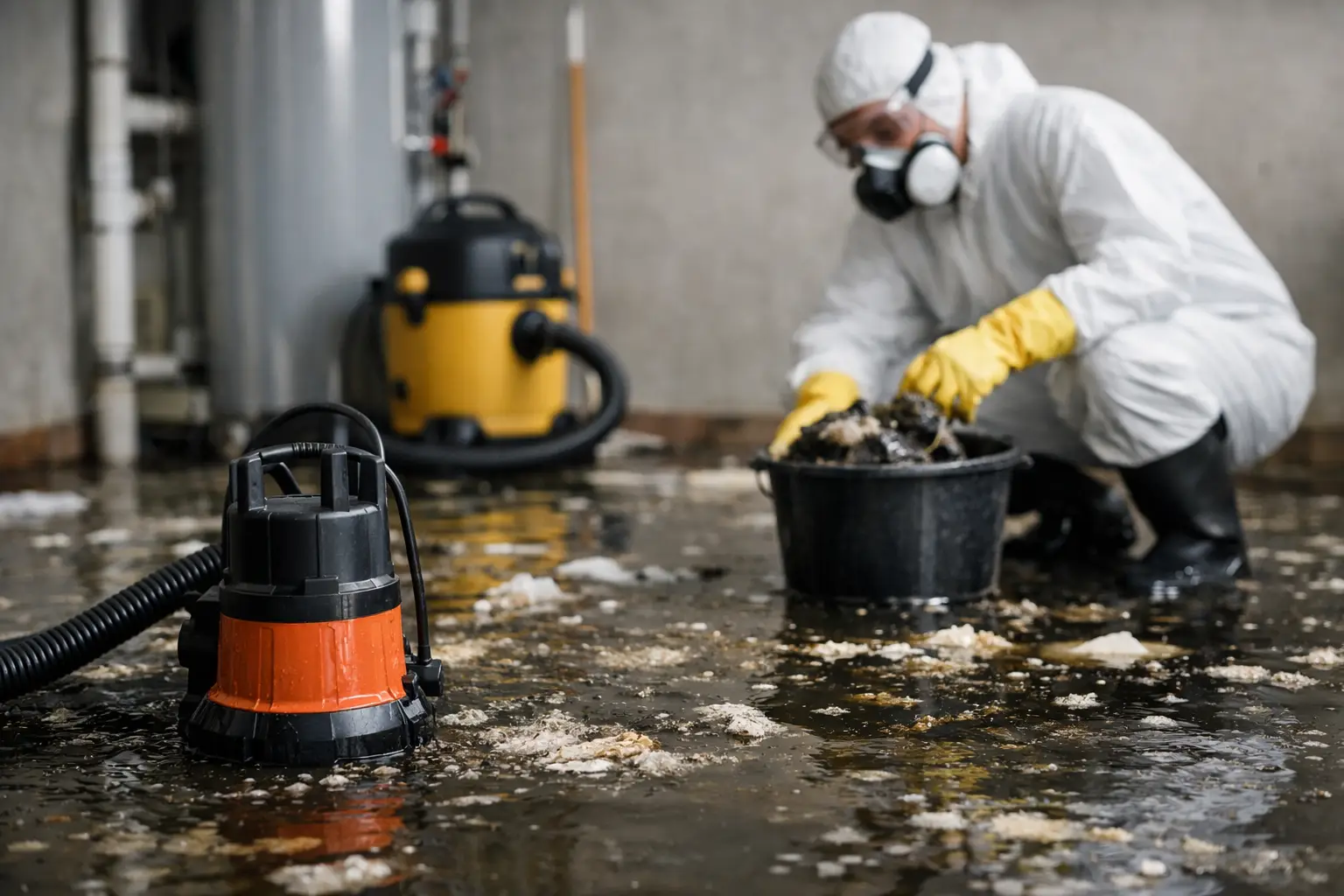
If wastewater is backing up into sinks, showers or toilets, that is no longer a minor issue. If multiple fixtures are affected, or the outside inspection chamber is high or overflowing, you may be dealing with a blockage in the main run. If the problem keeps coming back after plunging or shop-bought drain cleaner, there is a reason for that. The root cause has not been dealt with.
Recurring gurgling is especially worth investigating because repeated quick fixes can mask a deeper fault. A pipe damaged by roots, a belly in the line, or a venting issue will not be solved by chemicals. In some cases, harsh drain cleaners can make matters worse, particularly on older pipework.
What you can safely check yourself
There are a few sensible checks you can make before calling in a drainage specialist. If the issue is limited to one sink or basin, look for obvious debris around the plughole and trap. Clean out accessible waste traps if you are comfortable doing so. A simple plunger can sometimes shift a light local blockage.
You can also pay attention to patterns. Does the sound happen only in one room, or across the property? Does it happen after heavy use, after rain, or when the washing machine empties? Those details help narrow down where the fault is likely to be.
What is not worth doing is repeatedly pouring drain chemicals into the system and hoping for the best. They rarely solve anything beyond a light local blockage, and they do nothing for structural faults, vent problems or obstructions in the main drain.
Why proper diagnosis matters
With drainage, the visible symptom is not always where the problem sits. A gurgling bathroom sink may be caused by a blockage outside. A noisy toilet may have nothing wrong with the toilet itself. That is why a proper diagnosis-led approach is the right one.
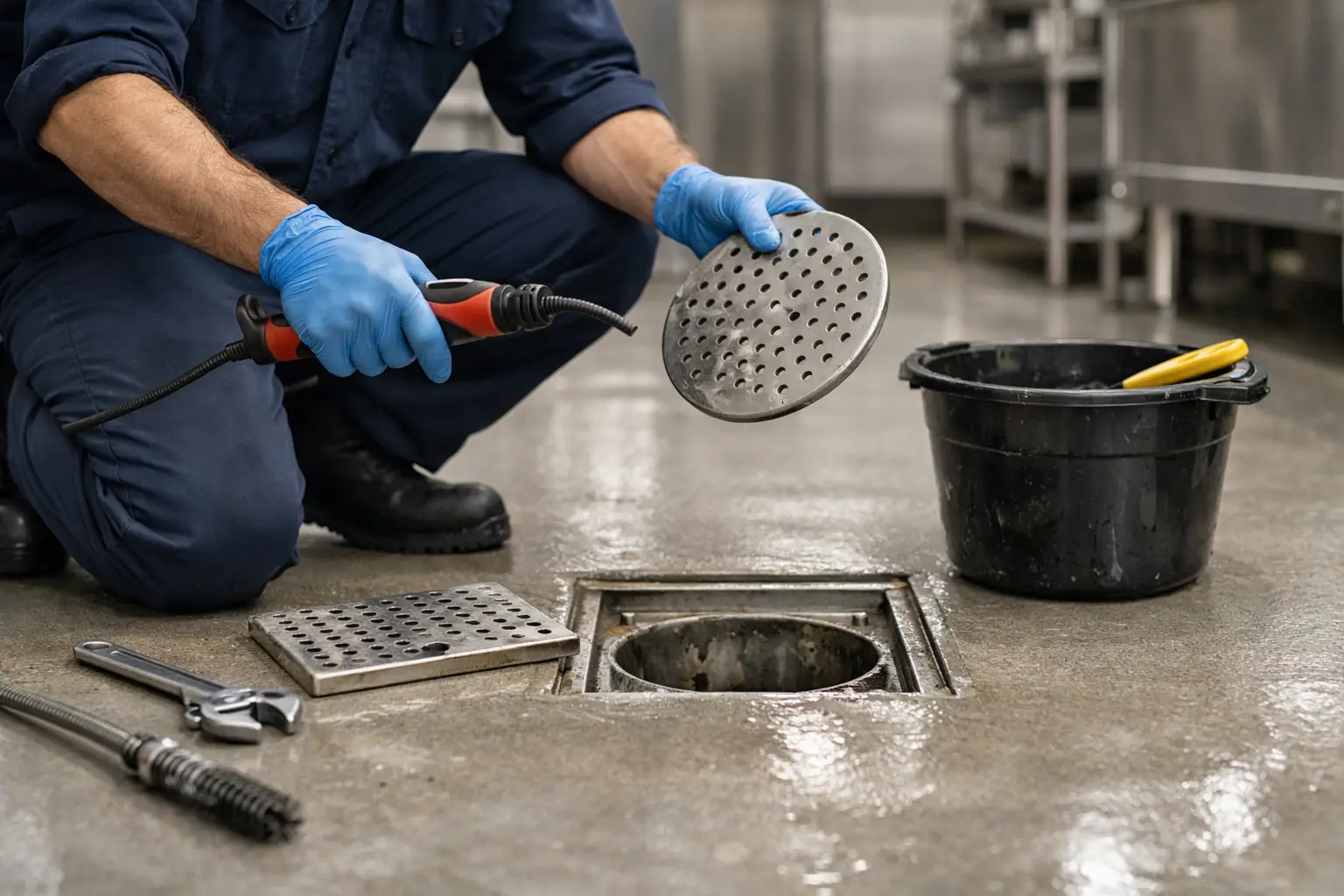
Professional drainage engineers will usually start by identifying whether the issue is a local waste pipe problem, a shared line blockage, a venting issue or a defect in the drain itself. Depending on the symptoms, that may involve mechanical unblocking, high-pressure water jetting, or a CCTV drain survey to inspect the pipework internally.
That matters because the fix should match the fault. If the line is blocked with grease and debris, clearing it properly is the answer. If the pipe has cracked or let roots in, it may need repair or relining. If the vent is blocked, that needs addressing separately. Doing the job properly the first time is cheaper than repeated call-outs for the same problem.
How drainage specialists typically fix the problem
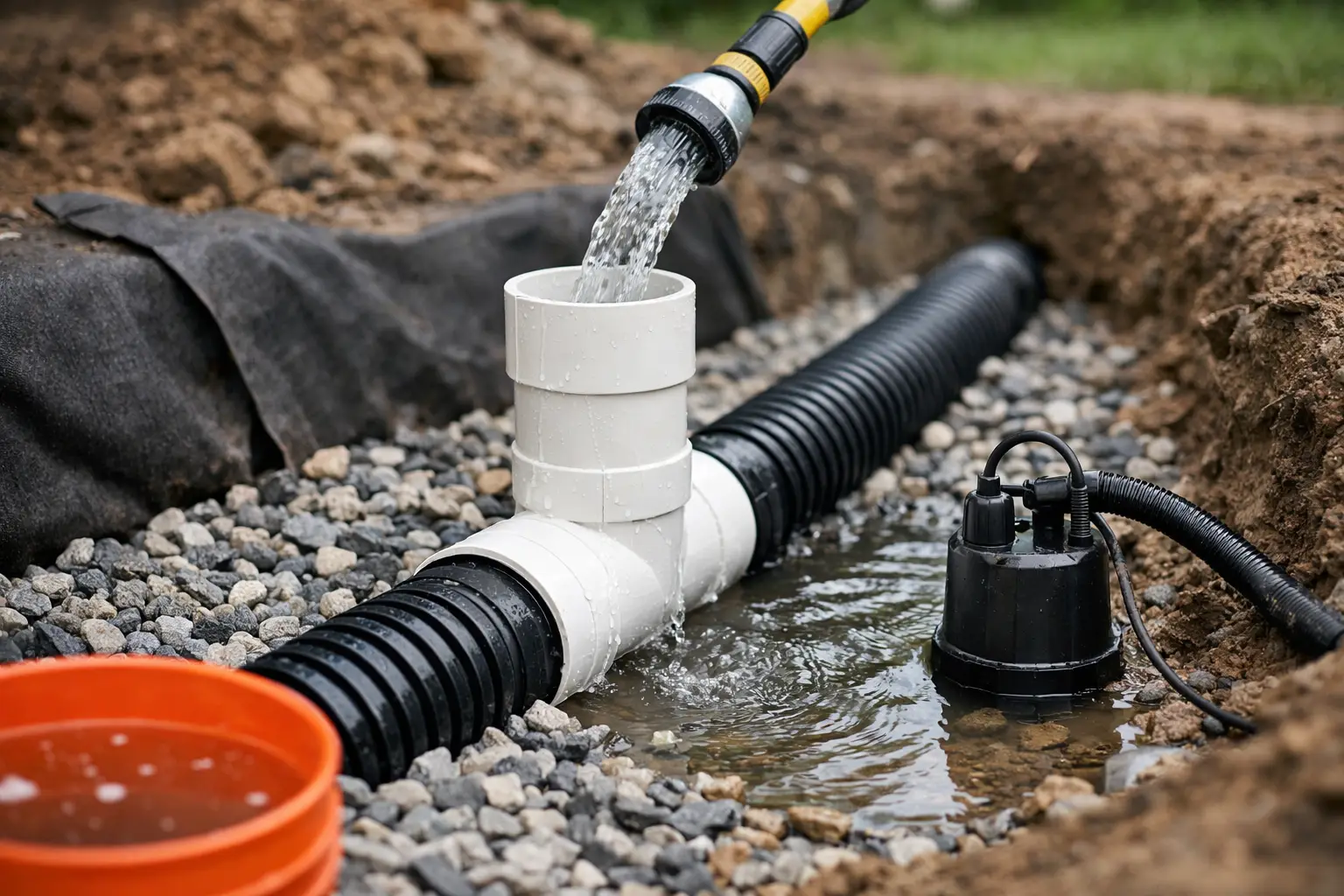
For straightforward blockages, the solution may be as simple as clearing the obstruction and flushing the line through. For heavier build-up, high-pressure water jetting is often the most effective method because it removes debris from the pipe walls rather than just punching a small hole through it.
If CCTV inspection shows a structural defect, the repair depends on the damage. In some cases, no-dig solutions such as CIPP relining can restore the pipe without major excavation. In others, a localised excavation and repair is the right call. It depends on the condition, location and severity of the damage.
That is the practical difference between a quick fix and a durable repair. One gets you through the day. The other solves the actual problem.
When to call for help
If the gurgling has been going on for more than a day or two, if drains are slow, if smells are getting worse, or if more than one fixture is involved, it is time to get it checked. The same applies if you have had repeat blockages, recent building work, or concerns about older underground drainage.
For landlords and commercial property managers, a noisy drain is worth acting on early. Minor drainage issues have a habit of turning into tenant complaints, hygiene problems or operational disruption. Early investigation is usually the cheaper option.
A local specialist such as West Midlands Drainage can identify the cause quickly, explain it in plain English and recommend the right fix without padding the job with work you do not need.
A gurgling drain is your property telling you something is not flowing as it should. The sooner you listen to it, the simpler the solution usually is.