A drain that backs up twice in a month is rarely a simple blockage. More often, it is a sign that something further down the line has cracked, shifted, collapsed or been invaded by roots. That is why good drain repairs start with diagnosis. If the real fault is missed, you end up paying for repeat call-outs, repeated disruption and the same problem returning at the worst time.
For homeowners, landlords and commercial sites, the main concern is usually speed. Water is not draining away, toilets are slow to clear, foul smells are hanging around, or external gullies are overflowing. Speed matters, but so does accuracy. A proper repair is about finding the cause, explaining it clearly and carrying out work that lasts.
What causes drains to fail?
Most underground pipework is out of sight for years, so faults tend to build quietly before they become obvious. In older properties across Wolverhampton and the wider West Midlands, ageing pipe materials are a common factor. Pitch fibre can deform, clay pipes can crack, and joints can separate over time, especially where ground movement has taken place.
Tree root ingress is another regular cause of drain repairs. Roots do not need a large opening to get started. They exploit tiny gaps in joints, then expand inside the pipe where there is moisture and nutrient-rich waste. The result can be anything from repeated partial blockages to a full break in the line.
Poor installation also creates problems. Incorrect falls, weak joints, bad connections and shallow bedding can all lead to drainage issues later on. In some cases, the drain itself is sound but has been damaged by external pressure from vehicle loading, building works or settlement around an extension.
Grease, wipes and scale build-up complicate matters too. These do not always cause structural damage on their own, but they can mask it. A drain may appear to be just blocked until a survey shows a fractured section behind the debris.
Why diagnosis matters before drain repairs
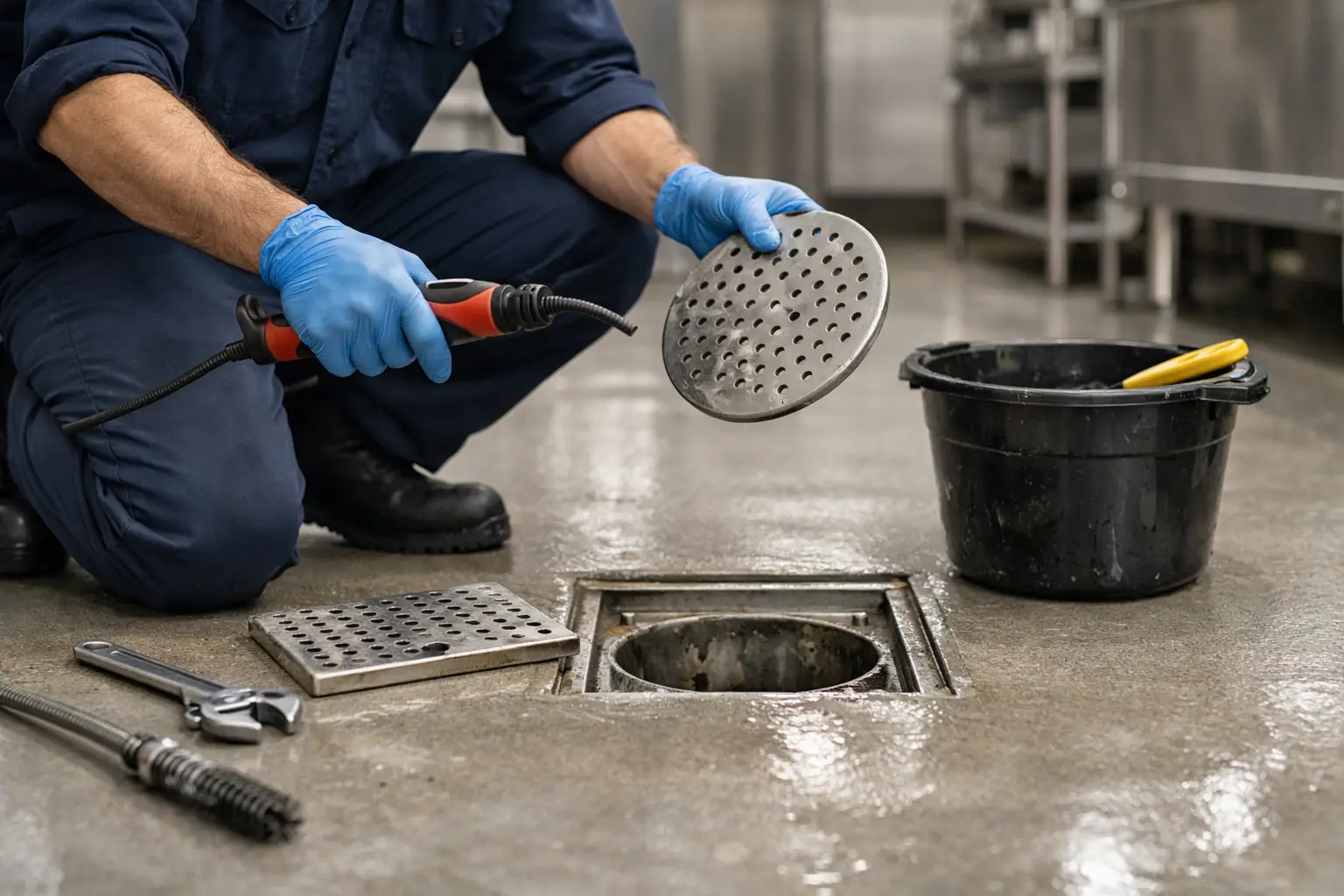
There is no point quoting for a repair until the fault has been properly identified. Guesswork is what leads to hidden extras and temporary fixes. A professional approach is far more straightforward. First, the line is cleared if needed, often with high-pressure water jetting. Then the system is inspected with CCTV so the exact location and condition of the pipe can be seen.
That inspection tells you whether the issue is a crack, displaced joint, root ingress, collapse, deformation or a problem with the original layout. It also shows how extensive the damage is. Sometimes the repair needed is a local patch. Sometimes a section of pipe needs replacing. Sometimes a no-dig option is the best route because access is difficult or the drain runs under a driveway, conservatory or internal floor.
For property owners, this stage matters because it turns a vague drainage problem into a clear scope of work. You know what is wrong, where it is, and what the sensible repair options look like.
The main types of drain repairs
Not every damaged drain needs excavating. In fact, modern drain repairs often avoid major disruption where the condition of the pipe allows it.
Localised excavation and replacement
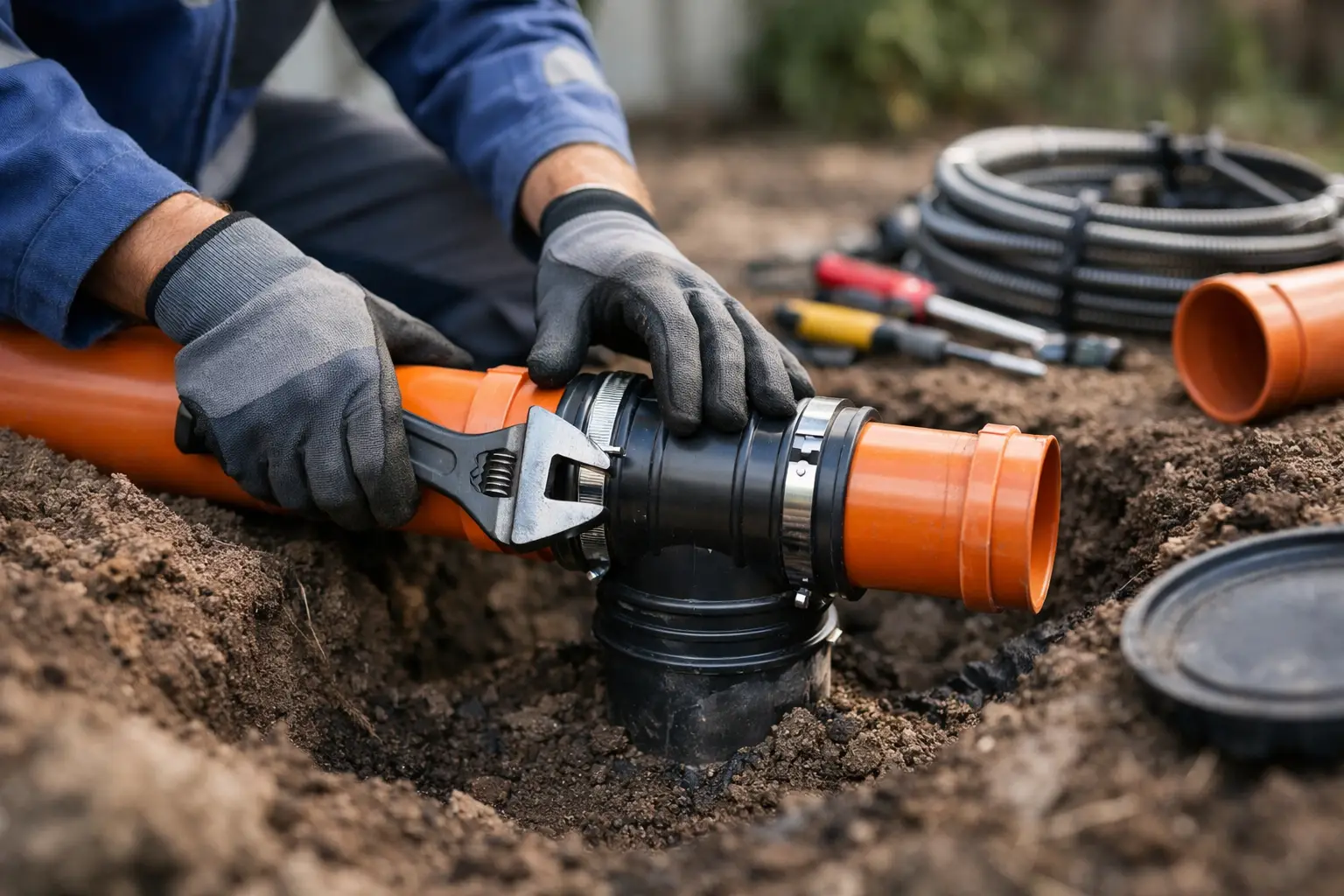
If a drain has collapsed, dropped out of line or suffered severe damage, excavation may be the right answer. This involves exposing the defective section, removing it and installing new pipework to the correct level and alignment. It is more disruptive than no-dig work, but in some cases it is the only proper fix.
Done correctly, excavation should be targeted rather than excessive. The goal is to repair the failed section with as little disturbance as possible while making sure the surrounding line is still serviceable.
CIPP relining
Cured-in-place pipe relining, often called CIPP, is a practical no-dig method for many defects. A resin-saturated liner is inserted into the host pipe and cured in position, creating a new internal lining. This can seal cracks, small fractures, defective joints and areas affected by root ingress without the need to dig up large areas.
The advantage is obvious when the pipe runs beneath finished surfaces or busy commercial areas. The trade-off is that relining is only suitable where the pipe retains enough shape to accept the liner. If the drain has fully collapsed or the geometry is badly distorted, excavation may still be needed.
Patch repairs
A patch repair is a more localised form of no-dig repair used for isolated defects. Rather than relining a full run, a short repair sleeve is installed over the damaged area. This is often a cost-effective choice where the rest of the drain is in good condition.
Root removal and follow-up repair
Cutting roots out of a drain can restore flow, but if the entry point is left untreated the problem usually comes back. The proper sequence is root cutting or jetting, CCTV confirmation, then repairing the joint or cracked section that allowed the roots in.
Signs you may need drain repairs rather than another unblock
A one-off blockage does not always mean there is pipe damage. Recurring symptoms are what raise concern. If the same drain backs up repeatedly, if multiple appliances are slow to empty, or if foul odours persist after clearing, there may be an underlying fault.
External signs matter as well. Damp patches in the garden, sunken ground, standing water near inspection chambers, or overflowing manholes can all point to damaged underground drainage. Inside the property, gurgling sounds, rising toilet levels and wastewater returning through low-level fixtures are also warning signs.
For landlords and commercial operators, pattern is everything. If tenants keep reporting the same issue or a site has had several emergency call-outs in a short period, it is time to stop treating the symptom and inspect the system properly.
What to expect from a professional drain repair service
The process should be clear from the start. First comes the initial assessment, including the urgency of the issue and whether there is active flooding or sewage escape. If the drain is blocked, it is cleared so the pipe can be inspected. CCTV is then used to confirm the defect, and the findings should be explained in plain English, not buried in jargon.
After that, you should be given a repair recommendation based on the actual condition of the line. If there is more than one option, the pros and cons of each should be set out honestly. A cheaper patch may be sensible for a local defect. On a failing older system, a more comprehensive repair might save money over time.
This is where trust matters. Customers want direct answers, transparent pricing and a realistic view of what the job involves. That is particularly true when drainage problems are stressful and access may affect kitchens, driveways, yards or trading areas.
A company such as West Midlands Drainage builds confidence by combining fast response with diagnosis-led work, proper equipment and written guarantees. That matters because drainage is one of those trades where poor workmanship often stays hidden until the next failure.
Domestic and commercial repairs are not always the same
For homeowners, the priority is often minimising mess and getting normal use restored quickly. For landlords, it is protecting the asset and avoiding repeated tenant complaints. Commercial sites usually have added pressure around downtime, hygiene, access and health and safety.
The repair itself may be similar, but the planning around it can differ. A small retail unit may need work timed around opening hours. A shared drainage system in a block may require more investigation to establish responsibility. A food business may need urgent action because a drainage issue can quickly affect operations.
That is why local knowledge helps. Ground conditions, property age and common drain layouts vary across the region, and practical experience often speeds up the diagnosis.
Can drain repairs be avoided?
Not every failure is preventable. Old pipes wear out, and ground movement does happen. Even so, many major issues start as smaller ones. Routine maintenance, sensible waste habits and early inspection after repeat blockages can prevent a simple defect turning into a collapse.
If you are buying a property, planning an extension or dealing with an insurance concern, a CCTV survey is often money well spent. It gives you a clear picture before hidden drainage faults become your problem. For commercial properties, planned inspection and maintenance can reduce emergency disruption and help budget for repair work before it becomes urgent.
The key point is simple. Drain repairs work best when they are based on evidence, not assumptions. If a drain keeps causing trouble, the right move is not another temporary clearance. It is a proper look at what is happening underground, followed by a repair that deals with the cause and gives you confidence the issue has actually been put right.