A collapsed or cracked underground pipe can quickly turn from an occasional blockage into foul smells, slow-draining fixtures and sewage backing up where it should not. Trenchless sewer line repair offers a way to repair many damaged pipes without digging up the whole garden, driveway or shop frontage. But it is not a shortcut to be used on every fault. The right repair starts with finding the real cause.
For homeowners and businesses across the West Midlands, that usually means a CCTV drain survey first. It shows whether the pipe is cracked, displaced, root-damaged, corroded or simply blocked, and whether a no-dig repair will provide a lasting result.
What is trenchless sewer line repair?
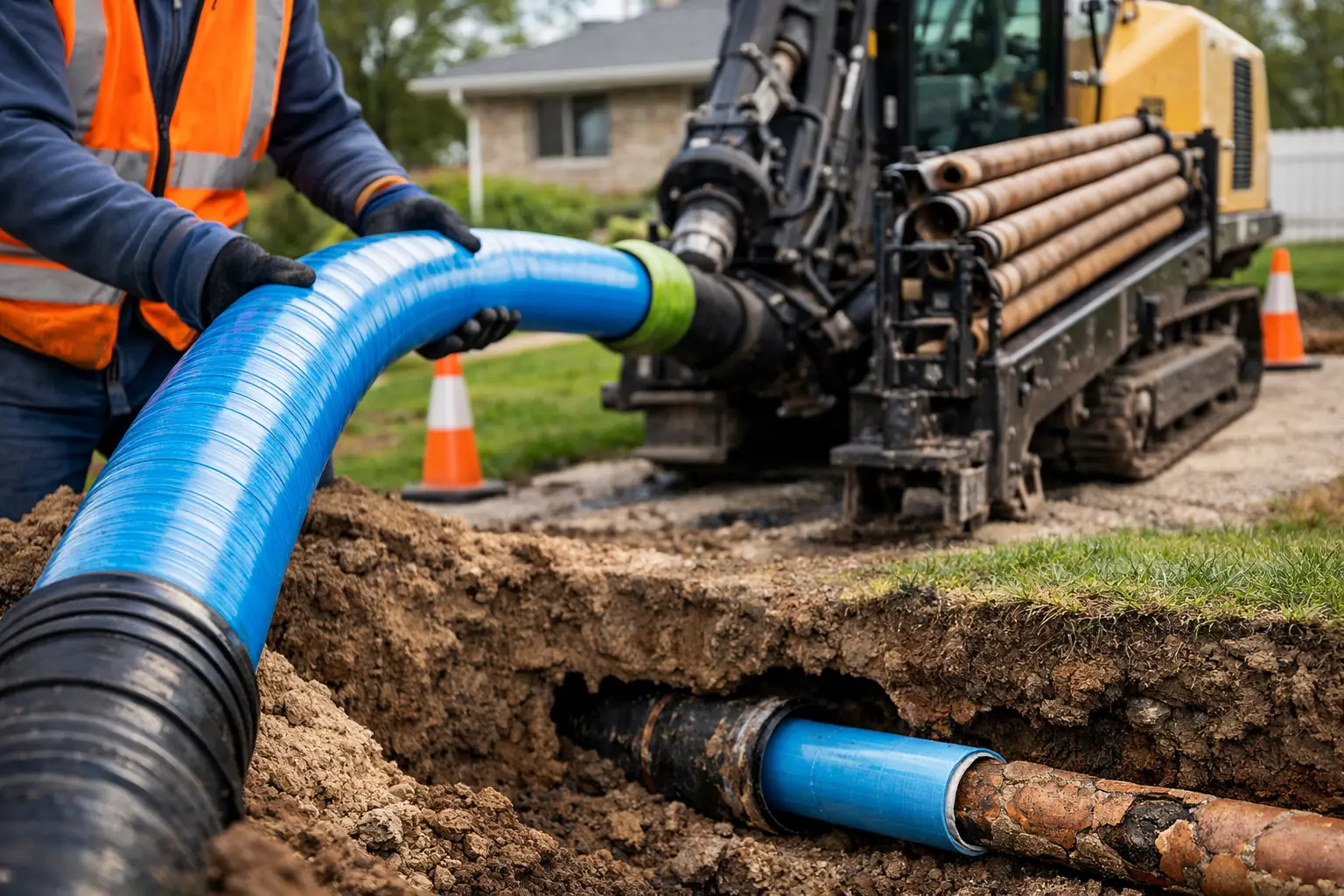
Trenchless sewer line repair is a broad term for repairing an underground drainage pipe with little or no excavation. Rather than opening a trench along the full length of the run, a drainage engineer accesses the pipe through an existing chamber, rodding point or carefully selected excavation point.
The most common no-dig method is cured-in-place pipe relining, often called CIPP relining. A flexible liner impregnated with resin is inserted into the damaged pipe, positioned accurately, inflated and cured. Once set, it forms a tough new pipe within the old one, sealing cracks, failed joints and small holes.
This can be particularly useful where a drain runs beneath block paving, a landscaped garden, a conservatory, a road or a commercial floor. Less excavation generally means less reinstatement work, less mess and less disruption to the property.
That said, no-dig does not mean no investigation. A liner must be installed in a pipe that is suitable for it. If the line has fully collapsed, has severe backfalls, is badly misaligned or contains a major obstruction that cannot be removed, excavation may still be the proper answer.
When trenchless sewer line repair makes sense
Relining is often a strong option when the existing pipe remains broadly intact but is no longer watertight or structurally reliable. Common examples include repeated root ingress through joints, fractures caused by ground movement, ageing clay pipes with open connections, and pipes affected by corrosion or minor wear.
It is also a practical choice when digging would involve removing expensive surfaces. Lifting a patio, breaking through a driveway or excavating inside a commercial unit can add considerable time and cost to a conventional repair. A well-planned liner can avoid much of that work while still dealing with the underlying defect.
For landlords and commercial property managers, reduced downtime can matter as much as the repair itself. If a drainage line serves tenants, staff or customers, limiting noise, disruption and restricted access may make relining the sensible route.
The length of the problem is relevant too. A localised defect may only require a patch liner, while damage along a longer section may justify a full-length liner. There is no one-size-fits-all answer, which is why a clear survey report and an explanation of the available options are worth more than a quick quote based on assumptions.
Why a CCTV survey comes before any repair
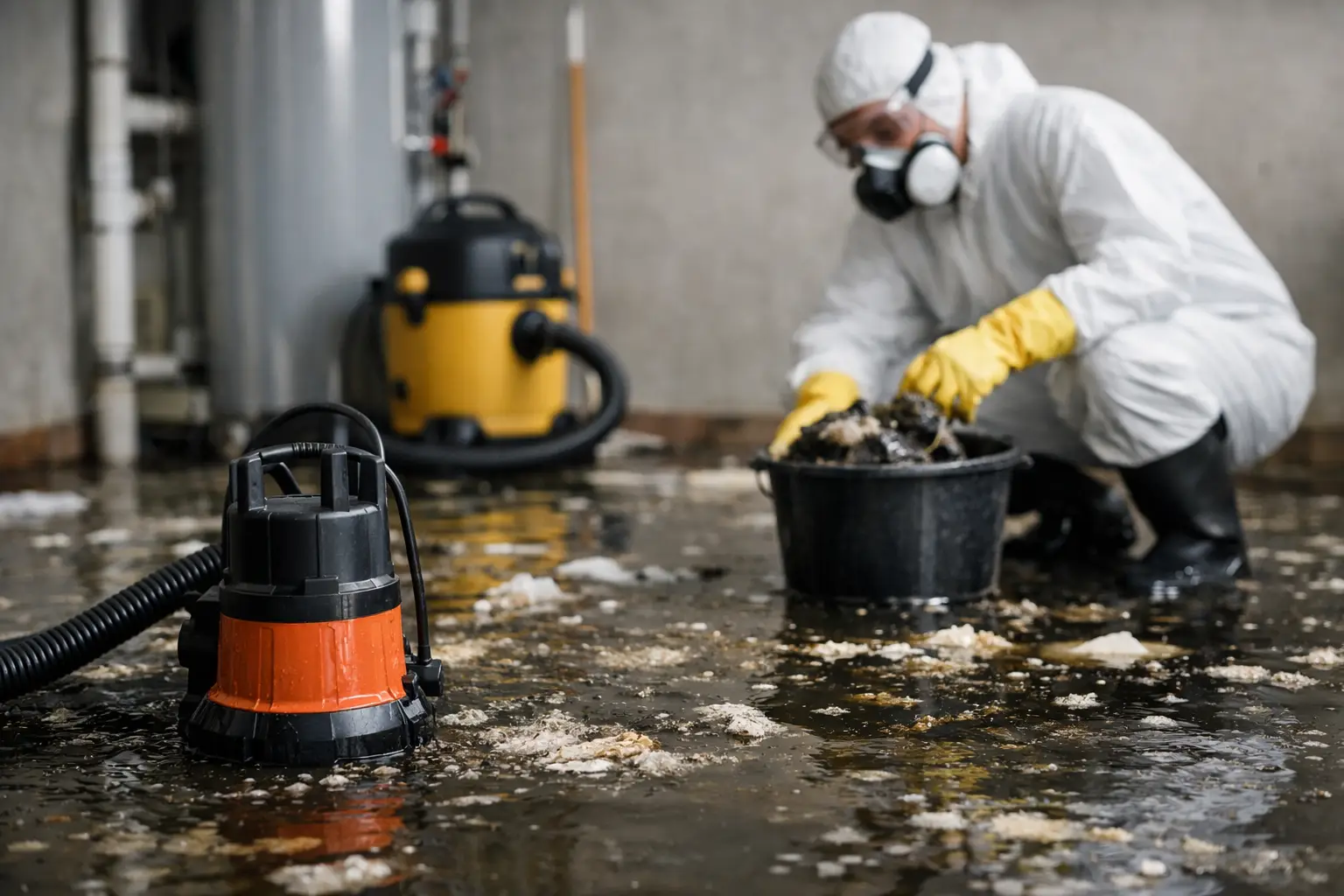
A blocked drain and a damaged drain can produce similar symptoms. Water may back up, toilets may gurgle, and bad odours may develop. High-pressure water jetting can clear debris, wipes, fat deposits and roots, but it cannot repair a broken pipe.
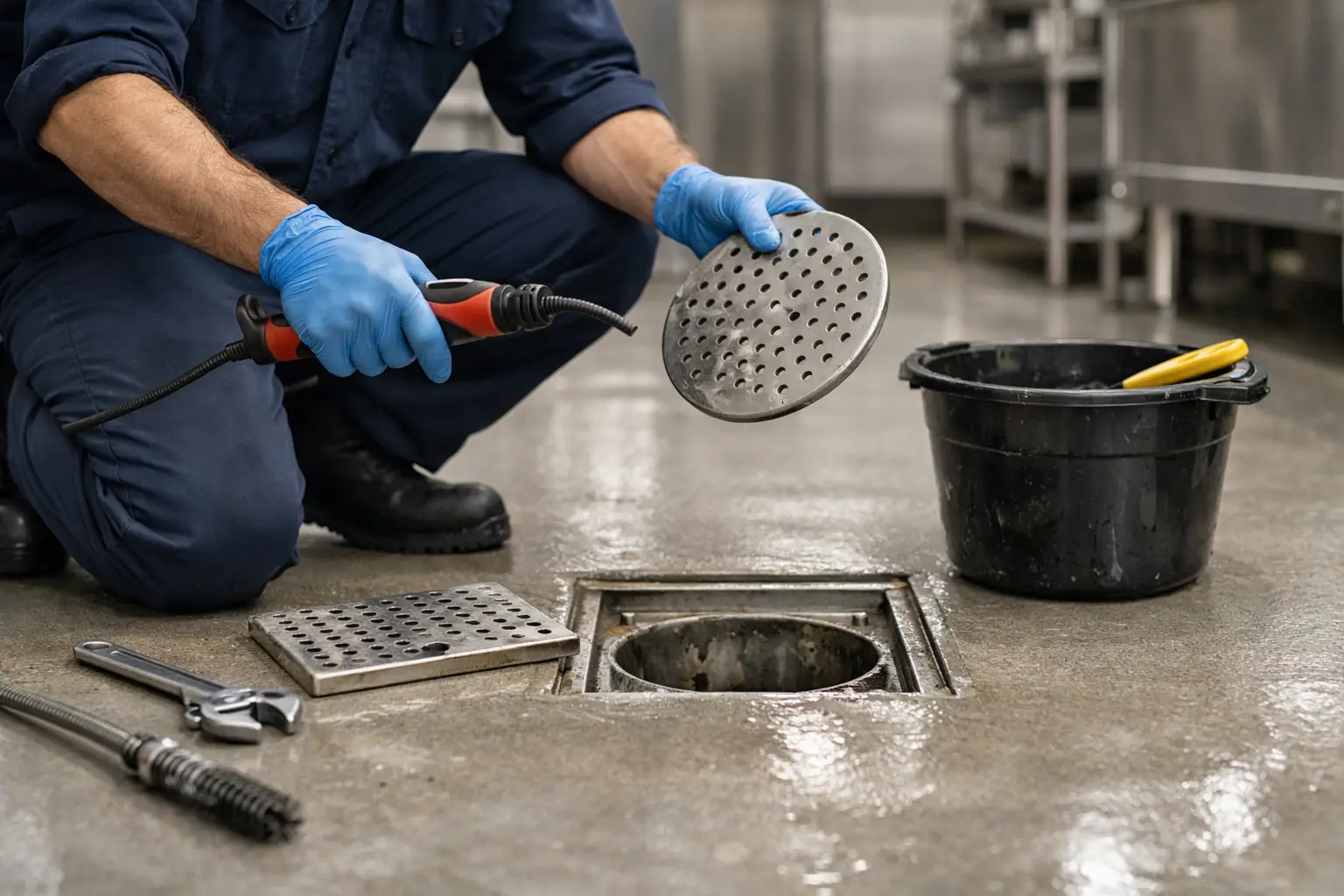
A CCTV drain survey allows the engineer to inspect the pipe internally after cleaning. The footage can reveal the condition of the line, pinpoint the location of faults and confirm pipe diameter, depth and access points. It also helps identify whether the issue is on a private drain, a shared section or potentially a public sewer, which can affect responsibility for repairs.
Before relining, the pipe must be thoroughly cleaned. Roots, scale, debris and protruding connections need to be removed so the liner can sit against the pipe wall correctly. The final installation should then be checked by CCTV to confirm the repair is properly formed and the line is flowing freely.
This diagnosis-led approach avoids paying for a repair that does not suit the problem. It also prevents the frustration of repeated call-outs for a drain that appears clear for a few weeks, then blocks again because the cracked pipe beneath has never been addressed.
How CIPP drain relining is carried out
The exact process depends on the pipe condition and site access, but a professional trenchless repair follows a clear sequence. First, the drainage line is cleaned and surveyed. The engineer then measures the affected run and prepares a liner suited to the pipe size and repair length.
The resin liner is installed through an access point and inflated or inverted into position. It is held against the inside of the host pipe while the resin cures. Once cured, the liner becomes a continuous internal sleeve. Any branches that have been covered are reopened using specialist cutting equipment, and a final camera inspection confirms the finish.
A correctly installed liner slightly reduces the internal diameter of the original pipe. In most domestic drainage systems this is not a problem, especially where the pipe has been properly cleaned and the flow was already restricted by cracks, roots or scale. However, pipe size, gradient and the number of connected appliances all need consideration before work begins.
The benefits and trade-offs of no-dig repair
The main advantage is reduced excavation. That can protect gardens, paths, driveways and internal finishes, while helping to keep labour and reinstatement costs under control. It is often quicker than digging the full pipe run and can provide a durable, watertight repair when the existing line is suitable.
There are trade-offs. Relining cannot correct every structural issue, and it will not fix a pipe that has lost its route or collapsed completely. A severe dip in the pipe may continue to collect waste and water even after it has been lined. If access is poor, additional work may be needed to reach the affected section safely.
Cost also depends on more than the number of metres being repaired. Access, pipe diameter, cleaning requirements, root removal, branch connections and the extent of damage all affect the job. Be wary of a low headline price that does not include surveying, preparation, final testing or clear information about what is guaranteed.
When excavation is the better repair
Traditional excavation still has an important place in drainage repairs. If the CCTV survey shows a collapse, major displacement, extensive deformation or an incorrect pipe gradient, replacing the damaged section may be the only reliable option.
Excavation can also be preferable for a short, easily accessible pipe run where lifting a small area of soil is straightforward. In that situation, relining may not offer enough benefit to justify the specialist process. The best drainage contractor will explain this plainly rather than pushing no-dig repair where it is not appropriate.
The aim is not to avoid digging at all costs. It is to choose the repair that restores proper flow, protects the property and reduces the risk of the fault returning.
Choosing a contractor for trenchless sewer line repair
Ask how the fault will be diagnosed, whether the pipe will be cleaned before lining and whether you will receive CCTV evidence of the completed repair. You should also ask what is included in the quoted price, whether access or reinstatement work may be needed, and what written guarantee applies.
A trustworthy contractor will explain the findings in plain English and distinguish between an emergency clearance and a permanent repair. At West Midlands Drainage, the focus is on identifying the root cause first, then recommending the most practical repair for the property rather than relying on a temporary fix.
If your drains keep blocking, the ground above the pipe is sinking, or wastewater is backing up, arrange a professional survey before the damage spreads. A clear view inside the pipe gives you the facts needed to make the right repair decision – whether that means relining, a local excavation or simply a thorough clean.