A blocked sink once in a while is one thing. The same drain backing up again after you have already had it cleared is usually a sign there is more going on below ground. That is where knowing the signs you need a CCTV drain survey can save time, money, and a lot of guesswork.
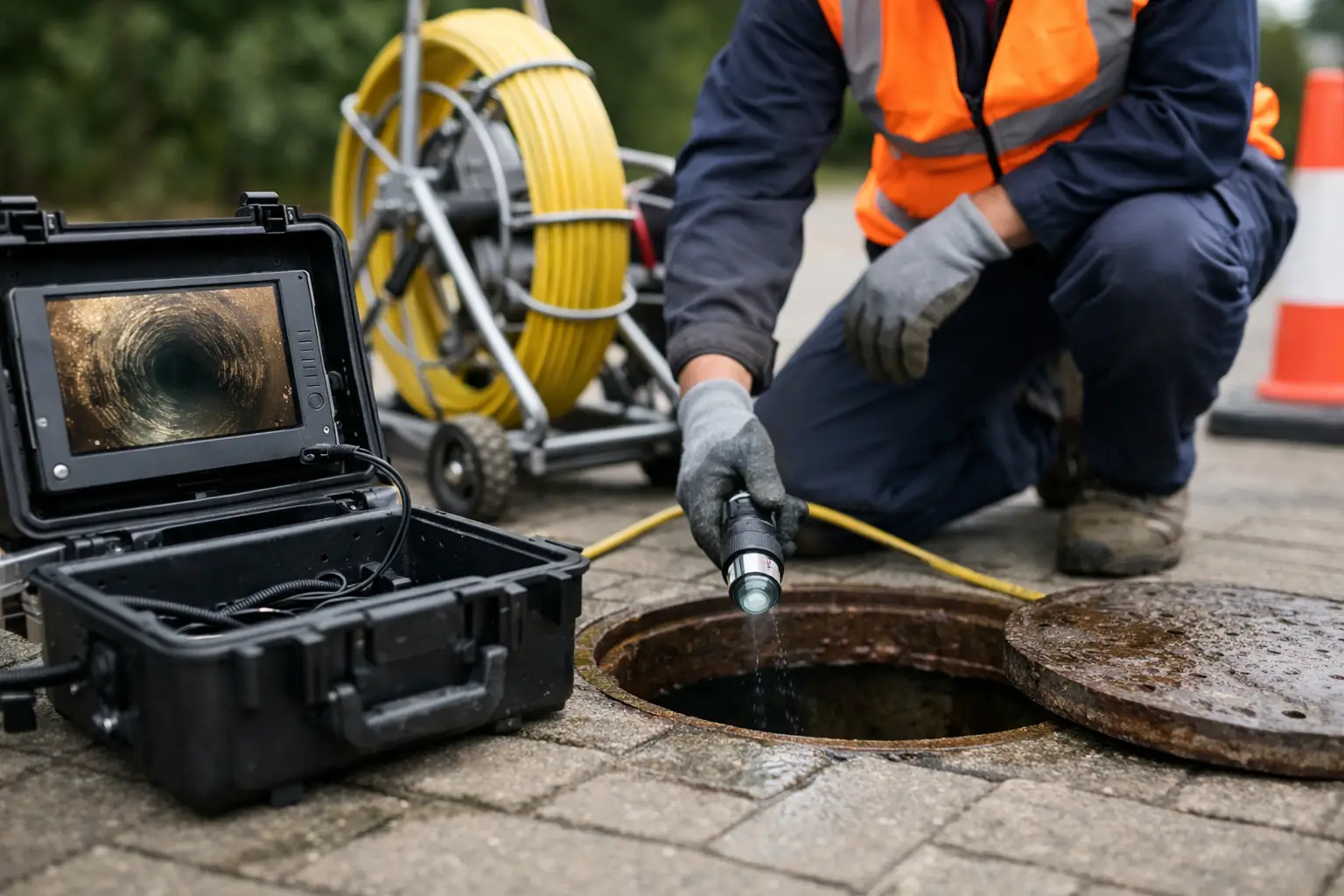
A CCTV drain survey is exactly what it sounds like – a specialist camera inspection inside your drainage system. It shows what is happening in the pipework without digging up drives, gardens, floors, or car parks just to take a look. For homeowners, landlords, and commercial sites across the West Midlands, that matters because drainage faults rarely fix themselves. They usually get worse, and the longer they are left, the more disruptive and expensive the repair can become.
What a CCTV drain survey actually helps with
A proper survey is not just about confirming that a pipe is blocked. It is about finding the root cause. That might be a build-up of fat and debris, a cracked pipe, a displaced joint, root ingress, collapsed sections, or poor installation work from years ago.
The difference is important. If the issue is simply a one-off blockage, a straightforward clean may be enough. If there is structural damage or an ongoing defect, repeated unblocking will only treat the symptom. A camera survey gives clear evidence of the problem so the right repair can be recommended first time.
7 signs you need a CCTV drain survey
1. You keep getting repeat blockages
This is one of the clearest signs you need a CCTV drain survey. If toilets, gullies, sinks, or external drains keep blocking, there is usually an underlying reason. It could be a pipe that has cracked and is catching waste, roots growing into the line, or a section of drain that has dropped and is holding water.
Many people pay for the same drain to be cleared more than once because the immediate problem disappears for a while. The trouble is, if the cause remains, the blockage usually comes back. A survey helps stop that cycle.
2. Drains are slow even after cleaning
Slow drainage does not always mean a full blockage. Sometimes water still gets away, just not as it should. If a sink, shower, toilet, or outside drain remains sluggish after cleaning or unblocking, there may be a defect further along the system.
This is common where there is a partial collapse, a build-up on rough pipe surfaces, or poor pipe falls causing standing water. Without seeing inside the drain, it is hard to tell whether the issue needs another clean, a repair, or in some cases a replacement section.
3. There are bad smells around the property
Persistent foul odours inside or outside a property often point to a drainage issue that is hidden from view. Bad smells can come from trapped waste, damaged pipework, leaking joints, or broken connections allowing sewage gases to escape.
If the smell keeps returning and standard cleaning has not solved it, a CCTV survey is often the quickest way to narrow it down. That is especially useful in homes where the smell seems to move around, or in commercial buildings where customers or staff are starting to notice it.
4. You have damp patches, subsidence concerns, or unusual ground movement
Not every drainage defect announces itself with a blockage. Sometimes the first clue is outside. Sinking ground, damp areas in the garden, cracked paving, or unexplained soft spots can all suggest leaking or damaged underground pipework.
It depends on the layout of the site, of course. Some damp patches are surface water issues rather than foul drainage. But if the affected area sits over a drain run, or the property has also had drainage trouble indoors, a camera survey is a sensible next step. It can show whether water is escaping from the pipe and undermining the surrounding ground.
5. Rodents keep appearing around drains
Rats are drawn to damaged drains. If there are repeated rodent problems around inspection chambers, kitchens, bin stores, or lower ground floor areas, broken drainage can be part of the reason.
A CCTV survey can identify cracks, open joints, and entry points in the system. That matters because pest control alone may only deal with the immediate infestation. If the drain defect stays in place, the problem can return.
For landlords and commercial premises in particular, this is worth dealing with properly. A recurring rodent issue quickly becomes a tenant complaint, a hygiene concern, and a reputational problem.
6. You are buying a property or planning building work
Not every survey is prompted by an emergency. In many cases, a CCTV inspection is a precaution that helps avoid expensive surprises later.
If you are buying a house, especially an older property, a drain survey can reveal defects that will not show up on a standard building survey. Cracked clay pipes, displaced joints, root ingress, and historic patch repairs are all common finds. The same goes for landlords taking on a new property or businesses acquiring premises.
It also makes sense before an extension, renovation, or new drainage installation. You need to know where the existing drains run, what condition they are in, and whether they can cope with the planned changes. Finding that out after work has started is never ideal.
7. You need evidence for insurance, repairs, or a dispute
Sometimes the issue is not just identifying a fault. It is proving it. A CCTV survey provides visual evidence of the condition of the drain and can support decisions around repair scope, responsibility, and insurance claims.
That can be useful after a collapse, a suspected accidental damage issue, or where there is disagreement over whether a problem is old, new, shared, or confined to one section of the system. Clear footage and a professional assessment help cut through the guesswork.
When a survey may not be necessary
A good drainage company should be honest about this. Not every problem needs a camera inspection.
If a drain has a straightforward blockage caused by wipes, scale, or localised debris, and it clears fully with no sign of damage or recurrence, a survey may not add much. The same applies to some internal waste pipe issues that can be diagnosed easily above ground.
The point of a CCTV drain survey is not to add extra work. It is to diagnose properly when the symptoms suggest there is more than a simple blockage going on.
What happens during a CCTV drain survey
The process is usually quick and far less disruptive than people expect. A specialist camera is fed through the drain line, recording the condition of the pipe as it moves along. The operator checks for cracks, root ingress, displaced joints, scale, debris, collapses, and any signs of poor flow or standing water.
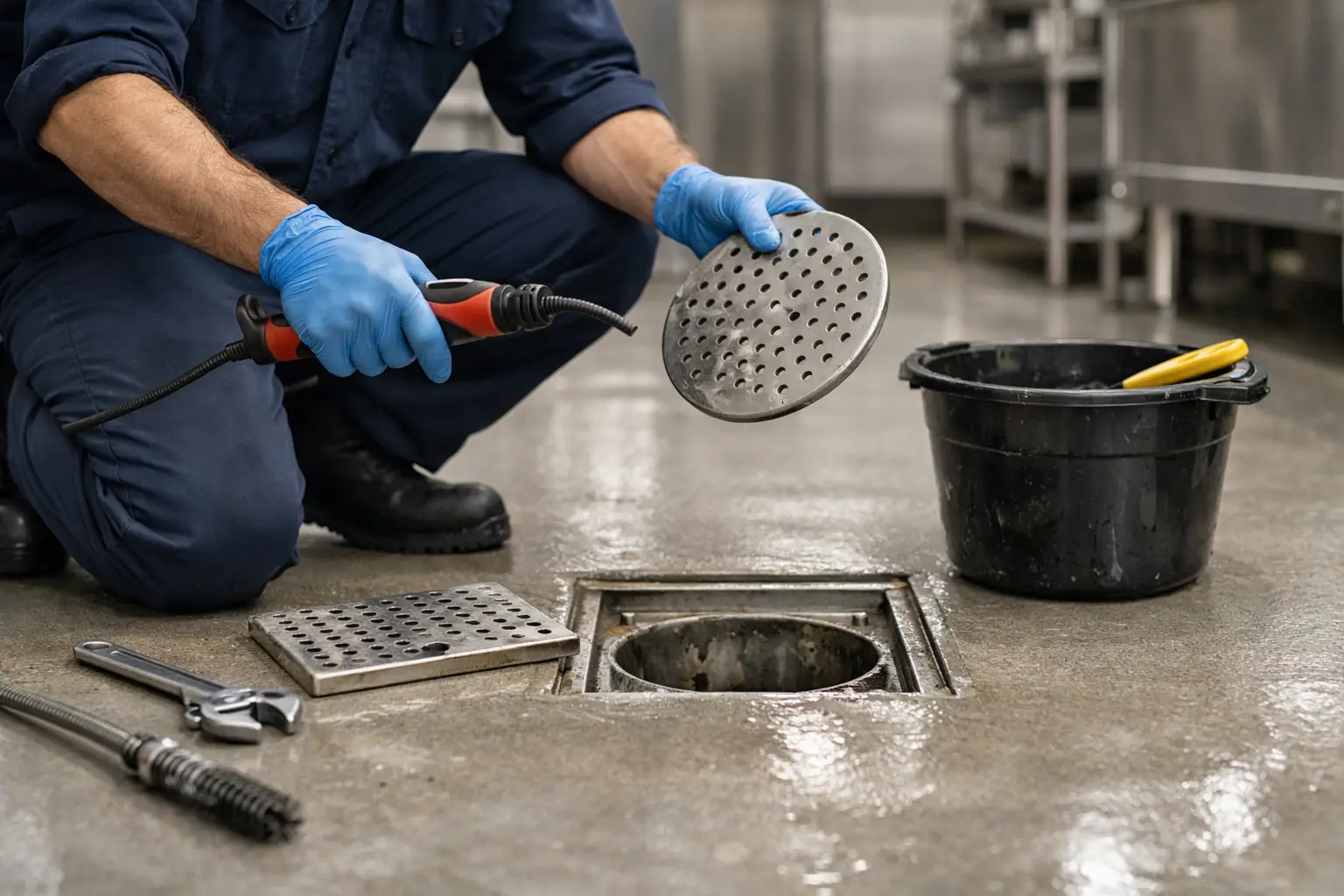
In some cases, the drain needs clearing first to get an accurate view. There is no point inspecting through a heavy blockage and pretending that tells the full story. Once the line is visible, the findings can be explained clearly, along with whether the best fix is jetting, a local repair, no-dig relining, excavation, or simply monitoring.
That diagnosis-led approach matters. It stops people paying for temporary fixes when the real issue sits deeper in the system.
Why acting early usually costs less
Drainage faults nearly always get more expensive when they are ignored. A small crack can become a collapsed section. Root ingress can worsen until the line blocks repeatedly. A slow leak can soften the ground and affect patios, drives, or even foundations over time.
Acting early does not always mean a major repair is needed. In fact, early diagnosis often opens up less invasive options, including targeted cleaning or no-dig repairs that avoid unnecessary excavation. The longer a defect is left, the fewer options there tend to be.
Choosing the right company for a drain survey
The quality of the diagnosis is just as important as the camera itself. You want a company that can explain the findings in plain English, show evidence, and recommend the right remedy rather than the most expensive one.
For customers in Wolverhampton and the wider West Midlands, that usually comes down to a few basics: quick response, transparent pricing, proper equipment, and a team that understands both emergency drainage and long-term repair work. If a survey finds damage, you should not be left chasing another contractor just to work out what happens next.
West Midlands Drainage takes that practical approach – identify the real issue, explain it clearly, and put forward a repair that matches the condition of the system rather than guessing from the surface symptoms.
If your drains are backing up, smelling, running slowly, or causing the same trouble again and again, do not settle for another temporary fix. A clear look inside the pipework often tells you more in one visit than months of repeat call-outs ever will.