When a house looks right on the surface, it is easy to focus on the roof, the boiler and the paperwork. The drains rarely get a second thought. Yet a homebuyer drain survey before purchase can uncover problems that are expensive, disruptive and completely invisible during a normal viewing.
That matters because drainage defects do not stay neatly underground. Cracked pipes, root ingress, poor connections and partial collapses can lead to repeated blockages, foul smells, damp patches, slow-flowing waste and in some cases structural trouble around the property. If you only find out after completion, the cost and stress land with you.
Why a homebuyer drain survey before purchase makes sense
A standard building survey does not usually show you the condition of buried drainage runs in any real detail. Surveyors may flag signs that suggest a drainage issue, but they are not putting cameras through the line and assessing every joint, crack and connection. That is a separate job.
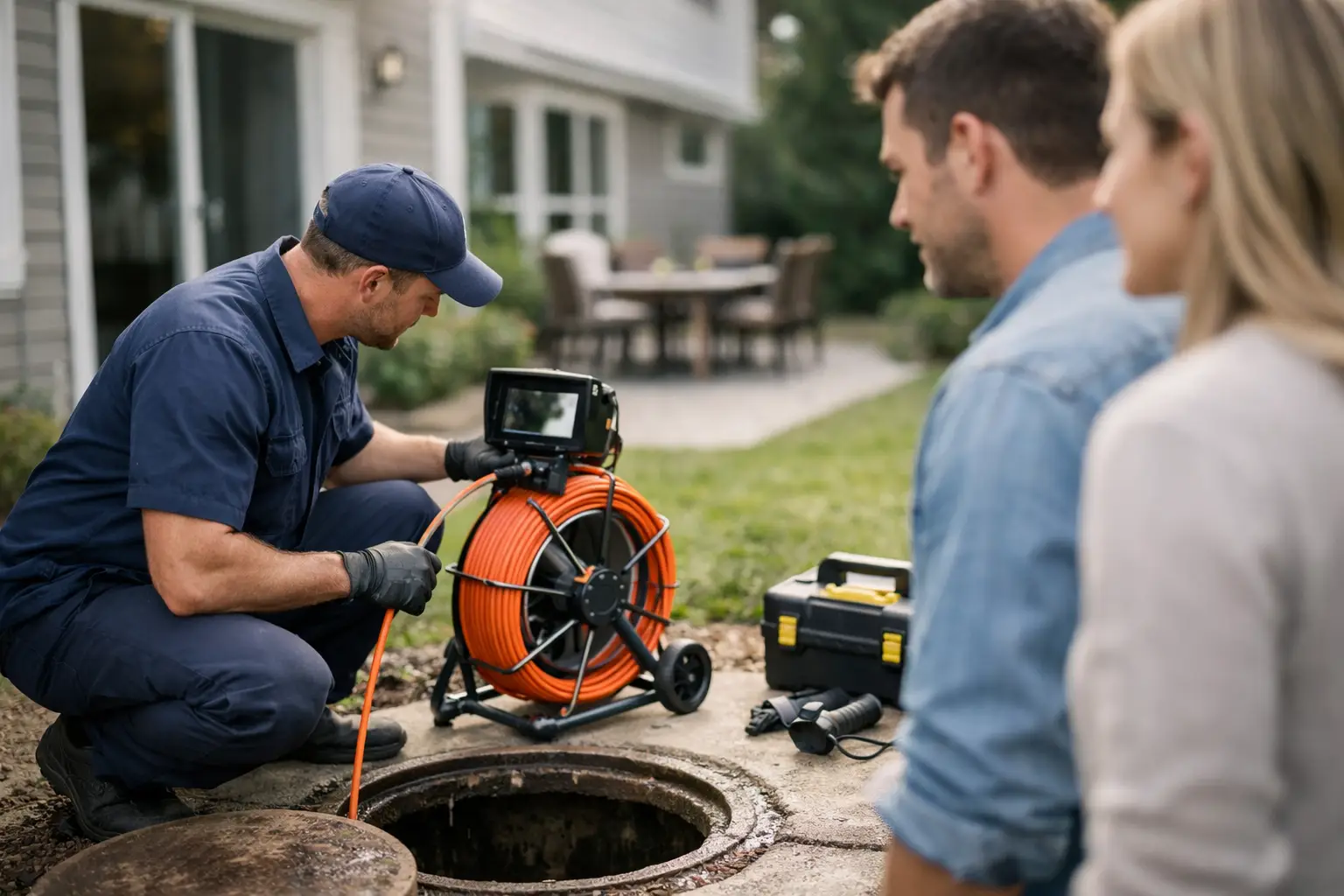
A CCTV drain survey gives you a proper look inside the system. A specialist feeds a camera through the pipework to inspect condition, direction, defects and flow. You get evidence, not guesswork.
For buyers, that can be useful in three ways. First, it helps you avoid inheriting a problem that has been hidden by a quick clean-up before viewings. Second, it gives you stronger ground for renegotiation if repairs are needed. Third, it helps you budget properly if the property is still worth buying but the drainage is not in the condition you expected.
This is especially relevant with older homes, properties that have had extensions, houses with large nearby trees, or homes that have stood empty for a while. All of those can increase the chance of drainage defects.
What a drain survey can actually find
People often assume drainage problems mean one thing – a blockage. In practice, there is a range of faults, and some are more serious than others.
A survey may show displaced joints, where sections of pipe no longer line up correctly. It may identify cracks, fractures or deformation in ageing pipework. It can reveal root ingress, where tree roots have entered through a weak point and started restricting flow. It can also spot scale build-up, fat deposits, poor historic repairs and sections that are holding water because the fall of the pipe is wrong.
In some cases, the issue is not damage but layout. You may find unauthorised connections, shared drainage arrangements that were not obvious from the title documents, or sections that have been altered during previous building work. On extension projects, we sometimes see drains that were built over, rerouted badly or left without suitable access.
Not every defect means a major bill. Some can be cleared, patched or relined without excavation. Others may need more involved repair work. The point of the survey is to separate the manageable from the costly before you commit.
When should buyers arrange one?
The best time is usually after your offer has been accepted but before exchange of contracts. By that stage, you are serious enough to justify the check, but you still have room to act on what is found.
If the property has a history of damp smells, slow drainage, gurgling toilets, standing water outside, recent extension work or signs of repeated drain unblocking, it is worth taking seriously. The same goes for older terraced homes, converted properties and houses with mature trees close to the boundary.
Some buyers order a drain survey because their building survey has recommended one. Others do it because they have been caught out before. Either approach is sensible. Compared with the cost of unexpected underground repairs after moving in, the survey is usually a straightforward precaution.
What happens during the survey
A proper CCTV drain survey is not just a camera dropped into a manhole for five minutes. The process should be systematic.
The engineer will identify access points, inspect the drainage runs that serve the property and record the internal condition of the pipework. If there is a blockage preventing inspection, that may need clearing first. Once the line is accessible, the camera records the run and highlights any defects, restrictions or notable features.
You should then receive a report that explains what was found in plain English, backed up by images or footage where needed. A useful report does not just say there is a problem. It sets out where it is, how serious it appears to be and what type of repair may be appropriate.
That clarity matters when you are buying. You need something you can use in a conversation with the seller, your solicitor or your surveyor. Vague wording does not help anyone.
How to read the results without panicking
Drain survey reports can sound technical, and buyers sometimes assume every defect is a deal-breaker. It is rarely that simple.
Hairline cracks, minor joint displacement or localised root ingress may be repairable without major excavation. Modern no-dig methods such as CIPP relining can often restore sections of damaged pipe with less disruption than people expect. On the other hand, a collapsed run, widespread deformation or a badly installed system beneath hard landscaping may point to a more significant cost.
The key question is not just, “Is there damage?” It is, “What is the practical consequence of that damage now, and what is likely to happen next?” Some issues are active and already affecting performance. Others are defects that should be dealt with, but not necessarily on day one.
That is why diagnosis-led advice matters. You want someone to explain the likely next step, not push the biggest possible job.
Can a drain survey help with price negotiation?
Yes, if the findings are clear and credible.
If the survey identifies repair work that the seller did not disclose, you may be able to renegotiate the purchase price or ask for the issue to be resolved before completion. Whether that succeeds depends on the local market, the seller’s position and how badly you want the property. There is no guaranteed outcome.
Still, having evidence puts you in a stronger position than relying on suspicion. It also stops arguments later. If you decide to proceed regardless, at least you are doing so with your eyes open.
For landlords and investors, this is often where the value is clearest. A drainage issue can affect lettability, future maintenance costs and insurance claims. Knowing the likely repair path before purchase makes the numbers more honest.
What a homebuyer drain survey before purchase does not cover
It is worth being clear about the limits. A drain survey does not replace a full building survey, legal searches or checks on boundaries and title. It is a specialist inspection of the drainage system that can be accessed and surveyed at the time.
It also may not answer every ownership question on the spot. Responsibility for some drainage sections can depend on whether the pipe serves only one property or forms part of a shared sewer. Your solicitor may still need to confirm the legal side.
And if the system is completely inaccessible because of severe blockage, collapsed access or site constraints, further work may be needed before a full picture is possible. A reputable drainage company should tell you that plainly rather than pretend otherwise.
Choosing the right company for the job
For a pre-purchase survey, speed matters, but so does accuracy. You need a contractor who can attend promptly, use proper CCTV equipment and explain findings without dressing them up.
Look for a company that deals with surveys and repairs, not just emergency call-outs, because they are more likely to understand what defects mean in practical terms. It also helps if they can offer repair options from local patching through to no-dig relining where appropriate. That way, any estimate is grounded in real capability rather than theory.
Just as important is the way they communicate. Hidden charges, vague language and scare tactics are the last thing a buyer needs. A straightforward report, transparent pricing and direct answers are worth a lot when deadlines are tight.
Across the West Midlands, that practical approach is exactly why many buyers arrange a survey before exchange, especially where older properties or previous alterations are involved.
Is it always worth doing?
Not in every case. If you are buying a nearly new property with clear documentation, no warning signs and recent drainage sign-off, the risk may be lower. Even then, lower risk is not the same as no risk.
For many buyers, it comes down to exposure. If a hidden drainage issue would stretch your budget or turn a straightforward move into months of disruption, a survey is a sensible safeguard. If you are already taking on a renovation and have allowed for underground surprises, you may weigh it differently.
That is the honest answer – it depends on the property, the evidence in front of you and your appetite for risk.
A house purchase is expensive enough without inheriting a problem buried a few feet below ground. If there is any reason to suspect the drains are not right, checking them before you buy is often the cheapest way to avoid a much bigger headache later.