A sink that starts draining slowly is easy to ignore. The problem is that blocked drains rarely stay small for long. If you are wondering what causes drains to block, the answer is usually a build-up over time, but in some cases it points to a deeper fault underground that needs proper diagnosis rather than another quick fix.
What causes drains to block in the first place?
Most drain blockages fall into two broad categories. The first is everyday waste building up inside the pipe. The second is a defect in the drain itself, such as cracked pipework, poor installation, or tree root ingress. Knowing the difference matters, because one may be sorted with a straightforward clean, while the other will keep coming back until the underlying issue is repaired.
In homes, the usual culprits are fats, oils, grease, food waste, soap residue, hair and wet wipes. In commercial settings, the list often expands to include heavier grease loads, silt, scale, sanitary waste and misuse by staff or visitors. Outside, leaves, mud and root growth can all restrict flow, especially after bad weather.
A blocked drain is not always caused by one dramatic event. More often, it is a slow narrowing of the pipe until water can no longer pass through freely.
The most common household causes in Cannock and West Midlands
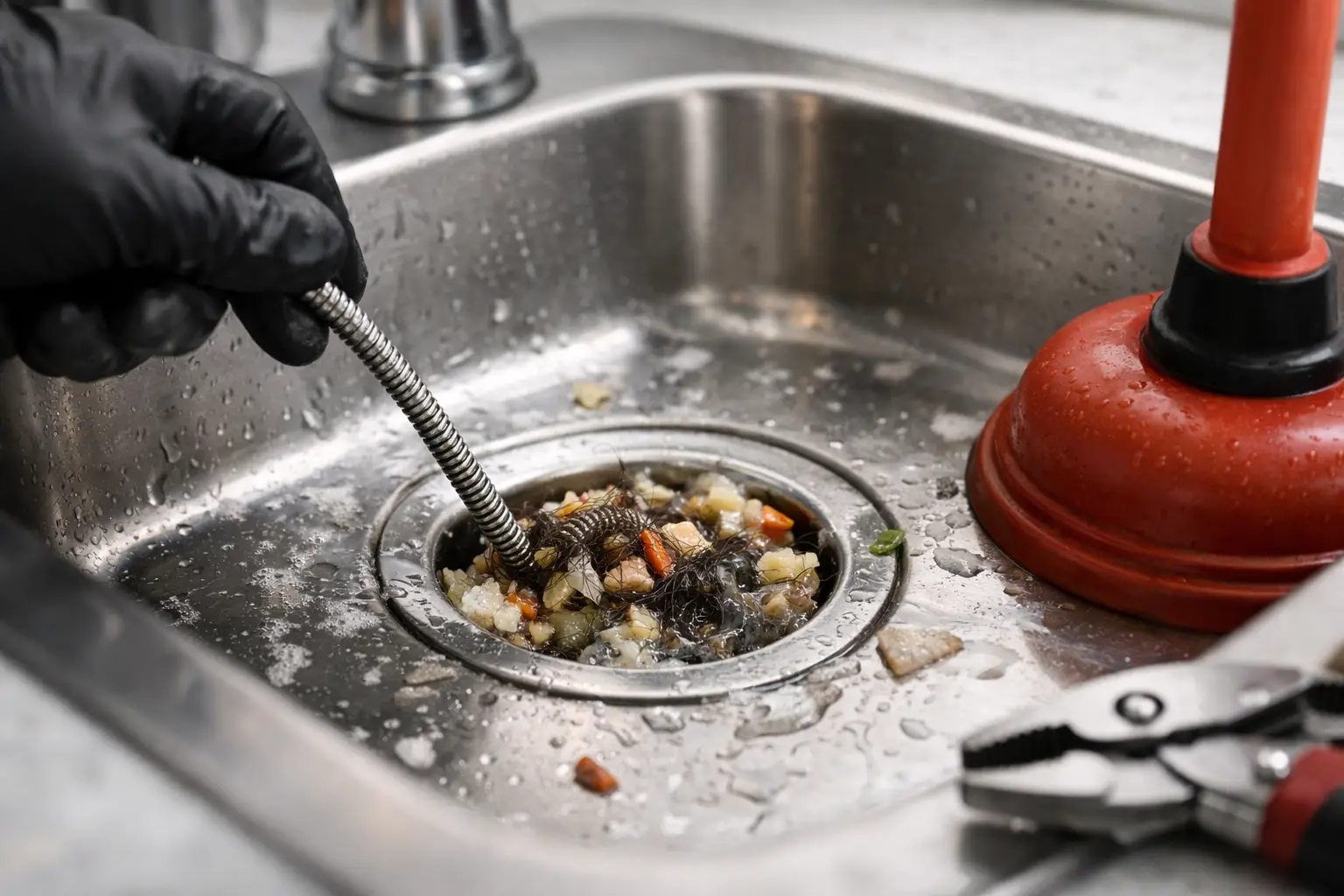
Kitchen drains block for fairly predictable reasons. Fat, oil and grease may go down the plughole as liquid, but they cool and solidify inside the pipe. Once that sticky layer forms, food particles cling to it and the build-up gets worse. Starchy waste such as rice, pasta and coffee grounds can add to the problem, particularly in older pipework where the internal surface is already rough.
Bathroom drains are slightly different. Hair is one of the biggest causes of localised blockages, especially in showers and baths. It mixes with soap scum, toothpaste residue and skin debris to form a dense clog that traps more material over time. In toilets, the main issue is flushing the wrong things. Wet wipes, cotton pads, sanitary products and excessive toilet tissue do not break down in the same way as toilet paper, so they can lodge in bends and catch other waste behind them.
Even products labelled as flushable can cause problems in real drainage systems. That is something many property owners only discover after repeat call-outs.
What causes drains to block outside the property?
External drains take a different kind of punishment. Gullies and surface drains can fill with leaves, moss, silt and general debris, especially in autumn or after heavy rain. If that material is left to compact, rainwater has nowhere to go and backing up can start around the property.
Underground foul drains are often affected by root ingress. Tree roots naturally seek out moisture, and even a small crack or displaced joint can attract them. Once inside, they continue growing and catch paper, grease and other waste passing through. This is one of the clearest examples of why recurring blockages should not be treated as a one-off nuisance.
Ground movement can also play a part. Over time, pipes may crack, sag or become misaligned. A section that has dropped can create a belly in the line where water and solids collect. From the surface, it looks like another blockage. In reality, the drain is no longer laid correctly and needs more than a basic unblock.
Why some blockages keep coming back
A drain that blocks once may simply have been misused. A drain that blocks repeatedly is usually telling you something more. It may be a build-up that was only partially cleared, or it may be damaged pipework that keeps catching debris.
This is where proper diagnosis matters. If a contractor turns up, clears the immediate obstruction and leaves without checking the condition of the drain, the relief is often temporary. The water starts moving again, but the cause remains in place.
A CCTV drain survey is often the quickest way to get to the root of the issue. It shows whether the problem is grease lining the pipe, roots entering through a joint, a collapsed section, poor connections, or a foreign object lodged further down the run. That matters for homeowners, landlords and commercial sites alike, because the right repair depends on what is actually there.
The warning signs before a full blockage
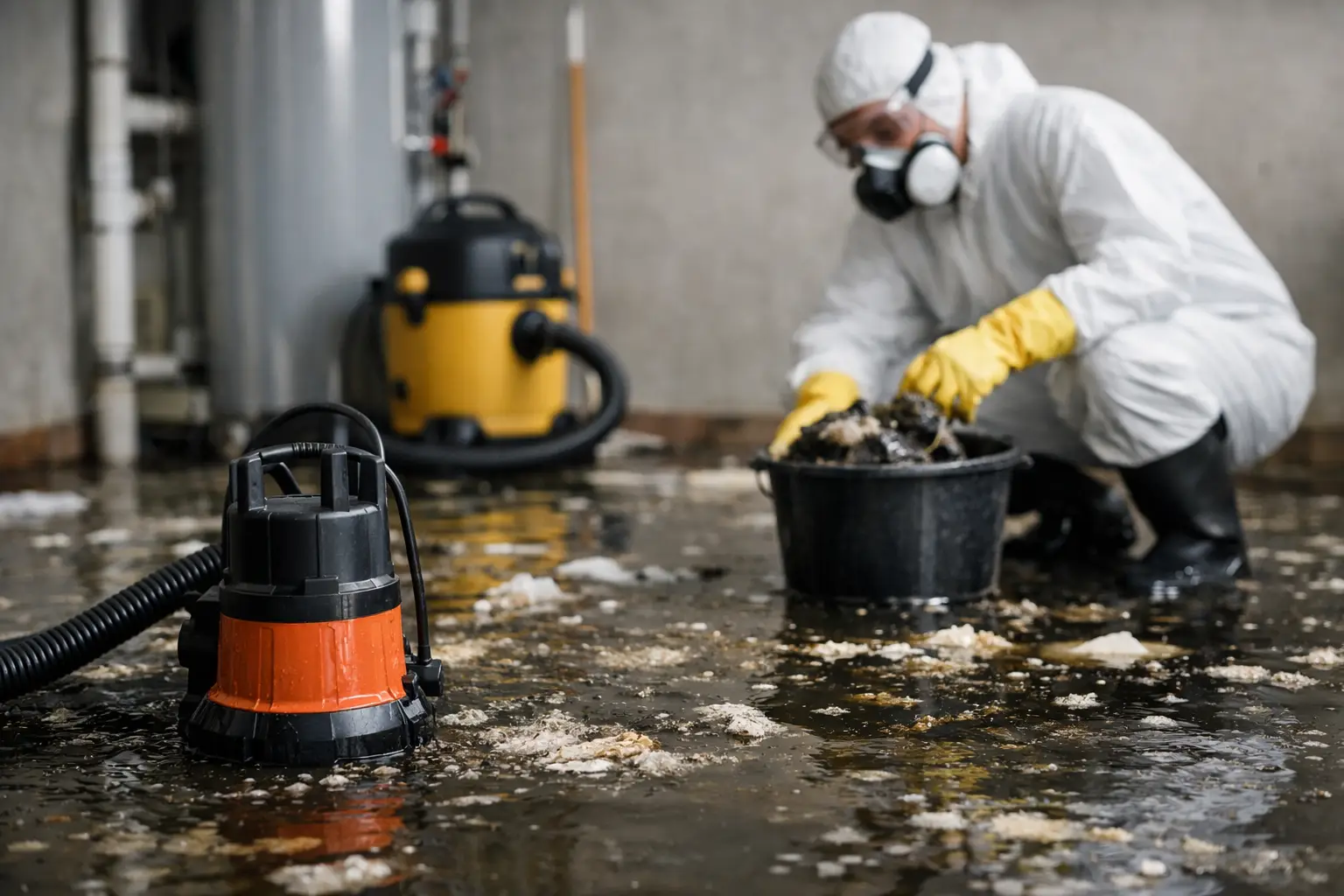
Drains usually give some notice before they stop altogether. Slow-draining sinks, bad smells, gurgling sounds, water rising in the toilet, or waste backing up into another appliance are all warning signs. Outside, you may notice standing water around a gully or inspection chamber, or overflowing manholes after normal use.
These early symptoms should not be ignored. Acting at this stage often means the blockage can be removed before it causes internal flooding or contamination. It also gives more time to inspect whether there is a structural problem behind it.
For landlords and facilities managers, this matters even more. A blocked drain in a tenanted property or commercial premises can quickly become a hygiene issue, disrupt operations and lead to avoidable repair costs if it is left too long.
What causes drains to block in older properties?
Older properties across Wolverhampton and the wider West Midlands can present a few extra drainage issues. Pipe materials may be more prone to cracking, joints may have weakened, and earlier drain layouts are not always ideal by modern standards. Some systems also have years of scale, grease or debris lining the inside of the pipe, reducing capacity long before a total blockage appears.
That does not mean every older drain is a problem. It does mean recurring issues should be taken seriously. If the same line blocks every few months, there is a fair chance the pipe condition or layout is contributing.
Property buyers often benefit from checking this before completion, particularly where there are signs of past drainage trouble. A survey can reveal defects that would otherwise stay hidden until the keys are in your hand.
Clearing the blockage is only part of the job
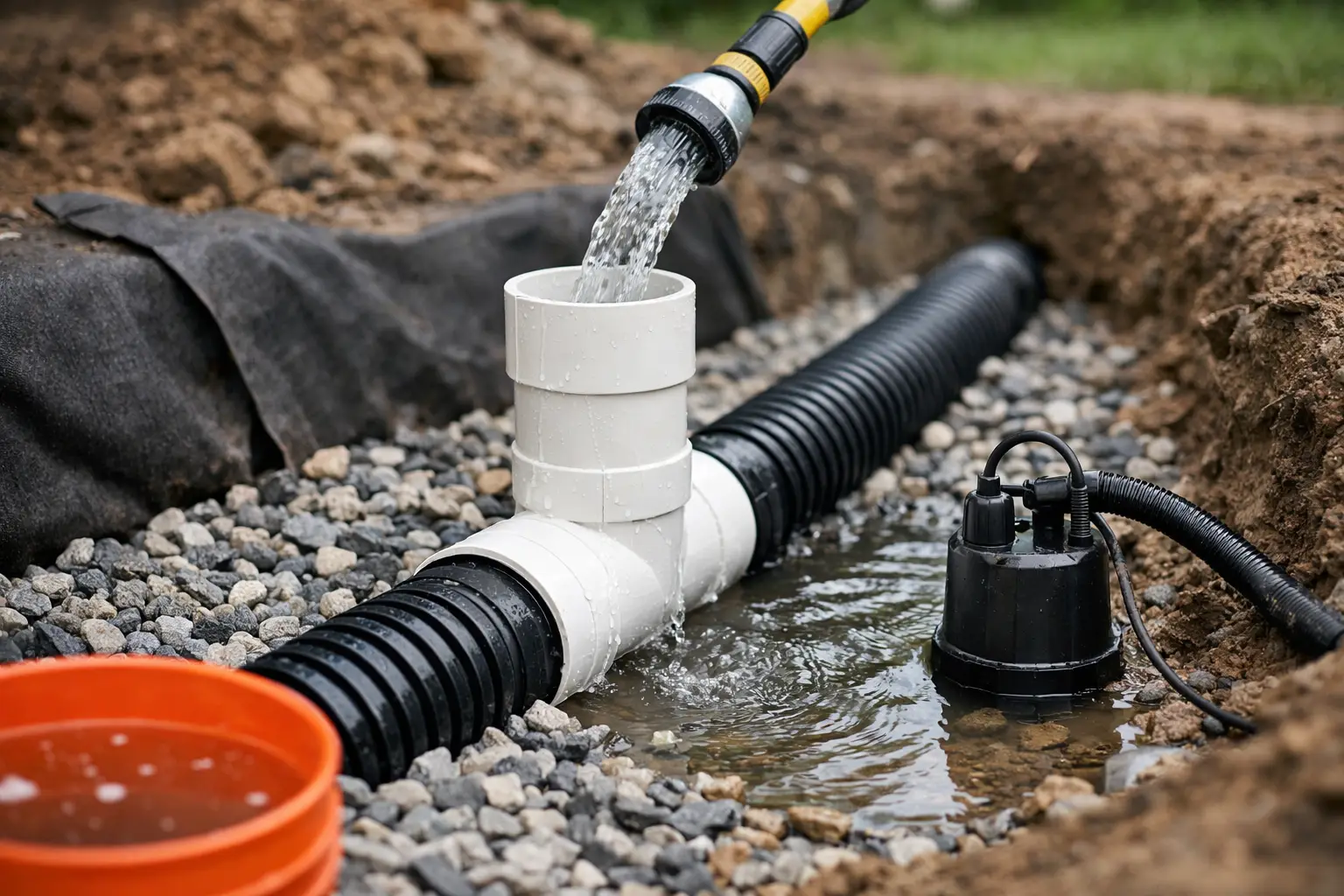
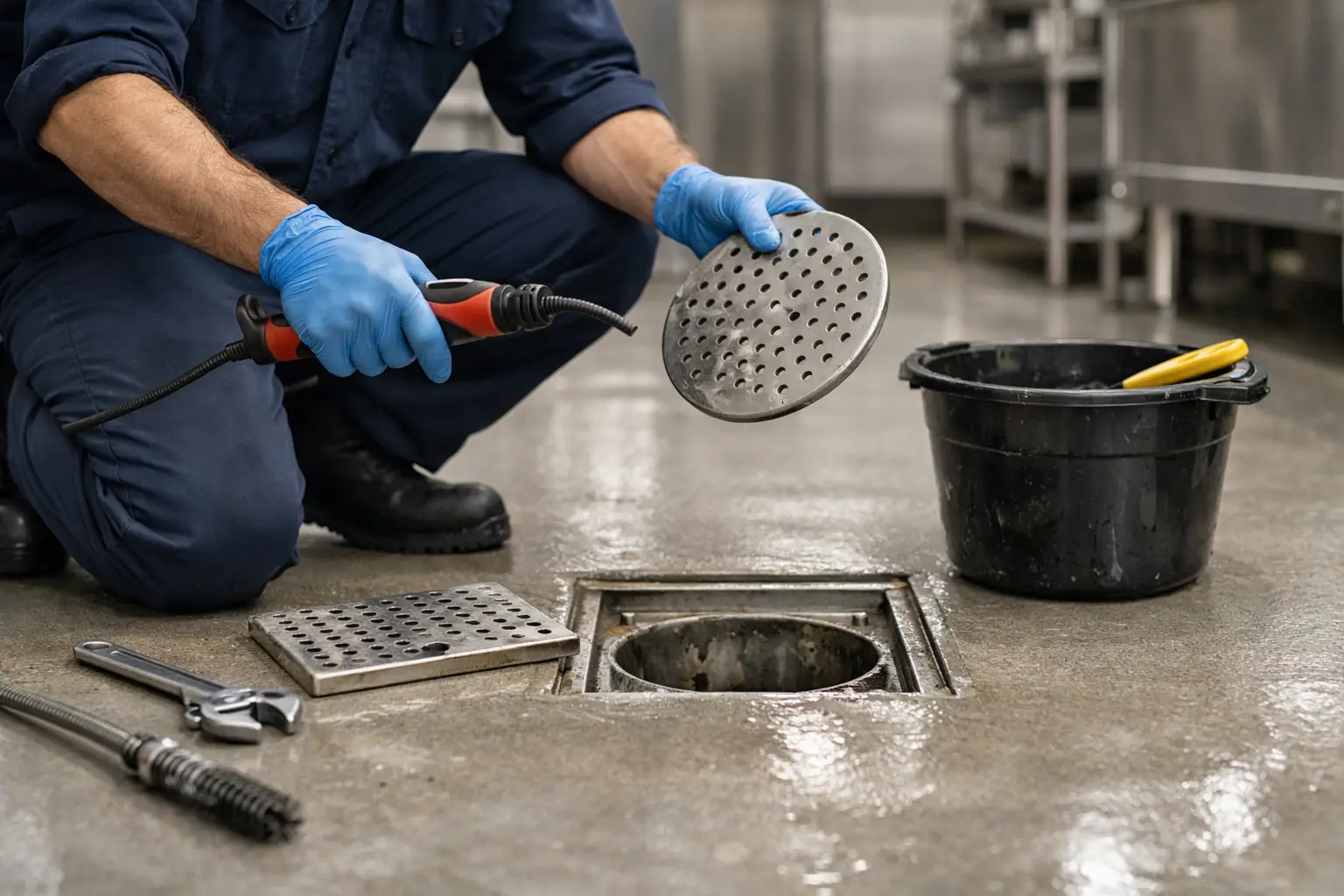
The method used to clear a drain should match the cause. A simple local obstruction near a plughole might be straightforward. Heavier build-up in external drains often needs professional high-pressure water jetting to remove grease, sludge and debris properly from the pipe walls. If roots are present, cutting and clearance may be needed before any repair is considered.
Where CCTV identifies cracks, displaced joints or small sections of damage, no-dig solutions such as CIPP relining can often restore the drain without major excavation. In other cases, excavation is still the right answer. It depends on the defect, the location and the condition of the rest of the run.
That is why the cheapest quick fix is not always the best value. If the blockage is a symptom of a damaged drain, repeated emergency visits soon cost more than diagnosing and repairing it properly the first time.
How to reduce the risk of blocked drains
Good habits help, even though they cannot prevent every problem. Fat, oil and grease should never be poured down the sink. Food waste should go in the bin, not rinsed into the pipe. In bathrooms, using simple drain guards can reduce the amount of hair entering the waste line. Toilets should only be used for human waste and toilet paper.
Outside, keeping gullies clear of leaves and arranging occasional maintenance for problem drains can make a real difference. For commercial kitchens, routine grease management is especially important. The volume of waste is higher, and small bad habits become big blockages quickly.
Still, prevention has limits. You can do everything right and still end up with a blocked drain if roots have entered the line or the pipe has shifted underground. When that happens, the focus should be on finding the fault, not guessing.
When to call a drainage specialist
If one fixture is slow, you may be dealing with a local blockage. If multiple fittings are affected, smells are getting stronger, or wastewater is backing up, it is time to act quickly. The same applies if the problem keeps returning after previous unblocking.
A proper drainage specialist will not just clear what is visible and hope for the best. They should be able to explain what is causing the issue, whether further inspection is needed, and what the durable fix looks like. That approach saves time, money and disruption, especially where damage below ground is involved.
At West Midlands Drainage, that diagnosis-led approach is exactly what customers value most. Fast response matters, but so does getting a clear answer and a repair that lasts.
Blocked drains are messy, stressful and never well timed. But the cause is usually traceable, and once you know whether it is misuse, build-up or damaged pipework, the next step becomes much clearer. If a drain is trying to tell you something, it is usually worth listening before it turns into a bigger job.