If a lender has asked for a drainage report for mortgage approval, it usually means one thing – they want a clearer picture of what is happening below ground before they commit. That is sensible. Drainage defects can be expensive, disruptive and easy to miss during a standard house viewing or even a general survey.
For buyers, landlords and property owners, this kind of report is not just another box to tick. It can highlight cracked pipework, poor connections, root ingress, collapsed sections and signs of long-term issues that may affect the property’s value or future repair costs. When you are already dealing with solicitors, valuations and moving dates, the last thing you need is a hidden drainage problem turning up after completion.
What is a drainage report for mortgage?
A drainage report for mortgage purposes is a professional assessment of the property’s drainage system, usually backed up by a CCTV drain survey. It gives lenders, buyers and sometimes insurers a factual record of the condition of the drains, where they run, whether they are functioning properly and whether there are defects that could create financial risk.
In plain English, it answers the questions people tend to ask once money is on the line. Are the drains sound? Are there signs of damage? Is there a history of blockage or poor flow? Is the system connected as it should be? If repairs are needed, are they minor works or something more serious?
This is different from a basic homebuyer survey. A surveyor may note signs of damp, slow drainage or external defects, but they are not usually carrying out an internal drain inspection. A drainage report goes further by looking directly inside the pipework with specialist camera equipment.
Why mortgage lenders ask for one
Not every lender will ask for a drainage inspection, but it does happen. Usually, it is triggered by a valuation comment, signs of movement, damp concerns, previous drainage history, or uncertainty around older pipework and property alterations.
From a lender’s point of view, drainage problems can affect both habitability and resale value. A collapsed drain can lead to repeated blockages, foul smells, water escaping into the ground and, in some cases, damage to foundations or external surfaces. If the issue is severe enough, it can reduce the property’s market appeal or lead to unexpected repair bills shortly after purchase.
That does not mean a lender is looking for perfection. Older properties often have some wear in the system. What they usually want is clarity. A report helps them judge whether the drainage is serviceable, whether remedial work is needed, and whether the risk is manageable.
What a proper report should include
A useful drainage report is not just a few vague comments and a grainy photo. It should give clear findings that a buyer, lender or solicitor can actually work with.
Most reports include details of the inspection method, the layout and direction of the drainage runs inspected, the condition of the pipework, and any faults found. That can include fractures, displaced joints, scale build-up, root ingress, standing water, partial collapse, deformation and evidence of previous repairs.
A good report will also explain the severity of the issue. That matters. There is a big difference between a small build-up that can be cleared with routine jetting and a structurally failed pipe that may need excavation or no-dig relining. If recommendations are included, they should be practical and proportionate rather than alarmist.
Where relevant, the report may also note whether the drains appear to serve only the property or connect into shared systems. For buyers, that can be useful when understanding future responsibilities.
When to arrange a drainage report for mortgage applications
Timing matters. If a lender has already asked for a drainage report for mortgage approval, you will usually want to arrange it quickly to avoid slowing the transaction down. Delays often happen not because the inspection itself takes long, but because people wait until the lender or solicitor starts chasing.
It can also make sense to arrange a survey before problems are formally raised if there are warning signs. Slow sinks, repeated blockages, foul odours, soggy patches in the garden, subsidence concerns or an older property with unclear drainage history can all justify a closer look.
Buyers of renovated or extended homes should also be cautious. Alterations can change drainage layouts, and not every past job has been done to a proper standard. A report can help confirm whether the system appears to be functioning as it should.
What happens during the inspection
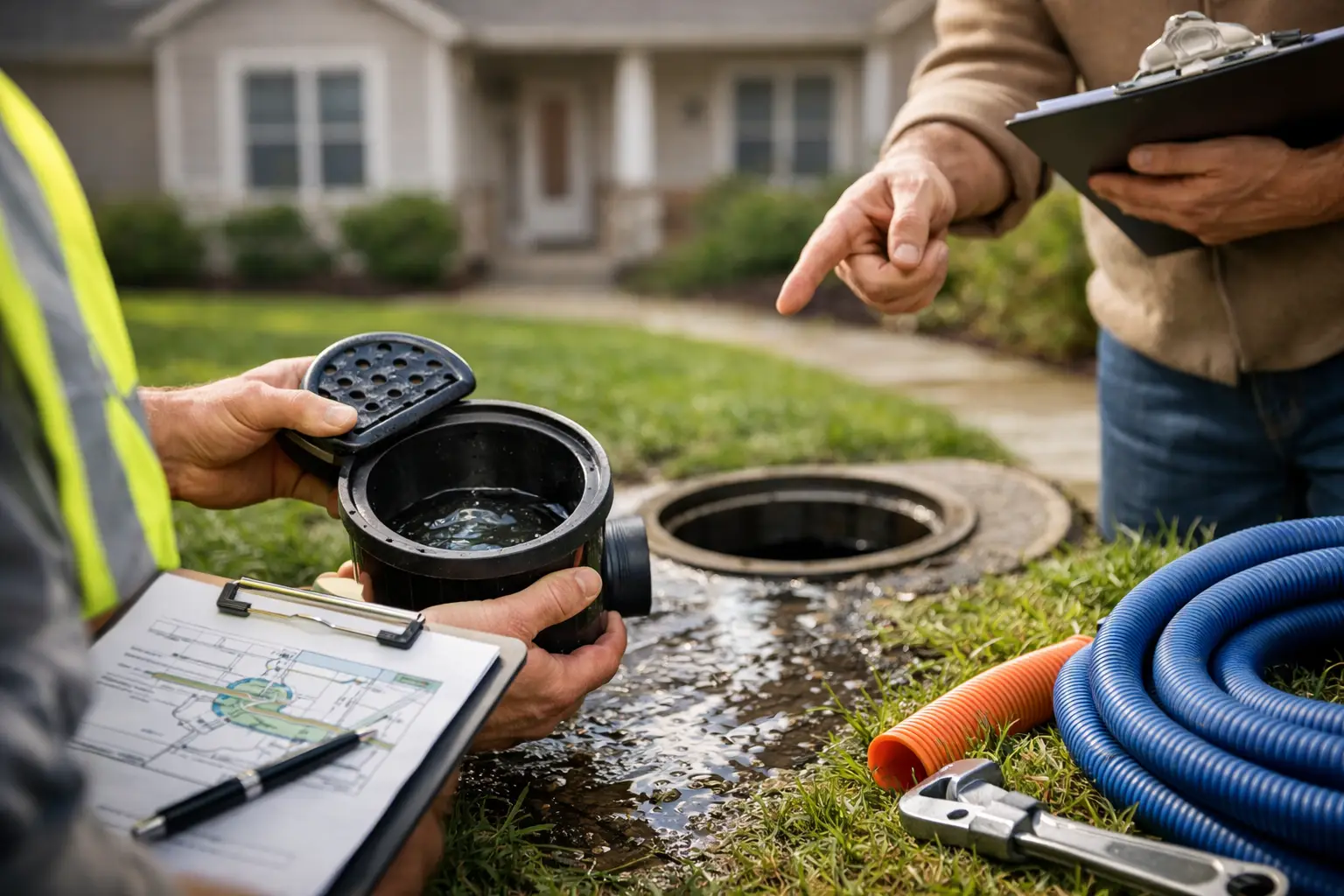
The process is usually straightforward when handled by an experienced drainage team. Access points such as manholes are opened, and the drains are inspected using CCTV camera equipment designed for underground pipework. The operator records the findings, checks the flow and identifies any visible defects or obstructions.
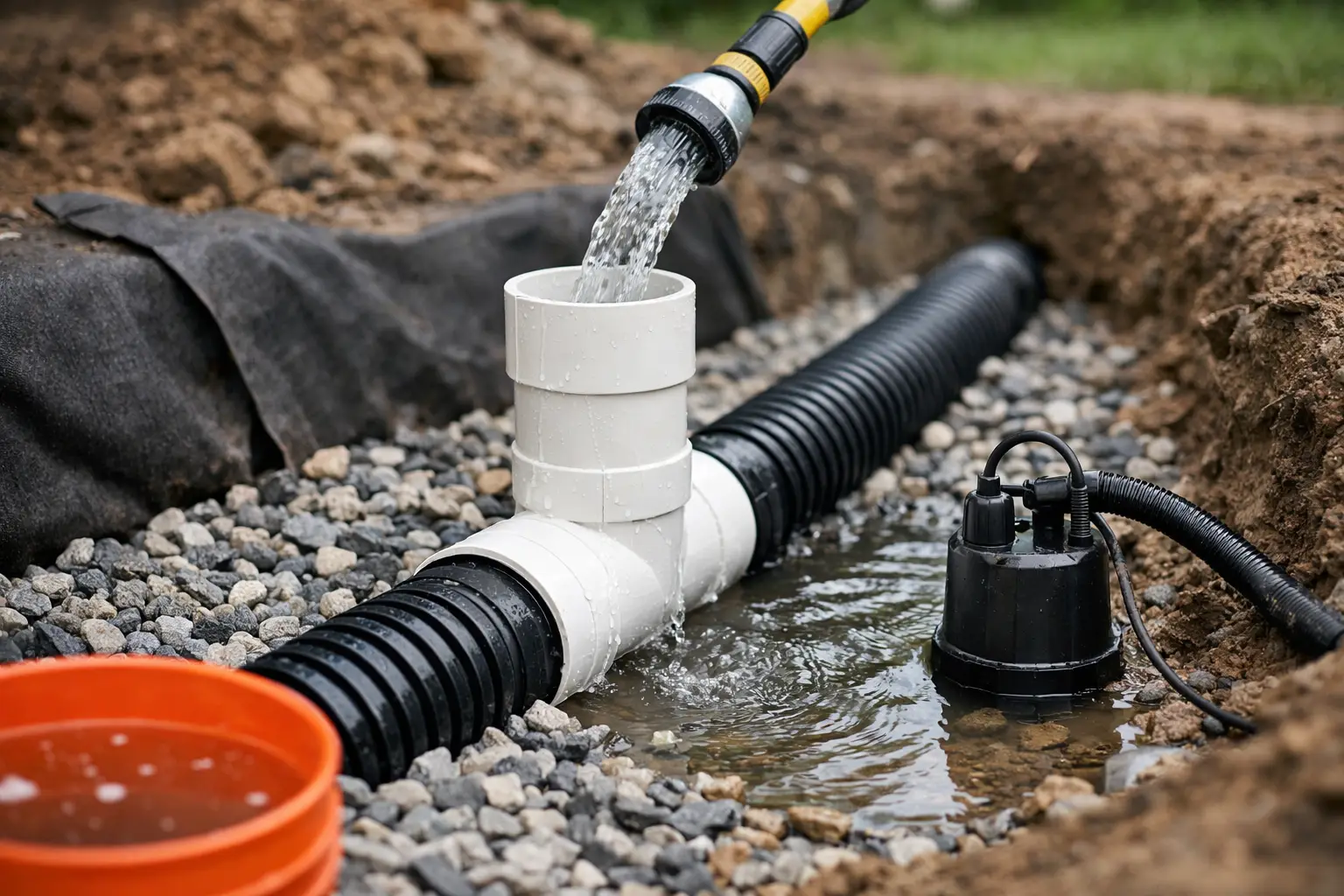
If the system is badly blocked, it may need to be cleared first to allow an accurate inspection. There is no point trying to assess pipe condition through a mass of debris or standing waste. This is where proper diagnosis matters. A rushed inspection can miss the real cause of the problem.
Once the survey is complete, the footage is reviewed and turned into a written report. For mortgage-related matters, the wording needs to be clear, factual and suitable for third-party review. Lenders and solicitors do not want guesswork.
Common issues that show up in reports
Some faults are more common than others. In the West Midlands, older clay pipework, mature trees and ground movement can all play a part. Root ingress is a regular finding, especially where joints have opened over time. Cracks and displaced joints are also common in ageing systems.
Another issue is poor historic repairs. It is not unusual to find patch jobs that have not dealt with the cause of the problem, leading to repeat blockages and ongoing deterioration. In properties that have had extensions or layout changes, incorrect connections or awkward pipe runs can also appear.
Not every issue is a deal breaker. Some defects are manageable and can be repaired without major disruption, especially with modern no-dig methods such as CIPP relining. The important part is understanding what the defect is, how urgent it is and what it is likely to cost to put right.
Will a bad drainage report stop the mortgage?
Sometimes, but not always. It depends on the severity of the findings and the lender’s requirements. Minor defects or routine maintenance issues are unlikely to derail a purchase on their own. More serious structural problems may lead to further questions, a retention, or a request for repairs before funds are released.
This is where a detailed and honest report helps. If the issue is clearly identified and a sensible repair solution is available, the lender may be satisfied that the risk is understood and manageable. If the report is vague, incomplete or contradictory, it can create more delays than the defect itself.
For buyers, a drainage report can also be a negotiating tool. If significant repairs are needed, you may be able to renegotiate the sale price or ask the seller to address the issue before exchange. Better to know that up front than inherit the problem later.
Choosing the right company for the job
If the report is being used for a mortgage application, accuracy matters more than speed alone. You need a drainage specialist with the right equipment, experience and reporting standard to inspect the system properly and explain the findings in plain English.
Look for a company that handles drainage work day in, day out rather than treating surveys as a side service. Practical repair knowledge matters because it helps separate serious structural defects from issues that are relatively straightforward to resolve. It also means any recommendations are more likely to be grounded in real-world repair options, not guesswork.
A local firm can often help move things along faster, especially when purchase deadlines are tight. For property buyers and owners across Wolverhampton and the wider region, West Midlands Drainage regularly deals with CCTV drain surveys, fault diagnosis and repair recommendations that stand up to scrutiny.
Before you commit to a property
A house can look fine from the front drive and still have serious drainage defects underground. That is the reality. Most drains stay out of sight until they block, collapse or start causing damage, and by then the repair bill is yours.
If a lender has requested a drainage report, treat it as useful information rather than a nuisance. It gives you a clearer view of the property, helps avoid nasty surprises and puts you in a stronger position to make the right call. When you are about to take on a mortgage, knowing what sits beneath the surface is just common sense.