A cracked underground drain does not automatically mean your drive, patio or garden has to be dug up. A cured in place pipe liner can create a new pipe inside the damaged one, sealing cracks, displaced joints and small areas of root ingress with far less disruption than a conventional excavation repair.
For homeowners, landlords and commercial property managers, that can make a major difference. But relining is not a cure-all. The right answer depends on what a CCTV drain survey finds, how badly the pipe has failed and whether the drain can first be cleaned and prepared properly.
What is a cured in place pipe liner?
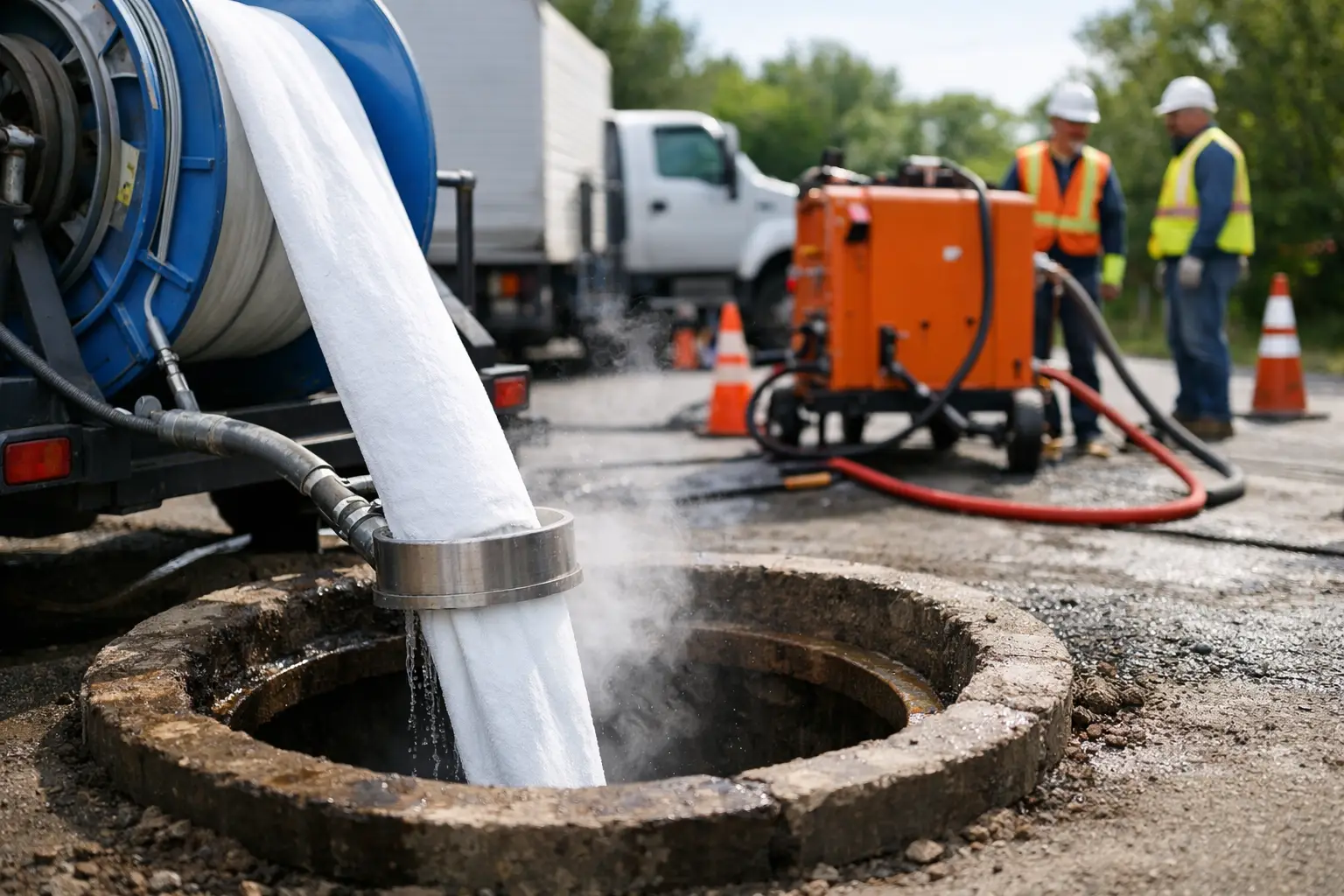
Cured-in-place pipe lining, usually called CIPP relining, is a no-dig drain repair method. A flexible liner made from felt or fibreglass is saturated with a specialist resin, installed within the existing pipe and then inflated or held tightly in position while the resin cures.
Once hardened, the liner forms a tough, watertight pipe within the old drain. It follows the route of the original pipework, including bends where suitable, and closes off defects that were allowing wastewater to escape or roots to enter.
The finished liner slightly reduces the internal diameter of the drain, but this is normally minimal. In a correctly specified installation, it does not create a practical flow problem. The greater concern is whether the original pipe is still structurally sound enough to support a liner.
When pipe relining is the sensible repair
Relining is often a strong option where a drain has localised cracks, open joints, minor fractures or root intrusion. These faults can cause recurring blockages, foul smells, damp ground and wash-away around the pipe. Left alone, a small defect can develop into a larger collapse.
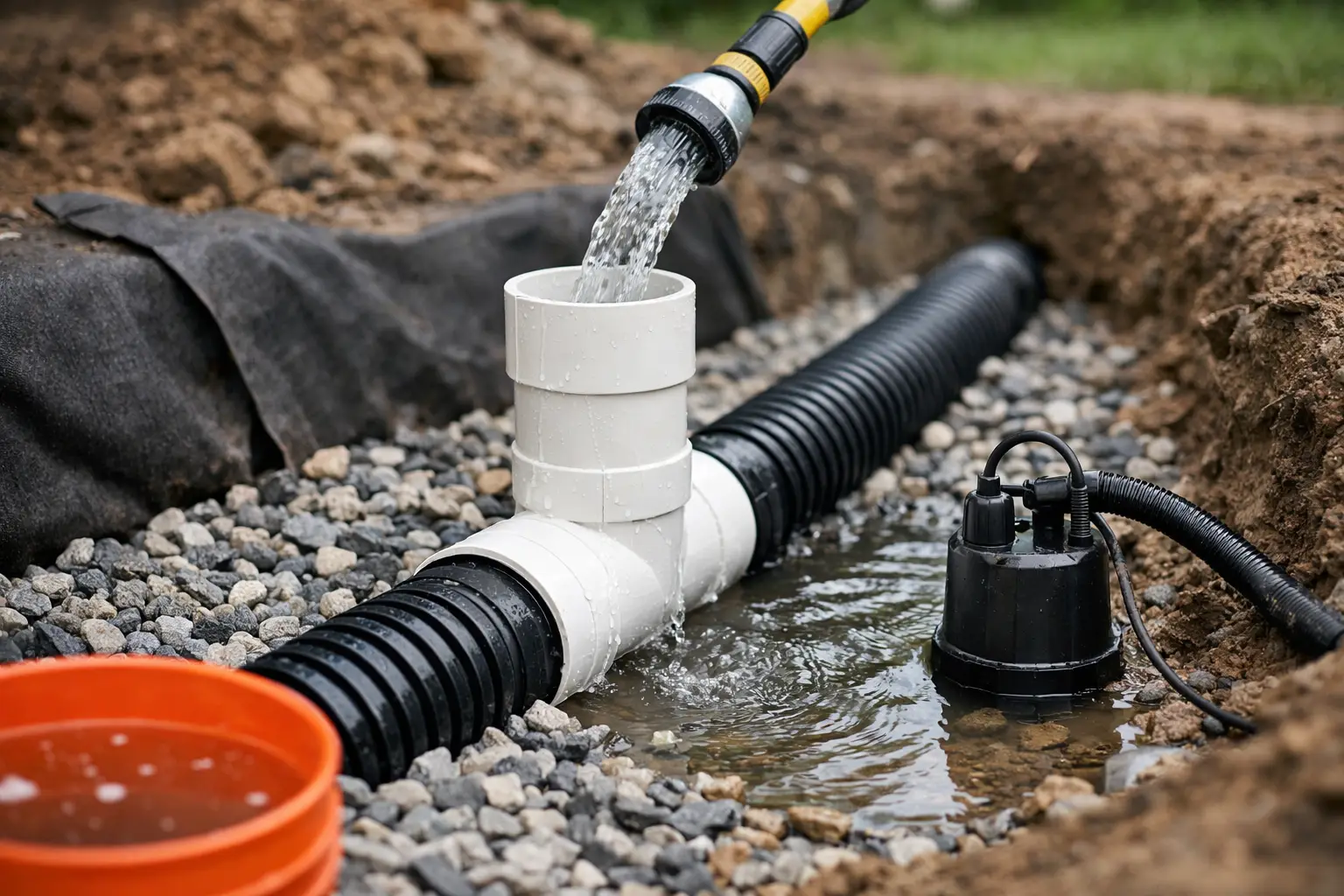
It is particularly useful where excavation would mean lifting block paving, breaking through a concrete floor, disturbing a landscaped garden or closing part of a busy commercial site. Instead of digging down along the whole affected run, engineers can usually work from existing access chambers.
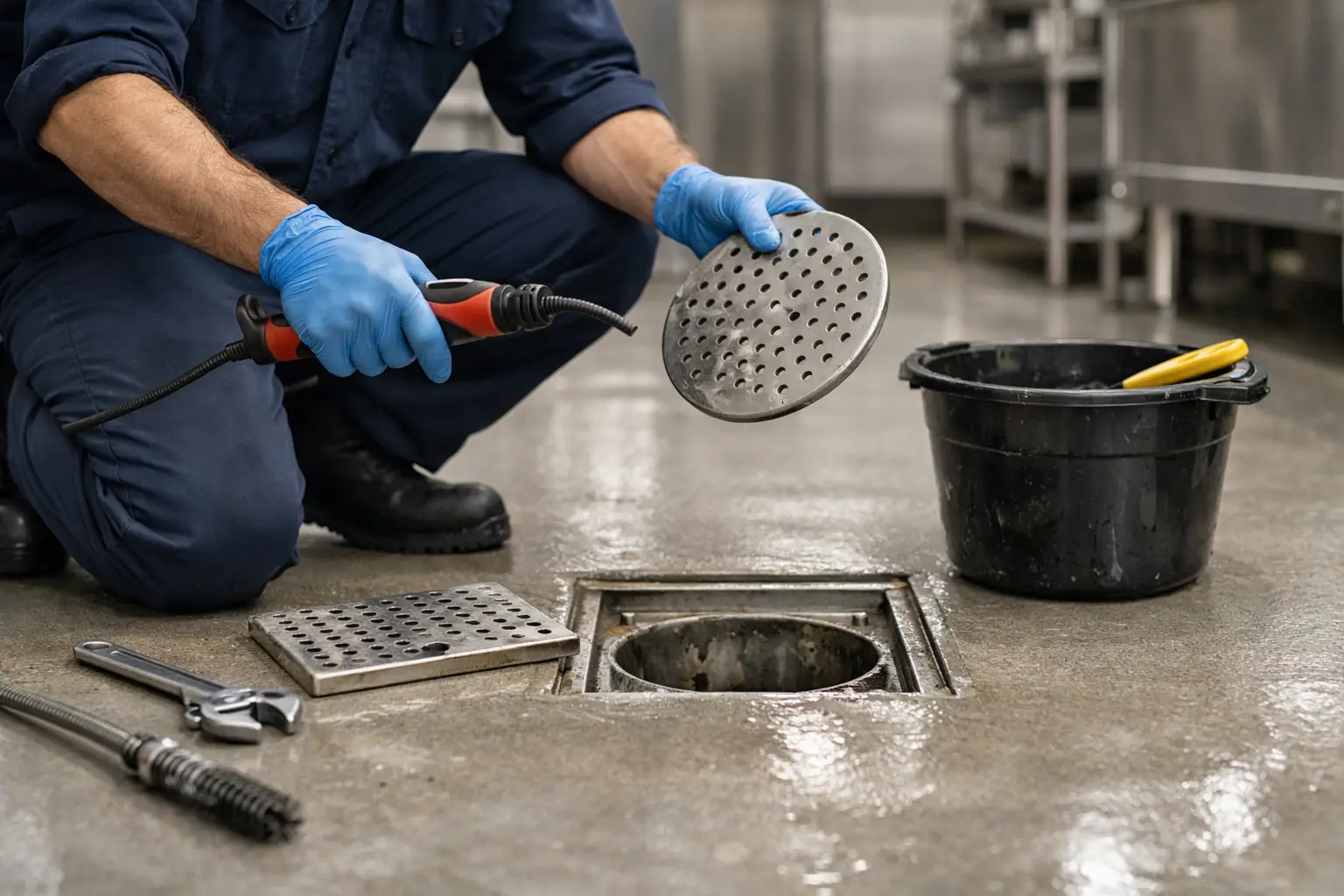
A drain may be a candidate for lining if the CCTV survey shows that it is still broadly in shape and has a clear route through it. The team will normally clean the pipe with high-pressure water jetting first, removing scale, silt, grease, roots and debris. This preparation matters. A liner installed over heavy deposits or loose material is not a proper repair.
For a short, isolated defect, a patch liner may be enough. This is a smaller section of resin liner placed only over the damaged area. Where several joints are leaking or the drain has repeated defects along a run, a full-length liner can offer better long-term value.
How a cured in place pipe liner is installed
The work should start with diagnosis, not an assumption. A CCTV survey identifies the pipe size, depth, route, material and fault type. It also confirms whether there are branch connections, sharp bends or other features that affect the installation method.
After jetting and cleaning, the engineer measures the drain accurately and prepares a liner to match. The resin-impregnated liner is then inserted into the pipe, either by pulling it through or inverting it using air or water pressure. A calibration tube or packer holds it firmly against the inside wall of the existing drain.
The curing process depends on the system and site conditions. Some resins cure at ambient temperature, while others are activated with hot water, steam or UV light. The aim is the same: to create a continuous, hard-wearing new inner surface that is properly bonded to the host pipe.
Once cured, the equipment is removed and the drain is checked again by CCTV. If the liner covers side connections, these are reopened with specialist cutting equipment. A final camera inspection should show a clear, smooth repair and confirm that water can flow as intended.
What relining can repair – and what it cannot
A cured in place pipe liner is designed to repair many common drainage faults, including cracked clay pipes, leaking joints, root ingress and small holes caused by age or ground movement. It can also be useful where an older drain is starting to deteriorate but has not yet collapsed.
However, a liner cannot make up for a pipe that has completely lost its shape. If the drain is severely crushed, badly displaced, collapsed or holding a substantial belly due to poor ground support, excavation may be the more reliable option. Lining over a major obstruction or deformation simply hides a problem rather than correcting it.
Drain falls also need careful consideration. Relining does not alter the gradient of the existing pipe. If wastewater is backing up because the drain was installed with an inadequate fall, or because the pipe has sunk significantly, a new section of pipework may be required.
This is why a camera survey is not an optional extra. It prevents customers from paying for a repair that is unsuitable for the condition of their drainage system.
The practical benefits for property owners
The biggest advantage is reduced disruption. A no-dig repair can avoid reinstatement work to paths, driveways, lawns and internal floors. That can reduce the overall cost, but more importantly, it limits the mess and downtime associated with a traditional excavation.
Relining can also be quicker. The exact timescale depends on the length and condition of the drain, access arrangements and curing method, but many straightforward lining jobs are completed far faster than a dig-and-replace repair. This is valuable for landlords dealing with occupied homes and businesses that cannot afford lengthy access restrictions.
The repair is also watertight when installed correctly. That helps stop roots returning through open joints and prevents foul water from leaking into surrounding ground. For properties with recurring blockages in the same area, repairing the actual defect is far more sensible than repeatedly paying for emergency clearance.
There are trade-offs. Specialist materials and equipment mean lining is not always the cheapest quote for a very short, easily accessible repair. If a pipe is shallow beneath soft ground with no hard surfaces above it, excavation may be straightforward and cost-effective. A reputable drainage contractor should explain both routes honestly.
Signs you may need a drain survey and repair
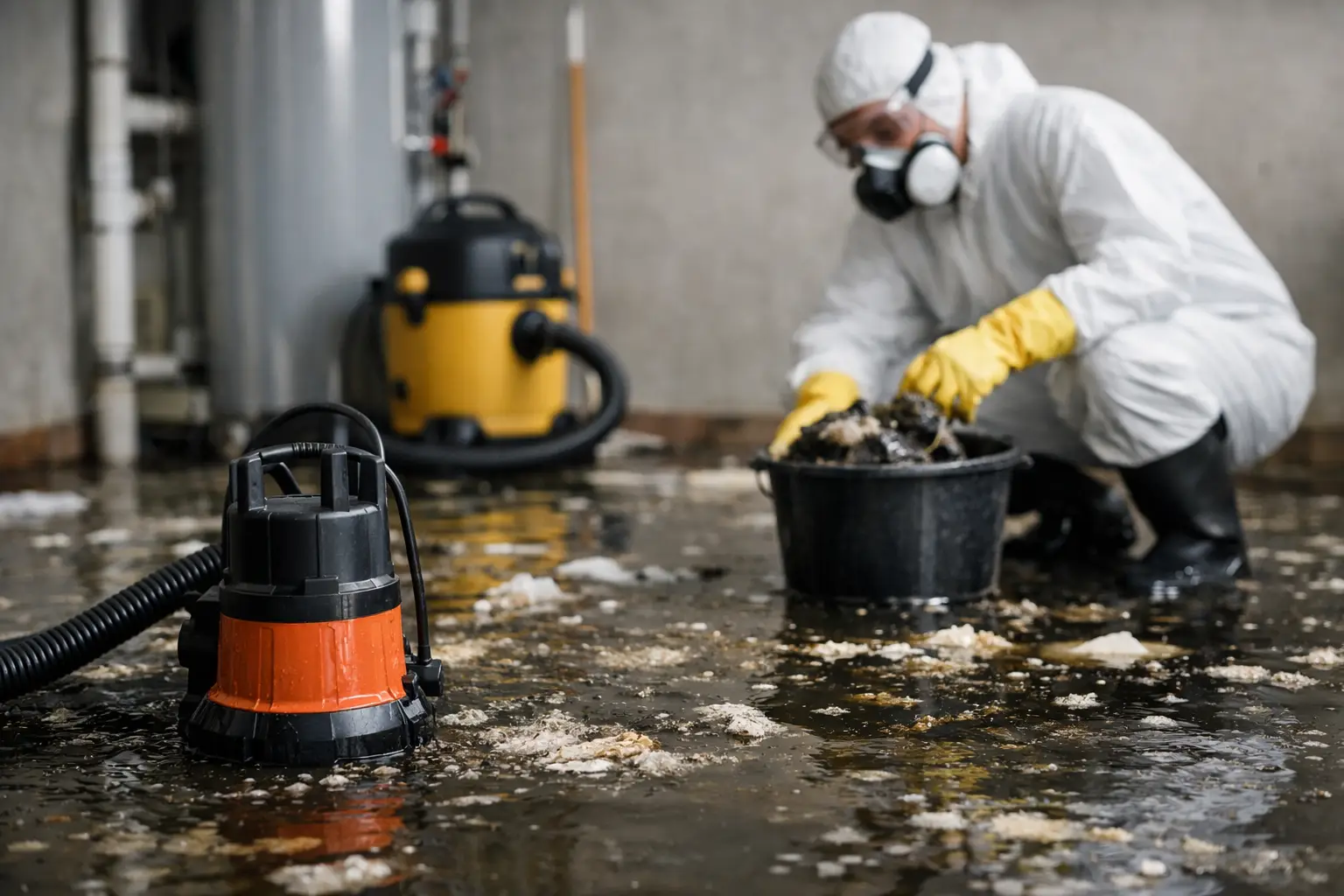
Recurring blockages are the clearest warning sign, especially if the same toilet, gully or external drain repeatedly backs up after being cleared. Water escaping from a damaged pipe can attract roots and bring soil into the drain, creating a cycle of blockages that jetting alone will not solve.
Other signs include persistent drain odours, slow drainage across several fixtures, wet patches or sinking ground near a drain route, and unexplained damp around an external wall. In commercial premises, regular toilet blockages, kitchen drainage problems or foul smells near inspection chambers should be investigated promptly.
A drain survey is also worth arranging before buying an older property, planning an extension or making an insurance claim for suspected underground damage. It provides evidence of the pipe condition rather than relying on guesswork.
Choosing a contractor for CIPP relining
The quality of the result depends heavily on the survey, cleaning and installation process. Ask whether the contractor will carry out a CCTV inspection before and after the work, how they will remove roots or deposits, and whether they can explain why lining is suitable in your case.
You should also expect clear pricing that sets out the scope of repair. Drain diameter, liner length, access, the number of connections and the condition of the pipe can all affect the cost. A vague price before anyone has inspected the drain is rarely a good sign.
For customers across Wolverhampton and the wider West Midlands, West Midlands Drainage takes a diagnosis-led approach: inspect the fault, explain the available repair options, then carry out work that addresses the cause rather than offering a temporary fix. Written guarantees and a clear final CCTV record give customers useful evidence of what has been repaired.
If a drain keeps blocking, do not assume another clearance is the answer. A proper camera survey can show whether a cured in place pipe liner will protect the pipe for the long term, or whether excavation is the honest and safer repair.