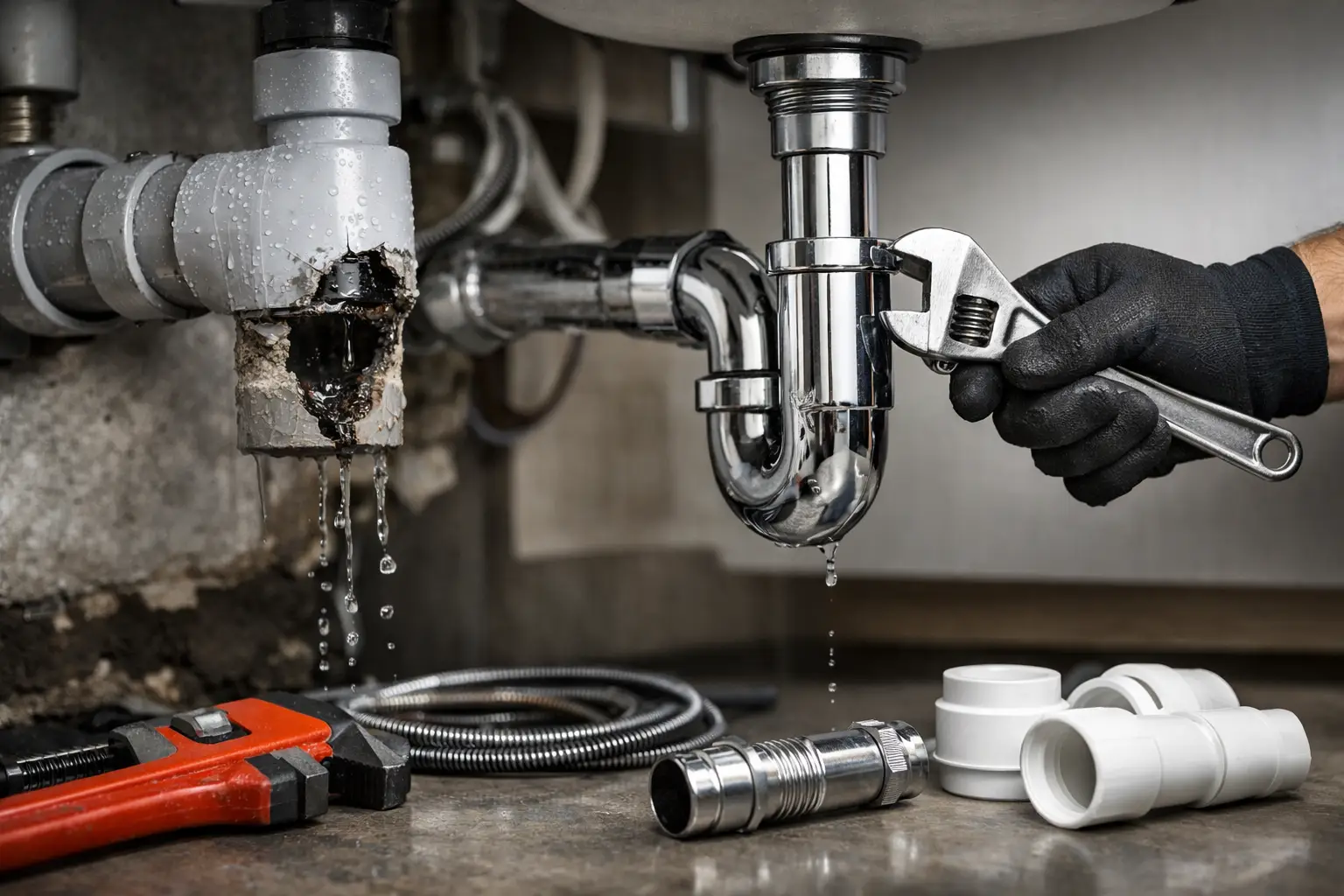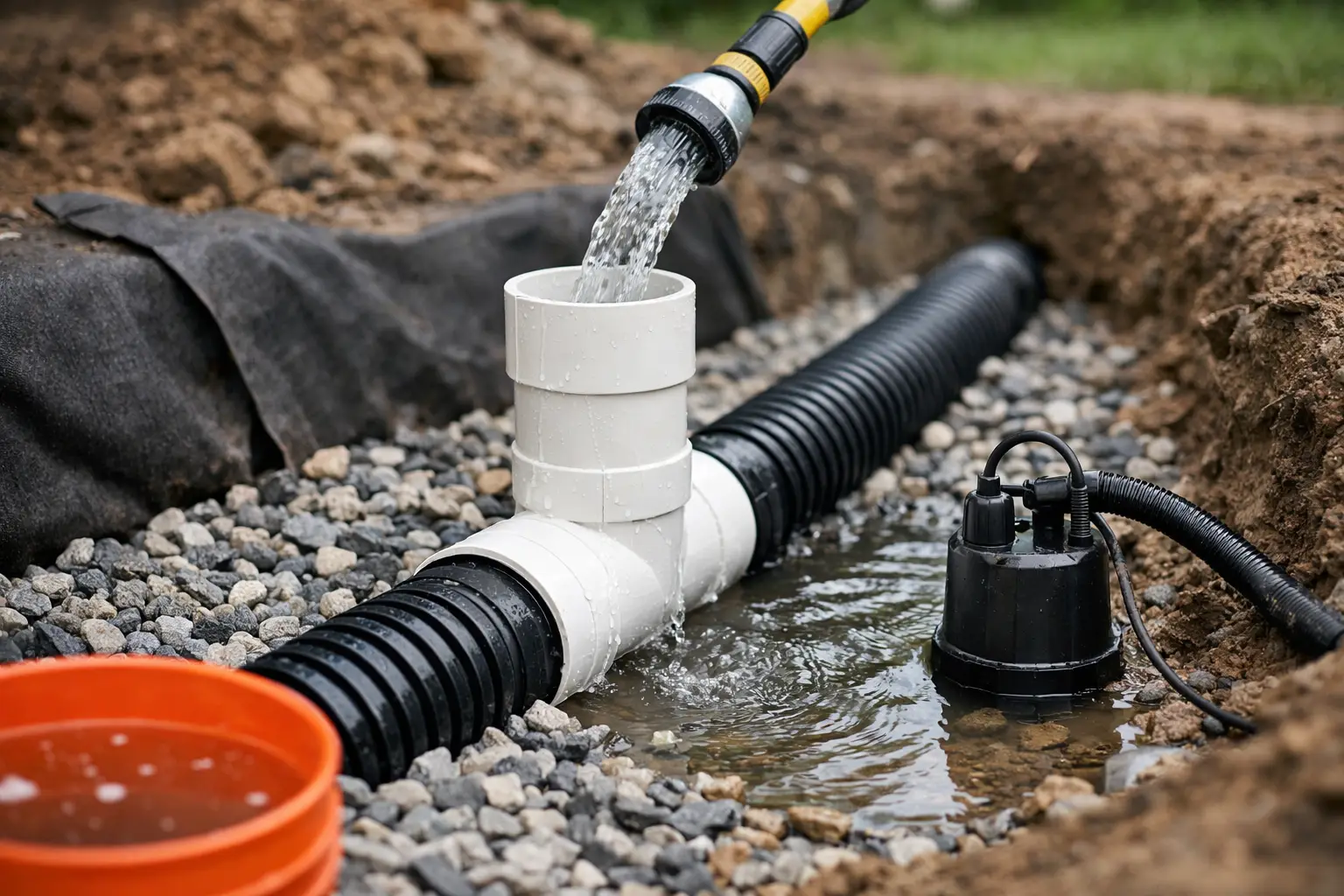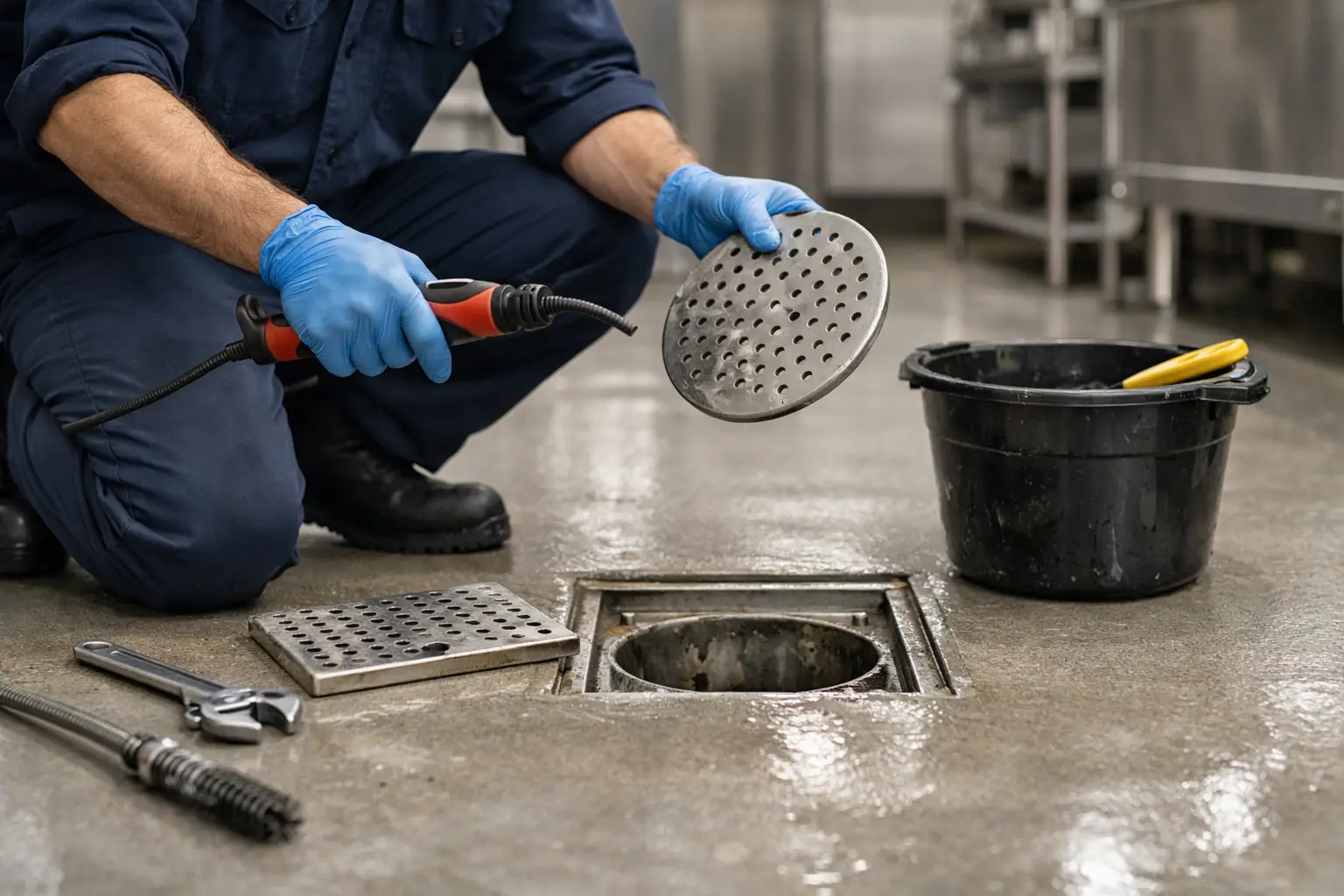
A drain that keeps backing up is rarely a one-off. If the same gully overflows after rain, the toilet is slow to clear, or bad smells keep returning, there is usually a fault in the pipework that needs more than another quick unblock. The best drain repair options depend on what is actually wrong underground, how bad the damage is, and whether the goal is a fast repair, a lower-cost fix, or a long-term solution.
That is why proper diagnosis matters first. Guesswork is what leads to repeat call-outs, wasted money, and repairs that do not last. A blocked drain can be straightforward, but a cracked pipe, root ingress, displaced joint or partial collapse needs a repair method that matches the condition of the line.
How to choose the best drain repair options
The right repair is not always the biggest job, and it is not always the cheapest either. A small fracture in an otherwise sound pipe may be sorted without excavation. A drain that has dropped, collapsed or been badly crushed usually needs a more involved repair. The key is to understand the pipe condition, the pipe material, access to the affected section, and whether there are nearby buildings, paving or landscaped areas that make digging disruptive.
In most cases, the starting point is a CCTV drain survey. This shows the exact location and nature of the problem, whether that is root ingress, scale build-up, open joints, corrosion, fractures or a complete collapse. It also helps identify whether there is one isolated defect or a wider issue affecting several sections of the system.
For homeowners and landlords, this matters because the repair route affects cost, timescale and disruption. For commercial sites, it also affects downtime and health and safety. A proper survey gives you something solid to base the decision on, rather than paying for a repair that only deals with the symptom.
CCTV surveys before any drain repair
Before talking about repair methods, it is worth being clear on why camera inspection is so important. Many drainage faults present in the same way at the surface. Slow drainage, repeated blockages and foul odours can all come from debris build-up, but they can also point to cracks, deformed pipes or root intrusion further down the line.
A CCTV survey pinpoints the issue and records it. That means the repair plan can be specific. If the pipe only needs cleaning and a localised patch, there is no reason to excavate half a driveway. If the line has multiple failures along its run, a temporary repair is unlikely to be good value. Diagnosis first keeps the job honest.
Drain cleaning and root removal
Not every problem starts with a broken pipe. In some cases, the first and best repair step is to remove the obstruction properly so the condition of the drain can be assessed. High-pressure water jetting is often used to clear fat, silt, wipes, scale and other debris, while specialist cutting heads can remove roots that have entered through joints or cracks.
This is not always the final fix. If roots are getting in, the pipe has a weak point somewhere. But clearing the line is often necessary before a repair can be carried out, especially if a liner needs to be installed or the camera needs a clear view.
Where the pipe structure is still sound and the issue is mostly build-up, a professional clean may be enough. Where there is underlying damage, cleaning is the preparation work rather than the solution.
CIPP relining as one of the best drain repair options
For many damaged drains, cured-in-place pipe relining is one of the best drain repair options because it avoids major excavation. In simple terms, a resin liner is inserted into the existing drain and cured in place to form a new pipe within the old one. It is commonly used for cracks, small fractures, leaking joints and root ingress where the pipe has not completely collapsed.
The big advantage is reduced disruption. If the damaged section runs under a driveway, patio, extension or landscaped garden, relining can often restore the drain without digging up the surface above. That can make it faster and, in some situations, more cost-effective overall even if the upfront repair price is not the cheapest on paper.
It does come with limits. Relining is not suitable for every drain. If the pipe is badly misshapen, fully collapsed, or has a major offset at a joint, the liner may not be viable. It also slightly reduces the internal diameter of the pipe, although in most domestic systems this is not a practical issue when the repair is done correctly.
For customers who want a durable no-dig solution with less mess and less reinstatement work, relining is often the right middle ground between a basic patch and a full excavation.
Patch lining for localised defects
If the damage is small and confined to one spot, patch lining may be the more sensible option. This is a targeted repair used for isolated cracks, open joints or a local root ingress point rather than an entire pipe run. A short liner is placed only where the defect exists.
This can keep costs down while still giving a proper structural repair to the failed section. It is a good option where the rest of the drain is in good shape and there is no sign of more widespread deterioration.
The trade-off is straightforward. A patch repair addresses the defect it covers, but it does not renew the whole line. If the drain is ageing and showing multiple faults, patching one area may only delay further work. That is why the survey findings matter so much.
Excavation and full drain replacement
Sometimes digging is the right answer. If a drain has collapsed, dropped out of line, suffered severe deformation or has repeated failures across a longer section, excavation and replacement is usually the most reliable route. It is more disruptive than no-dig repair, but there are situations where anything else would be a false economy.
A proper excavation repair removes the damaged section and replaces it with new pipework installed to the correct line and fall. This is especially important where poor installation was the original problem, or where the pipe has been crushed by ground movement, traffic loading or building work.
For older properties, it can also be the chance to correct long-standing issues such as misaligned joints or unsuitable materials. The obvious downside is the extra labour and reinstatement, particularly if the drain sits beneath concrete, tarmac or decorative surfaces. Even so, when the structure has failed badly, replacement is often the option that gives the most confidence.
When local repairs are enough and when they are not
One of the most common questions is whether a local repair will do or whether the whole section needs replacing. The honest answer is that it depends on the age and condition of the system.
If there is one isolated defect in an otherwise healthy drain, a patch liner or local excavation can be exactly the right call. If the survey shows several cracks, root ingress in multiple places and joints starting to open up, repeating small repairs can become more expensive over time than dealing with the wider problem properly.
This is where customers benefit from straightforward advice. A good contractor should explain what must be done now, what can wait, and what is likely to become a repeat issue if left alone. The aim is not to upsell the biggest job. It is to match the repair to the condition of the drain.
Cost, disruption and long-term value
People often focus on the immediate price, which is understandable, especially when drainage trouble appears out of nowhere. But the cheapest quote is not always the lowest overall cost. If a repair does not deal with the root cause, you may pay again for more blockages, more call-outs and more damage.
The best drain repair options are usually the ones that balance durability, access and disruption. Relining may save money on reinstatement if it avoids lifting a driveway. Excavation may cost more upfront but be the only sensible solution for a collapsed run. A patch repair may be good value if the problem is truly isolated.
For landlords and commercial property operators, there is also the cost of inconvenience to consider. Repeated drainage failures can mean unhappy tenants, interrupted operations and added management time. A repair that lasts is usually the better investment.
What to ask before approving drain repairs
Before any work goes ahead, ask what the fault is, where it is, and how the repair method was chosen. Ask whether the issue is isolated or part of a wider problem. Ask what level of disruption to expect and whether the repair is guaranteed.
You do not need a technical lecture. You do need clear answers in plain English. A dependable drainage contractor should be able to show the evidence, explain the options, and recommend the one that makes practical sense for your property.
At West Midlands Drainage, that diagnosis-led approach is what stops a stressful drain problem turning into a repeating one. When the fault is identified properly, the repair decision becomes much simpler.
If your drains keep causing trouble, the best next step is not another temporary fix. It is finding out exactly what is happening underground, then choosing the repair that will still make sense a year from now.