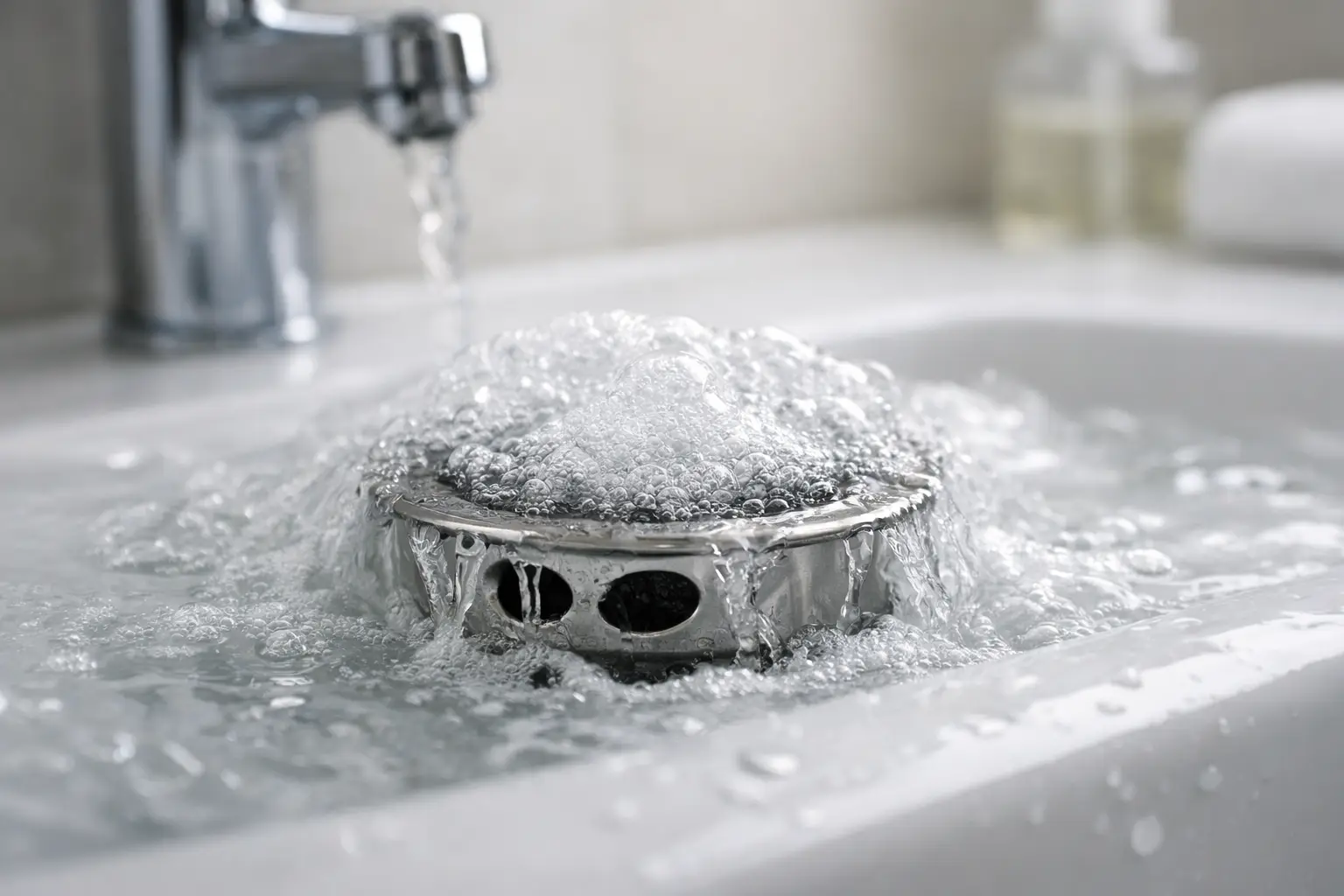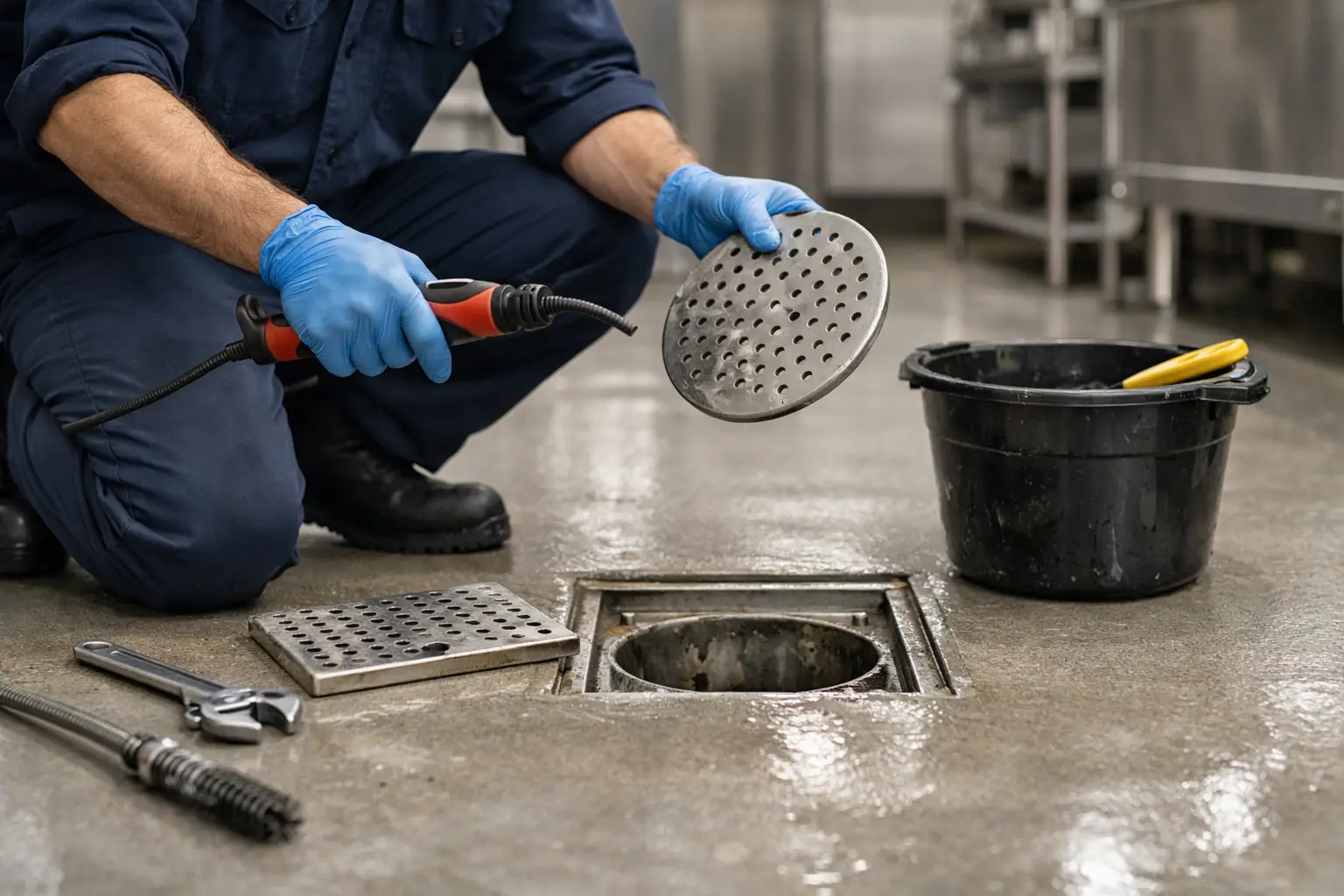
You usually notice it at the worst possible time – water rising around an outside gully, a sink refusing to empty, or foul-smelling waste backing up just as you are getting ready for work. If you are asking, “why is my drain overflowing”, the short answer is that wastewater cannot get away as it should. The more useful answer is that the cause can range from a straightforward blockage to a damaged pipe underground, and the right fix depends on finding the fault properly.
An overflowing drain is never something to ignore. Even if the water drops away after a while, the problem often comes back stronger. What starts as a minor restriction can turn into internal flooding, bad odours, contaminated standing water, and damage to paving, walls or flooring. For landlords and commercial sites, it can also quickly become a hygiene issue.
Why is my drain overflowing outside or indoors?
In most cases, an overflowing drain means there is a blockage or restriction somewhere in the system. Wastewater is trying to pass through the pipework but cannot move at normal speed, so it backs up to the nearest outlet. That might be a manhole, an external gully, a kitchen sink, a toilet, or a floor drain.
The exact location matters. If only one fitting is affected, such as a single sink, the issue may be close to that appliance. If several fixtures are slow, gurgling, or backing up at once, the blockage is more likely to be further down the line. Outside drains overflowing after you run taps, flush toilets or use the washing machine often point to a downstream restriction in the main drain serving the property.
Heavy rainfall can make matters worse, but rain is not always the real cause. A drain that overflows in wet weather may already be partially blocked, with rainwater simply pushing it past the tipping point.
The most common causes of an overflowing drain
The cause is not always glamorous, but it is usually predictable. Fat, oil and grease are a major culprit in kitchen waste lines. They may go down warm as liquid, then cool and harden inside the pipe, catching food debris and narrowing the passage over time.
In bathrooms, hair, soap residue and wipes are frequent offenders. Even products labelled flushable can create trouble once they combine with grease or scale in the drain. Toilets and soil pipes often block because something has been put down the system that should never have gone there in the first place.
Outside, leaves, silt and general debris can build up in gullies and chambers. Tree roots are another common issue, especially in older pipework. Roots are drawn to moisture and can enter through tiny fractures or loose joints, then expand inside the drain and trap waste.
There are also cases where the drain is not blocked in the usual sense but damaged. Cracked pipes, collapsed sections, poor installation falls, displaced joints and old pipe deformation can all stop wastewater flowing properly. This is where a simple rod-through may clear a symptom without solving the actual problem.
Signs the problem is deeper than a simple blockage
Some overflows are straightforward. Others are a warning that the drainage system has a structural defect. If the same drain keeps backing up after being cleared, that is a red flag. So are persistent smells, sunken ground near the line of the drain, damp patches outside, or toilets and sinks that gurgle regularly.
If you lift a chamber cover and see water sitting high in the pipe after usage has stopped, that tells you the drain is not clearing as it should. If multiple properties share a line, there can also be a blockage further along the network, which affects more than one building.
For property buyers and landlords, recurring overflow matters for another reason. It can indicate an inherited issue in older drainage runs – one that may need proper repair rather than repeat call-outs. A CCTV drain survey is often the quickest way to separate a one-off blockage from a more expensive underground fault.
What you can do safely before calling a drainage specialist
There are a few sensible checks you can make without risking injury or making the issue worse. First, stop using water where possible. Running taps, flushing toilets or using appliances will only add more volume to a system that is already struggling.
If the overflow is outside, check whether the gully or visible drain opening is packed with leaves, silt or surface debris. Sometimes removing the top layer carefully is enough to help water disperse. Indoors, a basic plunger may shift a localised blockage in a sink or basin if the obstruction is close to the waste.
That said, there is a limit to what household methods can achieve. Chemical cleaners are often poor value and can damage pipework or make later work unpleasant and unsafe. Drain rods also need care. Used wrongly, they can compact a blockage, disconnect joints, or damage older pipe runs.
If sewage is backing up, if water is entering the property, or if more than one drain is affected, it is best to stop experimenting and get the system checked properly.
How professionals diagnose why your drain is overflowing
A proper drainage contractor should not guess. The first step is to understand the pattern of the problem – what is overflowing, when it happens, whether it is recurring, and whether the issue affects one point or several.
For straightforward blockages, high-pressure water jetting is often the most effective solution. It does more than punch a hole through the obstruction. Done correctly, it cleans the pipe wall, removes grease, scale, silt and loose debris, and restores proper flow far better than a temporary poke at the blockage.
Where the symptoms suggest something more than a blockage, CCTV inspection comes into its own. A camera survey shows whether there are roots, cracks, collapsed sections, displaced joints or standing water caused by poor falls. That matters because the right repair for a root ingress is not the same as the right repair for a fractured pipe.
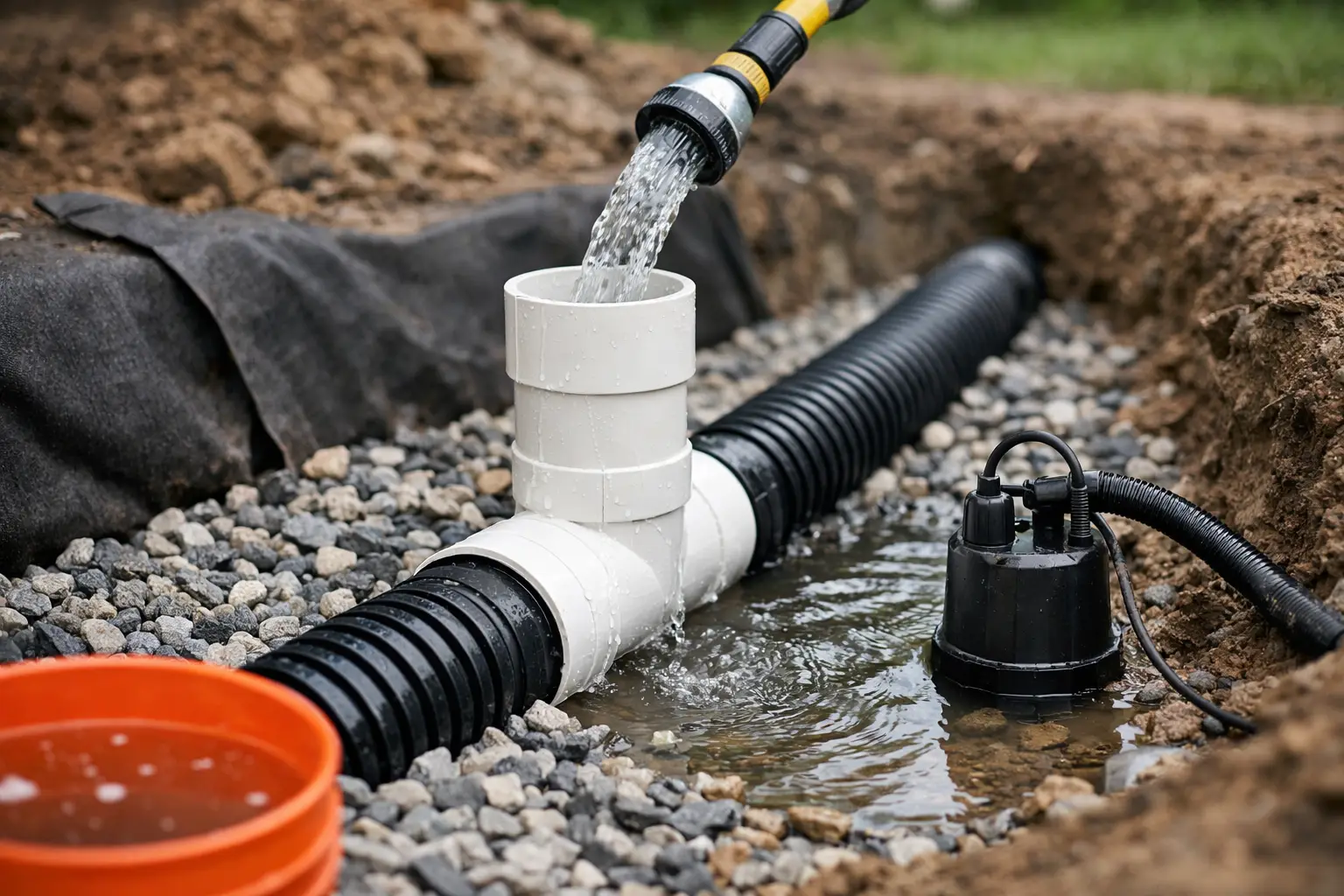
In many cases, repairs no longer mean major excavation. If the pipe is structurally suitable, no-dig lining can seal defects from within and restore the drain with far less disruption than a full dig-up. If the pipe has collapsed or installation is poor, excavation may still be the honest recommendation. Good diagnosis means recommending the repair that suits the condition of the drain, not just the easiest sell.
Why the problem keeps coming back
A drain that overflows repeatedly usually has one of three issues. Either the original blockage was not fully cleared, the real cause was missed, or daily use is continually recreating the problem.
The first is common when a quick fix opens a narrow channel through grease or wipes but leaves most of the build-up in place. Water starts flowing again for a short while, then the restriction closes up and the overflow returns.
The second happens when the drain is cleared but not inspected. If roots, broken joints or a partial collapse are present, waste will keep snagging and the same section will keep blocking.
The third is about usage. Commercial kitchens, rental properties and busy family homes can all put more strain on drainage than people realise. If fats are going down the sink, wipes are being flushed, or outside gullies are left full of debris, even a sound drain can start to struggle.
When to get urgent help
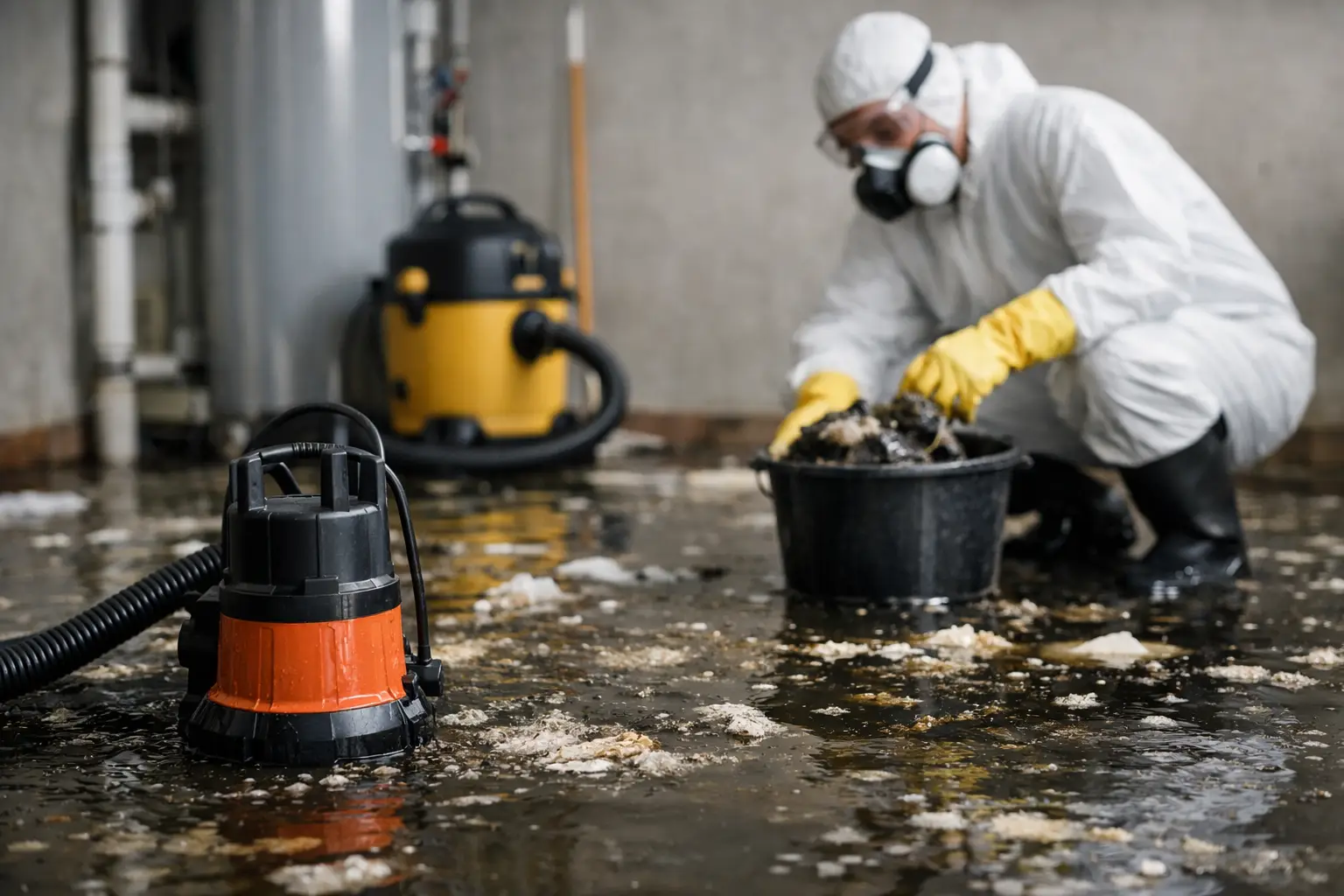
Some overflows can wait a short while for a booked visit. Others need rapid attention. If foul water is backing up into the house, if a toilet is unusable and it is your only one, if a commercial premises has a hygiene risk, or if wastewater is flooding paths, drives or entrances, that is no longer a minor inconvenience.
Fast response matters, but so does doing the job properly. There is not much value in a cheap call-out if the drain blocks again next week. For customers across Wolverhampton and the wider West Midlands, the better option is a service that clears the immediate issue, explains the cause in plain English, and sets out whether any follow-on repair is actually needed.
Preventing another overflow
Prevention is not complicated, but it does require consistency. Keep fats, oils and food waste out of kitchen drains. Avoid flushing wipes, sanitary products and anything other than toilet tissue. Clear leaves and debris from outside gullies, especially in autumn and after heavy weather.
If you have had more than one drainage issue at the property, planned inspection can save money compared with repeat emergencies. This is particularly true for landlords, older homes and commercial premises where downtime and tenant disruption have a real cost. A root-cause approach nearly always works out better than paying repeatedly for short-term relief.
An overflowing drain is stressful, but it is usually fixable once the real cause is identified. The key is not to treat every overflow as “just a blockage”. Sometimes it is. Sometimes it is the first visible sign of damage underground. The sooner that distinction is made, the easier it is to put it right and keep it right.