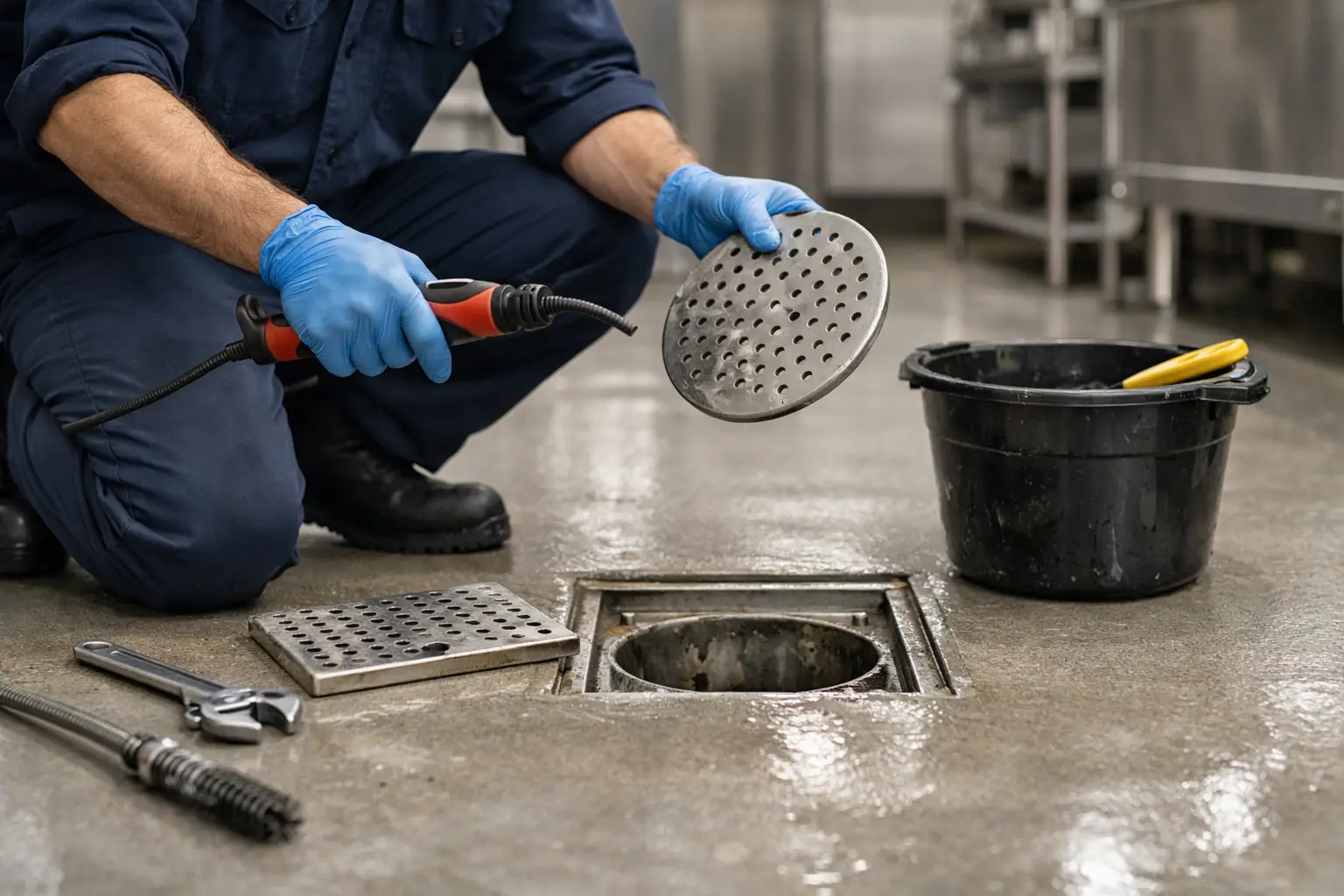
When an outside drain blocks at 10pm, it rarely stays an outside problem for long. Water starts pooling across the yard, gullies back up, foul smells creep towards the house, and before you know it you are worrying about toilets, sinks and whether the issue is spreading underground. If you need 24 hour blocked outside drain help, speed matters, but so does getting the right diagnosis rather than a quick poke at the surface.
Outside drain blockages can look simple from above and still have a more serious cause below ground level. A gully full of standing water might be a straightforward build-up of fat, silt or wipes. It might also be tree root ingress, a collapsed section of pipe, a displaced joint or a shared line under pressure from several properties. That is why the best emergency response is not just about arriving quickly. It is about finding the fault properly and clearing it in a way that lasts.
What a 24 hour blocked outside drain usually means
Most customers call when they see one of three things – water sitting in an external drain that will not drop, wastewater coming back up through a gully, or repeated blockages that keep returning after rain or heavy use. In some cases, the first sign is inside the property. A downstairs toilet may become sluggish, a sink may gurgle, or a washing machine discharge may overflow outside.
The drain itself is only part of the picture. Outside drains collect water and waste from multiple outlets, so a blockage there can affect several parts of the property at once. If the pipework is shared, one problem can also push symptoms across neighbouring buildings. That is why a blocked outside drain is not something to leave overnight and hope for the best.
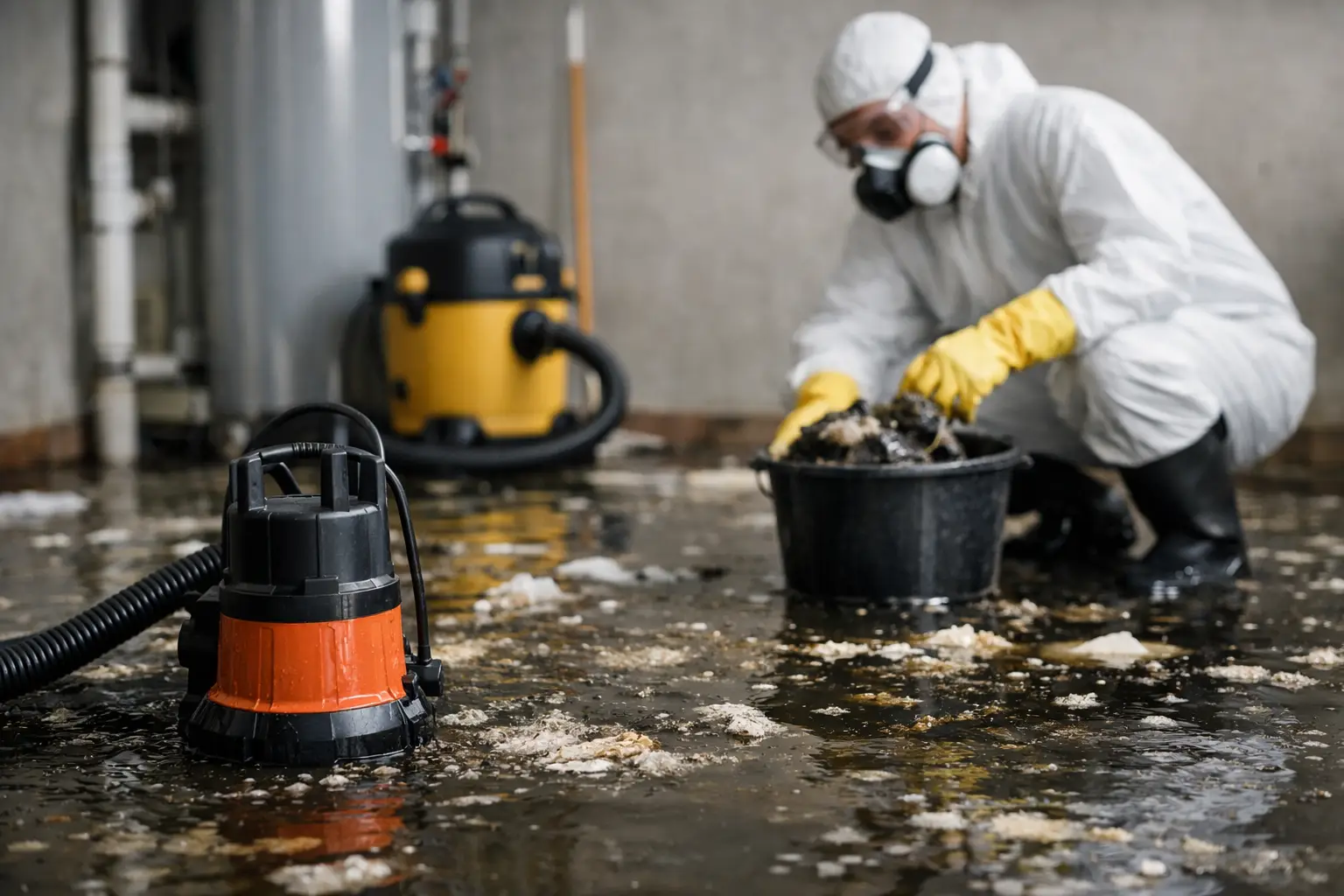
For landlords and commercial premises, the risk goes beyond inconvenience. Standing wastewater creates hygiene issues, access hazards and potential damage to surrounding surfaces. If customers, tenants or staff are on site, the need for a proper 24-hour response becomes even more obvious.
Why outside drains block in the first place
There is no single cause, and that matters because the fix depends on the reason for the blockage. In domestic settings, a lot of outside drain issues start with material building up gradually. Fat and grease from kitchen waste can cool and harden in the line. Wet wipes, sanitary products and excess toilet paper can catch on rough spots in older pipework. Garden gullies often collect leaves, moss, silt and debris, especially after heavy rainfall.
Then there are the faults that no plunger or bottle of drain cleaner will solve. Tree roots are a common issue across the West Midlands, particularly in older areas where pipe joints are more vulnerable. Once roots get into the line, they trap waste and reduce flow. Cracked or collapsed drains create the same result, but with a much higher chance of repeat problems. Poor installation on extensions or altered drainage runs can also leave pipework with bad falls, weak connections or hidden pinch points.
This is where guesswork becomes expensive. If the line is cleared without checking why it blocked, you can end up paying for repeated call-outs while the underlying defect remains in place.
What to do before the engineer arrives
If wastewater is rising, keep use of toilets, sinks, washing machines and dishwashers to an absolute minimum. The more water entering the system, the more likely it is to back up through the lowest outlet. If the blockage appears to affect one property only, that step can reduce overflow until help arrives. If several units or neighbouring properties are involved, it is worth asking whether others are seeing the same issue.
Keep children and pets away from the blocked area. Drain water can contain contaminants, and overflow around paths or patios can become slippery very quickly. If it is safe to do so, lift any nearby items clear of the affected area, especially stored tools, bins or outdoor furniture.
What you should not do is force rods blindly into the drain unless you know the layout and have the right equipment. Done badly, rodding can compact the blockage, damage older pipework or push the problem further down the line. Chemical cleaners are not much use for a serious outside drain blockage either, and they can make later work more unpleasant and potentially more hazardous.
How a proper 24 hour blocked outside drain service works
A good emergency drainage service should do more than arrive quickly and churn the water out. The first job is to assess the symptoms and determine whether the issue is likely to be a straightforward obstruction or a sign of structural damage. Access points, water levels, flow direction and recent property history all help build that picture.
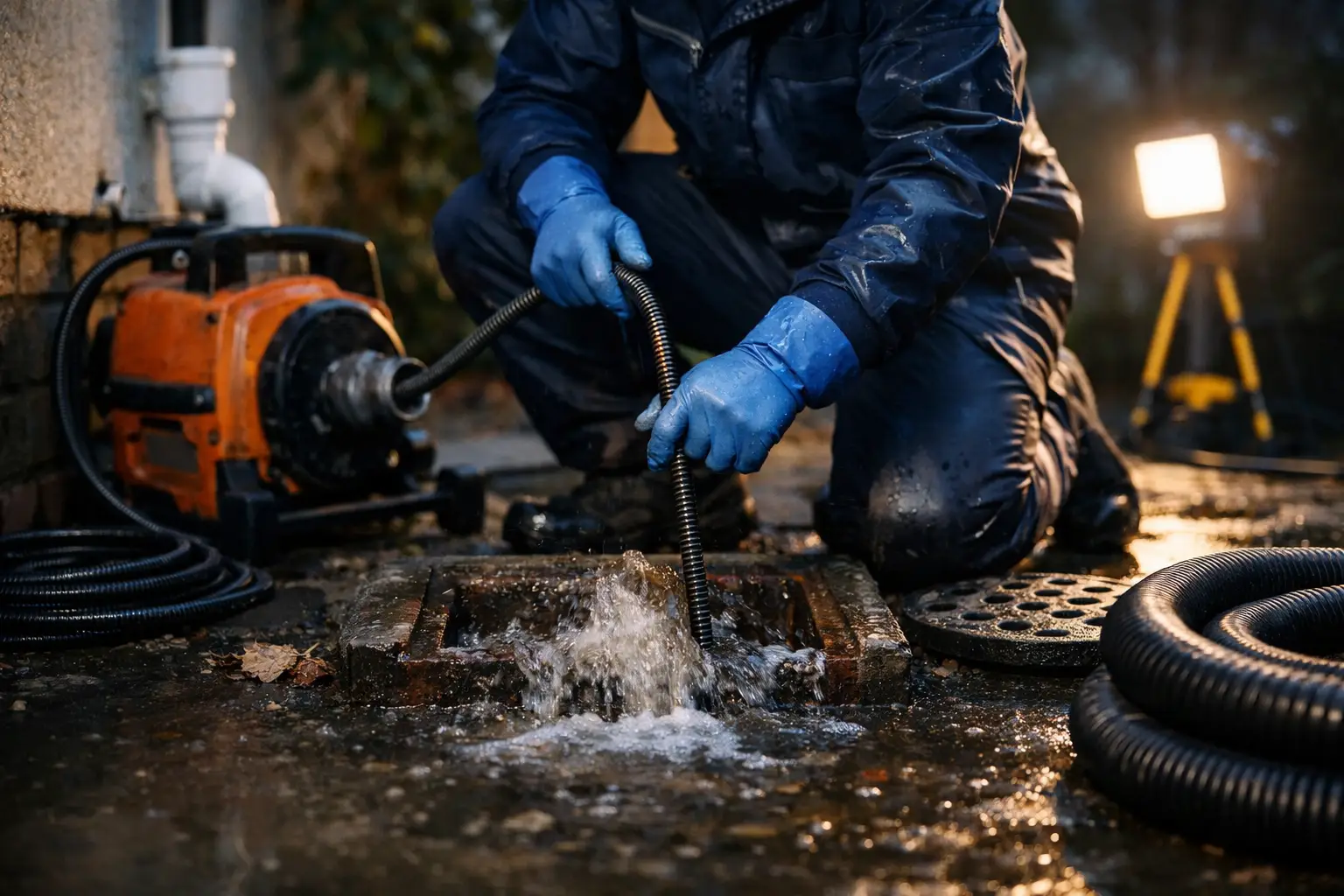
If the blockage is caused by build-up in the line, high-pressure water jetting is often the most effective solution. It clears grease, sludge, wipes and debris far more thoroughly than a basic manual attempt, and it also helps clean the pipe walls rather than leaving residue behind. That matters because a partially cleared drain is often just a repeat visit waiting to happen.
Where there are signs of a deeper fault, a CCTV drain survey may be the sensible next step, sometimes immediately after clearance. This allows the engineer to inspect for root ingress, fractures, displaced joints, scaling or collapse. For customers, that means a clearer explanation of what is actually wrong, what needs doing now, and what can wait if the issue is not yet urgent.
The difference is simple. Emergency attendance gets the situation under control. Proper diagnosis stops it becoming your normal.
When a blockage is really a repair job
Not every blocked drain needs repair work, but some absolutely do. If an outside drain keeps blocking in the same place, if the problem returns shortly after jetting, or if there are signs of ground movement, bad odours and subsidence around the run, a physical defect is likely. In those cases, clearing the line may restore flow for the moment, but it will not solve the root cause.
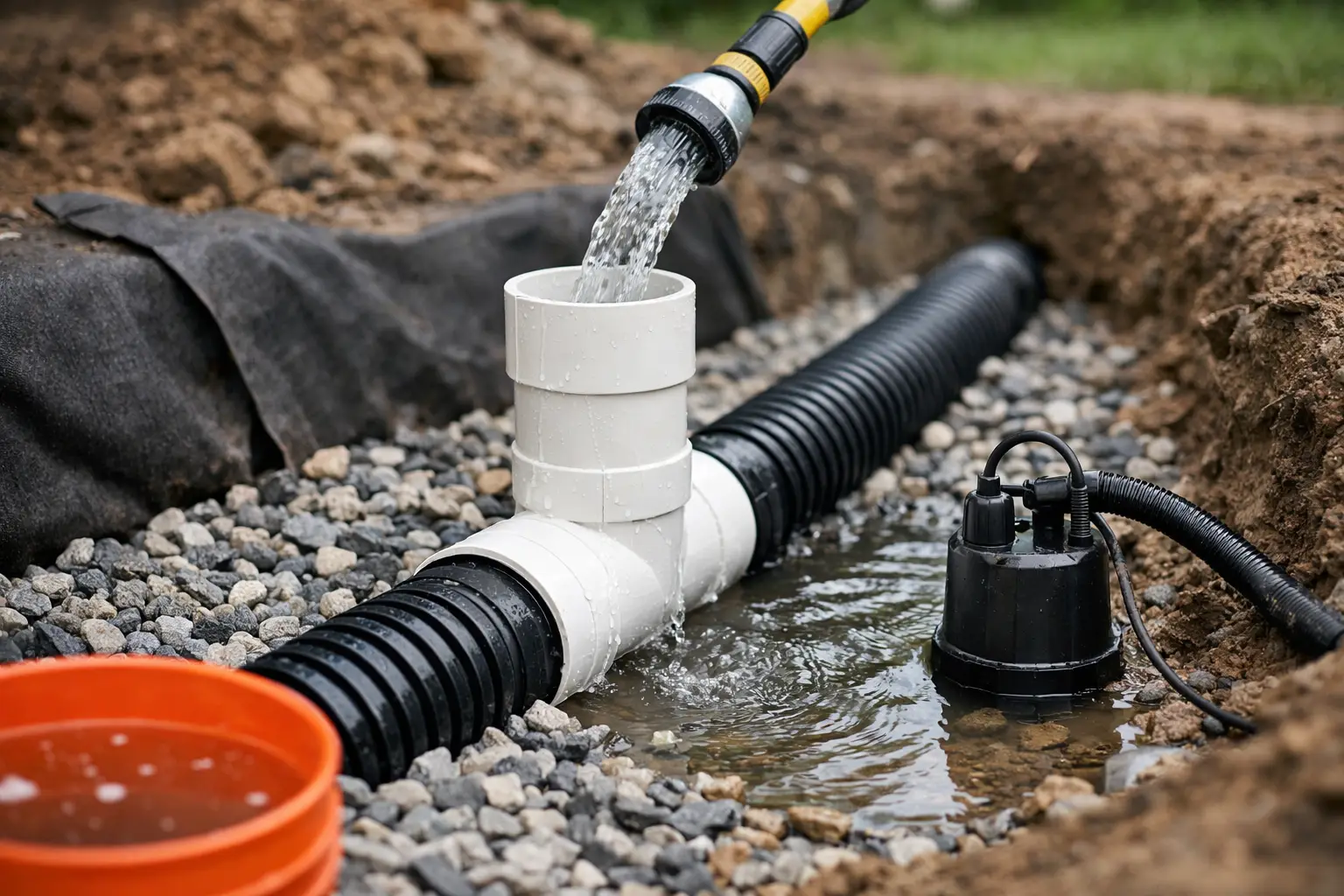
Depending on the condition of the pipe, repair does not always mean excavation. No-dig solutions such as CIPP relining can often restore the drain internally without digging up large sections of drive, patio or landscaped area. That is a major advantage for homeowners who want disruption kept to a minimum, and for commercial sites where access matters.
That said, relining is not right for every drain. If the pipe has fully collapsed or the line has severe deformation, excavation may still be the right answer. Honest drainage advice should tell you which category you are in, not push a one-size-fits-all fix.
Why fast response matters, but honest pricing matters too
Emergency drainage work is stressful because customers are often making decisions under pressure. They want someone out quickly, but they also do not want to be hit with vague pricing, unnecessary work or a temporary fix dressed up as a permanent one.
A dependable 24-hour drainage service should be clear about call-out arrangements, likely next steps and what happens if the issue turns out to be more than a simple blockage. That transparency matters just as much as response time. The right contractor will explain whether the job is likely to need clearance only, further inspection, or repair options after the drain is back in service.
This is particularly important for landlords, managing agents and commercial operators. If you are responsible for multiple occupiers or a trading premises, you need a contractor who can sort the immediate problem and give you a documented basis for the next decision. That may be evidence for planned maintenance, tenant communication, or an insurance-related discussion.
Preventing the next outside drain emergency
Some drain problems arrive out of the blue, especially where older underground pipework is involved. Others give warnings first. Slow drainage, bad smells outside, gullies that hold water after use, or repeated blockages after rainfall all suggest the system needs attention before it turns into an out-of-hours emergency.
Regular maintenance makes sense where properties have a history of trouble, heavy use, mature trees nearby or commercial kitchens producing grease waste. Even a one-off inspection can be worthwhile if you have just moved in, are buying a property, or have inherited drainage that has clearly not been looked after properly.
For many customers, the best result is not just getting the drain unblocked tonight. It is understanding whether this was a one-off event or the first obvious sign of a bigger drainage fault. That is the point where emergency service becomes good property care.
If you are dealing with a blocked outside drain, act early, keep usage down, and get it checked by someone equipped to clear the line and explain the cause. A quick response helps. A proper fix saves far more trouble later.