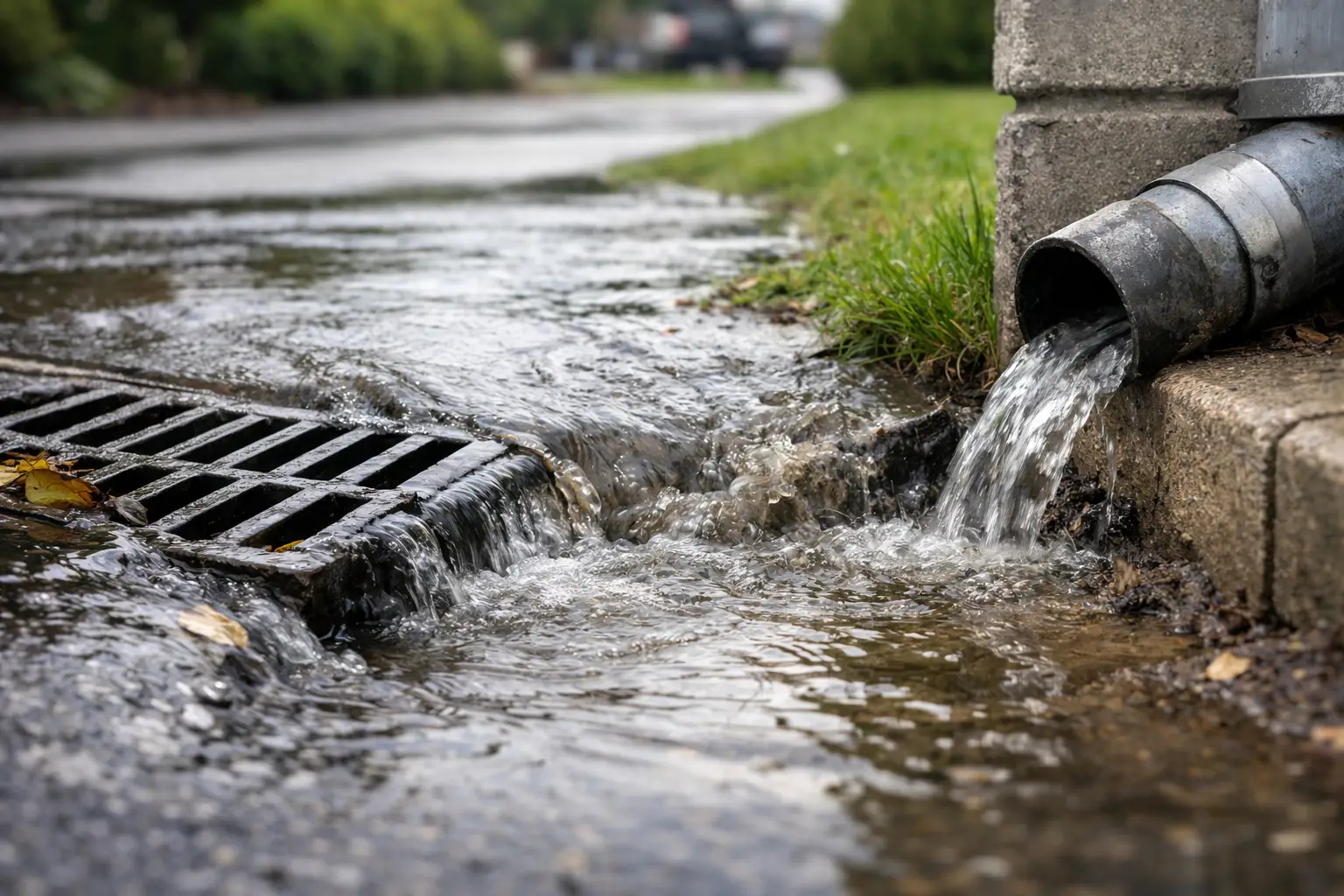
A drain that overflows the moment heavy rain hits is rarely a one-off. Surface water drain problems usually start quietly – a gully that empties slowly, standing water near a downpipe, a car park puddle that never seems to dry out – and then turn into flooding when the system is under pressure. For homeowners, landlords and commercial sites, the real issue is not just the water you can see. It is what that water is telling you about the condition and capacity of the drainage below ground.
What surface water drains are meant to do
Surface water drainage carries rainwater away from roofs, driveways, patios, yards, roads and other hard surfaces. In most properties, that means water enters gullies, channels or grates and then flows through dedicated pipework to a soakaway, watercourse or surface water sewer, depending on how the system was designed.
That sounds straightforward, but these systems only work properly when the route is clear, the fall is correct and the drainage was installed for the amount of water it now needs to handle. A property that was fine twenty years ago can start struggling after an extension, a new driveway, altered ground levels or years of silt build-up.
Common surface water drain problems
The most common problem is blockage. Leaves, mud, moss, roof debris and litter all wash into gullies and channels, then settle in bends, traps and shallow runs. On domestic properties, this often shows up around garden drains and driveway channels. On commercial sites, it can affect larger catchpits, interceptors and yard drainage where debris builds up faster.
Another frequent issue is pipe damage. Cracked joints, displaced sections and collapsed runs stop water moving as it should. Tree roots can also get into weak joints and create recurring restrictions. In dry weather, you may notice very little. In sustained rain, the fault becomes obvious because the system simply cannot clear quickly enough.
Poor installation is another cause that gets missed. If the pipework has insufficient fall, the wrong pipe size or badly formed connections, water slows down and debris settles. The same goes for drainage laid without proper bedding or protection. It may work for a while, but not reliably.
Capacity is a separate issue from blockage or damage. Some systems are not actually broken – they are undersized. Extra roof area, added paving or altered landscaping can send more rainwater into the drainage than it was ever meant to take. During intense downpours, that leads to surcharging and localised flooding.
Signs the problem is more than a temporary blockage
A lot of customers assume that if water eventually disappears, the system is fine. That is not always the case. Slow clearance is often an early warning sign.
If surface water drains are backing up in several places, overflowing at inspection covers or leaving standing water after moderate rain, there is usually an underlying fault that needs proper diagnosis. The same applies if one area repeatedly floods even after someone has cleared leaves from the top. A visible clean-up at surface level does not tell you what is happening in the pipe below.
Bad smells can also point to a problem, particularly where trapped water, debris or contamination is sitting in the system. If gullies are gurgling, if water is escaping around covers, or if rain seems to trigger issues with nearby drainage, it is worth checking whether the network has a restriction, damage or an incorrect connection.
Why surface water drain problems should not be ignored
The obvious risk is flooding, but the knock-on effects are often what cost the most. Repeated standing water can damage paving, wash out sub-bases and undermine areas around the property. Water collecting near walls can increase damp risk. In winter, it creates slip hazards and ice formation.
For landlords and commercial property operators, there is also the issue of liability. If customers, tenants or staff are regularly dealing with ponding water or blocked external drains, that can become a maintenance and safety problem very quickly. In some cases, persistent drainage defects also affect property transactions, especially when buyers want CCTV evidence before committing.
There is another reason not to leave it. Minor defects are usually simpler and cheaper to deal with before they become structural failures. A partial blockage and a displaced joint may be manageable now. Leave them through enough weather cycles and you can end up with collapse, washout or more extensive excavation.
Diagnosing surface water drain problems properly
This is where guesswork wastes time and money. If the same drain keeps causing trouble, it needs more than another quick rod through the gully.
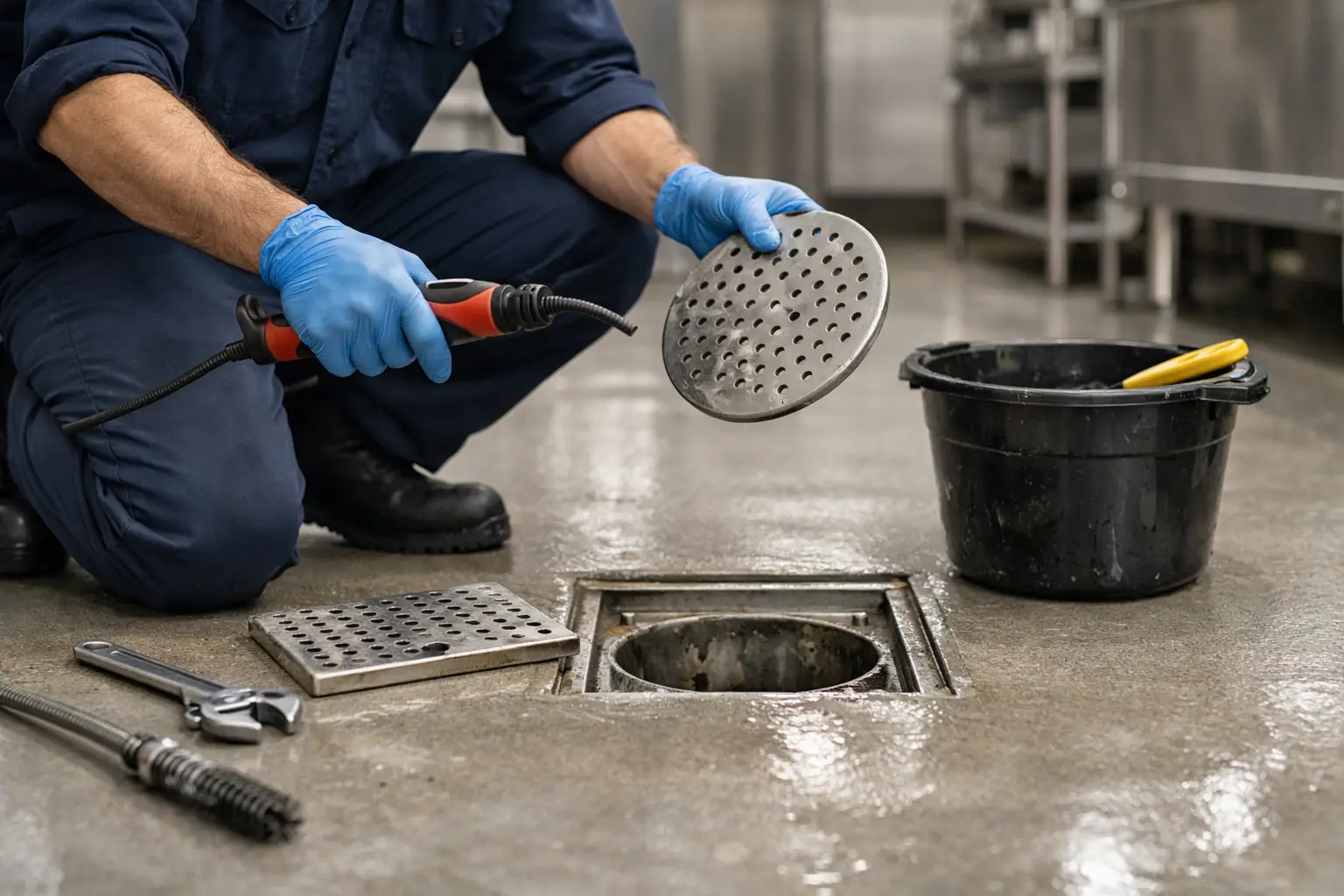
A proper diagnosis normally starts with checking the surface points – gullies, channels, covers and discharge areas – to see how the system is behaving. From there, high-pressure water jetting may be used to remove silt, roots and compacted debris so the line can be assessed properly. If there is concern about damage, a CCTV drain survey gives a clear view of pipe condition, alignment, root ingress, fractures, joint failure and any signs of collapse.
That matters because the right fix depends on the actual cause. If the line is sound and the problem is debris build-up, a full clean may solve it. If the pipe is cracked or displaced, clearing it without repairing it only buys a bit of time. If the system is undersized, repeated cleaning will not change the fact that it lacks capacity.
Repair or replace – it depends on the fault
Not every damaged surface water drain needs to be dug up. If the pipe is structurally suitable, no-dig repair such as CIPP relining can restore the line from within and seal cracks or failed joints with minimal disruption. That is often a practical option where access is awkward or where you want to avoid breaking up finished surfaces.
If there is a collapse, severe deformation or poor original layout, excavation may still be the right answer. It is more disruptive, but sometimes it is the only way to correct levels, replace failed sections or redesign the run properly.
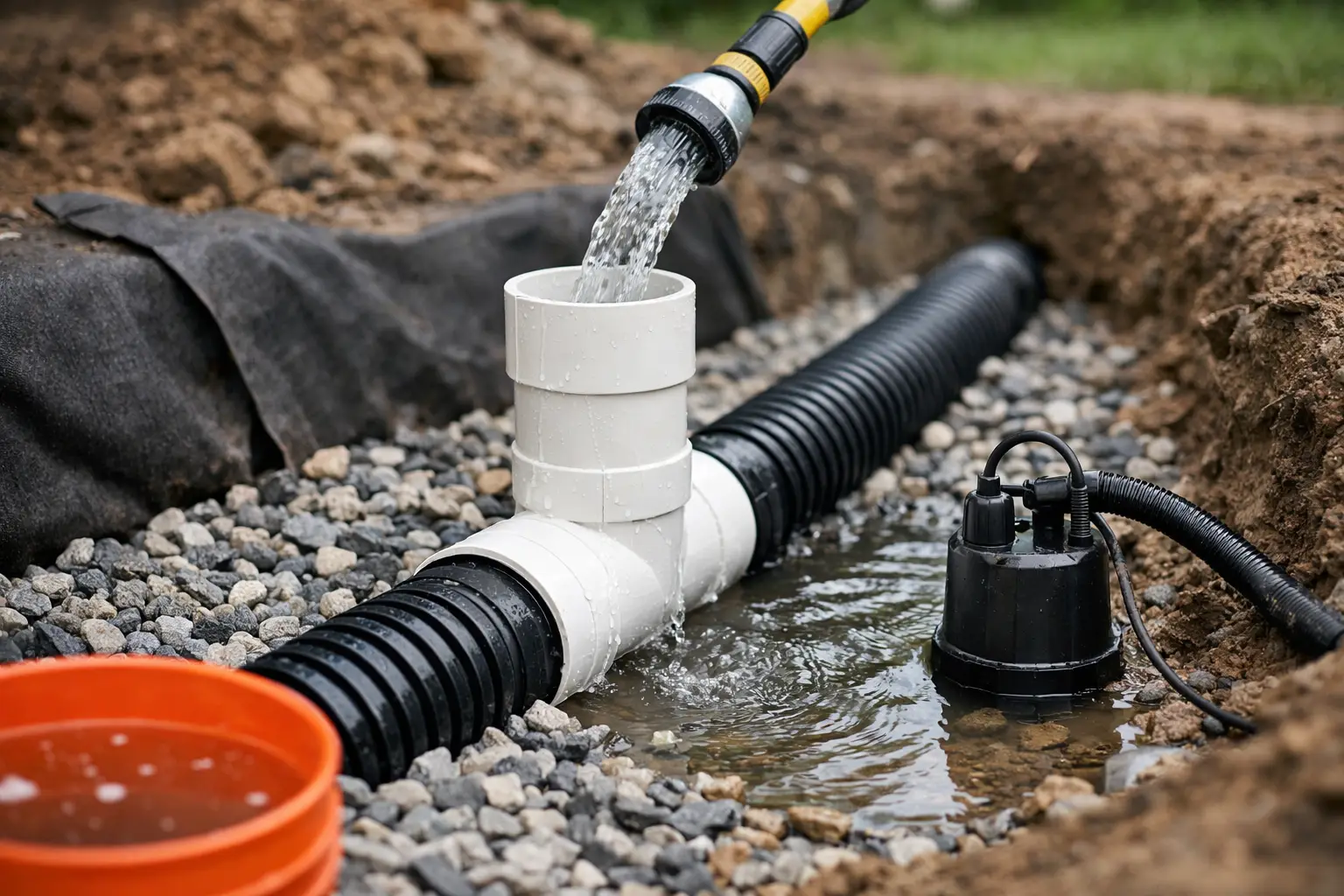
Capacity problems need a different approach again. That may mean installing additional drainage, upgrading pipe sizes, altering channel layout or creating a more suitable discharge point such as a correctly designed soakaway where conditions allow. The important thing is matching the repair to the reason the flooding is happening.
Domestic and commercial sites have different pressures
For a homeowner, the concern is often immediate nuisance – flooded patios, water by the back door, overflowing driveway drains. For a landlord, it may be tenant complaints and preventing repeat call-outs. For commercial properties, the pressure is usually operational. Flooded yards, blocked car parks and unsafe access routes disrupt business quickly.
The fix can differ as well. A domestic gully blocked with leaves is one thing. A commercial site with silted channels, heavy debris loads or drainage affected by vehicle traffic needs a more structured maintenance and inspection plan. One-off reactive work has its place, but some properties need routine attention to prevent bigger failures.
What you can do before calling a specialist
There are a few sensible checks you can make. Remove visible leaves and debris from grates and gullies. Look for obvious standing water after rain and note where it appears first. If you can safely lift a light cover, check whether the chamber is holding water when it should be flowing through.
What you should not do is assume the issue is solved because the top looks clear. Avoid forcing improvised tools into drains or repeatedly using off-the-shelf chemicals where the problem is likely to be silt, roots or structural damage. Those approaches rarely deal with the cause and can make proper inspection harder later.
When to get professional help
If flooding is recurring, if multiple outlets are affected, if you suspect a damaged pipe, or if the property is being bought, sold or altered, it is worth getting the drainage checked properly. The same applies where previous drain clearing has only provided a short-term improvement.
A dependable drainage contractor should be able to explain what they have found in plain English, show evidence where needed and recommend the most sensible repair rather than the most expensive one. That is the difference between a temporary response and a durable fix. At West Midlands Drainage, that diagnosis-led approach matters because surface water issues are often blamed on the weather when the real fault is sitting in the pipework.
Heavy rain will always test a drainage system. The question is whether yours is being tested or quietly failing, and catching that early is usually what saves the mess, cost and disruption later.