A drain that keeps blocking is rarely just a blockage. If the same gully backs up after every spell of rain, or the toilet starts slow-draining again a few weeks after it was cleared, there is usually a fault further down the line. That is where drain repair methods explained properly can save you money, time, and a lot of repeat disruption.
For most homeowners and property managers, the hard part is not knowing a repair is needed. It is knowing which repair is actually right. Some faults can be fixed internally with no-dig methods. Others need a localised excavation. And sometimes the best answer is not repair at all, but a full replacement because the pipe has simply reached the end of its working life.
Drain repair methods explained – what decides the right fix?
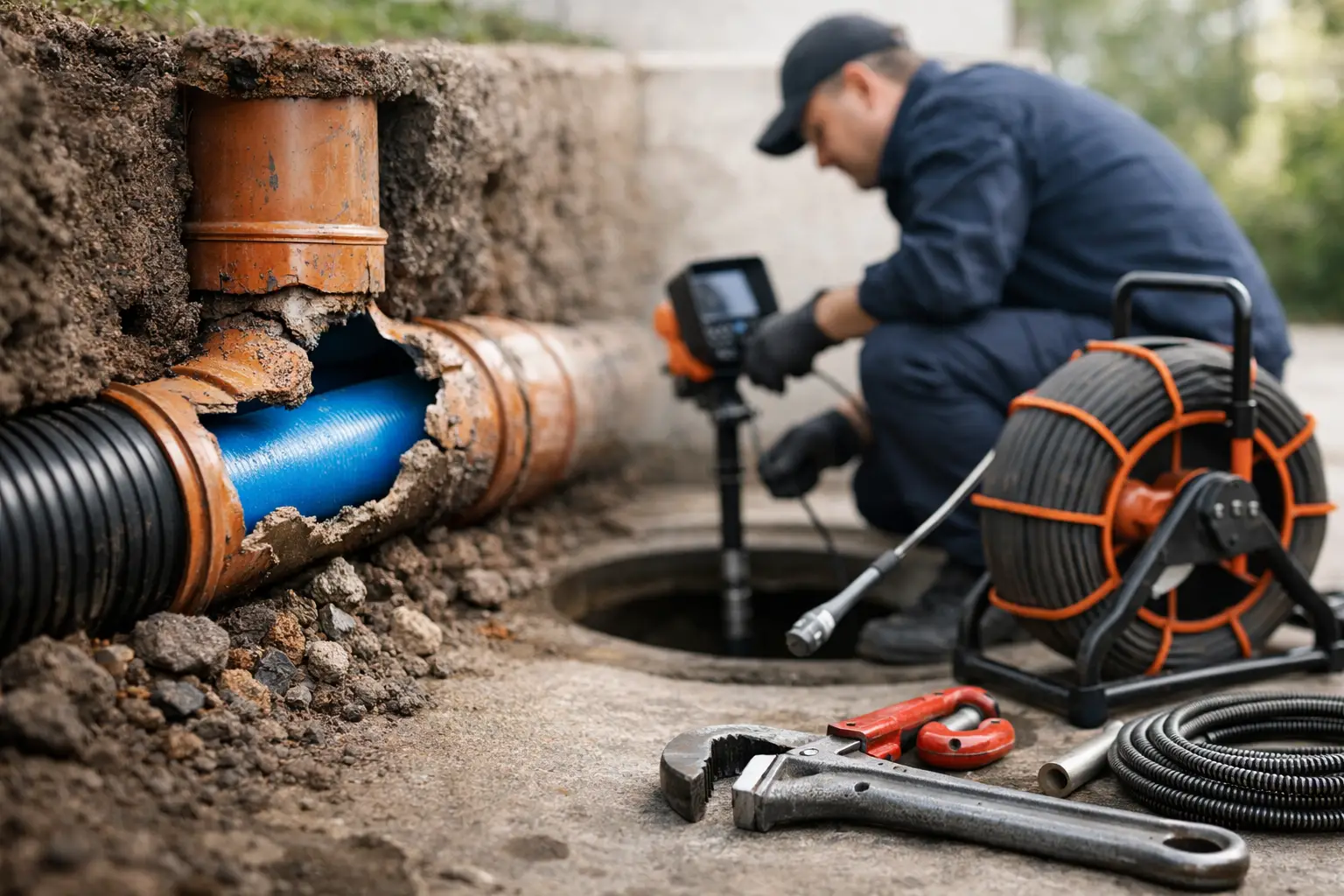
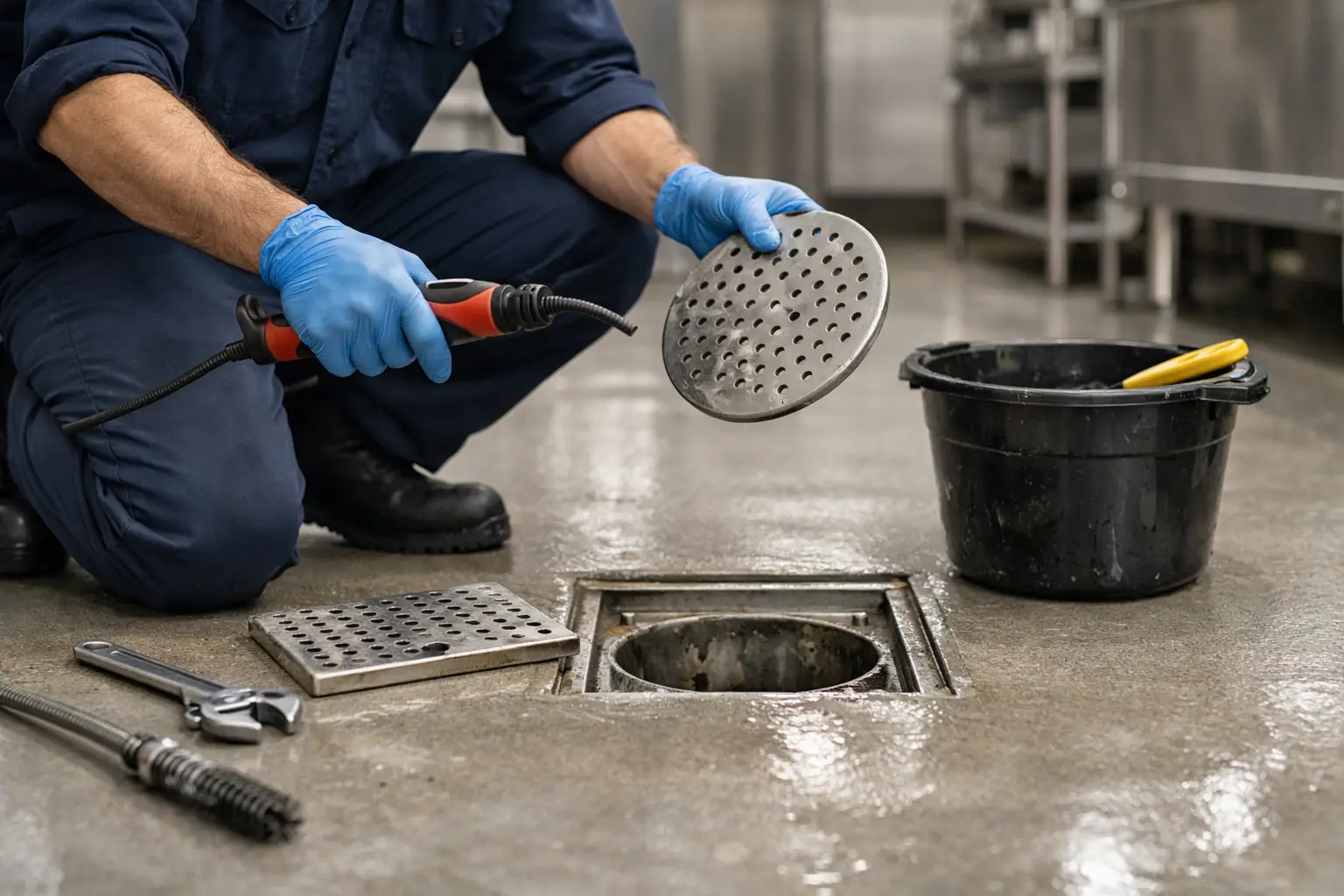
A proper repair starts with diagnosis, not guesswork. Before anyone recommends relining, patching, excavation or replacement, the condition of the drain needs to be confirmed. In most cases that means a CCTV drain survey after the line has been cleaned, often with high-pressure water jetting if there is heavy debris, scale, fat build-up or root ingress.
The camera survey shows what is actually happening underground. It can identify cracked pipework, displaced joints, collapsed sections, intruding roots, scale deposits, poor installation falls and deformities in older systems. That matters because two drains can show the same symptom above ground while needing completely different repairs below ground.
Pipe material also plays a part. Older clay drains tend to suffer from displaced joints and root ingress. Pitch fibre pipes can blister, deform and lose shape over time. Modern plastic systems may crack through ground movement or poor bedding. The location of the fault matters too. A damaged pipe under a lawn is a very different job from one running beneath an extension, car park or internal floor slab.
Localised patch repairs
When the damage is limited to one short section, a patch repair can be the most efficient option. This is a no-dig method used for isolated cracks, open joints or small areas of root damage where the rest of the line is still sound.
A resin-impregnated patch is positioned inside the drain and expanded against the damaged section. Once cured, it forms a new internal sleeve over the fault. Done properly, it seals the leak, smooths the internal bore and avoids the mess of excavation.
This method is usually a good fit where the defect is short and accessible, and where the surrounding pipe has enough structural integrity to support the patch. It is not the answer for a long run of defects, serious deformation or a full collapse. It is a targeted repair, not a cure-all.
For customers, the main advantage is minimal disruption. The trade-off is that it only deals with the identified section. If the rest of the drain is in poor condition, patching one fault may not be the most cost-effective long-term choice.
CIPP drain relining
If several defects are spread along a drain but the pipe still has a usable shape, CIPP relining is often the best balance between durability and disruption. CIPP stands for cured-in-place pipe. In simple terms, a flexible liner soaked in resin is installed inside the existing drain and then cured to create a new pipe within the old one.
This is one of the most widely used no-dig repair methods because it can restore structural performance without digging up gardens, patios, driveways or finished floors. It is particularly useful for cracked drains, leaking joints, minor root ingress and ageing pipework that is no longer reliable but has not fully collapsed.
The big advantage is obvious – far less excavation. That usually means faster completion, lower reinstatement costs and less disturbance to the property. For commercial sites, it can also reduce downtime.
There are limits, though. Relining slightly reduces the internal diameter of the pipe, although in most domestic systems that reduction is minor and not a practical issue. It also relies on the host pipe being in a condition that can accept the liner. If the drain has lost shape completely or there is a severe collapse blocking access, relining may not be possible until other work is carried out first.
Excavation and open-cut repairs
Some drains do need to be dug up. If a section has collapsed, dropped out of line, or suffered major deformation, excavation is often the only proper repair. The same applies where there are repeated failures caused by poor installation, inadequate falls or damaged connections that cannot be corrected from inside the pipe.
Open-cut repair involves excavating down to the damaged drain, removing the failed section and replacing it with new pipework. This approach gives full access to the problem area and allows the team to correct alignment issues, reconnect branches properly and inspect surrounding bedding and backfill conditions.
People often hope to avoid excavation at all costs, but that is not always sensible. A no-dig repair used in the wrong situation can become an expensive delay rather than a solution. If the pipe has structurally failed, digging once and fixing it properly is usually better than repeated temporary work.
The downside is disruption. Lawns, paving, concrete and tarmac may need to be broken out and reinstated. If the drain runs under a building, access becomes more complicated and costs can rise quickly. That is why accurate diagnosis matters so much. Nobody wants unnecessary excavation, but nobody benefits from avoiding it when it is genuinely required.
Full drain replacement
Sometimes repair is no longer the sensible option. If a drain system has extensive defects across multiple runs, poor historic alterations, inadequate pipe sizing or materials that are failing throughout, full replacement can be the better investment.
This is more common in older properties, commercial sites with long-term maintenance issues, and renovation projects where drainage is already being exposed. It can also make sense during extensions or major landscaping, when access is easier and the cost of future disruption can be avoided.
A full replacement allows the system to be redesigned if needed. Falls can be corrected, access points improved, and new pipework installed to current standards. It costs more upfront than a targeted repair, but in the right case it prevents the cycle of call-out, clear, patch, and repeat.
Root ingress, displaced joints and collapsed drains
When customers ask for drain repair methods explained, they are usually asking about one of three problems.
Root ingress is common in older drains, especially clay systems with joints that have opened over time. The roots enter through the defect because they are searching for moisture. Cutting the roots out may restore flow, but unless the entry point is repaired they usually come back. A patch repair or liner is often the permanent answer if the pipe is otherwise sound.
Displaced joints happen where sections of pipe have moved apart. This can be caused by settlement, age or poor installation. If the displacement is minor, an internal repair may work. If the joint movement is significant, excavation is often the safer option because the alignment itself needs correcting.
Collapsed drains are different again. A collapse means the pipe has lost its structural form. In that situation, cleaning and camera work may identify the extent of the damage, but full access and replacement are commonly required. Relining cannot rebuild a section that no longer provides a viable path through the drain.
Cost, disruption and why the cheapest option can cost more
Most customers want the least invasive repair at the fairest price, and that is reasonable. But the cheapest quote is only a good deal if it solves the actual problem. A low-price patch on a drain with multiple failures, or repeated unblocking where structural damage has never been investigated, often ends up costing more over a year than one properly planned repair.
A good contractor should explain what has been found, what method suits the defect, and where the limits are. If there is an option between patching and relining, for example, you should be told why one is likely to last better than the other. If excavation is being recommended, there should be a clear reason it cannot be resolved internally.
That straightforward advice matters as much as the repair itself. It is how you avoid hidden extras, vague promises and work that only gets you through the next few months.
Choosing the right repair contractor
Drainage work is one of those trades where the result is mostly hidden underground, so trust matters. Look for a contractor who uses CCTV inspection to diagnose faults, explains the findings in plain English, and offers written guarantees on completed repair work. If they can only tell you the drain is blocked but not why it keeps happening, you may not be getting to the root cause.
For domestic and commercial customers alike, fast response still needs to be backed by technical competence. West Midlands Drainage works this way because the job is not done when the water finally drops away. The real fix is the one that stops the same issue returning.
If your drains are showing the same symptoms again and again, the next step is not another guess. It is a proper look underground, followed by the repair method that fits the fault rather than the sales pitch.