A cracked drain is bad enough. Finding out your insurer wants proof, reports and a clear cause before they even look at the claim can make it far more stressful. If you need drain repair for insurance claim purposes, the job is not just fixing the pipe. It is proving what has happened, showing the extent of the damage, and making sure any repair work stands up to scrutiny.
This is where a lot of property owners come unstuck. They call someone to clear the blockage, the water starts running again, and the underlying defect gets missed. Days or weeks later the issue returns, the paperwork is thin, and the insurer starts asking awkward questions. A proper drainage contractor should help you get to the root cause first, then carry out a repair that is justified, documented and built to last.
What insurers usually want from drain repair for insurance claim cases
Insurance companies do not normally pay out because a drain is inconvenient. They need evidence that there is an insured event or a definable defect causing damage. That could be a collapsed section of pipe, root ingress, displaced joints, fracture damage or ground movement. In some cases, they may cover the resulting damage to the property rather than the drain itself. In others, they may cover the drain repair too. It depends on the policy wording, the location of the pipework and the cause of failure.
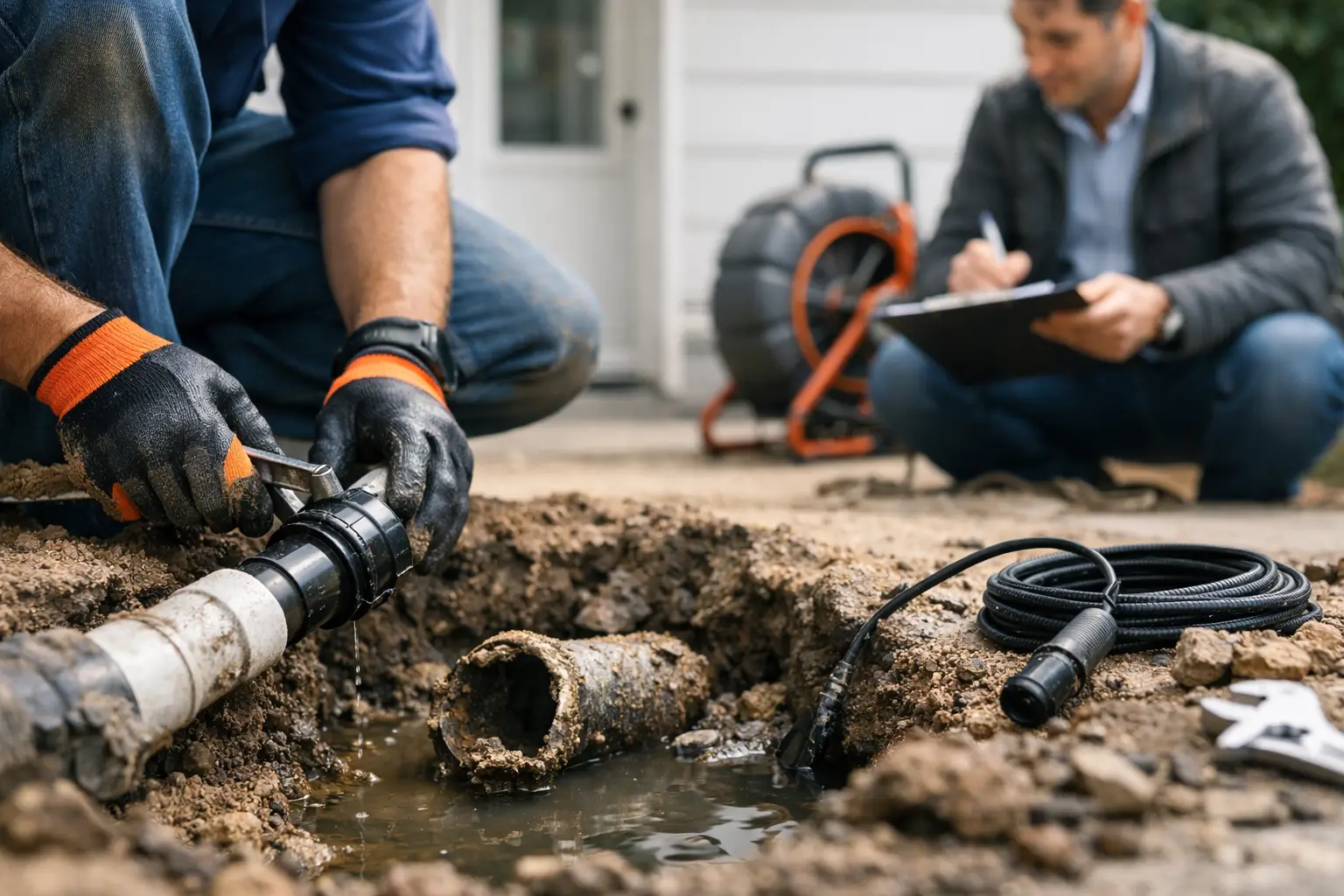
That is why guessing is no use. Before any meaningful claim can move forward, insurers typically want a clear diagnosis. In practice, that usually means a CCTV drain survey, supporting images or video footage, and a written report that explains where the defect is, what is causing it and what repair is recommended.
If you are a homeowner, landlord or commercial site manager, this evidence matters more than broad descriptions like “blocked drain” or “damaged pipe”. A blockage alone may be treated as a maintenance issue. A blockage caused by a broken or collapsed pipe is a different matter.
Start with diagnosis, not just a quick fix
When drainage problems are urgent, people naturally want the fastest possible solution. That is understandable if toilets are backing up or foul water is not draining away. But for an insurance-related job, speed has to be matched with proper diagnosis.
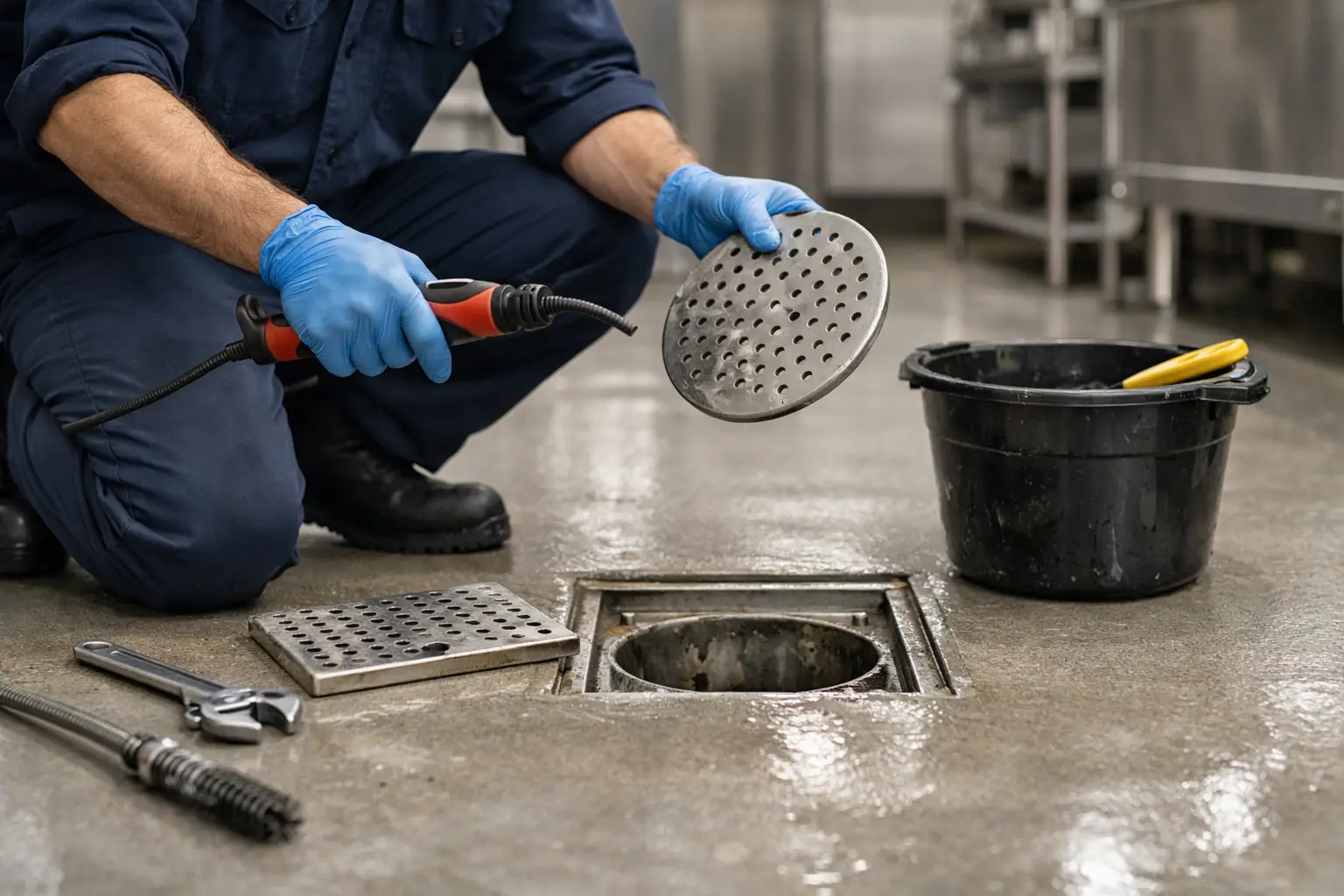
A professional contractor will often clear the line first if it is blocked, because you cannot inspect a full pipe properly. High-pressure water jetting is commonly used to remove debris, scale, fat build-up and other obstructions. Once the drain is flowing, a CCTV camera survey can identify whether the issue was just a one-off blockage or a structural fault that needs repair.
This matters because insurers may ask when the damage was first identified and how the cause was confirmed. If there is no proper inspection, you may end up paying for repeat visits and still have no solid evidence for the claim.
What makes a repair insurable and what may not be covered
This is the part where honesty matters. Not every drain problem is an insurance claim.
If the pipe has deteriorated gradually over many years due to wear, poor maintenance or long-term build-up, some insurers will class that as a maintenance issue. If tree roots have entered through an existing defect, the claim may hinge on whether the original damage is covered. If the drain has been crushed by recent ground movement or a sudden collapse, the position may be stronger.
There is also the question of ownership. Some drains within the property boundary are private responsibility, while others may fall under the water authority if they are shared sewers or laterals. Before spending money on repairs, it is worth being clear on who is responsible for that section of pipe.
A good drainage report should not try to force a claim where one is weak. It should simply set out the facts clearly. That gives you the best chance of a fair decision and avoids overselling work that may not be necessary.
The evidence that helps your claim move faster
For drain repair for insurance claim support, paperwork is not a side issue. It is part of the job.
The strongest claims usually include a CCTV drain survey report, location details for the affected section, still images from the survey, and a repair recommendation based on the condition of the pipe. If excavation is required, insurers may also want justification for why a no-dig option is not suitable. If a no-dig repair such as CIPP relining can be used, that can sometimes make the claim easier to process because it is less disruptive and often more cost-effective than digging up patios, drives or floors.
Photos of any visible signs above ground can help as well. That might include cracking, damp patches, subsidence indicators, foul odours, or repeated internal back-ups. Dates matter too. Keep a note of when the issue started, when it recurred, and any previous drainage work that has been carried out.
If you have already spoken to your insurer, ask whether they have any specific reporting requirements. Some will want their own loss adjuster involved before major repair work begins, unless it is emergency work needed to prevent further damage.
Repair options and how they affect an insurance claim
Once the fault is confirmed, the repair method needs to match the defect. This is not just about cost. It is about doing the job properly and being able to explain why that method was chosen.
For localised cracks, small fractures or joint defects, patch lining may be enough. For longer runs with cracks, minor displacement or root ingress, CIPP relining can create a new lining within the existing pipe without full excavation. That keeps disruption down and is often a sensible option where the pipe route runs beneath finished surfaces.
Where the pipe has fully collapsed, has severe deformation, or has lost line and level, excavation and replacement may be the only realistic answer. It is more disruptive, but sometimes there is no honest shortcut.
Insurers often look favourably on proportionate repairs. If a no-dig solution will restore the pipe to a sound condition and avoid unnecessary excavation, that can be a strong practical choice. If no-dig will only mask a more serious structural failure, it is the wrong repair. This is where experience counts.
Common mistakes that can weaken a claim
One of the biggest mistakes is authorising full repair work before the problem has been documented properly. In an emergency, some immediate action may be necessary, but where possible the defect should be recorded first. Once the damaged section is removed or altered, part of the evidence can disappear.
Another common issue is relying on vague invoices. “Drain cleared” tells an insurer very little. A proper report should explain whether the drain was blocked by wipes, fat, roots, scale or collapse, and whether there is structural damage that requires further work.
There is also the temptation to keep calling for repeated unblocking because it feels cheaper in the short term. If the same line keeps backing up, that usually points to an underlying fault. Repeated emergency call-outs can end up costing more than proper diagnosis and repair.
Why local, direct support matters
Insurance-related drainage work needs more than a man with rods and a van. You need someone who can attend quickly, identify the problem properly, and explain it in plain English. That is especially important when you are already dealing with property damage, tenants, business disruption or the stress of speaking to your insurer.
A local specialist can usually respond faster, and just as importantly, can return if the insurer asks follow-up questions or wants further evidence. That continuity helps. You are not dealing with a call centre or a revolving list of subcontractors. You are dealing with the same team from inspection through to repair.
For customers across Wolverhampton and the wider West Midlands, that practical support can make the process feel far less messy. West Midlands Drainage works this way because drainage problems rarely fit neatly into a standard script. Some jobs need urgent clearance first. Some need a detailed CCTV survey and report. Some need a repair plan that balances insurer requirements, property disruption and long-term reliability.
Before you approve any drain repair for insurance claim work
It is worth asking a few direct questions. Has the fault been confirmed by CCTV? Is the cause of the damage clear? Is the proposed repair the least disruptive sound option, or just the quickest one? Will you receive written findings, images and a proper quotation? And if the insurer queries the repair method, can the contractor justify it?
Those questions protect you. They also tend to separate genuine drainage specialists from firms that are only interested in the immediate call-out fee.
If your drain issue may lead to a claim, the best next step is usually simple: get the line cleared if needed, get the pipe inspected properly, and get the facts in writing before the situation drags on. A sound repair starts with a sound diagnosis, and that gives you something solid to put in front of your insurer.